


Architectural Ruins Artwork
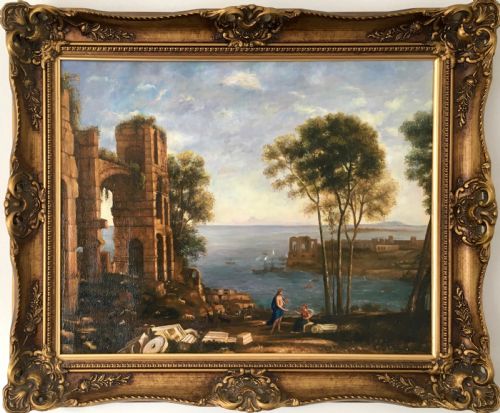
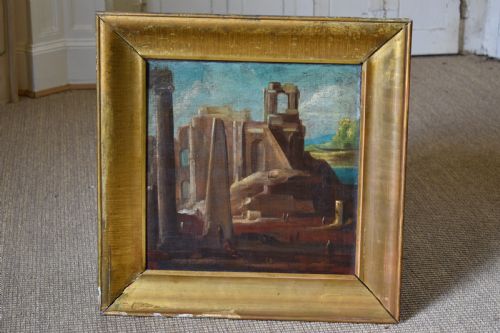
These architectural ruins artwork pieces capture crumbling classical structures and weathered abbeys, offering a tangible link to historic grandeur and picturesque decline.
Architectural Ruins Artwork
Architectural ruins artwork comprises paintings, watercolours, etchings and prints depicting classical structures, historic abbeys and decayed landscapes. When searching for architectural ruins artwork, buyers encounter various interpretations ranging from eighteenth-century Italian vistas to nineteenth-century Grand Tour watercolours.
The selection on this page relies heavily on nineteenth-century pieces alongside eighteenth-century Italian examples and twentieth-century British watercolours. Common subjects include Roman fora, Pompeian houses, and British abbeys executed in mediums such as watercolour, oil on canvas, and ink.
Grand Tour subjects dominate the offerings, reflecting the historic travel traditions of the eighteenth and nineteenth centuries. Alongside these foreign scenes, local British landmarks such as Bolton Castle and Rievaux Abbey appear frequently in watercolour and drawing mediums.
Materials and methods
Artists deployed watercolour, oil on canvas, ink, and etching to record weathered stone and ancient masonry. Paper and panel serve as the primary supports for watercolours, drawings, and prints, while oil paintings utilise canvas.
Gilt wood frames and gold leaf accents frequently enclose these works, enhancing the classical subject matter with period-appropriate presentation. Etchings capture fine architectural details through inked metal plates pressed onto paper.
Springtime after the War brings blossoming trees right up against the broken masonry of a ruined abbey in nineteen nineteen.
Judging quality in ruins artwork
Quality rests upon the precision of the draughtsmanship and the artist's ability to render the texture of crumbling stone and atmospheric depth. Works by documented hands or circles demonstrate superior handling of perspective and light compared to anonymous output.
The choice of medium and the preservation of the paper or canvas dictate the visual impact of the piece. Strong contrast in etchings and vibrant pigment retention in watercolours distinguish the finer examples within this genre.
Giovanni Paolo Panini·Francesco Piranesi·John Sowden·Fred Lawson·Tom Dudley·William Crouch·Lamorna Birch
The Architectural Ruins Artwork Glossary
- Grand Tour
- An extended trip through Europe undertaken by wealthy young men in the eighteenth and nineteenth centuries to study classical art and architecture. Resulting watercolours and canvases served as tangible records of these travels.
- Neoclassical
- A Western cultural movement drawing inspiration from the art and culture of classical antiquity. In these artworks, it manifests as precise depictions of Roman ruins and classical proportions.
- Etching
- A printmaking technique where lines are bitten into a metal plate with acid before being inked and pressed onto paper. This method allows for exceptional fine detail in architectural renderings.
- Watercolour
- A painting method where pigment is suspended in a water-based solution, typically applied to paper. It provides the translucent washes often seen in nineteenth-century landscape depictions.
- Circle of
- A term used when an artwork shows the clear influence and style of a master without being directly executed by them. It denotes proximity to a specific named artist's workshop or manner.
Architectural Ruins Artwork: Frequently Asked Questions
What subjects appear in these works?
The subjects range from Roman architectural sites like the Colosseum and the Forum of Nerva to British monastic ruins such as Rievaux Abbey and Bolton Castle.
Artists also depicted Italian landscape scenes featuring classical fragments and figures during the eighteenth and nineteenth centuries.
How were these artworks displayed historically?
Owners typically framed these pieces in wood, occasionally utilising gilt frames to complement the academic and classical nature of the imagery.
They served as wall art within period drawing rooms and studies to signal the owner's education and travel history.
How do I distinguish between periods?
Eighteenth-century pieces often lean towards Italian landscapes and detailed etchings, whereas nineteenth-century works frequently reflect Grand Tour watercolours of specific archaeological excavations.
Twentieth-century examples tend to focus on British architectural landmarks executed in ink and watercolour.
What materials support these artworks?
Paper serves as the primary support for watercolours, drawings, and coloured prints, while oil paintings utilise canvas or panel.
Gold leaf and gilt wood frequently appear in the framing elements associated with these pieces.