
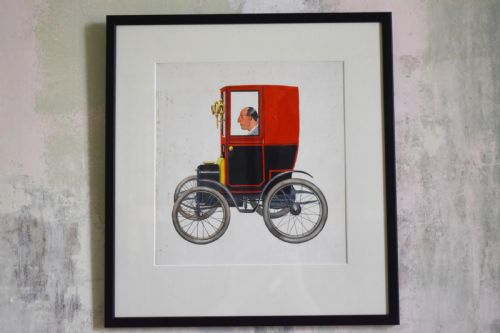
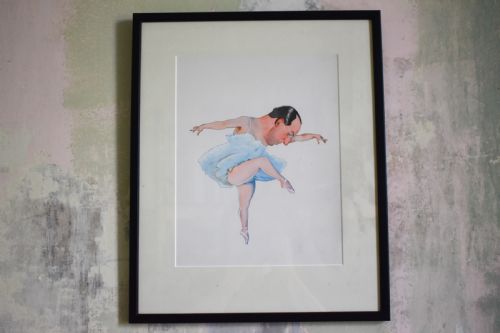
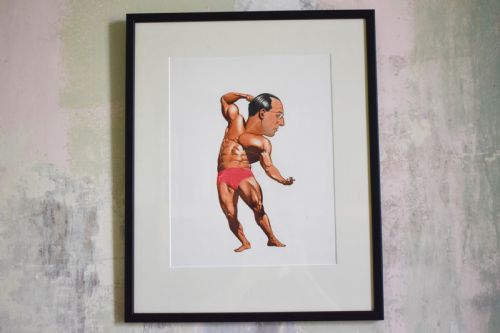


Caricature Watercolour Painting
These caricature watercolour painting pieces capture satirical wit on paper, bringing period humour and skilled brushwork into any collection.
Caricature Watercolour Painting
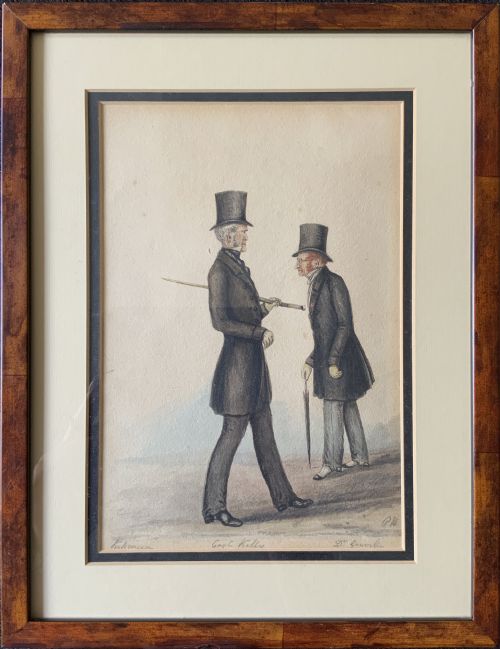
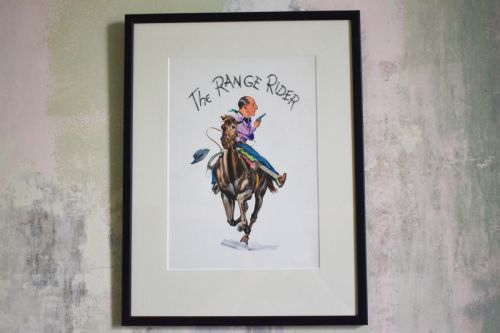
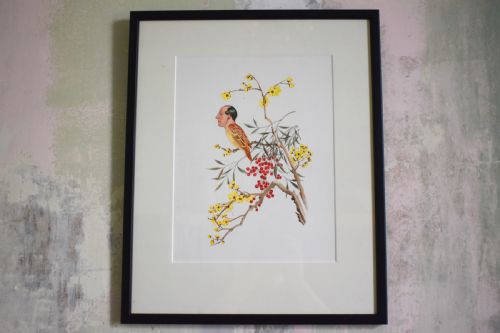
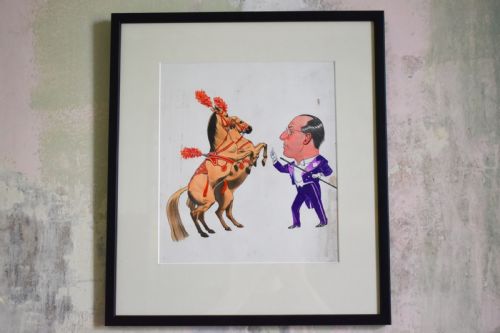
A caricature watercolour painting captures humorous or satirical subjects on paper through fluid pigment, ranging from nineteenth century military portraits to early twentieth century illustrations. These works frequently arrive framed under glass with wooden surrounds, preserving the delicate water-soluble pigments from atmospheric damage.
The pieces on this page span the Regency, Victorian, and Edwardian eras alongside mid-century modern and surrealist satire examples. Buyers will frequently encounter cartoon watercolours from nineteen thirty alongside earlier nineteenth century double portraits and paired depictions of soldiers and sailors.
Makers and artists range from named figures such as Snaffles and John Leech to anonymous hands producing cartoon designs for pottery or theatrical studies. The formats include framed artwork, wall art, and specific watercolour paintings that highlight British illustrative caricature.
Materials and Technique
Surviving examples are typically housed behind glass within wooden frames, occasionally accented with gilt mouldings to highlight the paper works within. This combination of paper, pigment, and wood provides the primary physical structure of the category.
Listings feature paper supports, watercolour pigment, wooden frames, and glass across nineteenth and twentieth century periods.
Assessing Quality
Quality in a caricature watercolour painting rests upon the directness of the brushwork and the sharpness of the satirical observation. Master hands convey expression and personality with minimal pigment, whereas lesser examples rely on heavy, laboured outlines.
Condition of the paper support and the vibrancy of the watercolour pigment further divide the collection. Works that retain their original tones without excessive fading or toning represent the stronger end of the range.
Snaffles·John Leech·John Nixon·Stoke Pottery
The Caricature Watercolour Painting Glossary
- Caricature watercolour painting
- A work on paper executed in water-soluble pigments that exaggerates peculiarities or defects for humorous or satirical effect. These pieces often document social types or specific political figures of their period.
- Watercolour pigment
- The finely ground colourant mixed with a binder soluble in water, used to create transparent washes on paper. It allows for rapid application and subtle tonal gradations.
- Gilt
- A thin layer of gold or gold-coloured material applied to the wooden frame surrounding the artwork. This finish adds decorative brilliance and frames the paper visually.
- Surrealist satire
- A stylistic approach blending absurd or dreamlike imagery with social critique. It appears in specific twentieth-century iterations of the genre.
Caricature Watercolour Painting: Frequently Asked Questions
How should I display a caricature watercolour painting?
Keep the artwork away from direct sunlight to prevent the watercolour pigment from fading on the paper. Hanging them on interior walls with stable humidity preserves both the paper and the wooden frame.
Ensure the glass protects the surface without pressing directly against the painted paper. A proper mount creates a necessary air gap between the pigment and the glass.
What periods do these paintings come from?
The pieces span from the nineteenth century through the early twentieth century, including examples dated around nineteen hundred, nineteen ten, and nineteen thirty. Styles range from Regency and Victorian satire to mid-century modern works.
Earlier nineteenth century items often depict military or naval figures, while later twentieth century pieces include cartoon illustrations and pottery designs.
Are these works signed by the artists?
Some pieces feature signatures or attributions to known illustrators, while others remain unsigned examples of period cartoon work. Signed works by makers such as John Leech or Snaffles carry specific historical attributions.
Anonymous pieces often rely on stylistic markers, dress, and paper characteristics to indicate their nineteenth or twentieth century origin.
What materials make up these framed artworks?
The core materials consist of watercolour pigment on paper, housed within wooden frames under glass. Gilt accents frequently appear on the frames of nineteenth century examples.
These components work together to protect the fragile paper support from dust and physical handling while providing a finished display format.