


Vintage Canvas Artwork
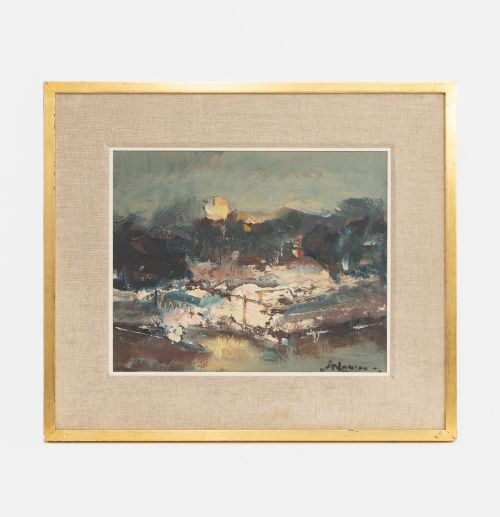
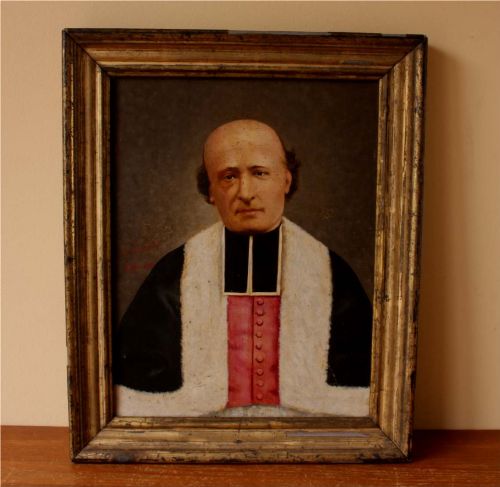
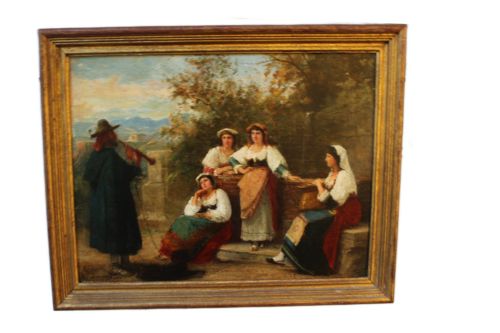
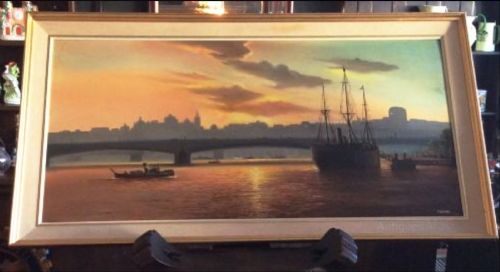
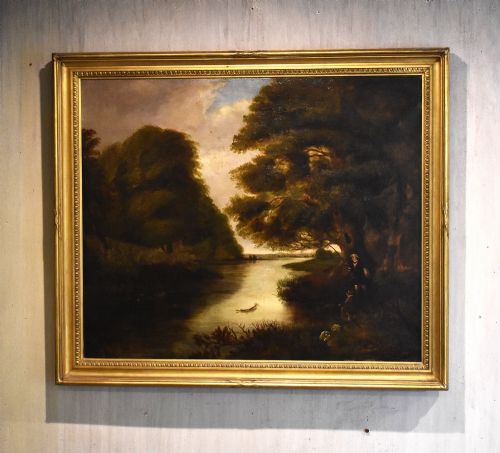
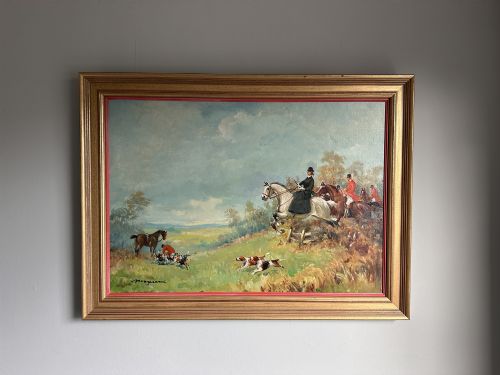
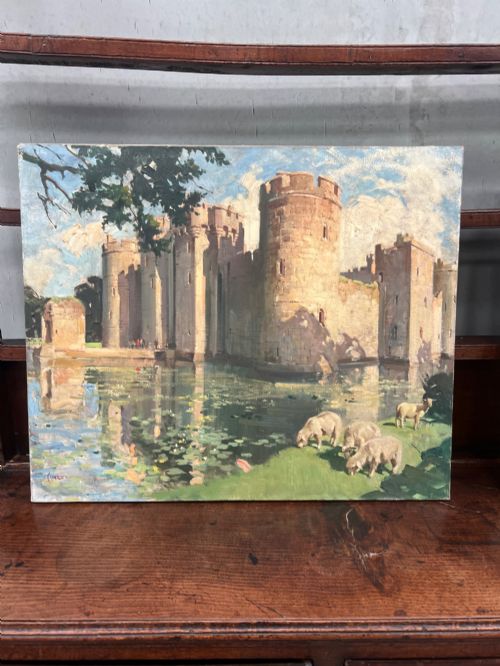
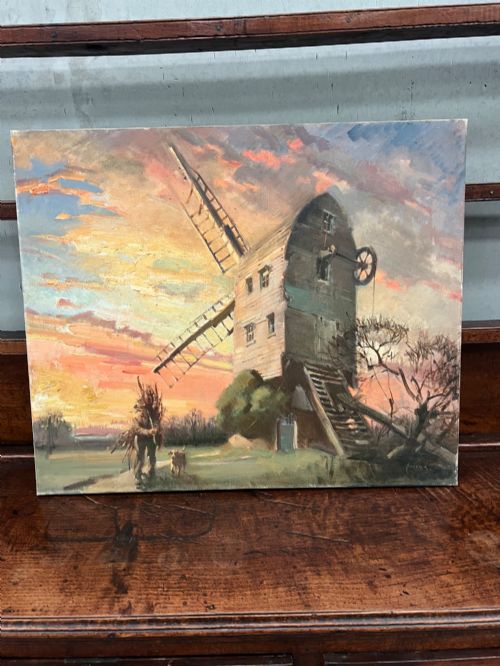
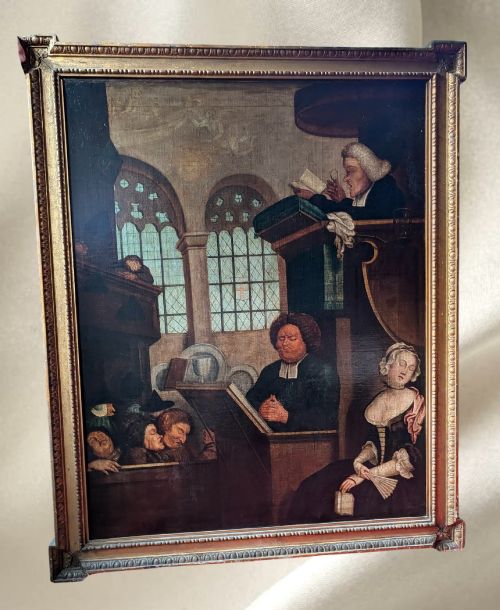
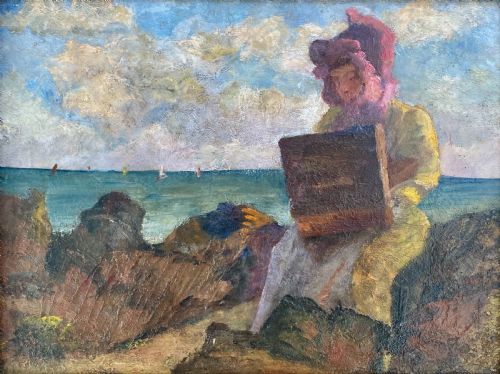
Vintage canvas artwork brings together oil paintings, portraits and landscapes spanning the Victorian period through to mid-century modern design.
Vintage Canvas Artwork
Buyers seeking vintage canvas artwork will encounter oil paintings on canvas, board and textile, grouped under headings such as fine art, wall art and paintings. The pieces on this page span the 19th century, Victorian era and various decades of the 20th century up to 1960.
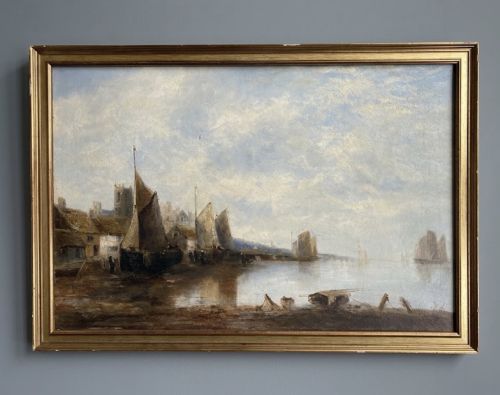
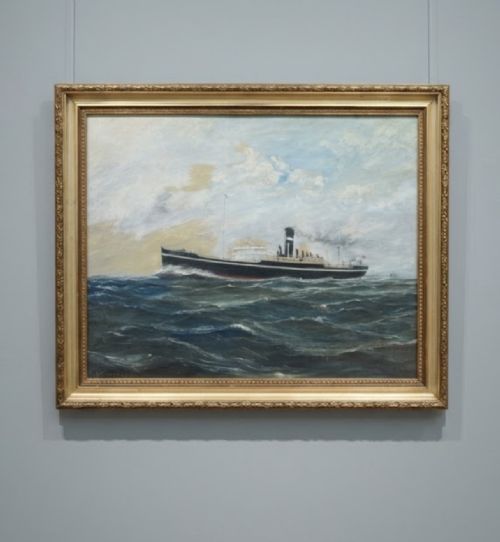
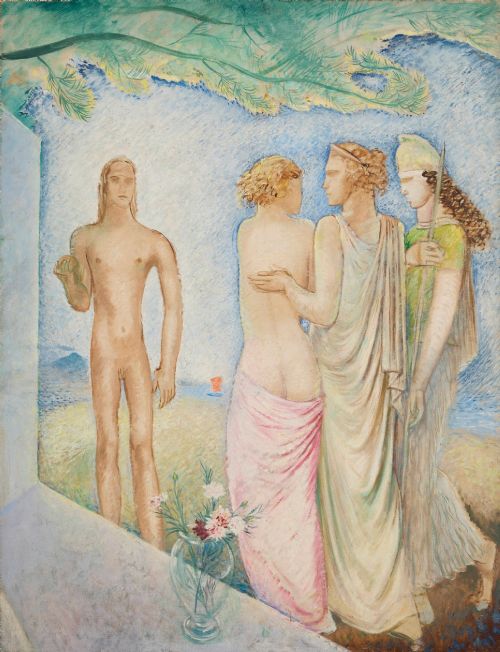
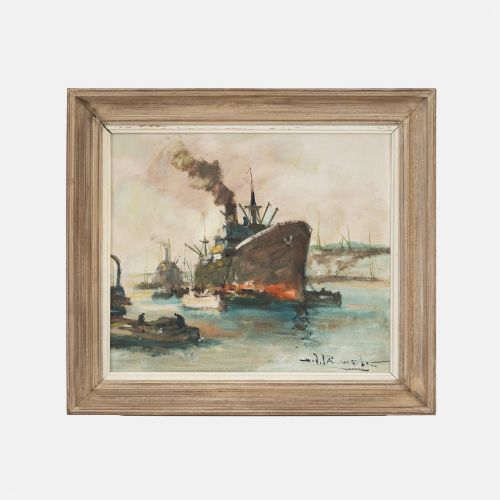
Subjects range from equestrian portraits and maritime landscapes to still life compositions of fruit and flowers, alongside figurative works and marine seascapes. Pieces include works by named artists from British, French and Dutch schools, as well as Balinese Kamasan textile paintings.
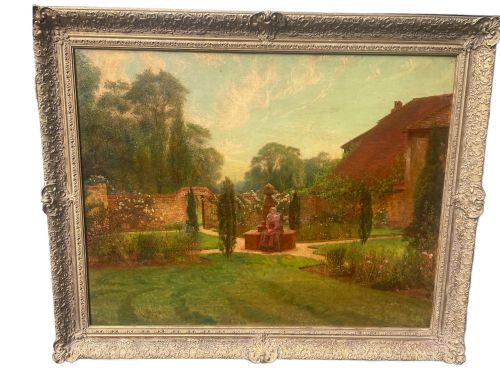
The most frequent form on this page is the oil painting on canvas, housed variously in simple stretches or within decorative frames of gilt, gesso and wood. These range from intimate portraits to large panoramic coastal and pastoral scenes.
Materials and construction
These works rely primarily on oil paint applied to woven canvas supports, though certain examples utilise wooden boards or textiles. Ground layers of gesso frequently prepare wooden panels and frames for the application of paint.
Frames accompanying the paintings incorporate wood, gilt and gold leaf, providing structural support and decorative borders finished with moulded gesso ornaments. Canvases are typically stretched over wooden frames to maintain tension across the painted surface.
Vintage Canvas Artwork Retail Price Guide 2026
Typical asking prices for vintage canvas artwork among the pieces listed under this phrase on Sellingantiques today, from the lower quarter to the upper quarter. They describe what is for sale here now, not the wider market.
A surprising number of 19th-century artists could not resist painting horses, ships on fire, or cats investigating snails.
Distinctions in quality
Quality in these works is visible in the handling of the paint layer, whether through fine realism or robust impasto brushwork that creates depth on the canvas. The precision of draughtsmanship in portraits and the atmospheric perspective in landscapes distinguish accomplished works from more formulaic student or school pieces.
The integration of the artwork with its frame also marks the standard of a piece, particularly where original gilt wood and gesso mouldings complement the age and style of the painting. The stability of the canvas and the preservation of the oil pigments without extensive overpaint determine the physical integrity of the item.
Henry Barraud·G. J. S. Bary·Kenneth Cozens·Jozsef Molnar·Dumini Leopoldo·Clifford Hanney·Frederick Marriott·Eugène-Louis Gillot·William McAlpine·Reginald Arthur Borstel·Alfred Fontville de Breanski Jr·George Houston·Herbert Royle·Hubert Haider
The Vintage Canvas Artwork Glossary
- Gesso
- A plaster mixture applied to wood or canvas to create a smooth surface for painting or moulding.
- Impasto
- Paint applied in thick layers that stand out visibly from the canvas surface.
- Gilt
- A thin layer of gold leaf or gold paint applied to wood or gesso surfaces.
- Seascape
- A painting depicting the sea, ships or coastal views.
- Balinese Kamasan
- A traditional style of painting originating from the village of Kamasan in Bali, typically depicting narratives on textile.
Vintage Canvas Artwork: Frequently Asked Questions
How do I care for vintage canvas artwork?
Keep oil paintings away from direct sunlight and fluctuating temperatures to prevent the canvas from slackening and the oil paint from cracking. Dust the surface gently with a soft, dry brush without applying moisture or cleaning agents.
Inspect the back of the canvas periodically for dust accumulation and ensure the hanging wire or fixings remain secure. Professional conservators should handle any cleaning of the paint layer or repair of tears in the canvas.
How can I tell the age of an oil painting?
Dating relies on stylistic evidence, signatures, subject matter and the physical characteristics of the canvas and stretcher. Victorian and 19th-century works often feature hand-written inscriptions, older canvas weaves and traditional framing methods.
Mid-century pieces from the 1950s and 1960s reflect different aesthetic movements, such as mid-century modern or impasto techniques, alongside modern stretcher construction. Comparing artist biographical dates where signed helps narrow the period of creation.
What is the difference between an oil painting and wall art?
An oil painting specifically denotes a work created using pigment suspended in a drying oil medium on a support such as canvas or board. Wall art is a broader descriptive category that encompasses oil paintings alongside other decorative media.
When browsing, check the material specification to confirm if a piece is an original oil painting or a different type of visual artwork.