



Impressionist Oil on Canvas
Impressionist oil on canvas works capture light and atmosphere through loose brushwork, offering buyers a window into historic landscapes and daily scenes.
Impressionist Oil on Canvas
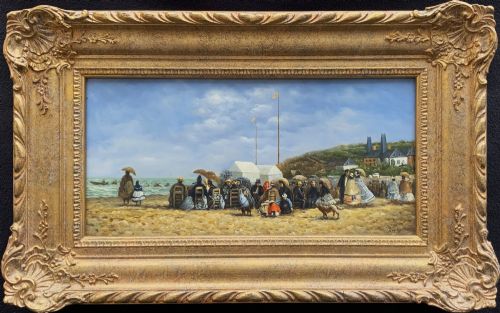
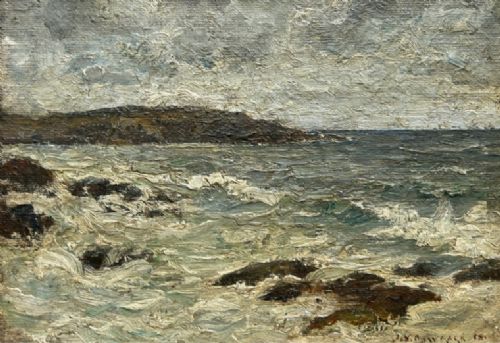
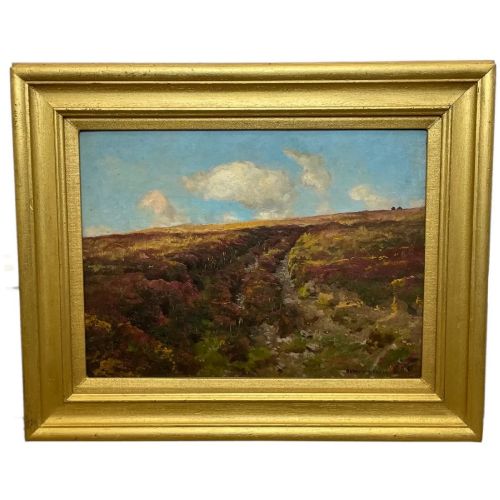
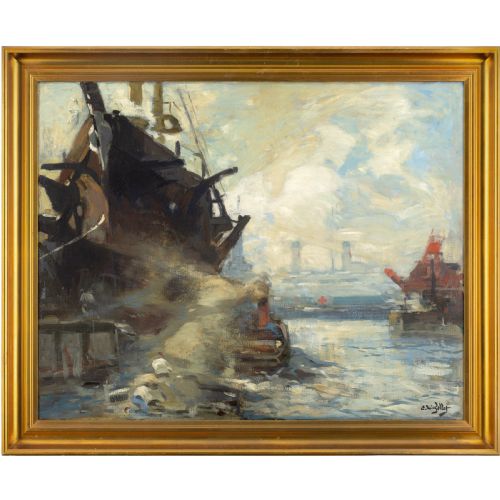
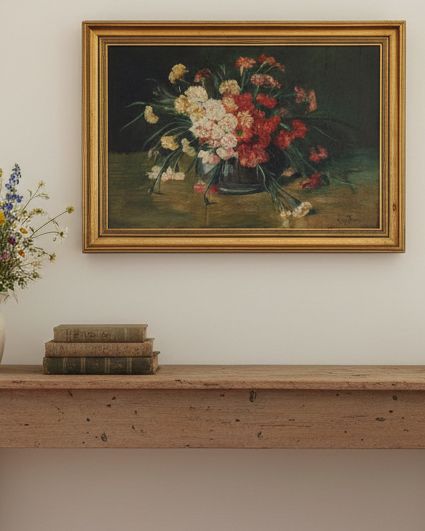
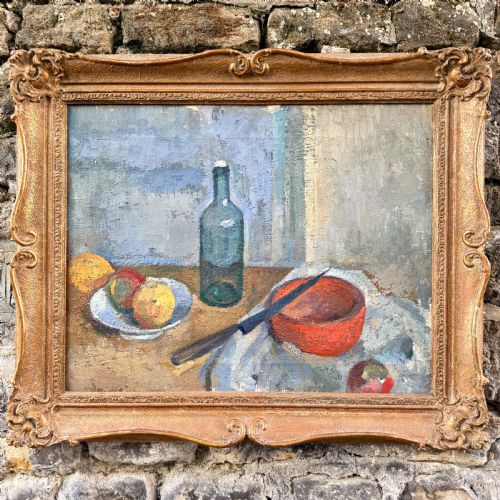
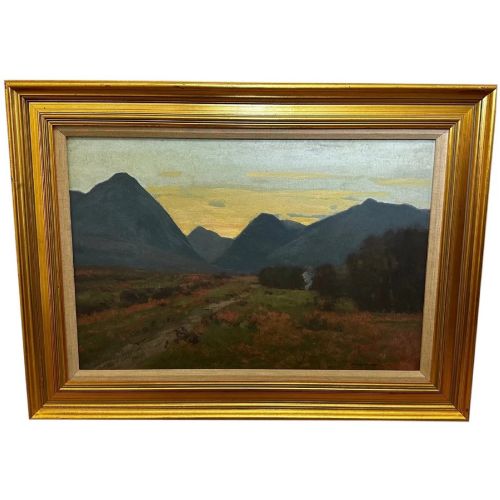
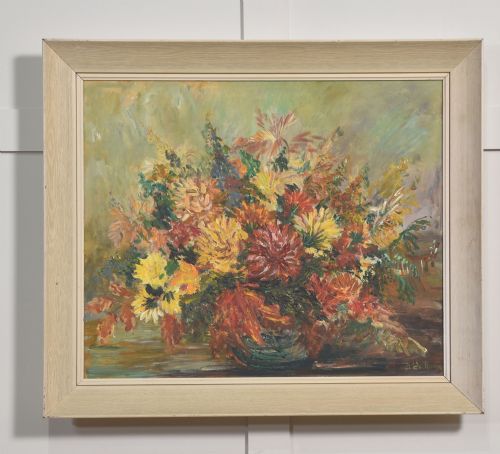
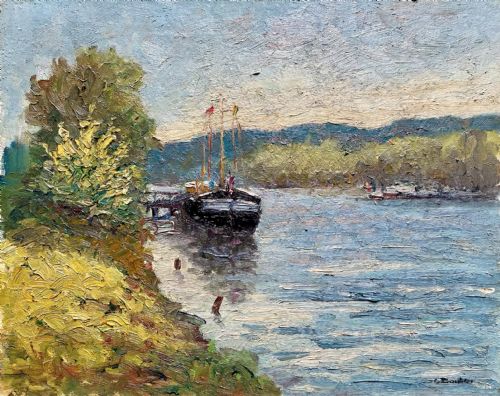
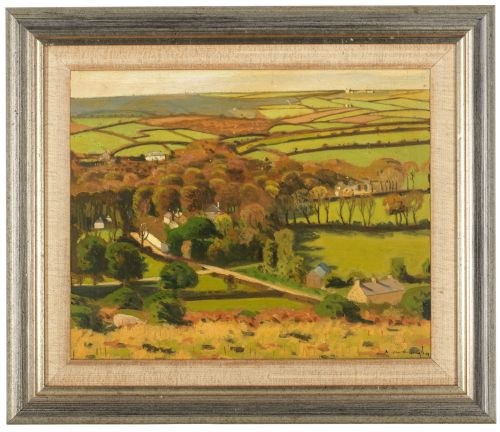
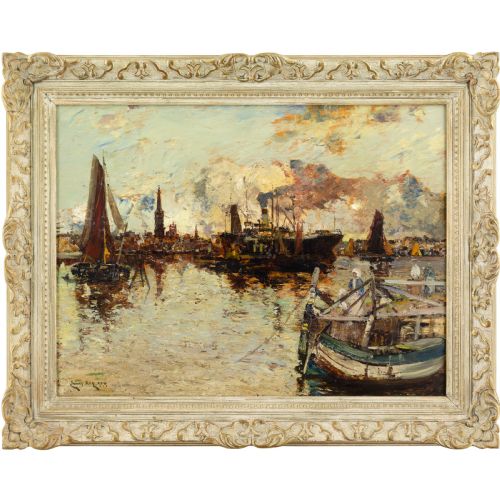
An impressionist oil on canvas piece captures fleeting atmospheric effects and natural light through painterly brushstrokes rather than tight academic finish. Buyers examine works spanning from the nineteenth century through the mid-twentieth century, including French, British, and wider European examples.
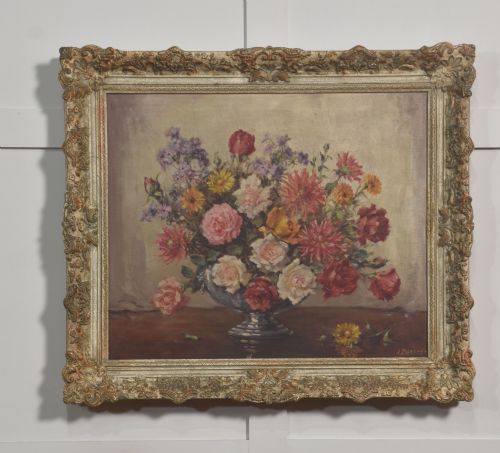
The subjects range widely across coastal views, river landscapes, urban street scenes, floral still lifes, and intimate domestic interiors. Most items originate from the early decades of the twentieth century, reflecting both plein air traditions and studio interpretations of light.
Canvases often sit within period wooden frames, sometimes finished with gilt to complement the painted palette. The selection includes both signed works by known regional painters and anonymous studies from established art schools.
How impressionist oil on canvas pieces were made
Artists applied oil paint directly to woven canvas supports, occasionally using boards or panels where the textile was mounted for stability. The pigment formulations allowed for wet-on-wet application, building up thick impasto surfaces that caught the light physically.
Makers utilised bristle brushes and palette knives to lay down broken colour, capturing transient shadows and sunshine outdoors or in the studio. Frames of wood and gilt were constructed to house the stretched canvas, protecting the edges and completing the presentation.
Several canvases capture sheep, cows, and even a hospital ship sharing quiet moments under historic skies.
What varies in quality
The strength of the composition and the confidence of the brushwork dictate the success of the piece. Superior examples demonstrate a deliberate control over tone and light, where every stroke contributes to the atmosphere of the scene rather than relying on formulaic repetition.
Condition plays a role, particularly the stability of the original canvas, the tightness of the weave, and the preservation of the paint layer against cracking or old overpainting. Original frames that match the period of the artwork add coherence to the piece.
George Graham·Clifford Hanney·Arthur Wardle·Eugène-Louis Gillot·George Houston·Herbert Royle·Robert Morson Hughes·James Kay·Augusto Alberici·Gabriel Mathieu·Arthur Gué·John Lübschitz·Lucy Pratt·Antonio DeVity·Clive Browne·Paul Bret·Konstantin Stoitzner·Emma Fordyce MacRae·Cyril Walduck Edwards·Herbert Ashwin Budd·Charles Stuart Forbes·Amédée Degreef·Andre de Moller·Henri Pacquet
The Impressionist Oil on Canvas Glossary
- Impasto
- Thick application of oil paint that stands proud of the canvas surface. This technique leaves visible brush or palette knife marks that catch physical light.
- Plein air
- Painting executed outdoors directly in front of the subject. Artists used this method to capture changing natural light and weather conditions quickly.
- Post-Impressionism
- Art style following impressionism that retains visible brushwork and vibrant colour while exploring structural form and symbolic content.
- Gilt wood
- Carved or moulded timber finished with a thin layer of gold leaf or metallic powder. These frames surround and protect many period canvases.
- Canvas
- Woven fabric stretched tightly across a wooden frame to serve as the painting support. It provides a flexible and durable ground for oil paint.
Impressionist Oil on Canvas: Frequently Asked Questions
What is an impressionist oil on canvas?
It is a painting created with oil paints on a fabric canvas support, focusing on light, colour, and atmosphere through loose brushwork.
These works record landscapes, figures, and city scenes from the nineteenth and twentieth centuries.
How should I clean my canvas painting?
Dust should be removed gently with a very soft, dry brush without applying pressure to the paint surface.
Moisture and cleaning solutions must be avoided to prevent damage to the delicate oil layers and canvas.
Are these paintings signed by the artist?
Many examples bear signatures or initials from the painter, though some remain anonymous or indistinctly signed.
Unsigned works are often attributed to specific periods or schools based on their style and technique.
Where should I hang my oil painting?
Paintings require placement away from direct sunlight, high humidity, and rapid temperature fluctuations to protect the canvas and frame.
Stable indoor wall spaces allow the colours and impasto texture to be viewed safely under ambient light.