





French Figure Oil Painting
When you search for a french figure oil painting, you enter a rich tradition of portraiture, genre scenes and classical studies spanning several centuries.
French Figure Oil Painting
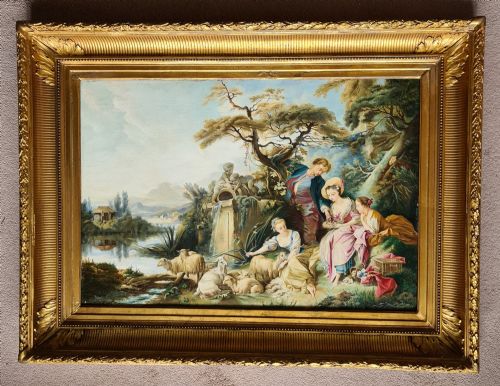
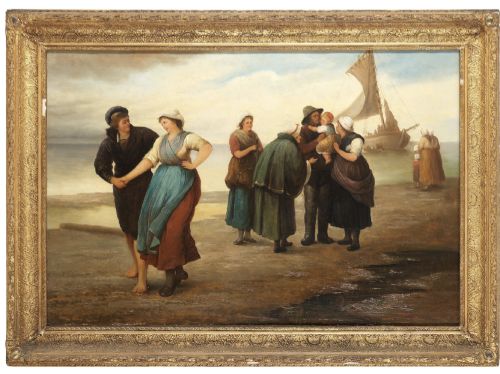
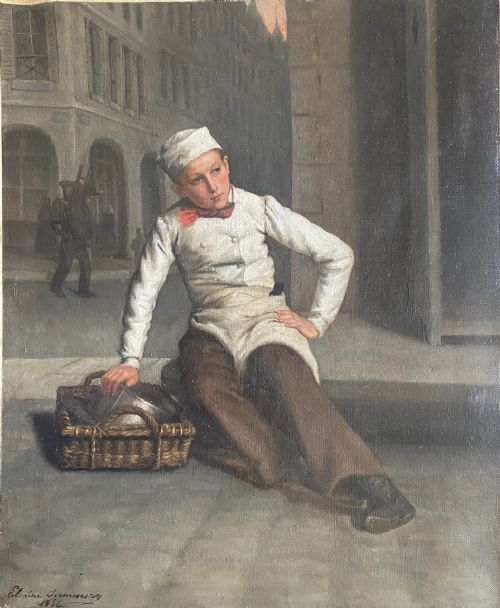
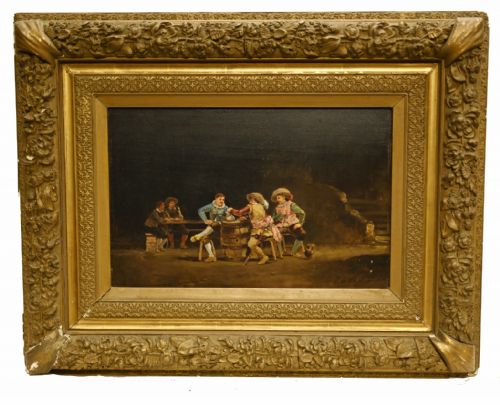
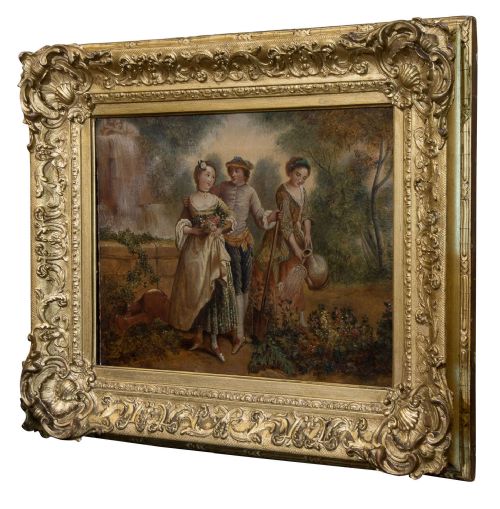
A french figure oil painting captures human subjects within settings ranging from intimate interiors and bustling urban environments to pastoral landscapes. The works on this page stretch across distinct periods, from eighteenth-century classical compositions and rococo pastoral scenes through nineteenth-century academic realism to twentieth-century modernism, Art Deco and post-impressionism.
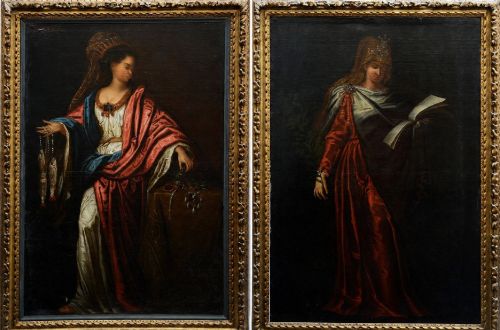
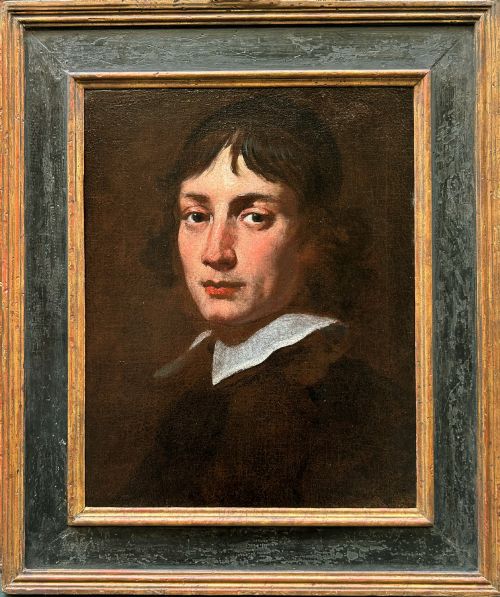
The most common formats you will encounter include oil paint applied to canvas, wood panels and board, frequently housed in period frames of gilt wood or gesso. These pieces vary widely in their execution, representing both named artists working within established French schools and anonymous regional makers.
Materials and methods
These works rely primarily on oil paint applied to prepared surfaces such as woven canvas, wooden panels and sturdy boards. Artists manipulated pigment using brushwork and layering techniques to build depth, light and shadow, occasionally employing chiaroscuro effects to heighten dramatic contrast.
Many surviving pieces retain their original or period framing, constructed from carved wood, gesso and gold leaf. These frames serve both a structural and aesthetic purpose, completing the presentation of the canvas.
Listings feature works spanning the seventeenth, eighteenth, nineteenth and twentieth centuries, executed in oil on canvas, wood panel and board.
Assessing quality
The calibre of a painting is determined by the precision of the draughtsmanship, the handling of light and anatomical proportion, and the expressive confidence of the brushwork. Masterpieces display a deliberate command of composition and mood, whether portraying a quiet interior or a dynamic landscape.
Condition also plays a role in differentiation, particularly the stability of the paint layer across canvas or wood panels and the integrity of any original gilt wood and gesso framing.
Francois Boucher·Guillaume Courtois·Honore Cavaroc·Ferdinand Victor Leon Roybet·Antoine Calbet·Gaetan Dumas·Jean-Antoine Watteau·Jean Hippolyte Marchand·Pinchus Kremegne·Paul Viry·Leon Joseph Voirin·Frederick Bartman·Antoine Bouvard·Jules Girardet·Auguste Renoir·Gaston Bouy·Pierre Grisot
The French Figure Oil Painting Glossary
- Chiaroscuro
- The strong contrast between light and dark within a painting, used to create volume and dramatic focus upon the figures.
- Genre painting
- The pictorial representation of scenes from everyday life, featuring ordinary people engaged in common activities.
- Gesso
- A plaster-like mixture applied to wood or canvas as a base for painting or for moulded decorative elements on frames.
- Impressionism
- A nineteenth-century movement characterised by relatively small, thin yet visible brush strokes and an emphasis on accurate depiction of light.
French Figure Oil Painting: Frequently Asked Questions
How do I date a french figure oil painting?
Dating relies on stylistic markers, clothing fashions of the depicted figures, and the physical materials of the canvas and frame. Signatures, inscriptions and exhibition labels on the reverse also provide clues.
Comparison with documented works from specific movements, such as Barbizon landscapes or Art Deco compositions, helps narrow the production window.
Where should I hang these paintings?
These artworks suit traditional and contemporary spaces alike, provided they are kept away from direct sunlight and excessive humidity. Wall placement should consider the weight of the piece and the presence of any heavy gilt wood frame.
Lighting should be subtle to avoid glare on the varnished oil surface while accentuating the brushwork and subject matter.
What is the difference between academic and impressionist works?
Academic paintings follow strict rules of proportion, finish and classical subject matter promoted by official art academies. Impressionist and post-impressionist works prioritise transient effects of light and looser brush applications.
Both approaches yield distinct figure studies reflecting the shifting aesthetic priorities of their respective eras.
Are these paintings signed by the artist?
Some pieces bear visible signatures, monograms or studio stamps, while others are attributed to broader French schools or created in the manner of notable masters. Unsigned works are evaluated based on technique, subject matter and period characteristics.
Archival records, Salon exhibition history and stylistic parallels often assist in identifying unsigned hands.