
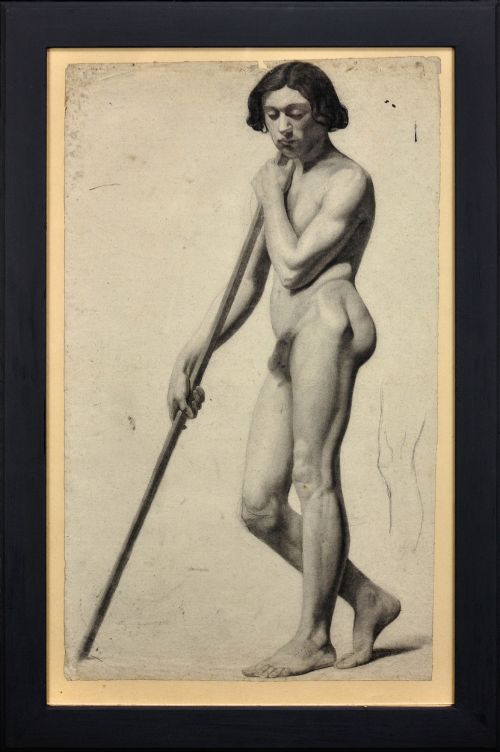


Original French Portrait Artwork
Original french portrait artwork brings the distinctive character of continental sitters and academic draughtsmanship straight to the wall.
Original French Portrait Artwork
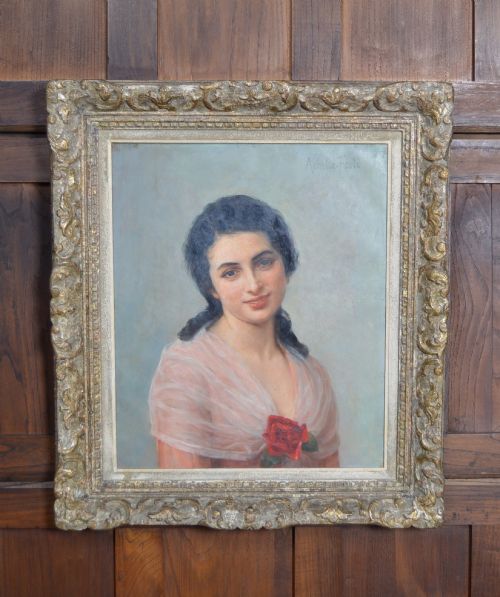
When searching for original french portrait artwork, buyers encounter a diverse selection of hand-rendered depictions spanning the nineteenth and twentieth centuries. These pieces capture individual likenesses through various interpretations, ranging from strict academic studies to avant-garde compositions.
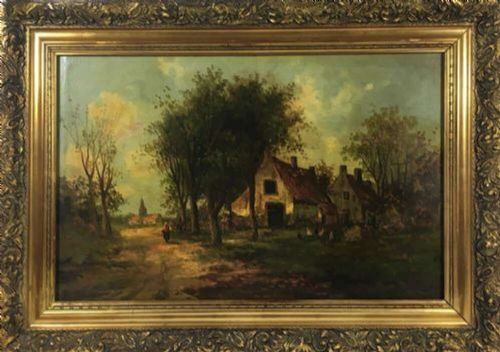
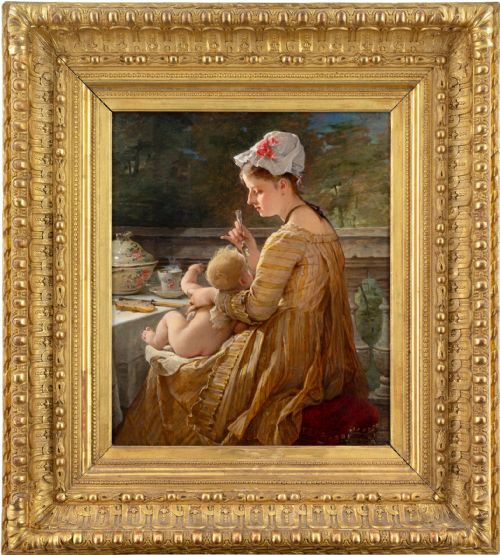
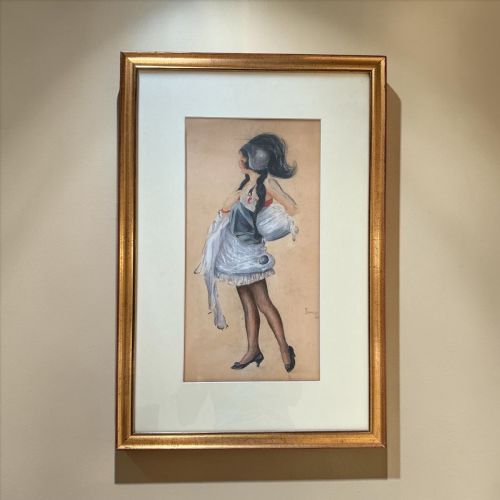
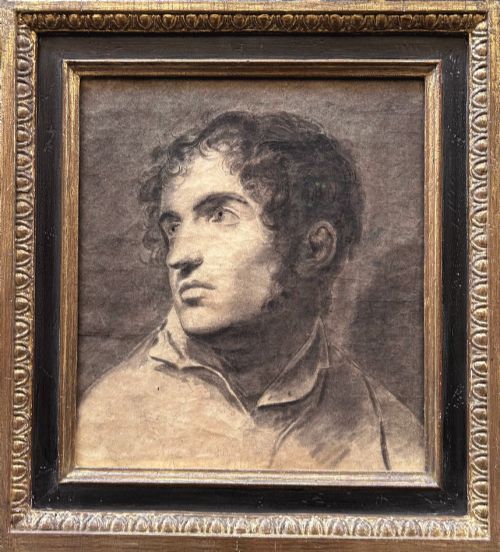
The selection on this page relies heavily on works originating from France, encompassing traditional oil paintings on canvas alongside delicate chalk, graphite, and charcoal drawings on paper. Such works reflect the evolving aesthetic priorities of French artistic circles across successive decades.
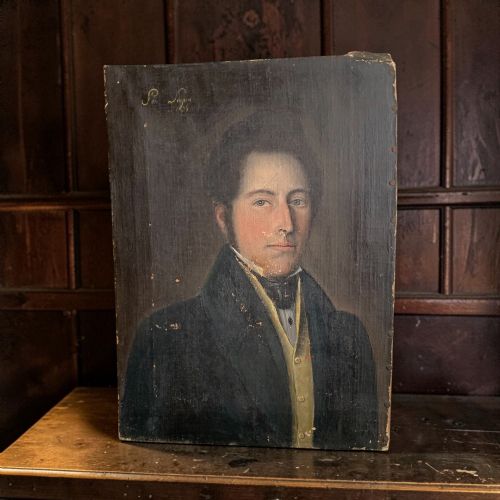
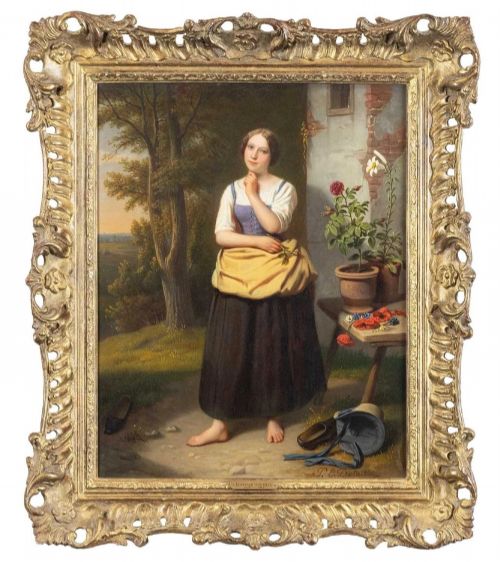
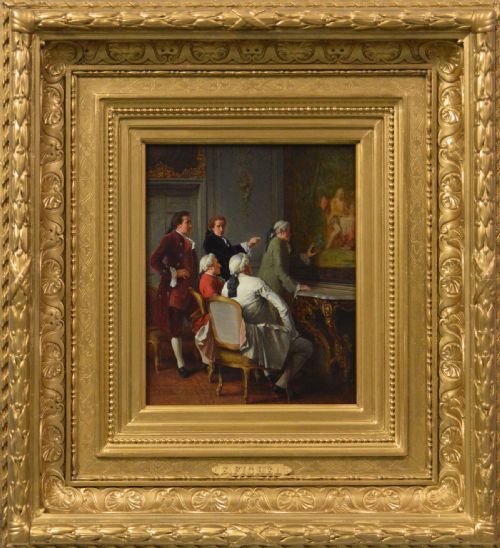
Subjects range from formal portrayals of gentlemen and young ladies to intimate life studies, nudes, and genre scenes. Buyers frequently find works rooted in nineteenth-century academic realism alongside later modernist and post-impressionist expressions.
How they were made
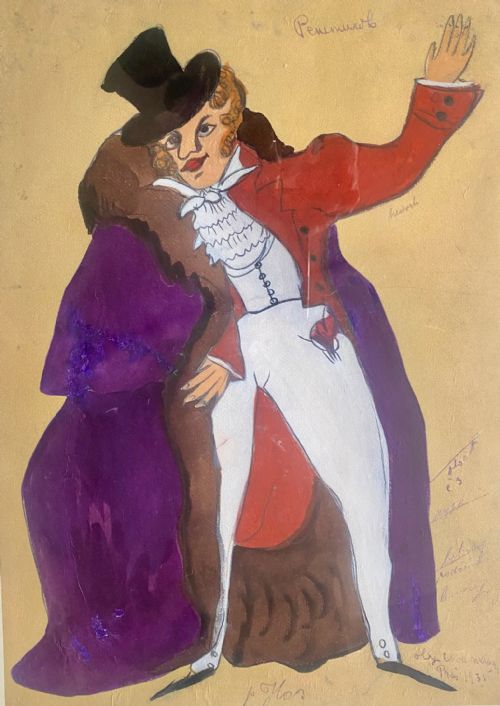
The physical construction of these works depends primarily on traditional pigments applied to prepared canvas, wooden panels, or heavy paper. Artists utilised oil paint, gouache, pastel, and charcoal to build depth, texture, and tonal contrast within each composition.
Framing often incorporates original giltwood or decorative surrounds that complement the period of the artwork. Drawn works employ graphite and chalk to achieve delicate shading, while painted examples rely on layered oil applications to define form and light.
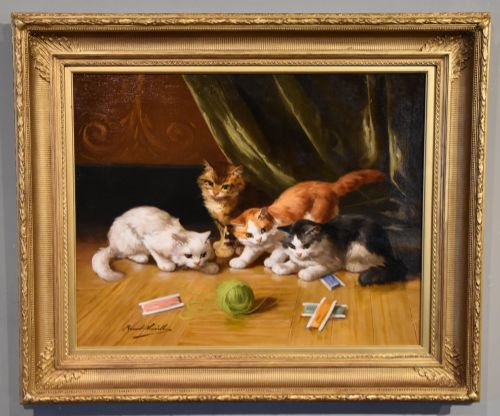
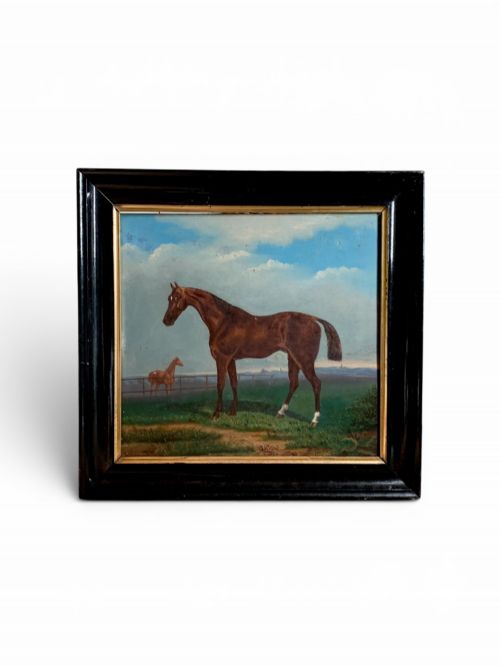
Several portraits capture domestic animals alongside their human companions, recording the presence of cherished household pets from past centuries.
What varies in quality
The distinction between average and exceptional pieces rests upon the surety of the draughtsmanship and the expressive capability of the brushwork. Masterful handling of light and shadow transforms a standard likeness into a compelling psychological study.
Compositional balance and the preservation of the original surface material also determine the standing of a piece. Works that retain their initial vibrancy without heavy intervention command greater appreciation among collectors.
Adelaïde Salles-Wagner·Alfred Arthur Brunel de Neuville·Louis Icart·Henry Arthur Roberts·Henri Vincent-Anglade·Pinchus Krémègne·Mariette Lydis·Jean Denis Maillart
The Original French Portrait Artwork Glossary
- Academic Realism
- A style of painting and sculpture produced under the influence of European academies of art, prioritising accurate anatomy and classical proportions. This approach ensures precise depiction of the human form.
- Barbizon School
- A part of an art movement towards realism in art, rooted in the French countryside near the village of Barbizon. Painters here focused on landscapes and rustic scenes.
- Giltwood
- Wood that has been covered with a thin layer of gold leaf or gold paint. This technique enhances frames and decorative objects.
- Gouache
- A water-based paint consisting of pigment and other inert material designed to be used in an opaque painting method. It offers flat, vibrant areas of colour.
Original French Portrait Artwork: Frequently Asked Questions
How do I date a French portrait?
Dating relies on stylistic markers, clothing fashions of the sitter, and framing techniques. Signatures and dated inscriptions left by the artist offer the most direct evidence.
Examining the reverse of the canvas or panel often reveals gallery stamps, exhibition labels, or handwritten notes from the period of creation.
Are these portraits unique pieces?
Every item listed under original french portrait artwork is a one-off, hand-produced creation rather than a modern reproduction. Artists executed each painting or drawing directly onto the support.
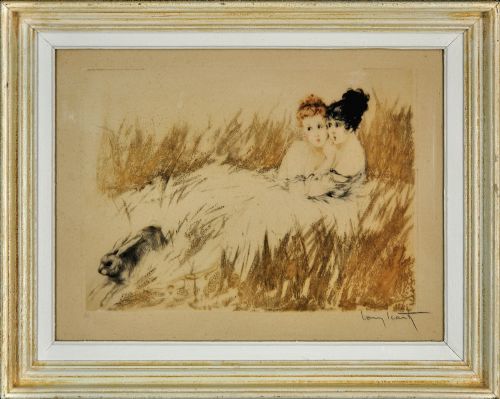
Even within graphic works, unique drawings and hand-coloured etchings stand as singular artistic expressions rather than mass-produced prints.
How should I hang and light them?
These works require placement away from direct sunlight to prevent the fading of sensitive pigments on canvas and paper. Controlled wall lighting highlights the texture of oil paint and charcoal without generating excessive heat.
Maintaining stable room humidity helps preserve organic materials like wood panels and paper supports over time.
What distinguishes academic art?
Academic art follows strict rules of composition, proportion, and subject matter taught by official European art academies. Artists working in this manner displayed rigorous technical skill in rendering anatomy and narrative detail.
This disciplined approach contrasts with later avant-garde movements that prioritised abstraction and personal emotional expression.