
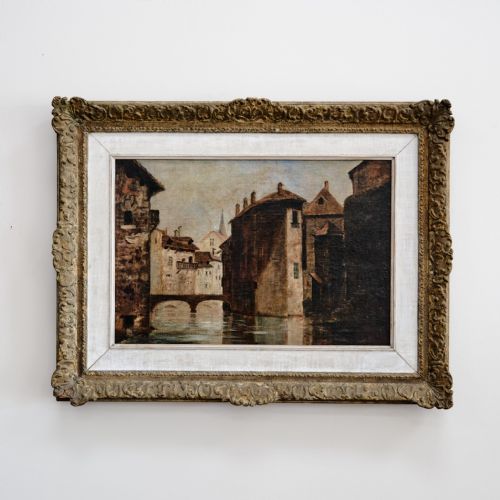
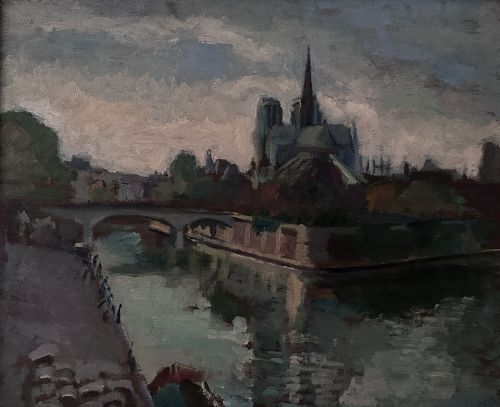
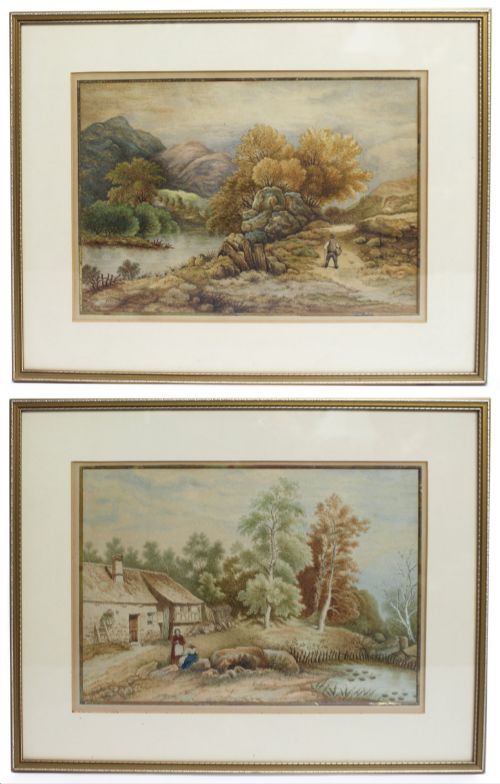
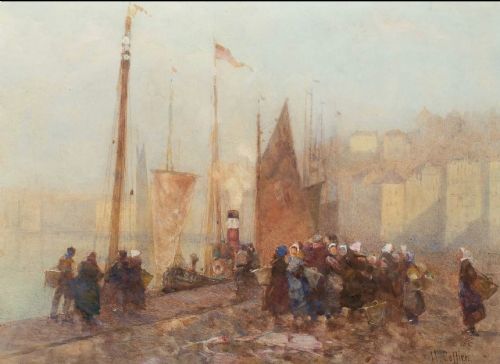
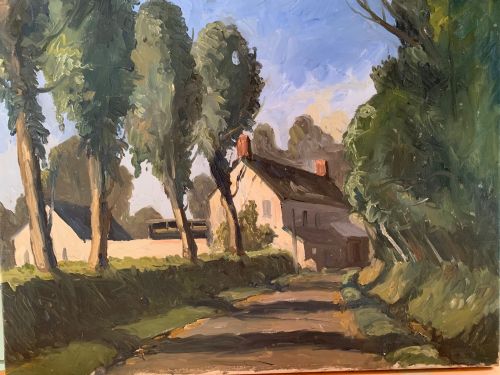

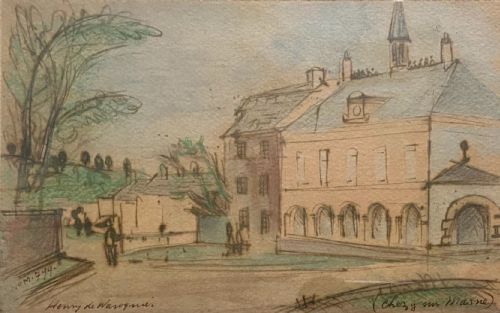
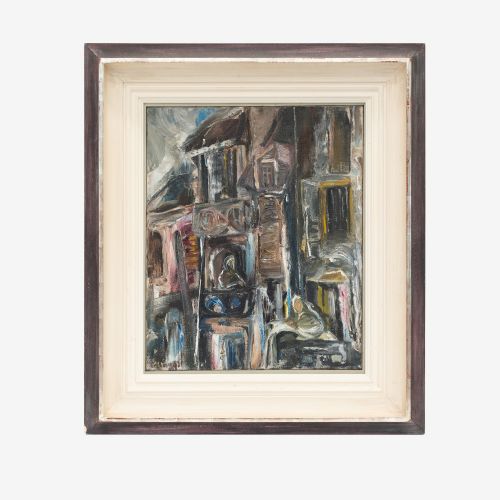
Original French Landscape
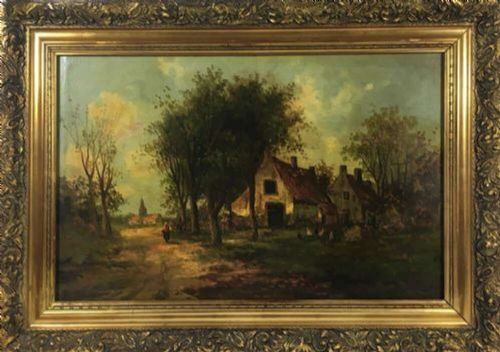
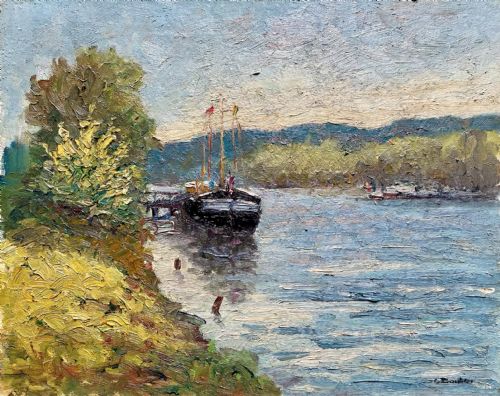
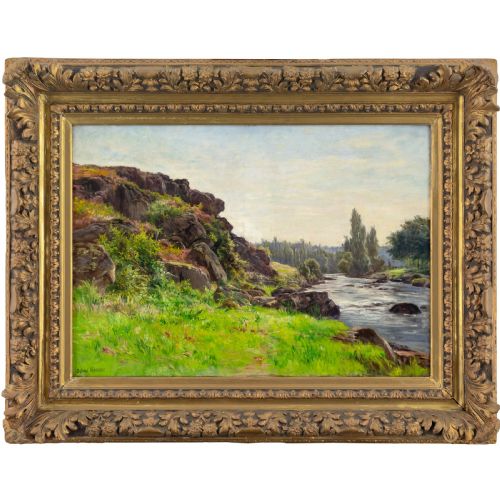
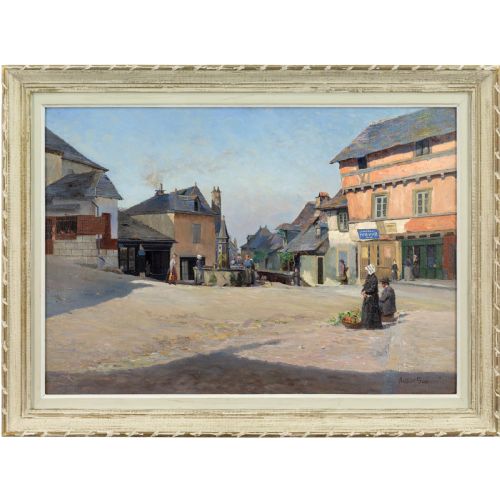
An original french landscape brings the quiet rural charm and luminous light of rural France directly into a room through historic paint and paper.
Original French Landscape
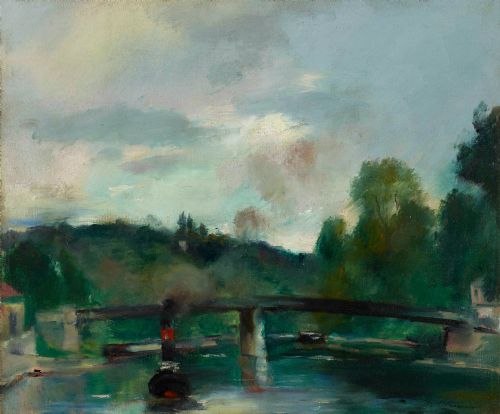
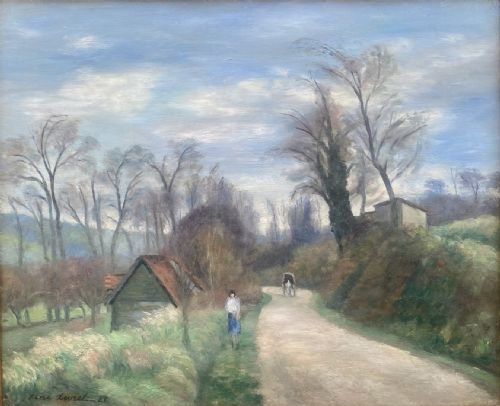
When searching for an original french landscape, collectors encounter works executed across the nineteenth and twentieth centuries, capturing rural vistas, riverbanks, and coastal scenes. The selection ranges from Barbizon school farmyards to mid-century impressionist views of Normandy, Paris, and Brittany.
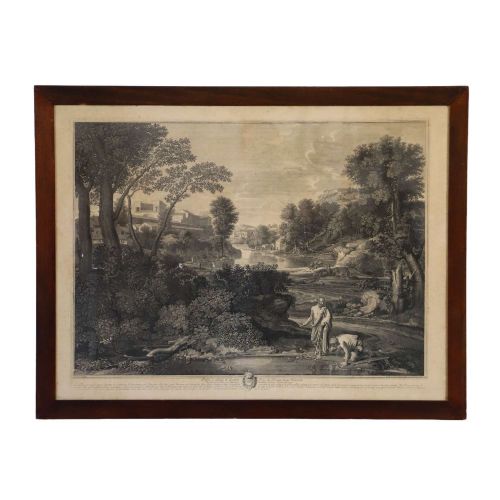
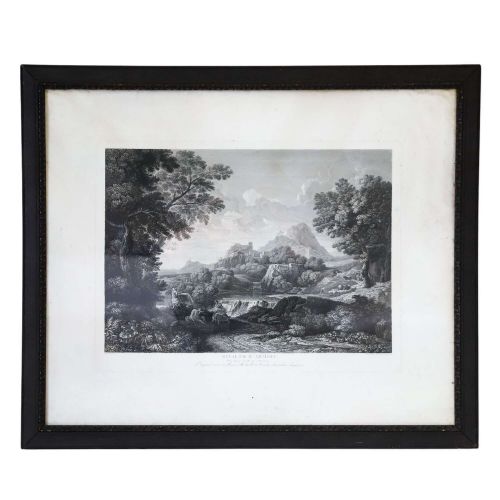
The dominant forms on this page are oil paintings on canvas and panel, alongside delicate watercolours, ink drawings, and period engravings. These artworks document the changing topography of the French countryside through the eyes of regional painters and continental schools.
Materials and Technique
Artists painted primarily with oil paint on stretched canvas, wooden panels, or heavy paper, utilising brushwork that varies from tight academic precision to loose impressionist dabs. Watercolours and gouache appear frequently on paper supports, often framed beneath protective glass within period gilt wood and gesso mouldings.
Support materials shifted over time from heavy wooden panels and stretched linen towards portable canvas boards during the twentieth century. Pigments were applied directly en plein air or developed within studio settings, preserving the atmospheric light of specific French locales.
Determinants of Quality
Quality rests upon the confidence of the brushwork, the handling of natural light, and the compositional balance within the frame. Stronger examples capture atmospheric depth and topographic immediacy rather than relying on formulaic repetition.
The integrity of the original surface, the preservation of the pigments, and the presence of a period-appropriate or original frame contribute significantly to the standing of an artwork. Provenance and legible artist signatures further distinguish archival pieces.
Gabriel Mathieu·Arthur Gué·Henri Ottmann·Paul Désiré Trouillebert·Henry de Waroquier·Honore Cavaroc·Charles Clair·Henri Jaques Delpy·Paul-Jean Anderbouhr·Gaston Cornil·Raymond Moritz·Louis Suire·Gustave Vidal·Jean-Baptiste Olive·William Lee Hankey·André Prévot-Valéri·Gabriel Dauchot·Mario Pinetti
The Original French Landscape Glossary
- Barbizon School
- A nineteenth-century French art movement dedicated to naturalistic landscape painting. Artists of this circle worked directly from nature, focusing on rural realism and atmospheric skies.
- Plein air
- The act of painting outdoors to capture the actual light and transient qualities of a scene. This method became central to impressionist and post-impressionist landscape artists.
- Gouache
- An opaque water-based paint that dries to a matte finish. It is frequently combined with watercolour on paper to build denser areas of colour.
- Provenance
- The documented history of ownership of an artwork. A traceable record helps confirm authenticity and historical background.
Original French Landscape: Frequently Asked Questions
What periods do these landscapes cover?
The available artworks span from the eighteenth century through the nineteenth century and deep into the mid-twentieth century. This timeline covers the Barbizon school, impressionism, and post-impressionism.
Each era brings distinct approaches to colour, brushwork, and the depiction of light across French rural and urban settings.
How do I identify a regional French landscape?
Signatures, exhibition labels on the reverse, and distinct regional subjects such as the cliffs of Normandy or boats in Breton harbours provide primary clues. Stylistic markers connect the canvas to known French artistic movements.
Framing materials and written inscriptions on stretcher bars also help pinpoint the geographic and temporal origins of the piece.
Are these paintings supplied in original frames?
Many listings include period wooden frames, carved gesso mouldings, or original gilt surrounds dating from the creation of the artwork. These housings complement the aesthetic of the period.
Buyers should examine listing descriptions to confirm whether the artwork retains its historic frame or has been remounted later.
How should I care for an antique oil painting?
Oil paintings on canvas or panel require stable indoor humidity and protection from direct sunlight to prevent pigment degradation. Keeping the surface free of dust using a soft dry brush preserves the paint layer.
Avoid hanging historic watercolours in bright direct light, as paper and water-based pigments fade more rapidly than oil.