


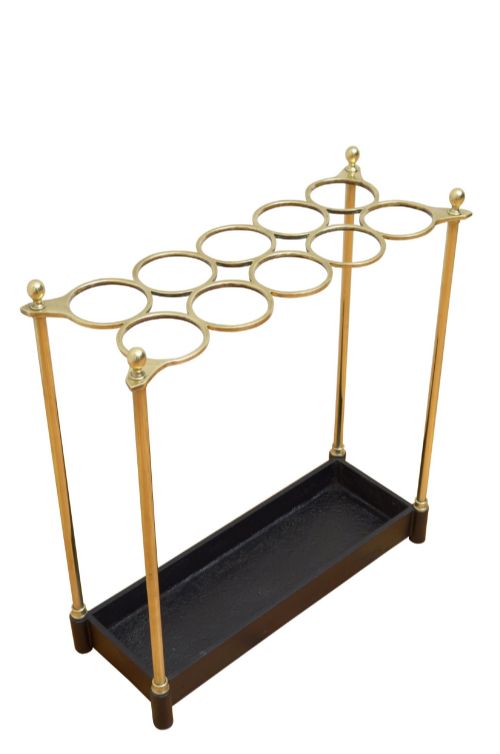
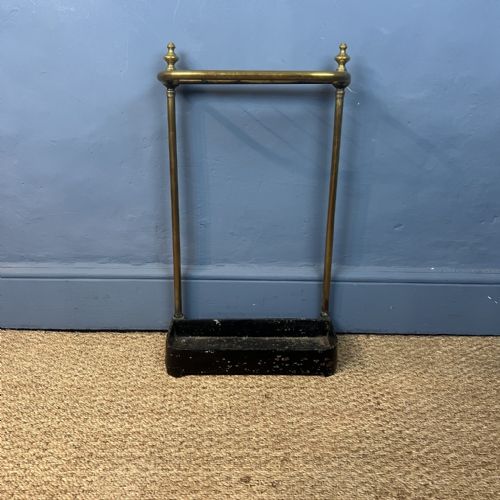
Vintage Cane Umbrella Stand
A vintage cane umbrella stand brings practical structure to a hallway while displaying the character of past decades.
Vintage Cane Umbrella Stand
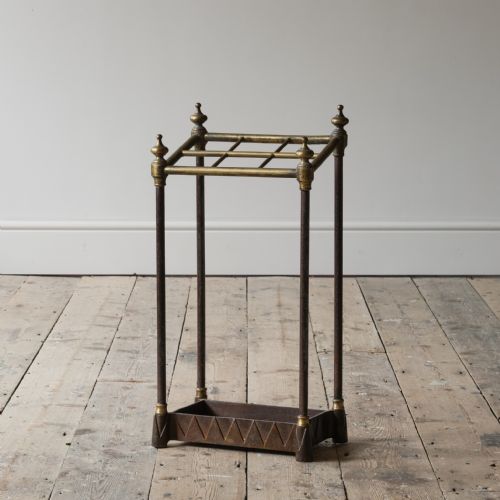
When searching for a vintage cane umbrella stand, buyers encounter a functional hallway furnishing designed to hold walking sticks, canes and umbrellas. These objects emerge from various periods spanning the nineteenth and twentieth centuries.
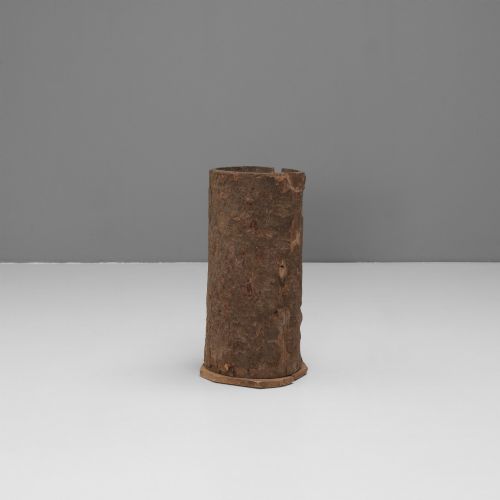
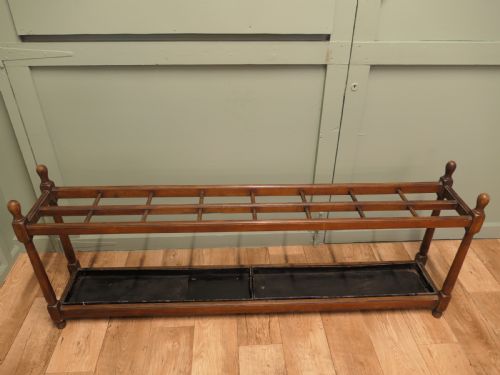
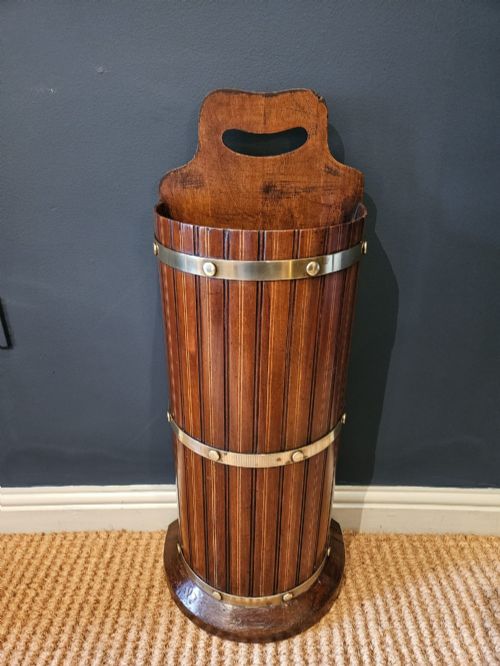
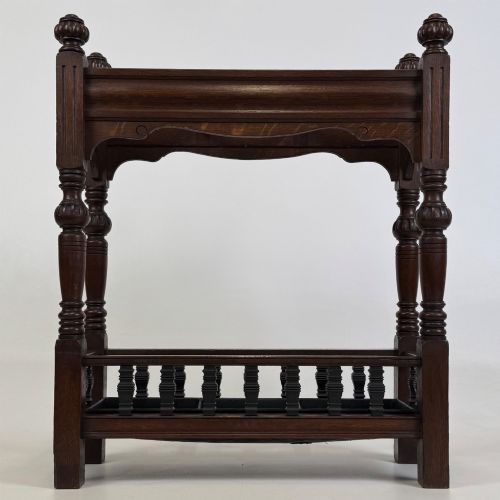
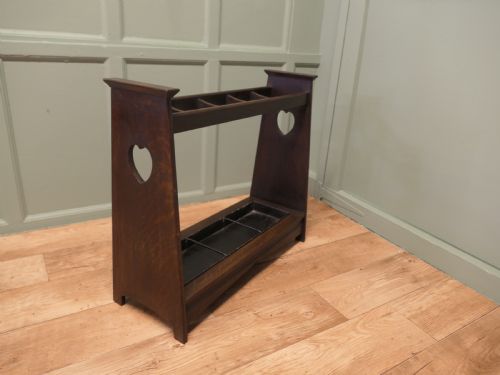
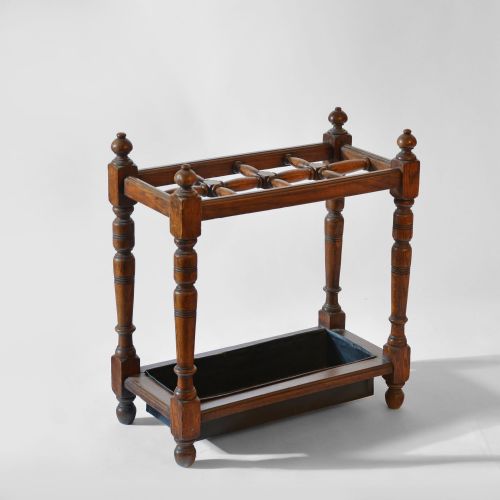
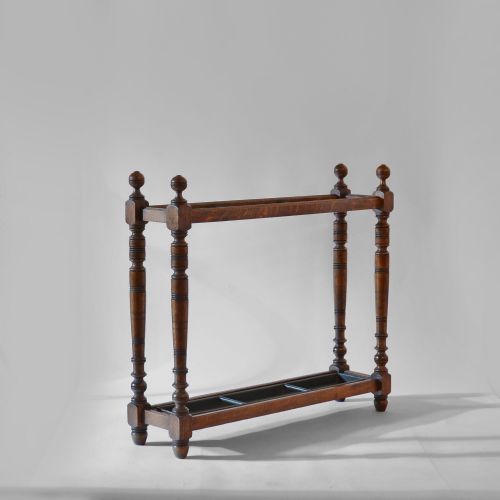
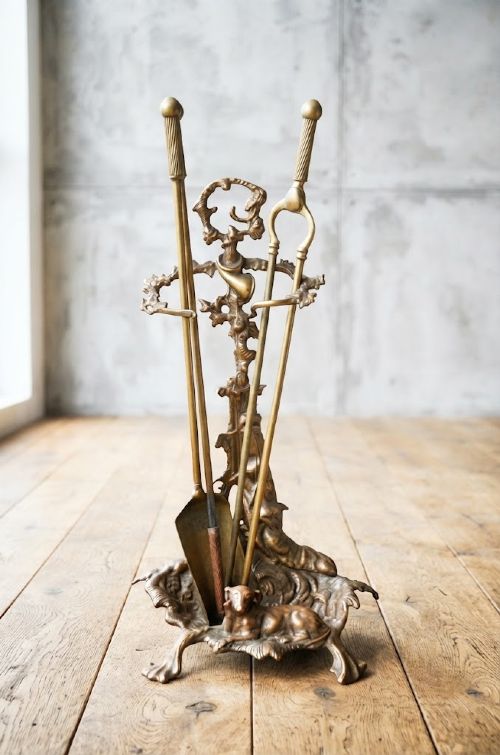
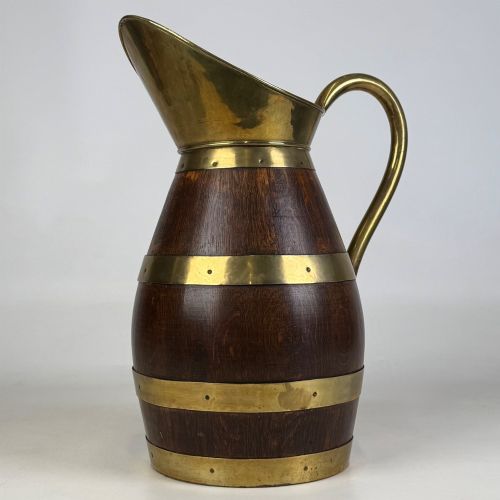
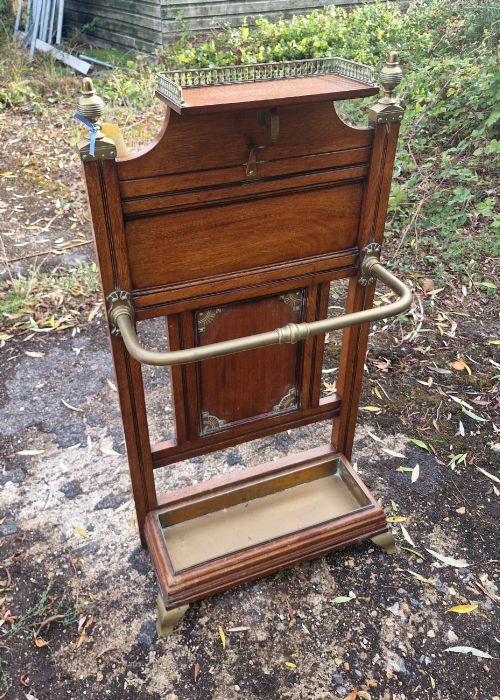
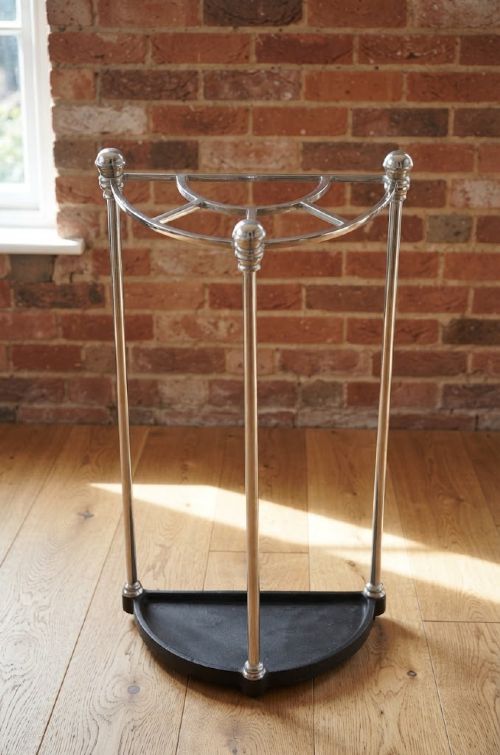
The selections on this page predominantly present oak and brass construction, often taking the form of upright cylinders, barrels or semi-circular frames. Many examples incorporate metal drip trays at the base to catch moisture from wet items.
Pieces frequently align with design movements such as the Arts and Crafts style, Aesthetic Movement or Art Nouveau. Forms range from compact corner units to substantial hall stands integrating umbrella storage.
Assessing Quality and Merit
Quality rests upon the integrity of the primary materials and the original retention of functional hardware. The presence of a matching, period metal drip tray significantly elevates a piece's authenticity and utility.
Casting crispness and the complexity of decorative metalwork distinguish superior cast iron and brass stands from simpler utilitarian output. Joinery standards in wooden examples, particularly coopered barrels and framed oak stands, demonstrate the maker's skill.
Among the heavy ironwork, one cast iron stand takes the surprising form of a Victorian footballer ready to guard your walking sticks.
Coalbrookdale·Thonet·Heals of London
The Vintage Cane Umbrella Stand Glossary
- Demi-lune
- A half-moon shape used for umbrella stands designed to sit flat against a hallway wall. This profile saves floor space in narrow corridors.
- Coopered
- Construction method utilising tapered wooden staves bound by metal hoops, similar to barrel making. This technique appears in wooden stick stands.
- Japanning
- A European imitation of East Asian lacquer work applied to furniture surfaces. It provides a dark, glossy finish found on certain period stands.
- Faux bois
- An artistic imitation of wood texture applied to other materials such as cast iron. This finish mimics natural branches or bamboo.
- Drip tray
- A removable metal basin placed at the base of a stand to catch water from wet umbrellas. Original trays add considerable merit to a piece.
Vintage Cane Umbrella Stand: Frequently Asked Questions
How do I clean a brass umbrella stand?
Clean brass components with a soft cloth and mild soapy water to remove dust and surface grime. Avoid harsh abrasive cleaners that strip the natural patina accumulated over decades.
Dry the metal thoroughly after cleaning to prevent water spotting. Preserving the aged finish maintains the character expected in a period furnishing.
Where should I place a stick stand?
Position the stand near the primary entrance of a home for practical daily use. Hallways and porches provide natural locations for dropping off walking sticks and umbrellas.
Ensure the floor surface tolerates occasional moisture if the stand lacks an intact drip tray. Placing the unit against a flat wall or in a corner optimises spatial arrangement.
How do I identify an Edwardian umbrella stand?
Edwardian stands often feature lighter oak timbers and simpler geometric lines compared to heavier Victorian counterparts. Brass appointments and demi-lune profiles are common during this era.
Construction methods reflect early twentieth-century industrial capabilities while retaining traditional joinery. Design influences from the Arts and Crafts movement frequently appear in these pieces.
What is the difference between a stick stand and a hall stand?
A stick stand functions primarily to hold walking sticks, canes and umbrellas in a compact footprint. These pieces consist solely of the container frame and base.
A hall stand is a larger piece of furniture that combines umbrella storage with coat hooks, a mirror and sometimes a glove drawer. They serve as multi-functional entryway storage units.