


Vintage Cane Back Seating
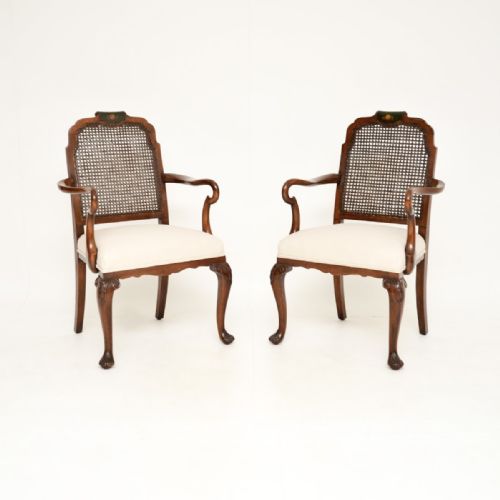
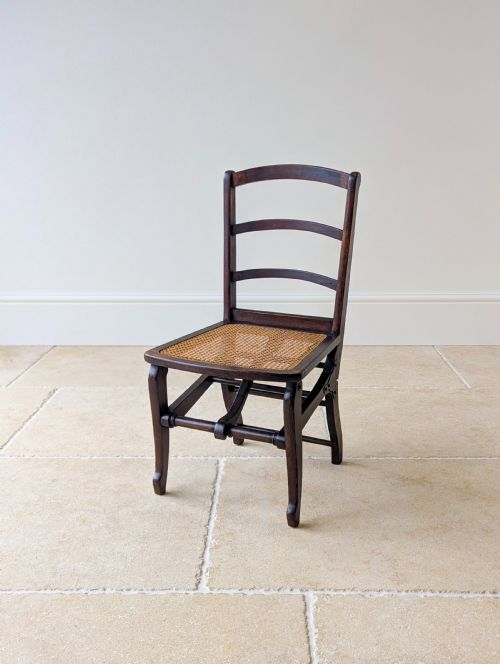
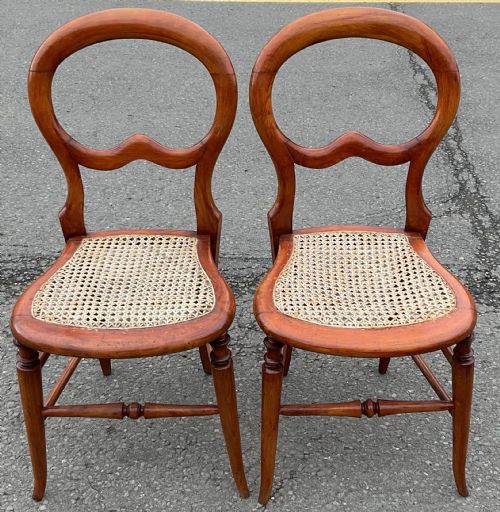
Vintage cane back seating brings texture and heritage to a room through woven panels framed in rich timbers.
Vintage Cane Back Seating
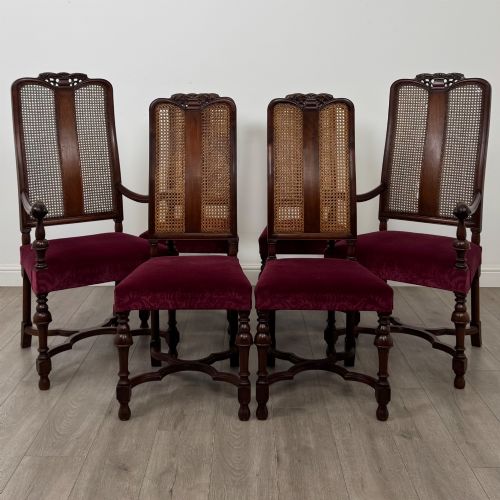
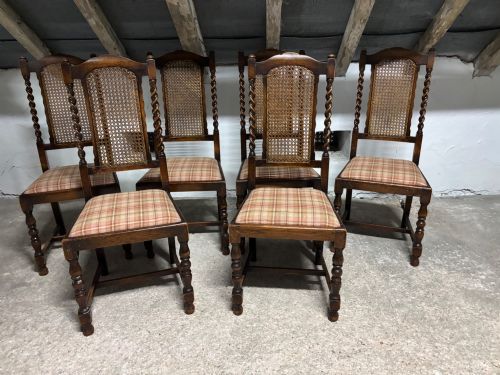
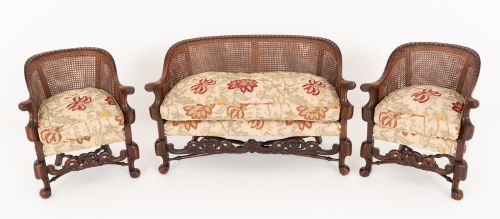
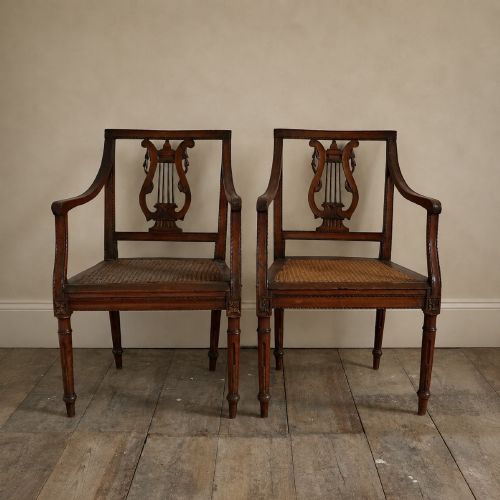
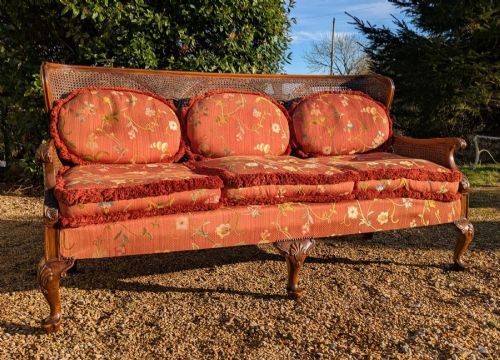
Vintage cane back seating encompasses a broad spectrum of chairs, sofas, and settees produced across the nineteenth and twentieth centuries, including revival styles that emulate earlier epochs. When exploring vintage cane back seating, buyers encounter diverse forms ranging from single armchairs and bedroom chairs to full dining suites and expansive bergere sofas.
The materials span sturdy hardwoods like mahogany, oak, walnut, and teak, paired with woven cane work and occasionally accented with leather, fabric, brass, or cushions. Pieces originate from various design traditions, including Regency, Edwardian, Victorian, Jacobean Revival, and Anglo-Indian colonial workshops.
Materials and construction
Frames rely on dense timbers such as mahogany, oak, walnut, rosewood, and satinwood, frequently shaped through turning, carving, or ebonising. Joinery methods reflect traditional cabinet-making standards appropriate to each period, ensuring structural stability for the timber chassis.
The defining woven component utilises natural cane threaded through frame drillings or fitted into channels. Artisans combine this basketry technique with solid wood structures, sometimes incorporating feather cushions or brass fittings for added comfort and utility.
Listings feature woods including mahogany, oak, walnut, beech, rosewood, satinwood, and teak across various nineteenth and twentieth-century periods.
Distinctions in quality
Quality differentiates itself through the crispness of timber carving, the selection of figured veneers or solid woods, and the tightness of the woven cane mesh. Superior examples display harmonious proportions and refined detailing across secondary elements like turned legs or carved back rails.
The integrity of the frame construction and the preservation or execution of the woven panels dictate the overall standard of a piece. Finer seating maintains balanced weight distribution and robust joinery that withstands daily use.
Waring & Gillow·Thonet·Dryad of Leicester·Gillows
The Vintage Cane Back Seating Glossary
- Bergere
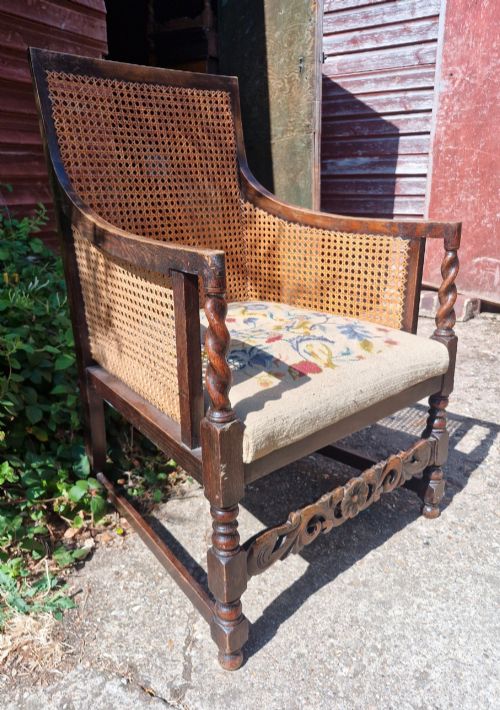
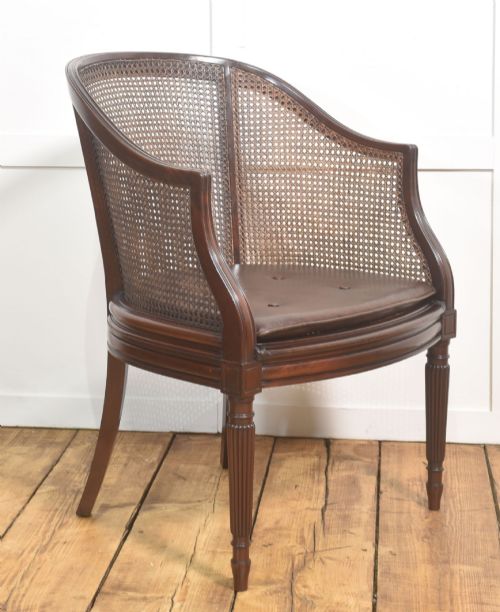
- An enclosed upholstered armchair with wooden framing, often featuring cane panels to the back and sides. This French seating form gained popularity in various revival periods.
- Cane
- Strips of peeled rattan woven into a patterned mesh for chair backs and seats. It offers a resilient, breathable surface.
- Ebonising
- The process of treating light timber to resemble ebony. Makers used this finish to achieve a dark, uniform surface on chairs and furniture.
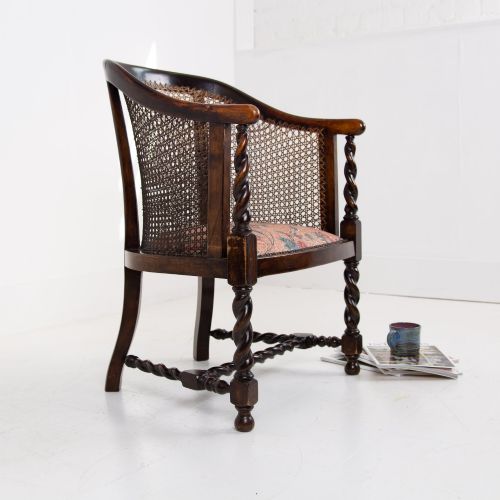
- Barley twist
- A decorative turning technique resembling a twisted rope. This detail frequently appears on the legs and stretchers of seventeenth-century style chairs.
Vintage Cane Back Seating: Frequently Asked Questions
How do I care for vintage cane?
Natural cane benefits from occasional gentle cleaning with a damp cloth to maintain its moisture balance and prevent brittleness.
Avoid placing these pieces near direct heat sources or in overly dry environments, which can cause the woven material to crack.
Can broken cane panels be repaired?
Skilled restorers can re-weave damaged sections or replace entire panels using traditional hand-caning techniques.
Matching the pattern and tension of the original weave preserves the historical integrity of the furniture.
Were these chairs used for dining?
Many examples are designed specifically as dining chairs, often found in matching sets of four, six, or more.
Armchairs and larger bergere models served as occasional seating in libraries, drawing rooms, and bedrooms.
How do I identify a revival piece?
Revival furniture borrows design characteristics from earlier eras, such as Carolean, Jacobean, or William and Mary styles, while utilising nineteenth or twentieth-century construction methods.
Examination of timber ageing, tool marks, and secondary woods helps determine the actual manufacturing period.