

Vintage Candlesticks
Vintage candlesticks bring tactile warmth and period weight to a room, ranging from simple brass shafts to ornate silver-plated candelabras.
Vintage Candlesticks
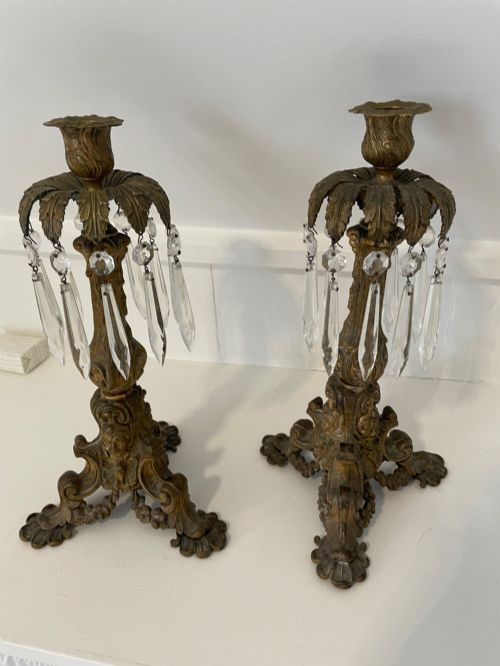
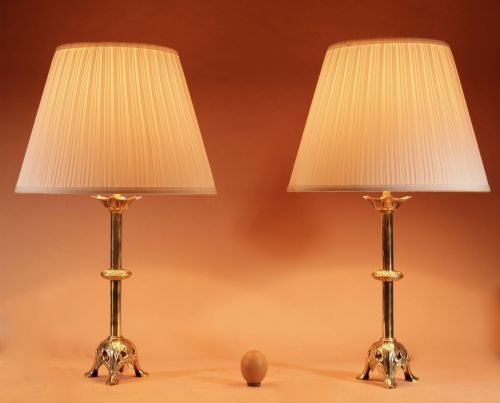
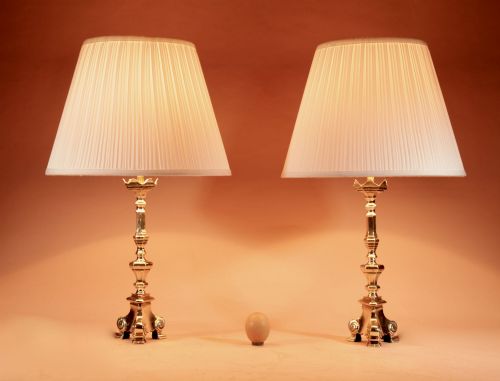
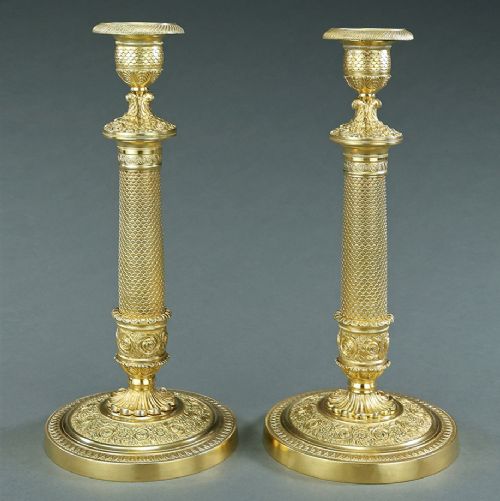
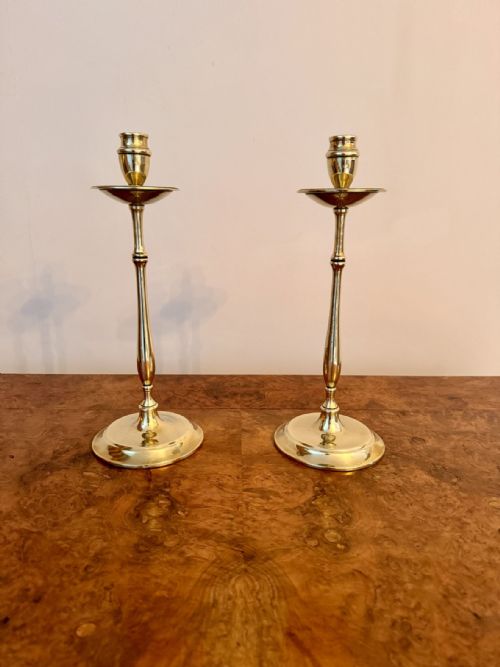
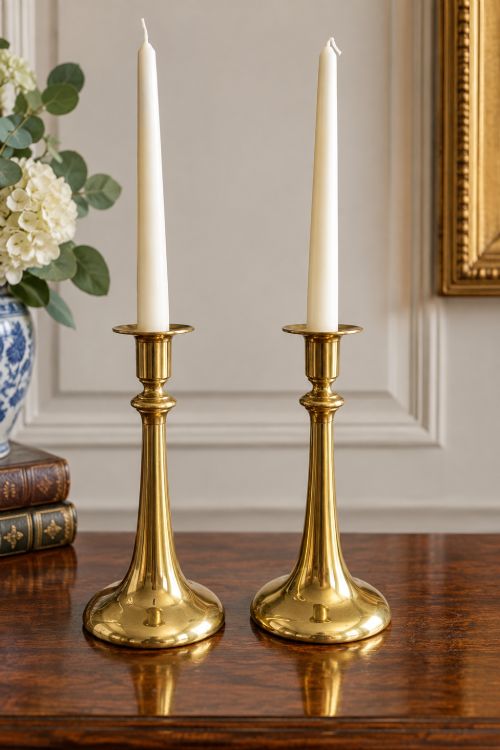
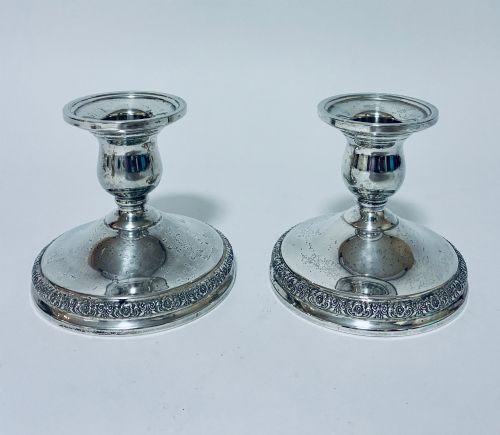
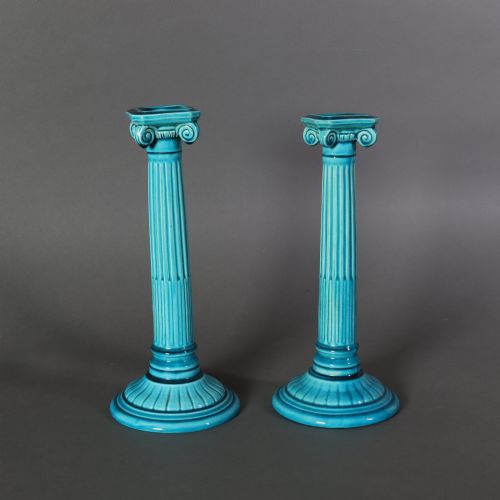
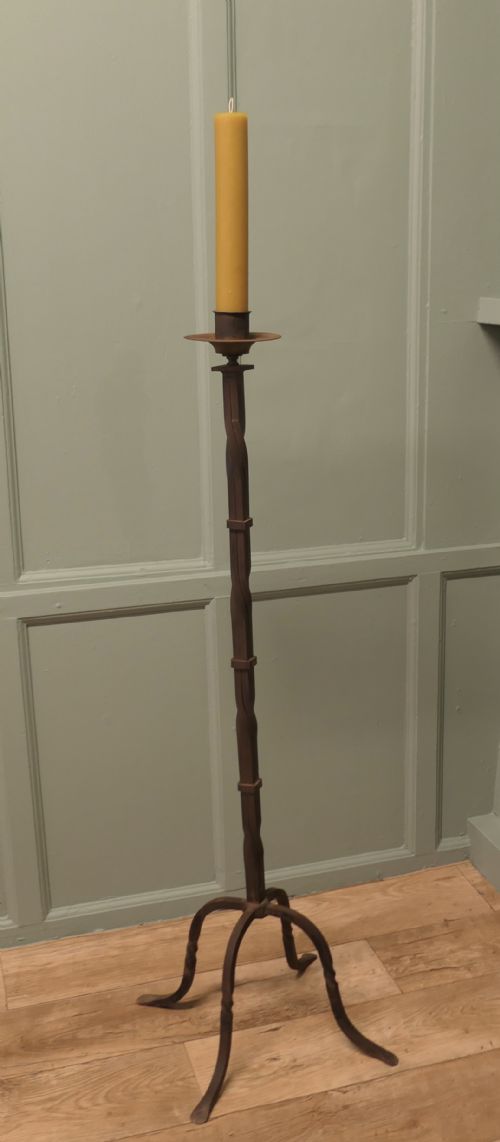
Vintage candlesticks encompass everything from slender domestic brass holders to heavy church altar pieces and silver-plated candelabras spanning the nineteenth century through the mid-twentieth century. The selection here leans heavily towards sturdy brass and silver plate, alongside wrought iron, sterling silver, pottery, and occasional wood forms.
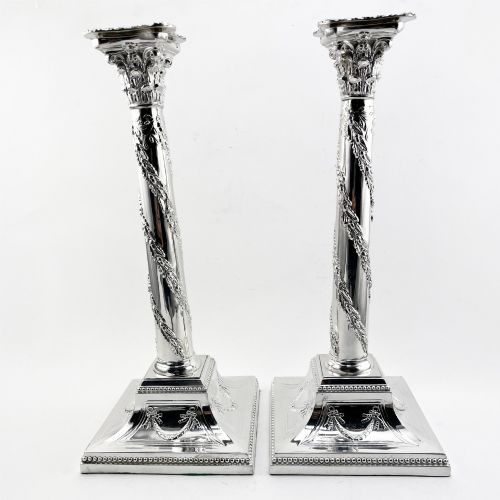
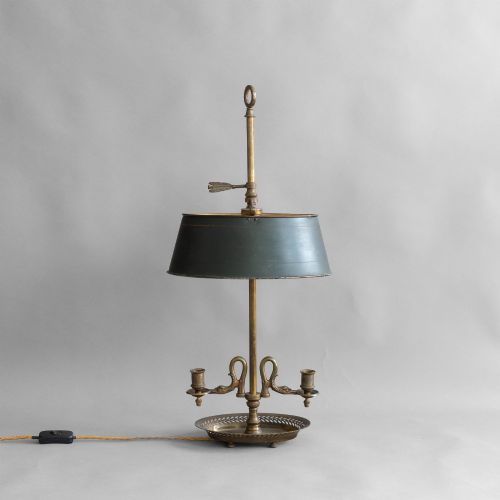
Makers and designers embraced diverse historical revivals and modern movements, producing items in Gothic, Georgian, Neoclassical, French Rococo, Art Nouveau, and Art Deco styles. Buyers encounter matched pairs, desk chambersticks, wall sconces, and taller floor or church candlesticks designed for multiple lighting needs.
Judging Quality
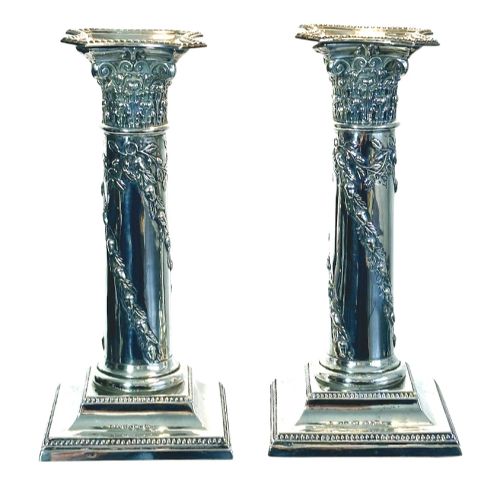
Quality rests upon the crispness of the casting and the depth of the chased surface ornament, where sharp lines and defined motifs distinguish superior work from soft, worn reproductions. Weight serves as another indicator, as solid brass and substantial silver plate feel dense and balanced in the hand.
The integrity of construction matters significantly, separating mass-produced items from finely assembled pieces with tight joints, original bobbins, and well-fitted sockets. Maker marks and silver hallmarks add historical weight, confirming origin and standard of metal.
Vintage Candlesticks Retail Price Guide 2026
Typical asking prices for vintage candlesticks among the pieces listed under this phrase on Sellingantiques today, from the lower quarter to the upper quarter. They describe what is for sale here now, not the wider market.
The listings span several metal types, dominated by brass and silver plate alongside bronze, sterling silver, and wrought iron.
Burmantofts Faience·WMF·Mappin & Webb·Nymphenburg·Geoffrey Bellam
The Vintage Candlesticks Glossary
- Candelabra
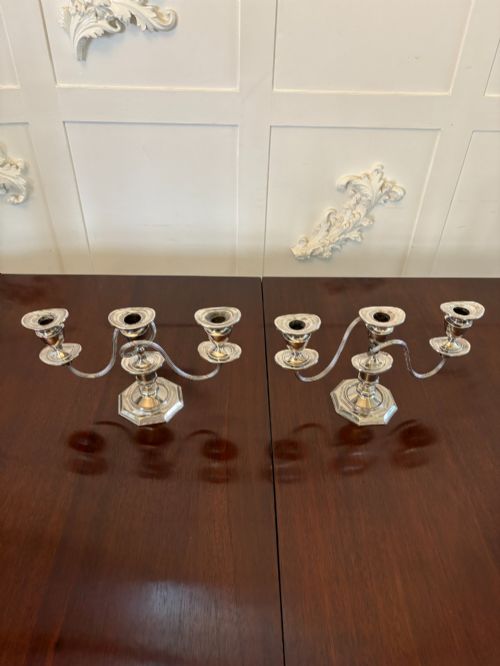
- A branched candlestick holding multiple candles on a single base. These often feature removable arms to convert into single candlesticks.
- Chamberstick
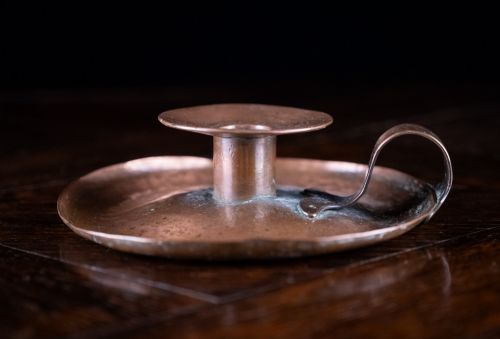
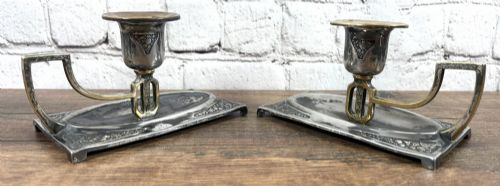
- A low candlestick fitted with a wide saucer drip-pan and a loop handle. People carried these short holders through dark hallways at night.
- Pricket
- A sharp metal spike set in the drip pan to impale and secure a thick candle. This form appears frequently in church and Gothic revival designs.
- Ormolu
- Finely ground high-carat gold applied to bronze through a mercury amalgamation process. This technique created a rich, durable golden surface on nineteenth-century French pieces.
- Sheffield Plate
- An early fusing technique involving a sheet of silver melted onto a copper ingot before rolling. This process created durable plated items prior to modern electroplating.
Vintage Candlesticks: Frequently Asked Questions
How do I clean antique brass?
Clean antique brass gently with warm soapy water and a soft cloth to preserve the dark patination accumulated over decades. Avoid harsh chemical polishes that strip away the aged character.
Dry the metal thoroughly after washing to prevent spotting. A light application of microcrystalline wax protects the surface from further oxidation.
Were these candlesticks converted to lamps?
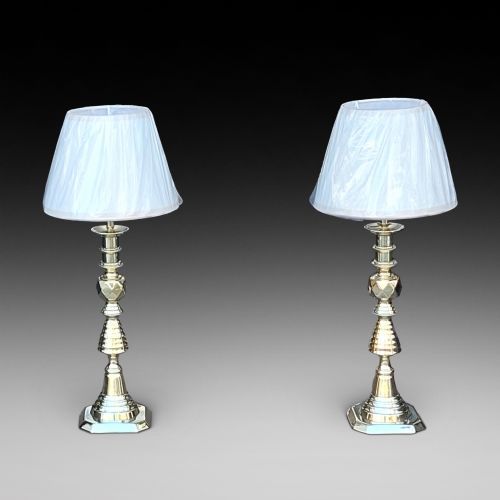
Many metal and ceramic candlesticks from the late nineteenth and early twentieth centuries were adapted for electricity as homes modernized. Some conversions happened decades ago, wiring the original shafts without altering the core structure.
Inspect the base and candle socket to see if wiring runs internally or through a drilled side hole. Professional rewiring ensures modern electrical safety for daily use.
What is the difference between a candlestick and a chamberstick?
A standard candlestick stands upright on a table or mantel, designed to stay stationary while illuminating a specific space. Its height and heavy base keep the flame elevated and secure.
A chamberstick includes a wide saucer base and a finger loop for safe transport. The low profile prevented hot wax from spilling onto hands during movement.
How do I date silver plated items?
Dating silver plated pieces involves examining maker marks, base metal stamps, and stylistic cues from Neoclassical or Victorian revivals. Old Sheffield plate often shows a thin copper line where the edge wears down.
Electroplated items from the later nineteenth century onwards display manufacturer ciphers and registration numbers. Comparing these marks against historical trade directories clarifies the production window.