



Vintage Cake Tier
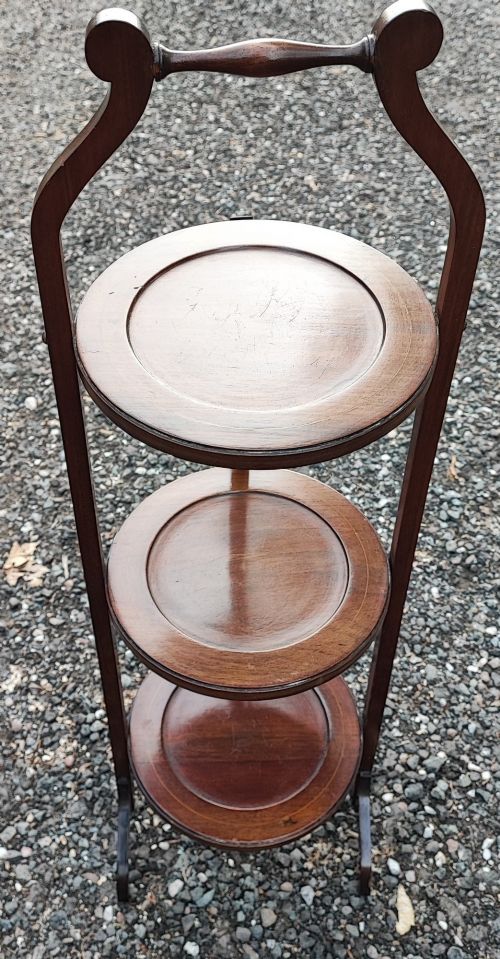
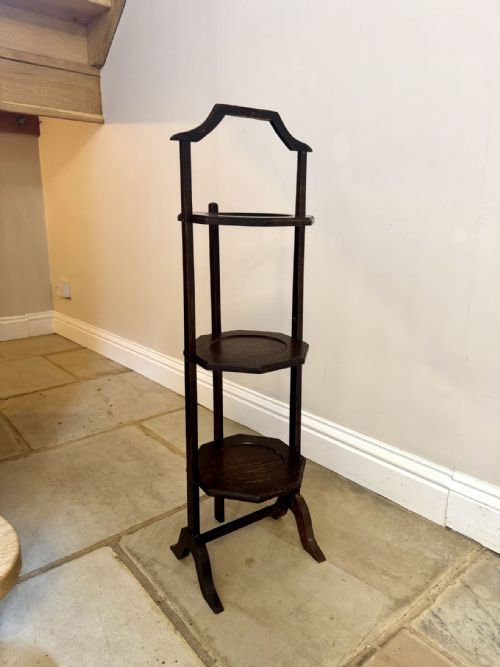
These vintage cake tier pieces are practical multi-level stands designed for serving or display, offering timeless display space for any interior.
Vintage Cake Tier
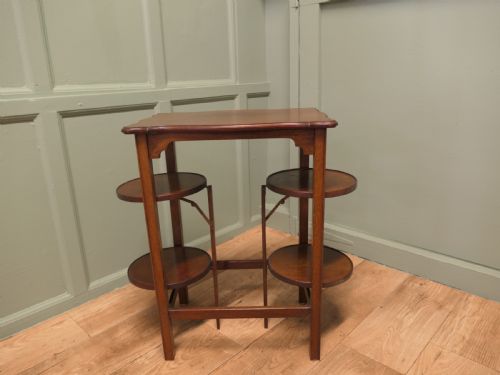
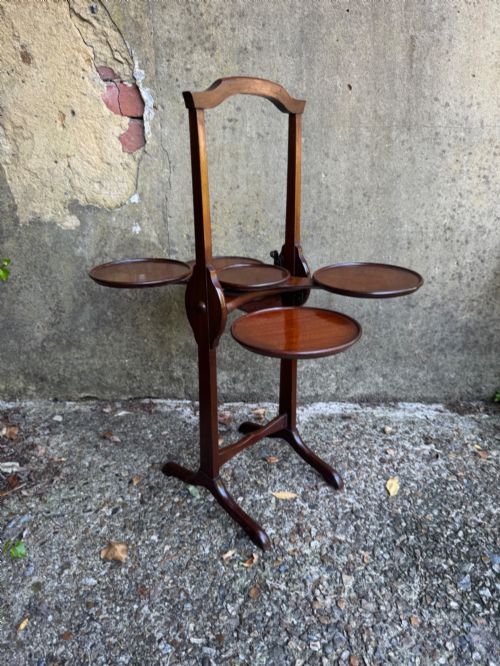
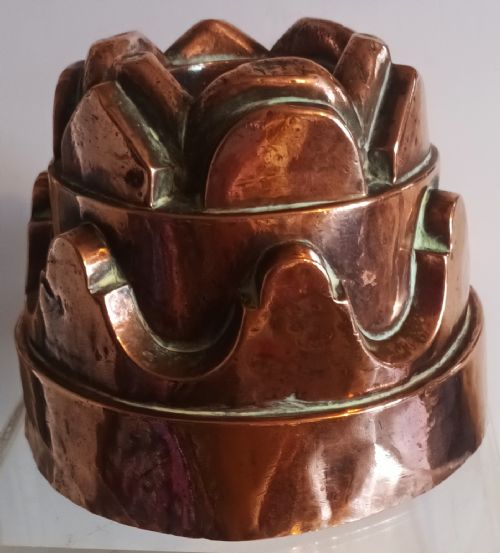
The selection ranges from simple oak or mahogany tier stands to functional kitchenware like copper jelly moulds. Georgian dumb waiters and occasional tables also appear alongside these tiered serving pieces.
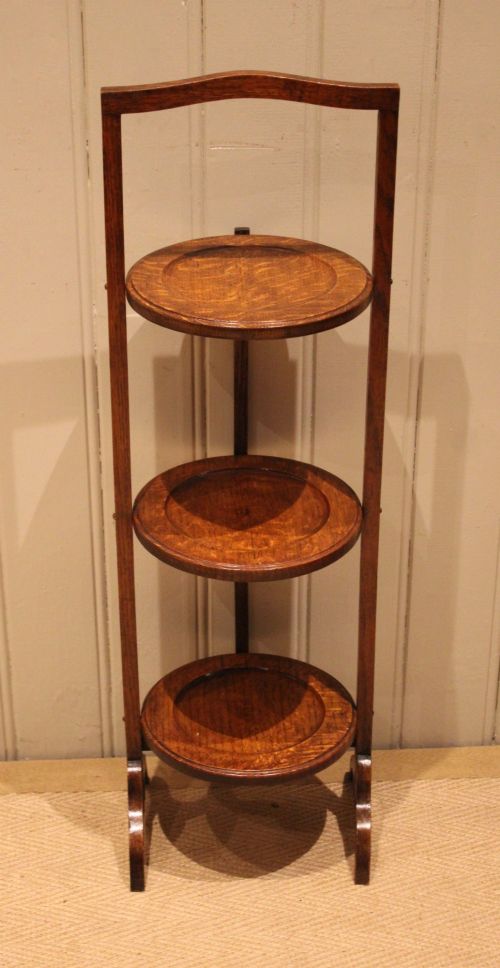
Most examples rely on wooden frames, predominantly mahogany or oak, often incorporating folding mechanisms for easy storage. Brass and copper pieces add variety through kitchenalia and display stands.
How they were made
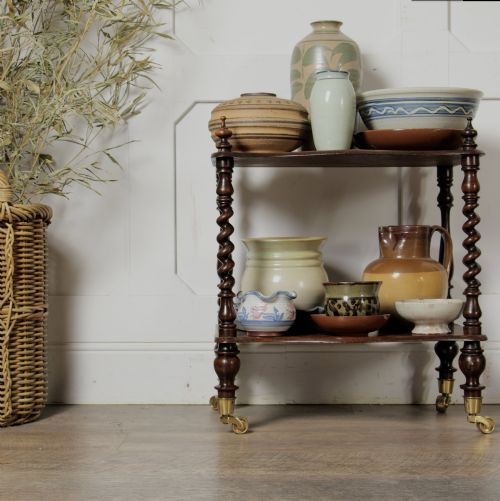
Makers utilised solid timbers like mahogany, oak, and walnut, frequently shaping them into turned columns or barley twist supports. Inlaid boxwood and satinwood details often accent the polished wooden tiers.
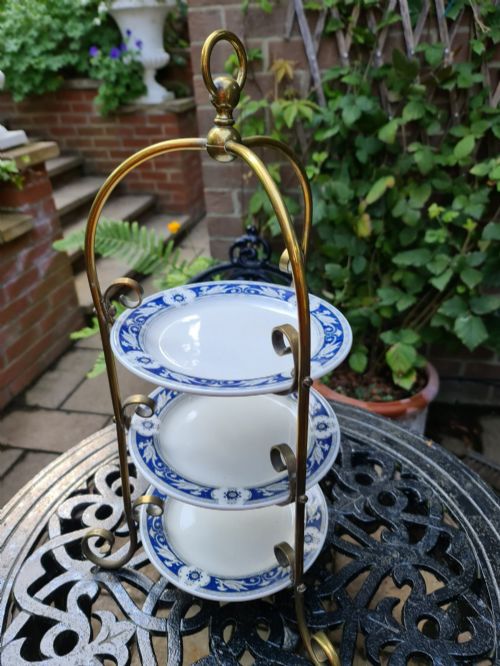
Metal elements such as brass, copper, and tin appear in hinges, folding mechanisms, and individual jelly moulds. Glass and plated metal also feature in specific display and serving stands.
Listings feature woods spanning mahogany, oak, walnut, satinwood, and boxwood inlay alongside brass, copper, tin, and glass.
What varies in quality
The distinction between standard examples and finer pieces lies in the choice of timber and the precision of inlaid details. Superior items often feature selected mahogany or walnut with neat boxwood inlay and stable folding actions.
Construction methods also set pieces apart, from simple utility stands to elaborately turned barley twist columns or revolving dumb waiters. The crispness of the carpentry and the integration of brass hardware dictate the overall standard.
Marples and Company
The Vintage Cake Tier Glossary
- Dumb Waiter
- A tiered freestanding piece of furniture used for serving food or holding dishes without extra attendants. These revolving stands typically feature multiple circular trays.
- Barley Twist
- A type of turned wooden column resembling a twisted rope, common in Victorian and Edwardian supports. This decorative woodworking technique adds texture to upright stems.
- Inlay
- A technique where contrasting woods like boxwood or satinwood are inserted into the surface to form decorative patterns. It frequently defines the borders of Edwardian table tiers.
- Jelly Mould
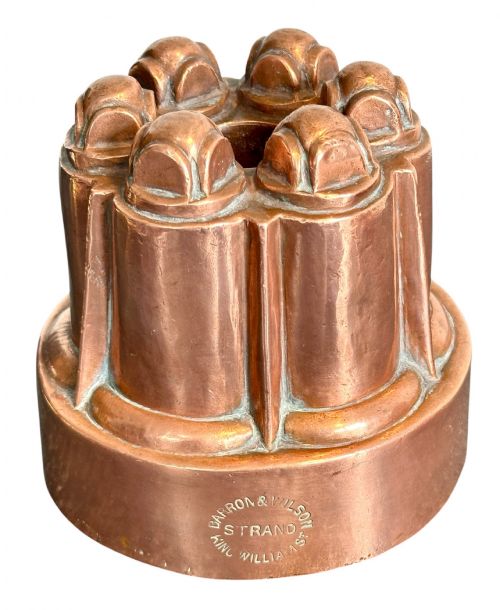
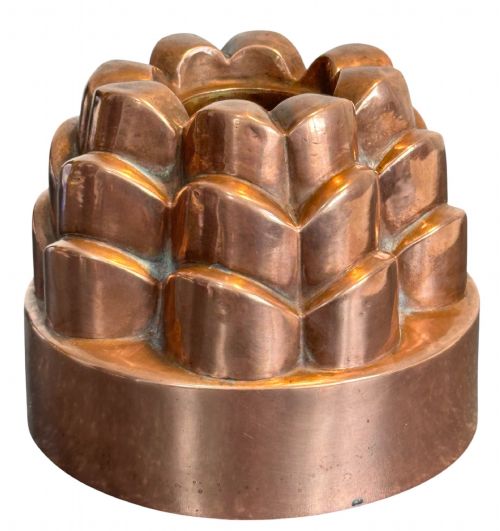
- A kitchen utensil made of copper, tin, or ceramic designed to shape jellies and aspics with detailed patterns. Some feature elaborate top designs like castles.
- Folding Stand
- A piece designed with hinged tiers or collapsible legs for compact storage when not in use. This mechanism is especially common in twentieth-century serving furniture.
Vintage Cake Tier: Frequently Asked Questions
What is a vintage cake tier used for?
These pieces serve as multi-level platforms for displaying cakes, pastries, or small decorative items in domestic spaces.
Historically, they provided practical vertical storage for tea service and light refreshments in parlours.
How do I identify an Edwardian cake stand?
Edwardian stands frequently feature lighter timbers like mahogany, often decorated with delicate boxwood stringing or satinwood inlay.
They also tend to employ folding frames designed for convenient storage between uses.
Are these stands suitable for daily use?
Most folding stands remain stable for serving light items, though antique timber surfaces benefit from gentle care and dry conditions.
Care should be taken with vintage hinges and folding mechanisms to preserve their movement.
What is the difference between a dumb waiter and a cake stand?
Dumb waiters are heavier, often revolving pieces originating in the Georgian period and intended for dining room service.
Cake stands are lighter, frequently collapsible structures from the Edwardian and Victorian eras built for tea service.