
Vintage Burr Walnut
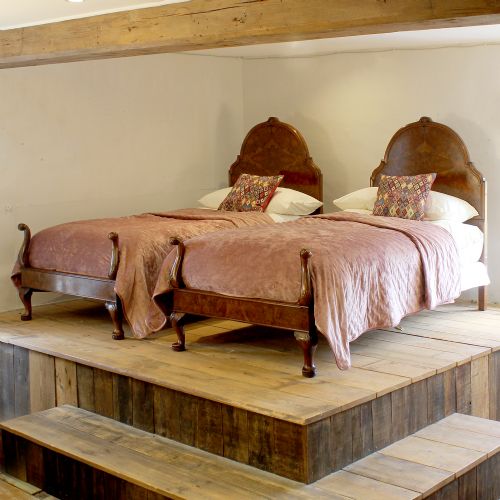
Vintage burr walnut brings together rich, swirling timber figures and solid cabinet-making from the Victorian, Edwardian and Art Deco eras to anchor a room.
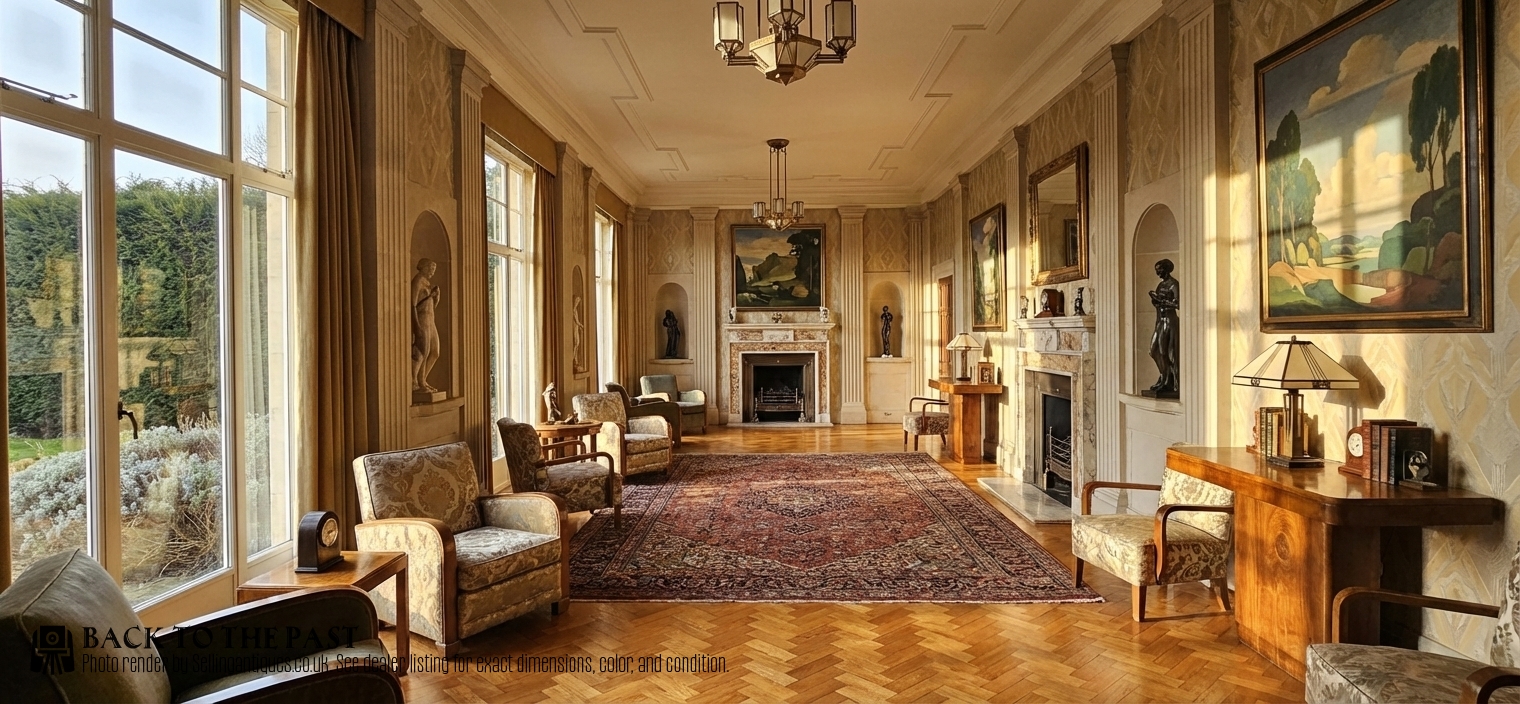
Vintage Burr Walnut
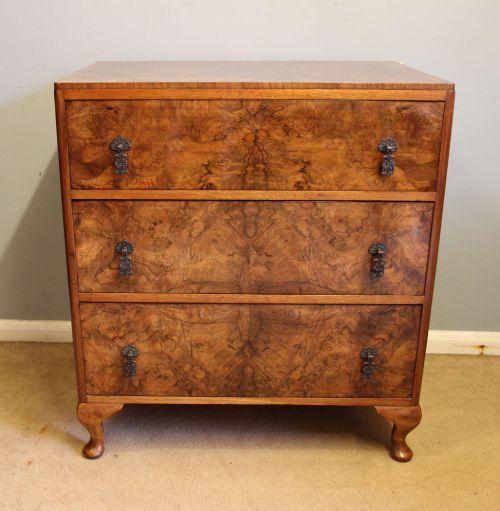
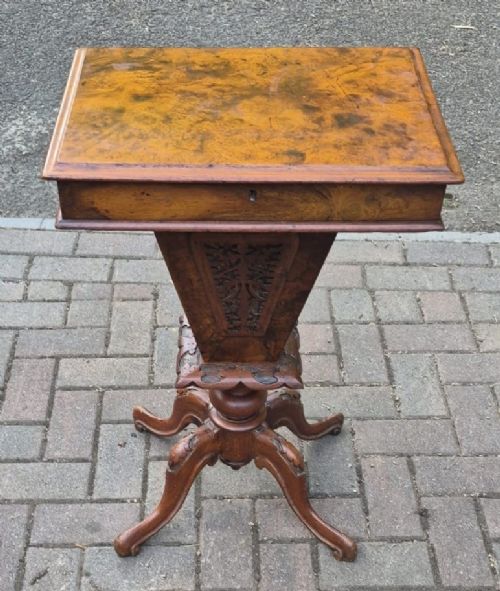
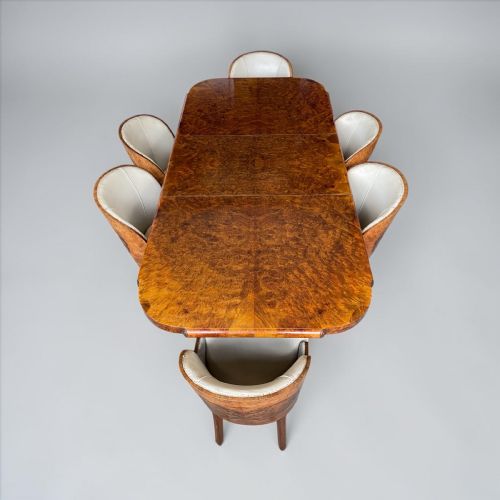
Vintage burr walnut describes furniture built using highly figured timber harvested from the growths or knots of walnut trees. The resulting grain yields complex, swirling patterns that catch the light across large flat surfaces.
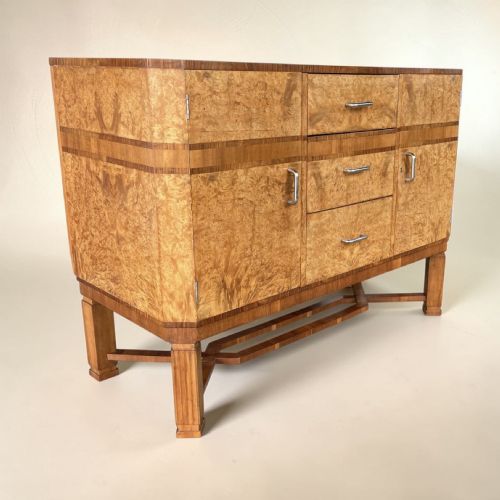
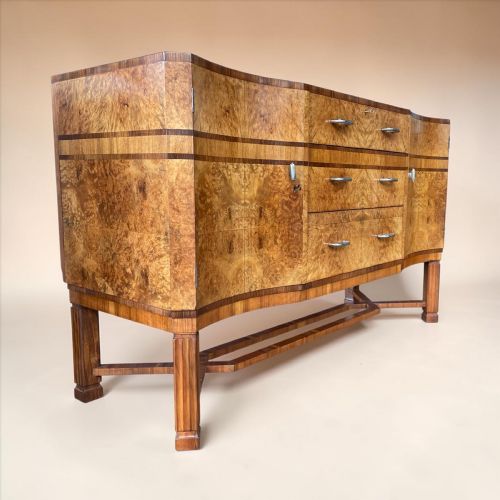
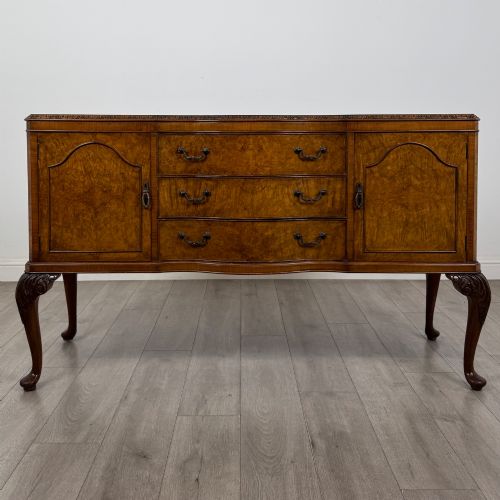
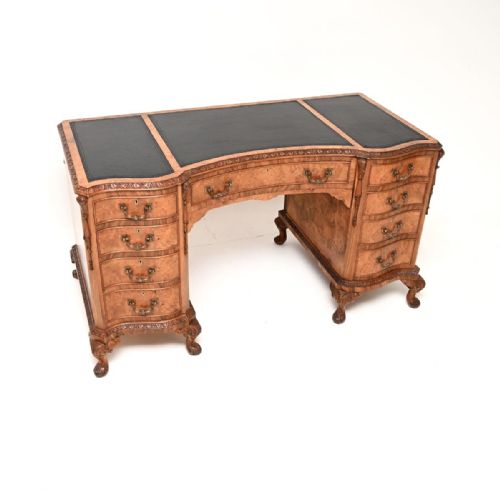
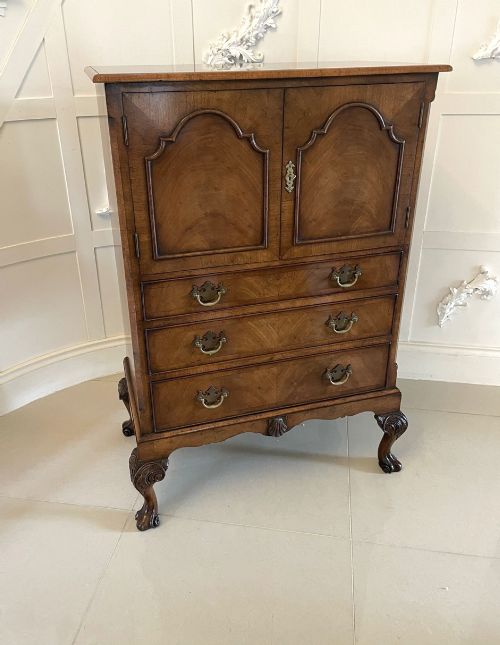
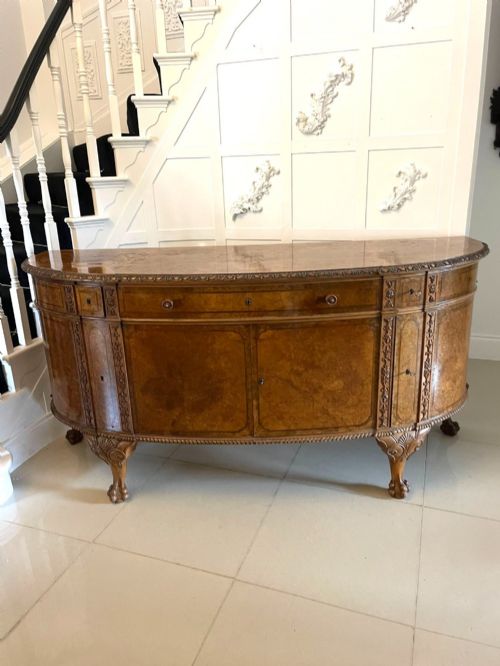
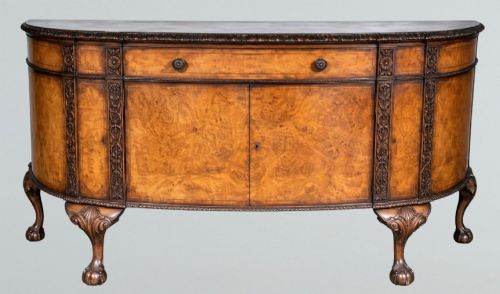
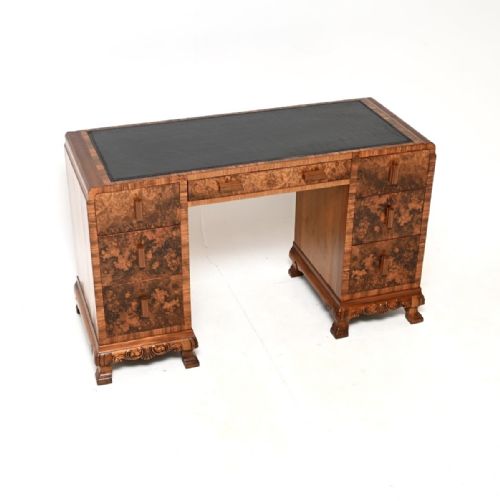
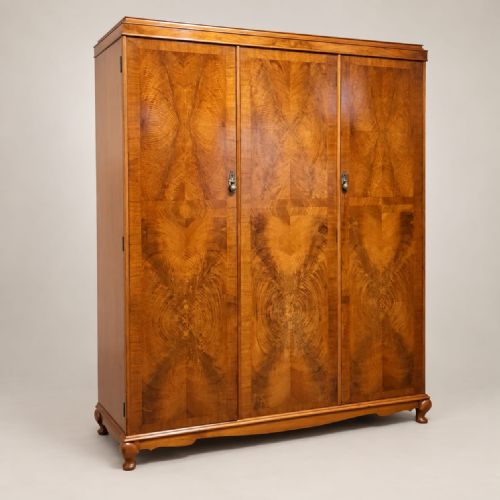
Most examples found here date from the nineteenth century up to the nineteen-thirties, spanning Queen Anne revival styles through to sleek Art Deco forms. Common pieces range from pedestal desks and cocktail cabinets to wardrobes and sideboards.
Makers utilised this striking veneer on statement furniture designed for principal rooms in the home. The material lends itself particularly to symmetrical book-matching on drawer fronts and cabinet doors.
How they were made
Cabinet-makers sliced thin sheets of burr walnut veneer from knotty growths and applied them over stable secondary hardwoods. This technique allowed workshops to display decorative grain patterns economically while preventing the solid timber from warping.
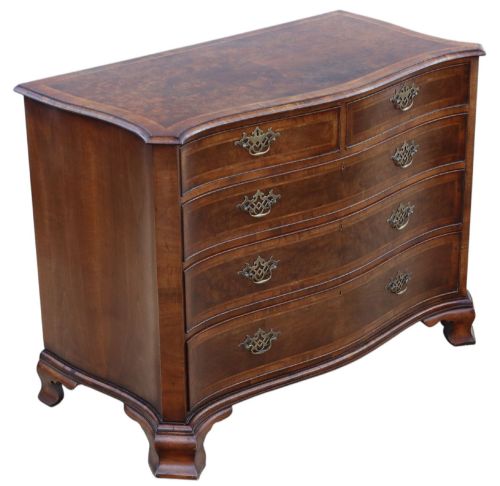
Craftsmen often enhanced the facades with crossbanding, borders of contrasting timber grain that framed the central burr panels. Brass handles, leather desk inserts and glass doors completed pieces designed for daily utility and display.
Listings feature items built from the Victorian era through the nineteen-thirties, incorporating brass hardware, leather tops and glass doors.
What varies in quality
Quality rests upon the density and liveliness of the grain figure across the primary surfaces. A superior piece displays deep, unbroken swirls of burr timber that match symmetrically across central seams.
Construction standards dictate longevity, visible in the precision of the crossbanding and the stability of the underlying carcase. Well-executed execution ensures that drawers run smoothly and doors close flush against the frame.
Maurice Adams
The Vintage Burr Walnut Glossary
- Burr walnut
- A figured wood grain obtained from tree growths, prized for its swirling patterns. It forms the primary decorative surface on these cabinets and desks.
- Crossbanding
- A narrow strip of veneer laid around the border of a panel with the grain running perpendicular to the centre. This technique frames the main timber.
- Pedestal desk
- A writing table supported by two banks of drawers. These often feature inset leather writing surfaces on top.
Vintage Burr Walnut: Frequently Asked Questions
What era are these pieces from?
The selection spans several distinct periods, running from Victorian and Edwardian iterations through to nineteen-thirties Art Deco designs. Earlier examples often channel Queen Anne revival aesthetics, whilst later pieces embrace streamlined geometric forms.
Craftsmen across these decades favoured burr walnut for its ornamental impact on principal furniture. Each era brought its own distinct silhouette to the timber, from serpentine commodes to minimalist coffee tables.
How do I care for burr walnut?
Protect the polished surfaces by keeping furniture away from direct sunlight and steady heat sources. Dust gently with a dry cloth and avoid silicone-based polishes that can build up over time.
Maintain a stable room climate to prevent the wood veneer from drying out or lifting. Natural waxes applied occasionally will preserve the lustre of the grain.
Where were these items used originally?
Cabinet-makers designed these items for formal reception rooms, studies and principal bedrooms in substantial homes. Desks and bookcases served studies, while wardrobes and dressing tables furnished sleeping quarters.
Sideboards and cocktail cabinets held a prominent place in dining rooms and entertaining spaces. Their decorative grain was intended to catch the eye of visiting guests.
How do I identify Art Deco burr walnut?
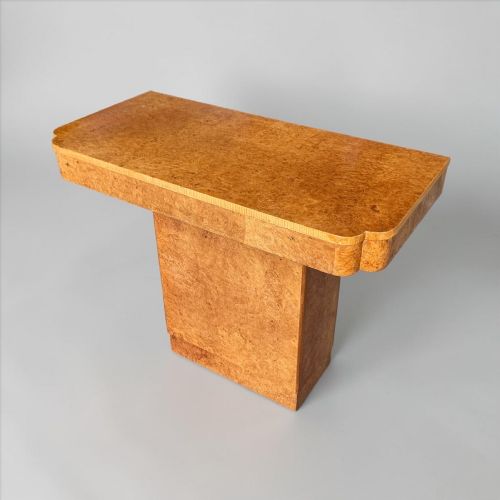
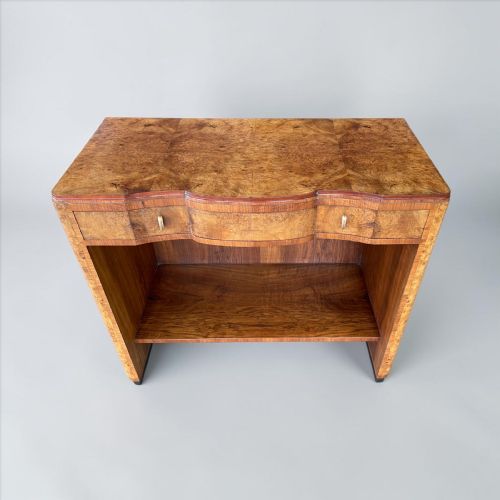
Art Deco pieces rely on clean, geometric lines, curved silhouettes and unbroken planes of veneer. Makers favoured waterfall edges and breakfront configurations that emphasised the natural pattern of the wood.
These nineteen-thirties designs often paired the burr walnut with contrasting secondary timbers like sycamore. Minimal hardware allowed the swirling wood figures to dominate the visual composition.