
Vintage Burr Walnut Display
Vintage burr walnut display pieces combine striking grain figures with practical storage, offering a sophisticated way to showcase books and objects.
Vintage Burr Walnut Display
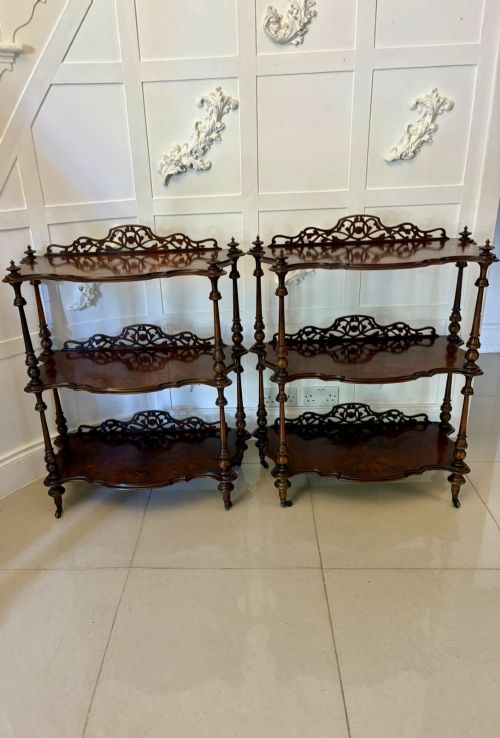
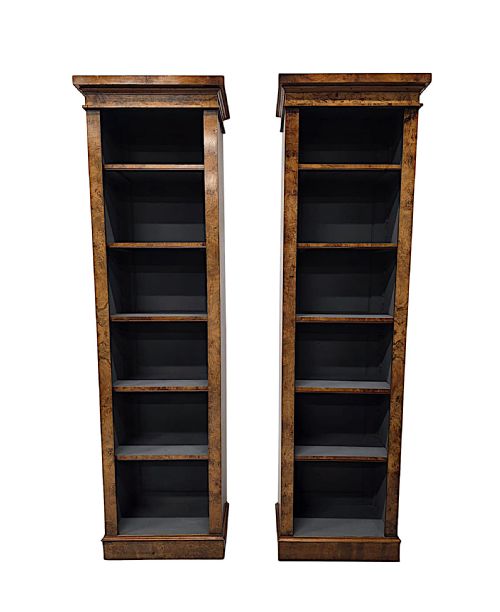
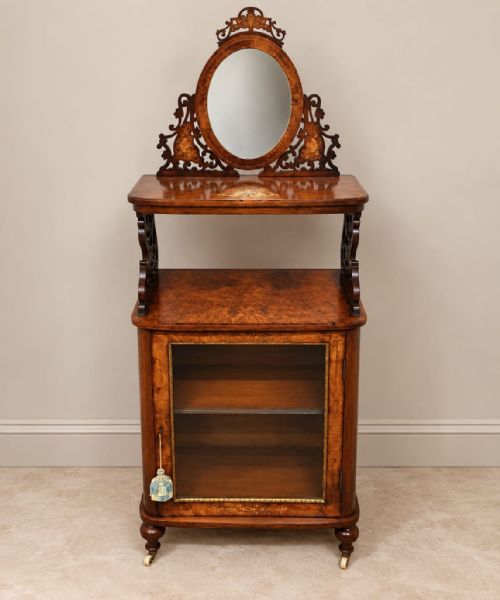
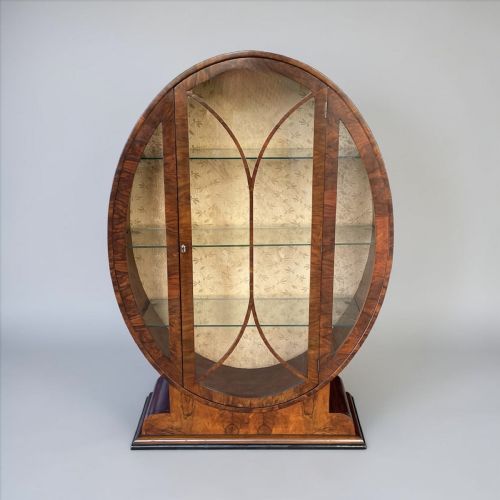
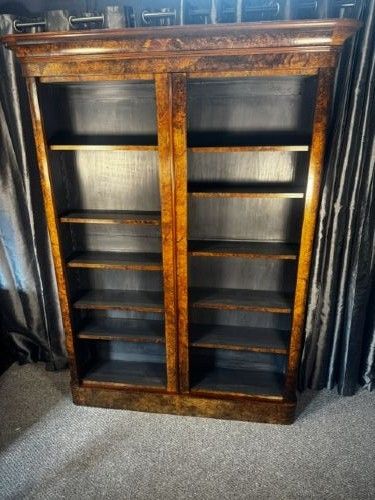
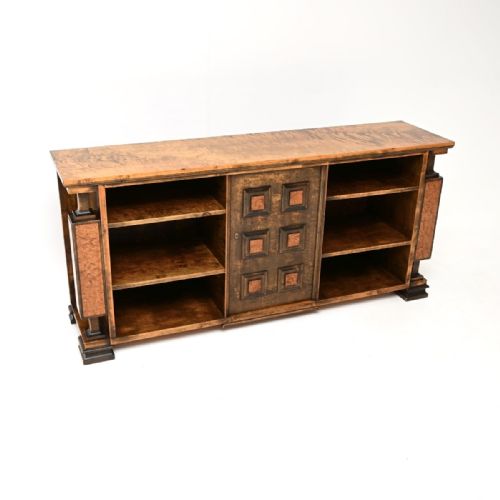
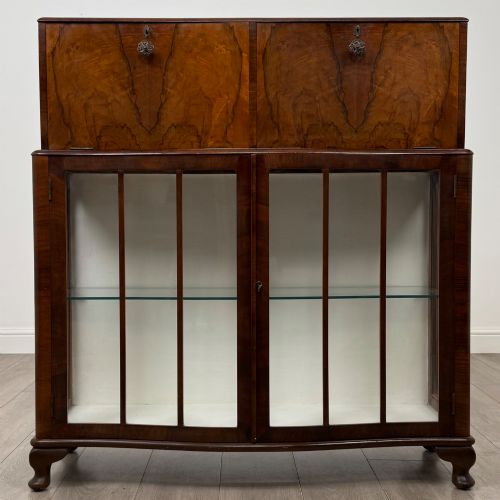
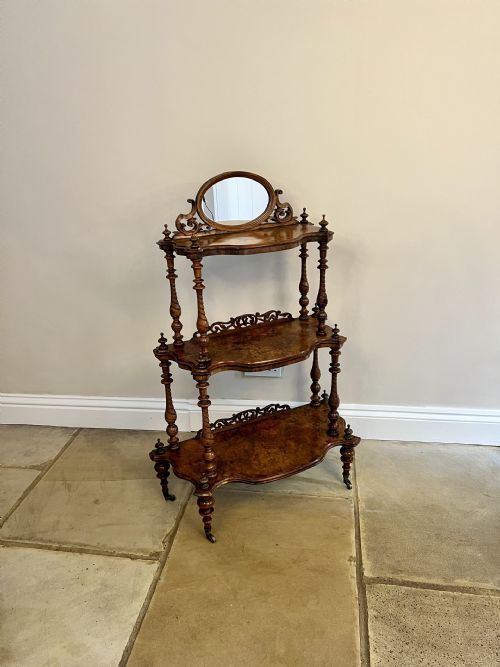
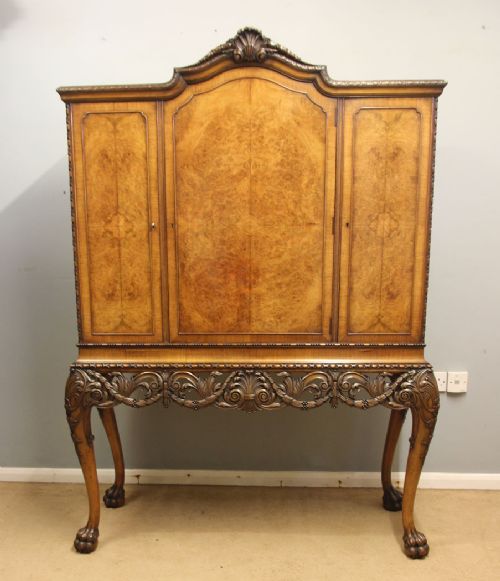
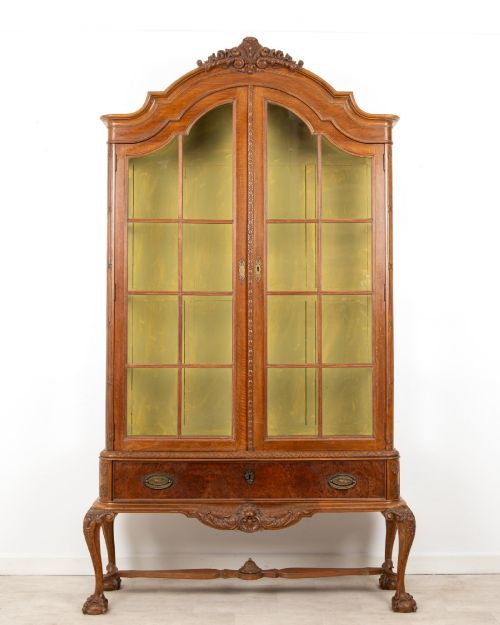
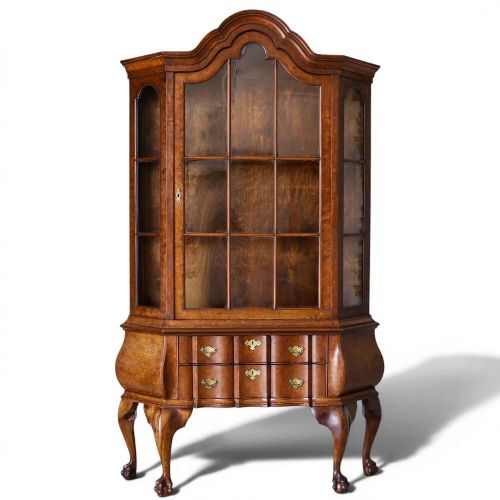
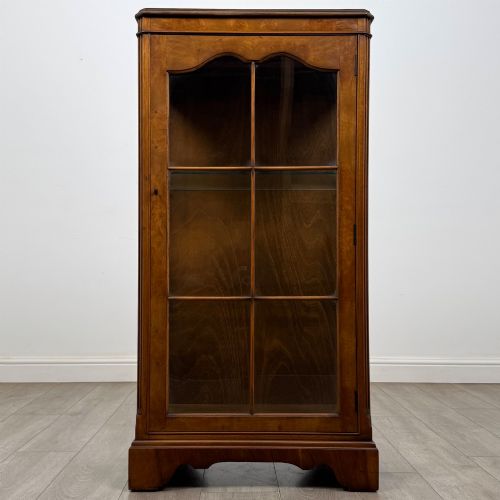
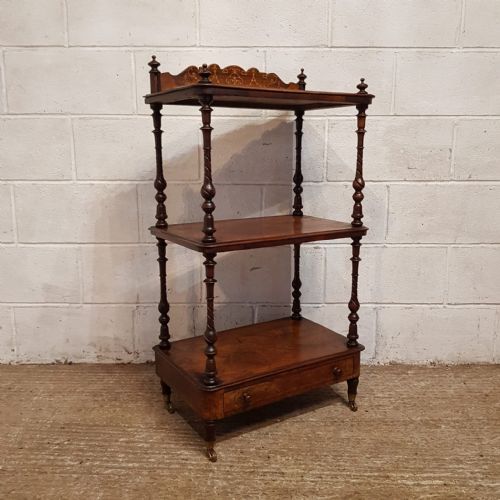
When you search for vintage burr walnut display, you encounter cabinetry designed to showcase possessions while highlighting distinctive timber figures. The selection includes tall bookcases, compact whatnots, glazed cabinets, and side cabinets spanning periods from the Victorian era to the 1930s.
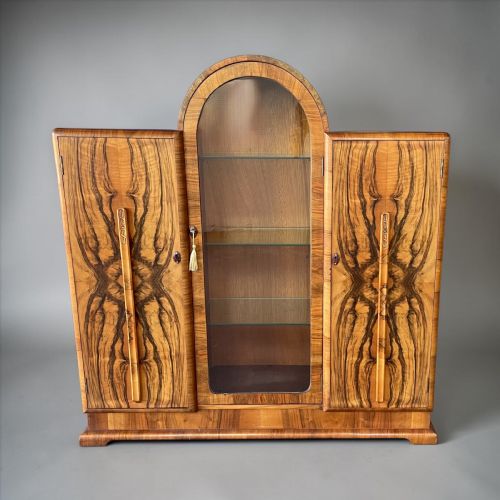
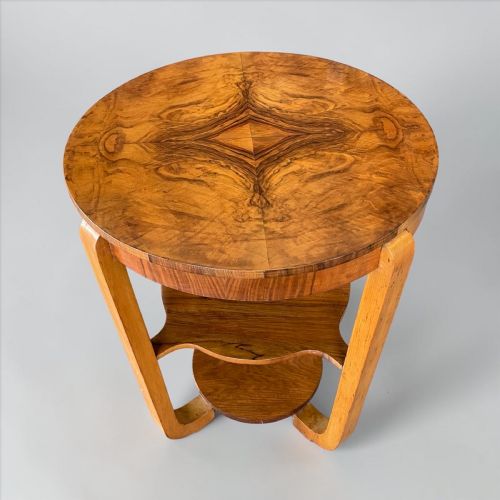
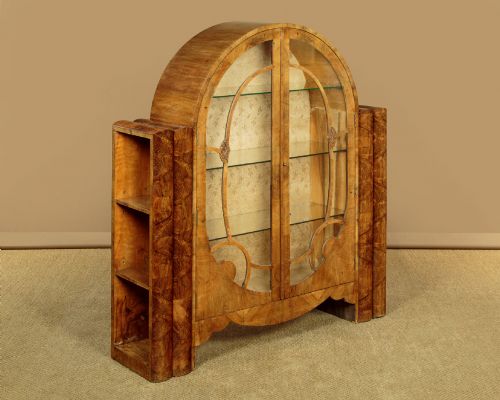
The version you are most likely to meet on this page is the Art Deco display cabinet from 1930, alongside Victorian whatnots and Edwardian bookcases. These pieces utilise walnut veneers and solid timbers to create functional storage with decorative visual presence.
How they were made
Cabinet makers applied burr walnut veneer over solid timber foundations to exploit the swirling, knotty patterns found in walnut growths. Glass panes were fitted into doors to enclose display spaces, while brass and ormolu mounts provided structural and decorative accents.
Makers constructed these cabinets using traditional joinery, integrating mirrored backs and tiered shelving to enhance light reflection within the display sections. Surfaces received French polishing or protective varnishes to accentuate the deep grain variations.
Some Art Deco cabinets sneak sycamore linings inside, giving you a pale blond surprise every time you open the door.
What varies in quality
The standard of a vintage burr walnut display piece rests on the selection and matching of the veneer figures across the doors and panels. Superior examples feature symmetrical grain patterns that flow evenly across the entire front elevation.
Construction depth and detailing also set pieces apart, such as the precision of the glazed door frames, the weight of the brass hardware, and the richness of the timber colour achieved through finishing.
Waring & Gillow·Maurice Adams·Epstein
The Vintage Burr Walnut Display Glossary
- Burr walnut
- A thin slice of wood veneer taken from the growth wart of a walnut tree, prized for its swirling, highly figured grain patterns. It creates a decorative surface finish on fine cabinetry.
- Whatnot
- An open-shelved piece of furniture designed for displaying ornaments, books, or small collections. Victorian examples often feature multiple tiers supported by slender columns.
- Ormolu
- Gilded bronze or brass applied as decorative mounts and feet on furniture. It adds metallic contrast to dark timber surfaces.
- Credenza
- A sideboard or cabinet, frequently featuring mirrored backs and glazed doors in 19th-century iterations. They serve both storage and display functions in principal rooms.
- Breakfront
- A piece of furniture where the central section projects forward from the flanking outer sections. This architectural arrangement creates depth and shadow on large bookcases and cabinets.
Vintage Burr Walnut Display: Frequently Asked Questions
What is burr walnut?
Burr walnut is a specialised timber veneer harvested from tree growths that produce complex, swirling grain patterns. It is applied to the exterior surfaces of display cabinets and bookcases to create visual impact.
The unique figuring means no two panels are identical, making each piece of furniture distinct in its ornamentation.
How do I date a display cabinet?
Dating relies on stylistic clues, construction methods, and materials recorded across the pieces. Victorian and Edwardian examples show traditional revival details, whilst 1930s pieces exhibit streamlined Art Deco geometries.
Hardware styles and the presence of specific wood veneers also help place a cabinet within its correct period of manufacture.
Where should I place a display cabinet?
These cabinets suit principal reception rooms, libraries, or dining spaces where their glazed doors and lit or mirrored interiors can showcase collections. Positioning them away from direct sunlight protects the walnut veneer from fading.
Ensure the floor space accommodates the specific footprint, whether it is a slim 20th-century bookshelf or a larger breakfront library cabinet.
Are these pieces solid walnut?
Most vintage display furniture uses burr walnut veneer laid over a stable secondary timber substrate. This technique prevents warping while displaying the decorative grain across wide surfaces.
Solid walnut was typically reserved for structural framework, mouldings, and legs rather than large flat door panels.