

Vintage Buffet Furniture
Vintage buffet furniture gathers heavy sideboards, cabinets, and serving tables built for dining rooms across several centuries.
Vintage Buffet Furniture
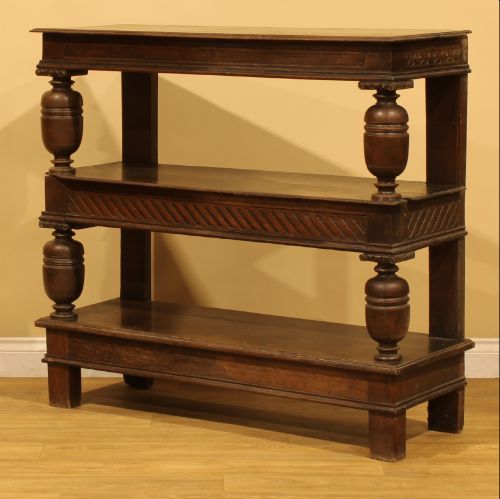
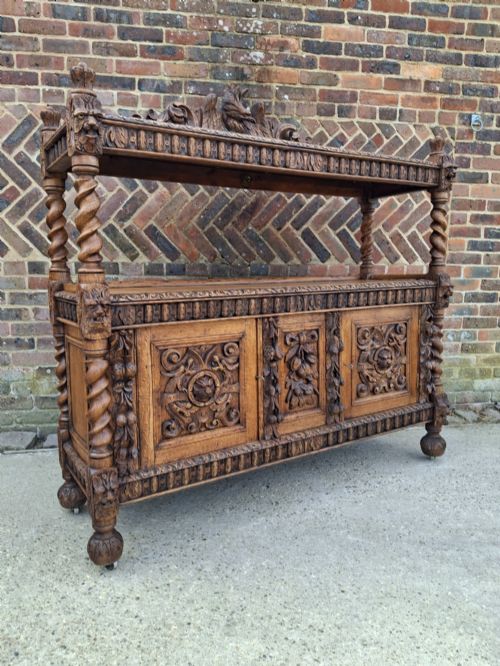
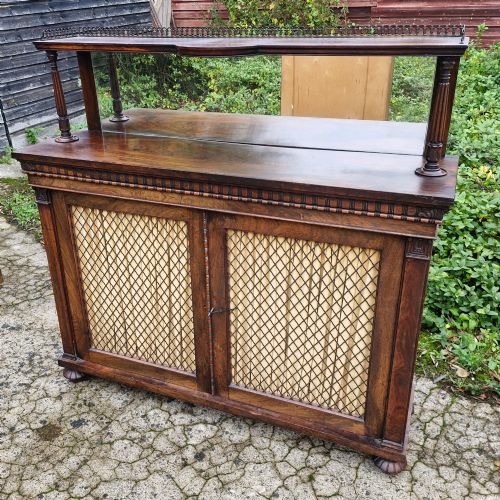
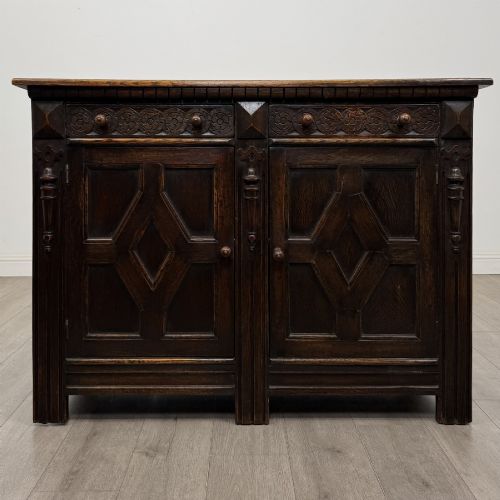
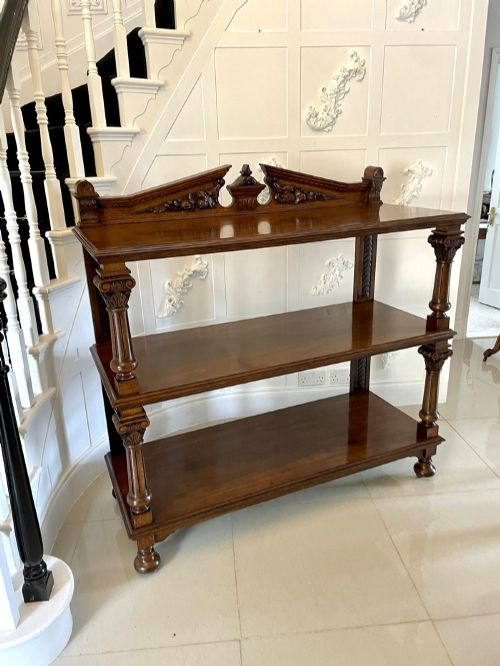
Vintage buffet furniture encompasses sideboards, side cabinets, cupboards, dressers, and dumb waiters designed for food storage and service in dining spaces. When exploring vintage buffet furniture, you encounter pieces originating from the eighteenth, nineteenth, and twentieth centuries.
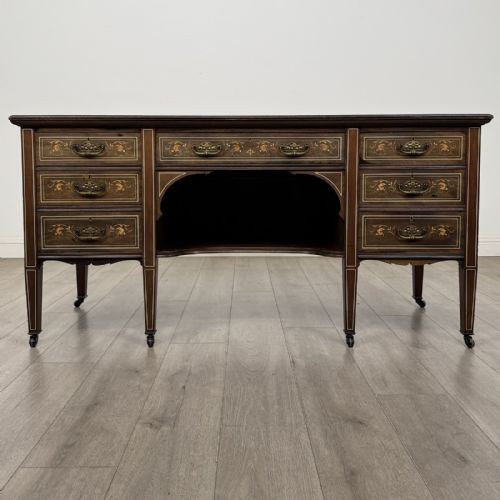
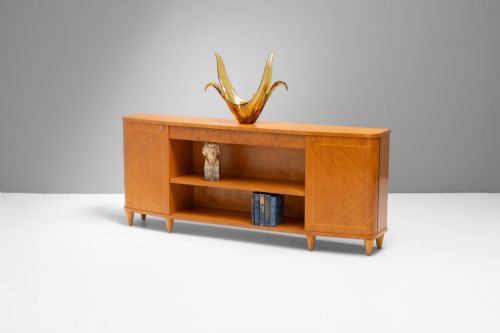
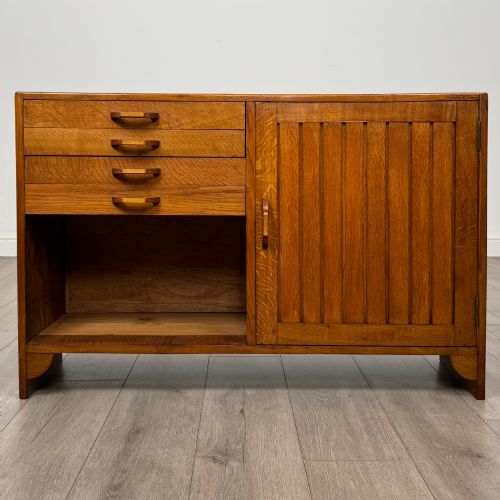
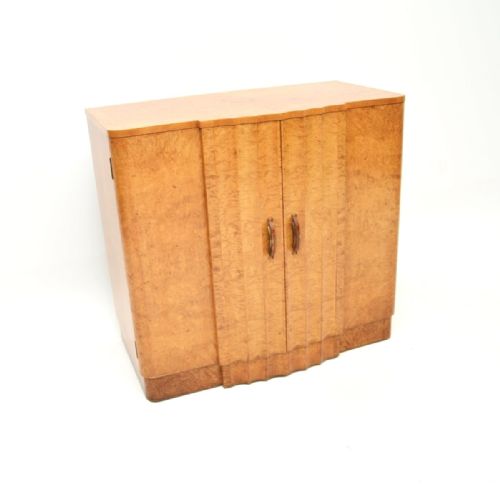
The most common forms on this page include sturdy oak cupboards, mahogany sideboards with inlaid details, and walnut Art Deco cabinets. These utilitarian yet decorative storage pieces reflect the domestic habits of their respective periods, from Georgian dining rooms to 1930s parlours.
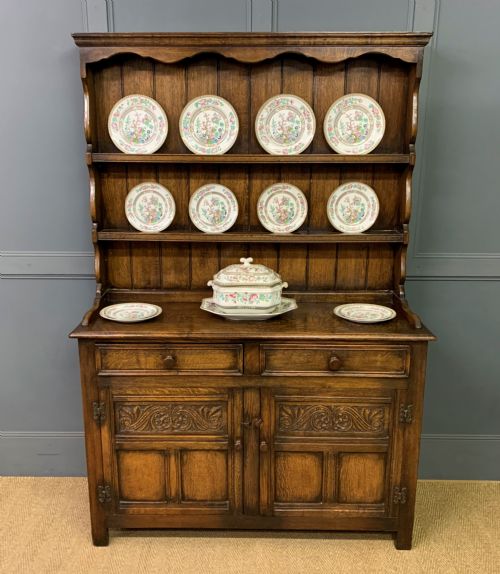
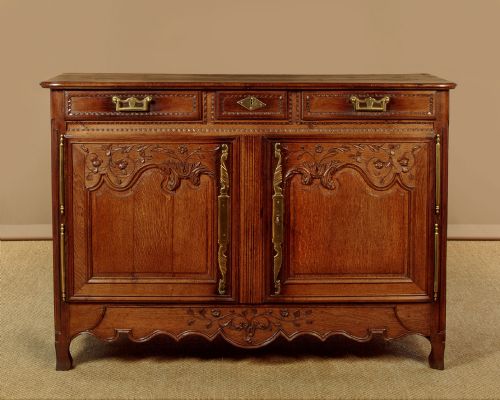
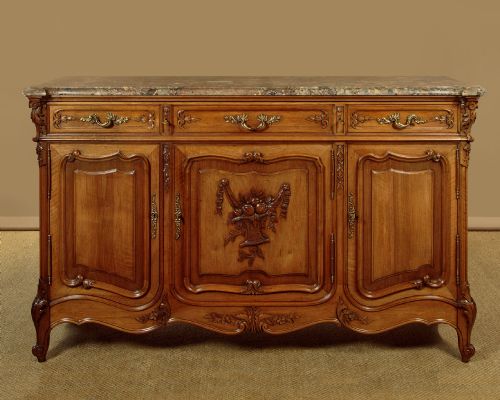
Makers and regional styles introduce considerable variety, ranging from English oak dressers to French provincial buffets and Swedish Grace sideboards. Each form serves the practical purpose of storing tableware while displaying distinct period aesthetics.
Materials and construction
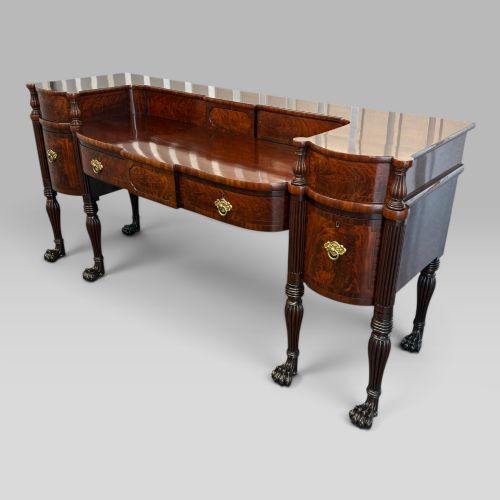
Cabinet makers relied heavily on timber selections such as oak, mahogany, walnut, and satinwood, often enhanced by burr walnut veneers or flame mahogany. Brass handles, hinges, and lion paw feet provide structural contrast and decorative punctuation to the woodwork.
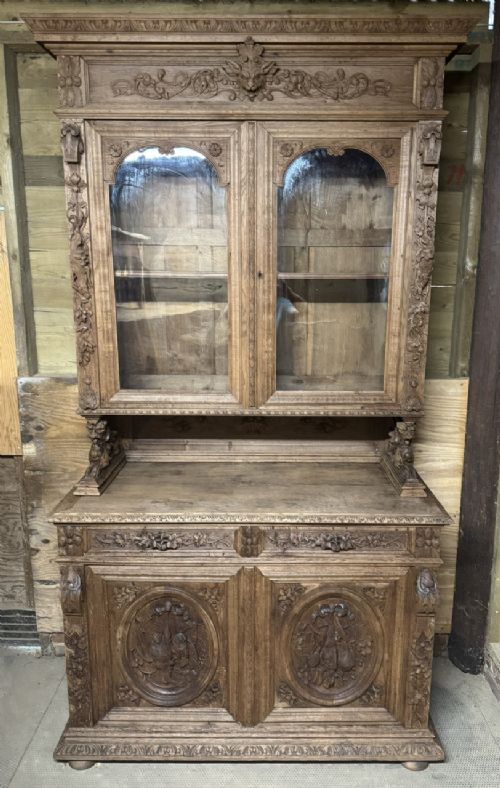
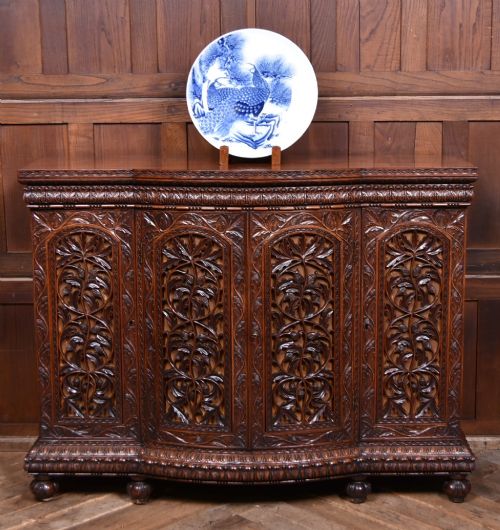
Joinery techniques ranged from traditional hand-carved ornamentation on Edwardian oak to the sleek, geometric veneering characteristic of 1930s Art Deco pieces. Painted finishes, lacquered japanning, and bleached surfaces also appear, depending on the regional workshop and period style.
Vintage Buffet Furniture Retail Price Guide 2026
Typical asking prices for vintage buffet furniture among the pieces listed under this phrase on Sellingantiques today, from the lower quarter to the upper quarter. They describe what is for sale here now, not the wider market.
Listed forms range from compact dumb waiters and side cabinets to grand Georgian sideboards and multi-tiered kitchen dressers.
Assessing quality and craftsmanship
Superior quality in these storage pieces rests on the selection of timber, such as deeply figured flame mahogany or matched burr walnut veneers. Master workshops demonstrated excellence through crisp carving, precise inlay work, and robust internal framing.
Maker signatures, stamps, and distinctive hardware elevate certain examples above standard utilitarian items. The integration of functional elements like tambour doors, heavy brass mounts, and stable structural joinery distinguishes finer studio pieces from mass production.
Rushworth's·Maurice Adams·Edward Barnsley·Harry and Lou Epstein·Gomme·Whytock and Reid·M. D. Miller and Sons
The Vintage Buffet Furniture Glossary
- Sideboard
- A large dining room furniture piece equipped with cupboards and drawers for storing cutlery and serving dishes. It stands against a wall as a primary serving station.
- Dumb waiter
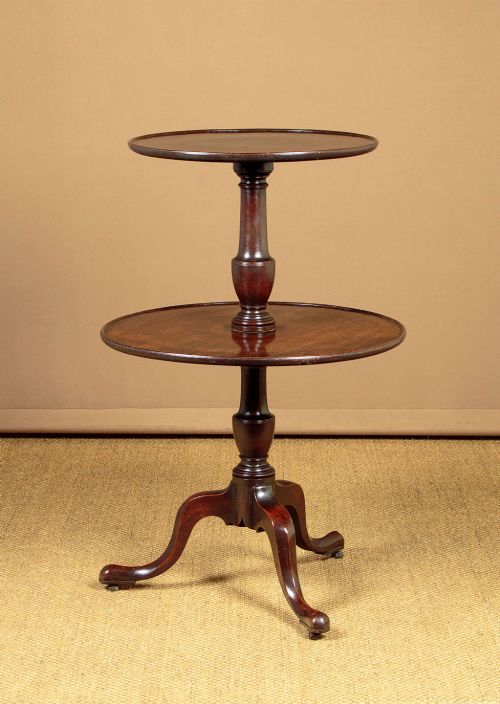
- A tiered stand or revolving serving table designed to hold food and plates near a dining table without servant attendance. These practical pieces often feature multiple graduating circular shelves.
- Dresser base
- The lower section of a kitchen or dining dresser featuring cupboards and drawers beneath a flat top surface. These utilitarian pieces originate primarily from country houses and domestic kitchens.
- Tambour door
- A flexible door constructed from narrow vertical strips of wood glued to a canvas backing, allowing it to slide smoothly around curved cabinet corners. This clever mechanism appears frequently on twentieth-century sideboards.
- Japanning
- A European imitation of East Asian lacquerwork involving layered varnishes and painted metallic decoration. It creates a glossy, dark surface often seen on decorative side cabinets.
Vintage Buffet Furniture: Frequently Asked Questions
What is vintage buffet furniture used for?
These pieces serve as practical storage cabinets and serving surfaces in dining rooms, living spaces, and hallways. They hold tableware, linens, and bottles while providing a sturdy top surface for display.
Historically, they evolved to meet the demands of formal dining, functioning as central stations for organising meals before service.
How do I date a vintage sideboard?
Dating relies on identifying stylistic markers, timber types, and construction methods associated with specific decades or centuries. Georgian pieces display classical mahogany proportions, whereas Edwardian items often feature carved oak and decorative brass hardware.
Maker stamps, labels, and distinct design movements like Art Deco or Arts and Crafts provide further chronological clues.
Are these cabinets suitable for modern homes?
Their substantial storage capacity makes them highly functional for contemporary living rooms, kitchens, and open-plan dining areas. Deep cupboards and drawers easily accommodate modern tableware, media equipment, or general household items.
Their diverse aesthetic ranges from minimalist 1930s walnut to rustic oak, allowing them to anchor various interior schemes.
What is the difference between a buffet and a sideboard?
While both terms describe long dining room storage furniture, sideboards traditionally feature shorter legs and deeper cabinet space stretching closer to the floor. Buffets often stand slightly taller on more visible legs, reflecting their origins as serving tables.
Over time, the terms have become largely interchangeable in the antiques trade.