



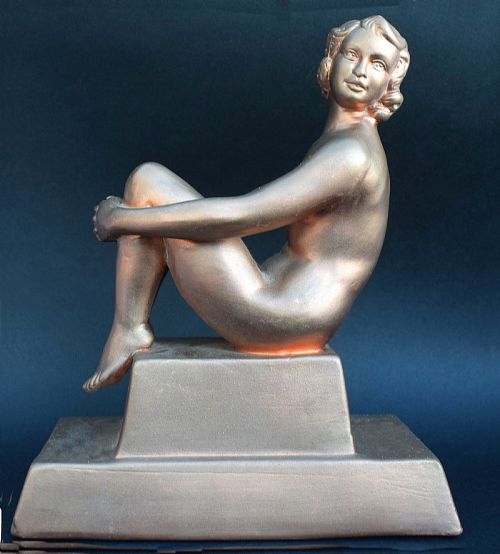


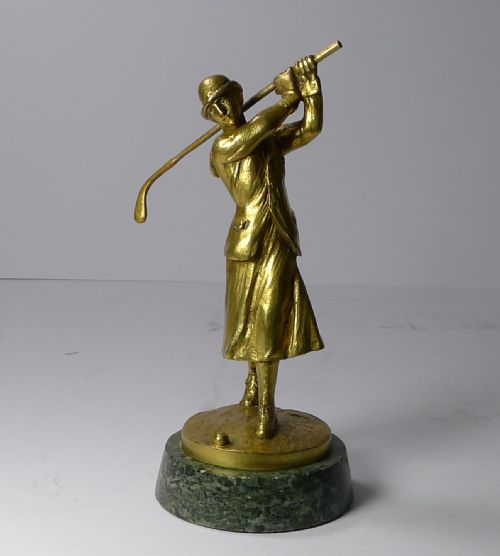


Vintage Bronze Lady Statue
These vintage bronze lady statue pieces capture the elegance of past decades in cast metal, bringing classical forms and striking silhouettes into modern spaces.
Vintage Bronze Lady Statue
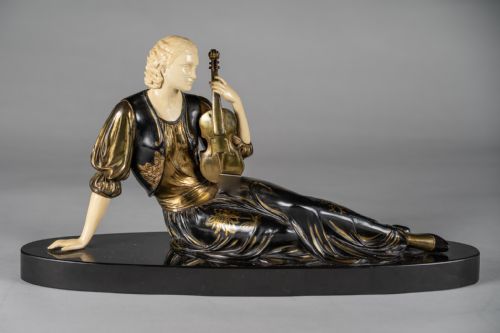
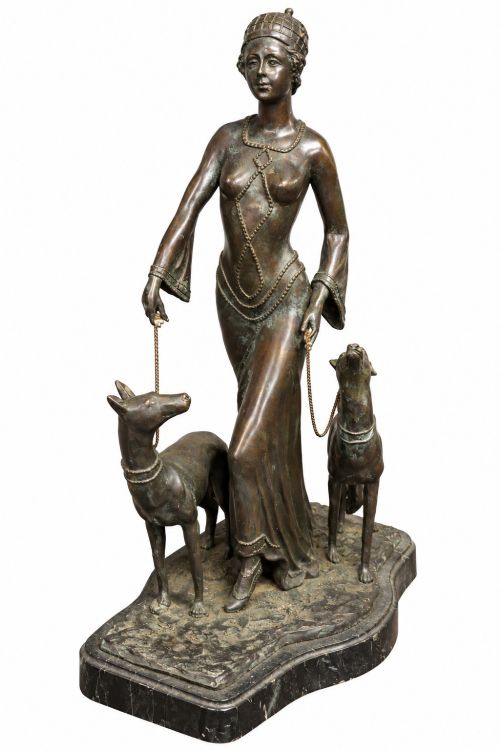
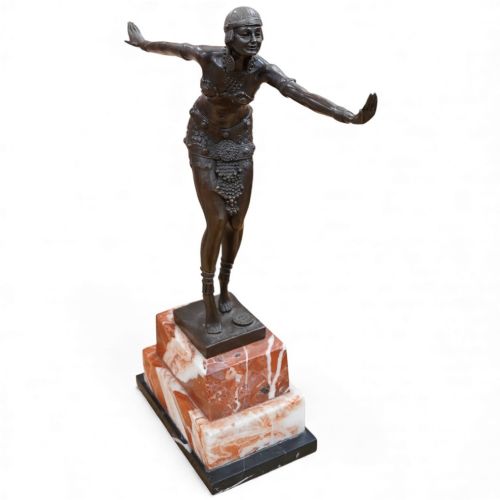
A vintage bronze lady statue represents female figures cast primarily during the Art Deco and Art Nouveau periods, alongside late nineteenth-century works and Edwardian pieces. Buyers frequently encounter tabletop sculptures, dancing figures, and figural lamps rendered in distinct regional styles.
The selection ranges from substantial French table lamps and graceful dancers to car mascots and portrait busts. Many pieces integrate functional elements such as lighting or mirrors into the sculptural form of the woman.
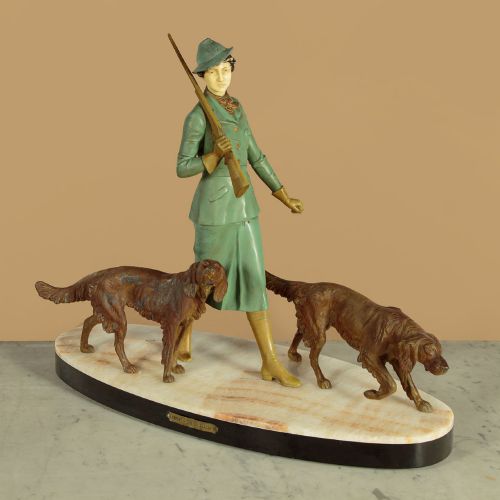
Originating largely from European studios, these figures utilise materials spanning from cast bronze to spelter and patinated metal, often mounted on substantial stone bases. Each example demonstrates the dominant decorative tastes of its specific decade.
Materials and production methods
Foundries cast these figures in bronze or spelter, applying patination to achieve varied surface tones and metallic finishes. Spelter served as a common alternative metal, particularly for figures produced during the nineteen-twenties.
Statues frequently feature bases of marble, onyx, alabaster, or wood, providing physical stability and contrasting textures to the metal figures above. Glass also appears in sculptural compositions, particularly in lamp designs.
Artists modelled the human form with careful attention to drapery, posture, and facial expression, capturing motion in dancers and stillness in portrait busts. Signatures and foundry marks occasionally appear cast directly into the metal.
Vintage Bronze Lady Statue Retail Price Guide 2026
Typical asking prices for vintage bronze lady statue among the pieces listed under this phrase on Sellingantiques today, from the lower quarter to the upper quarter. They describe what is for sale here now, not the wider market.
Distinctions in standard and execution
The choice of base material influences the overall presence of the object, with polished marble and onyx elevating the appearance compared to simpler wooden plinths. Integrated elements like lamp fittings or mirrors demonstrate higher ambition in design.
The depth and quality of the patination layer affect how light plays across the metal surface, reflecting the skill applied during the finishing stage in the foundry.
Georges Gori·D.H. Chiparus·Josef Lorenzl·Demetre Chiparus·Geo Maxim·Emmanuel Villanis·Henri Honore Ple·Jose Dunach·J C De Blezer
The Vintage Bronze Lady Statue Glossary
- Spelter
- A zinc-based alloy commonly used as a cost-effective substitute for bronze in decorative figures. It accepts patination well but is softer than true bronze.
- Patinated metal
- Metal treated with chemical solutions to produce a specific surface colour and finish. This technique protects the underlying material while enhancing visual depth.
- Chryselephantine
- A term describing statues made from a combination of bronze and ivory. These figures demand specific environmental conditions to preserve the organic components.
- Car mascot
- A sculptural ornament mounted on the radiator cap of an automobile. Many popular Art Deco figures were produced in smaller scales specifically for this purpose.
- Bust
- A sculpted representation of a person from the chest up. These pieces focus intensely on facial expression and hairstyle.
Vintage Bronze Lady Statue: Frequently Asked Questions
What is the difference between bronze and spelter figures?
Bronze is a durable copper alloy that takes a deep, lasting patina and holds fine casting details exceptionally well. Spelter is a softer zinc-based alternative that was often used for more accessible decorative figures.
While both metals can look remarkably similar when newly patinated, spelter is lighter and more brittle. Careful handling is required for spelter pieces to avoid surface damage over time.
How were these statues used originally?
Many of these figures served as pure decorative sculptures displayed on mantelpieces, desks, or cabinets. Others were integrated into functional objects such as table lamps, mirrors, or automobile radiator caps.
Their placement reflected the interior design trends of the early twentieth century, where art and everyday items merged. Collectors today continue to display them as focal points in domestic interiors.
How do I identify an Art Deco piece?
Art Deco figures typically feature streamlined geometric forms, stylised drapery, and dynamic poses associated with the nineteen-twenties and nineteen-thirties. The silhouettes are often bold and symmetrical.
Materials like marble and onyx bases further define the aesthetic of this era. The subject matter frequently celebrates modern movement, dance, and speed.
Where should I place a figural lamp?
Figural lamps require a stable surface with access to a power outlet where the full silhouette can be appreciated. Placement on a side table or sideboard allows the light to interact with the metal and stone base.
Consider the surrounding lighting in the room to ensure the lamp functions both as an illumination source and a visible sculpture.