
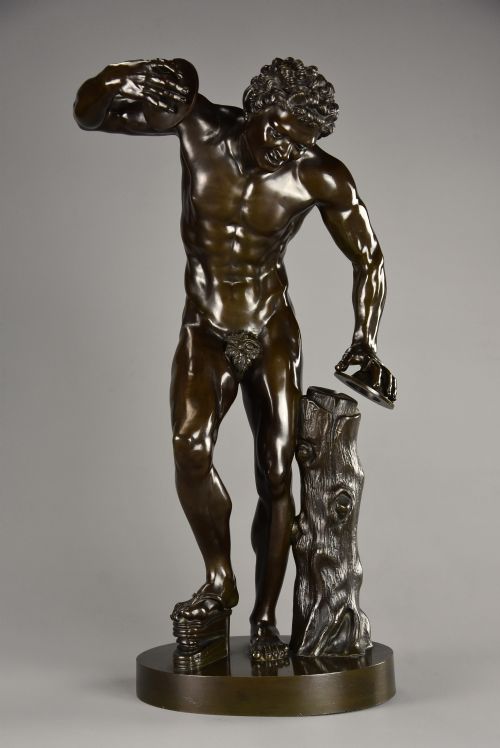


Bronze Dance Figurine
A bronze dance figurine captures movement in metal, bringing the energy of the stage directly into a room.
Bronze Dance Figurine
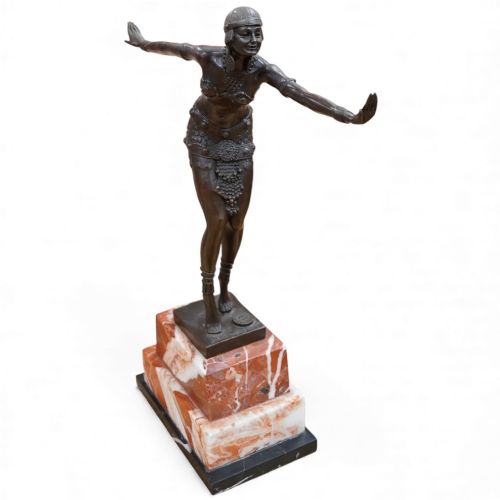
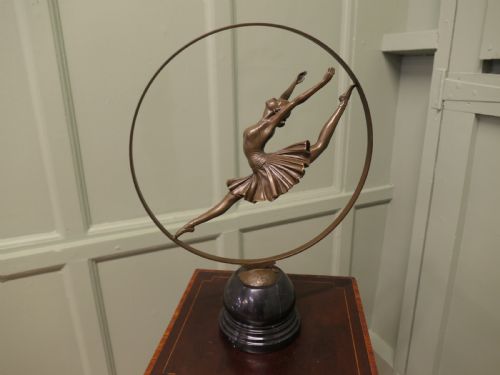
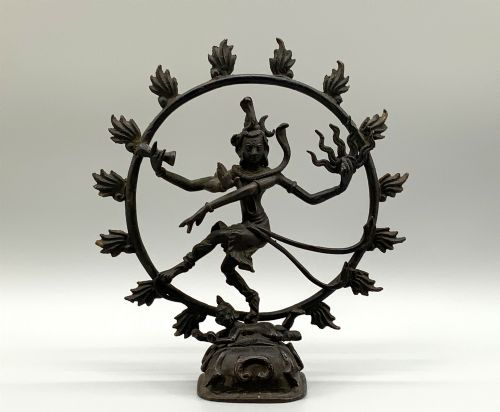
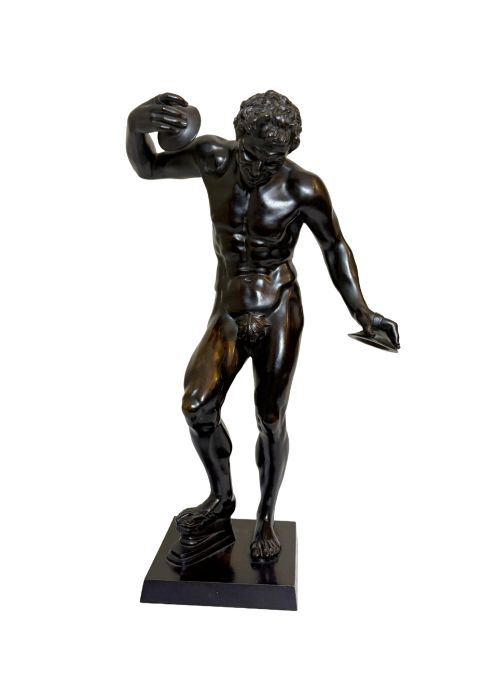
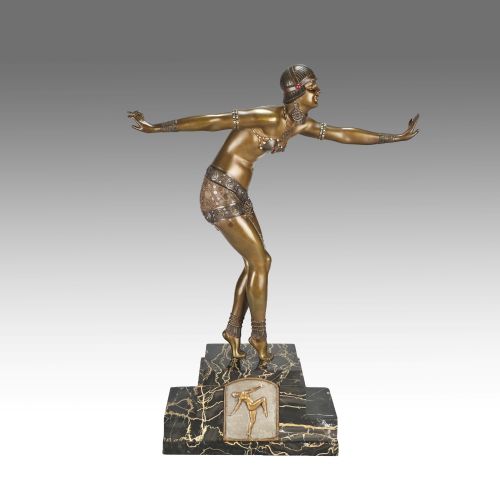
A bronze dance figurine encompasses varied interpretations of movement, from classical antiquity to the twentieth century. The selection ranges from nineteenth-century Grand Tour reductions of ancient dancers to striking Art Deco figures poised on marble or onyx bases.
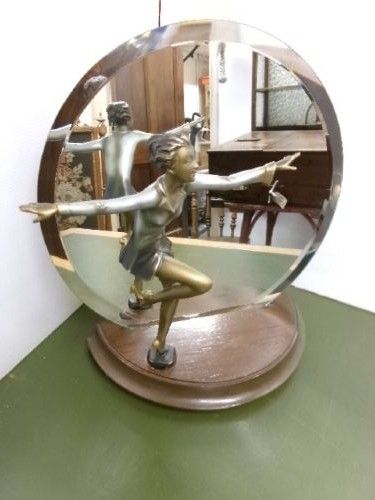
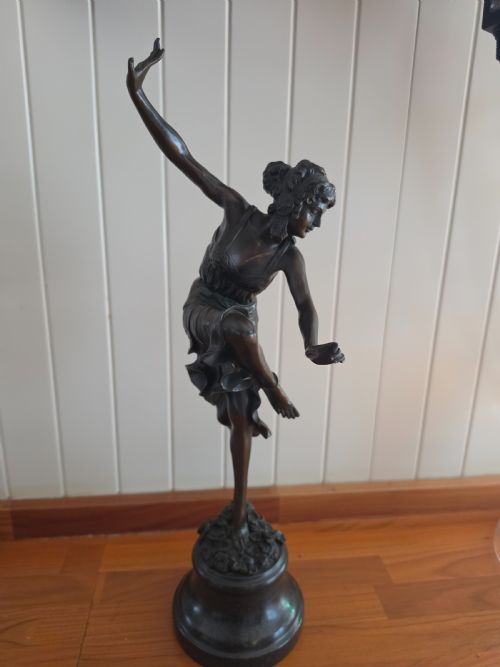
Most examples originate from European workshops and French foundries, capturing dancers, fauns, and mythological figures in mid-motion. Spelter alternatives appear alongside cast metal versions, offering similar forms in lighter alloys.
Materials and casting methods
Foundries utilised traditional casting methods to shape molten metal into dynamic forms, often applying patination to achieve varied surface tones. Gilt bronze and silvered finishes provide additional surface gleam to specific figures.
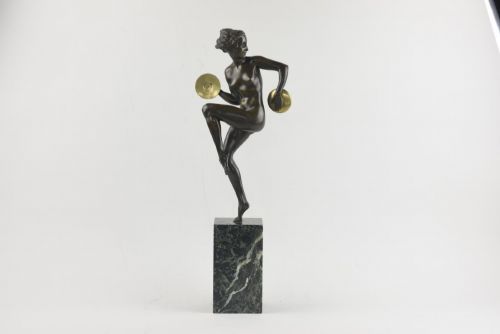
Plinths and integral mountings frequently incorporate contrasting materials such as marble or onyx, grounding the vertical figures and providing physical stability.
Several figures capture mythological fauns mid-dance, eternally frozen while playing cymbals or clappers.
Distinctions in craftsmanship
The sophistication of the patination and the density of the supporting stone base separate mass commercial output from superior sculptural works.
Pierre Collinet·Demetre Chiparus·Aurore Onu·Josef Lorenzl·Clodion·Eugène Désiré Piron·Bruno Zach·Charlotte Monginot·Mario Korbel·Pierre le Faguays
The Bronze Dance Figurine Glossary
- Patinated bronze
- Metal treated with chemical solutions to produce a specific surface colour or aged tone. This process enhances the definition of muscle and costume.
- Grand Tour
- A nineteenth-century tradition where travellers collected classical bronze reductions of famous antiquities. These souvenirs replicated museum sculptures in smaller scales.
- Spelter
- A zinc alloy commonly utilised as a less costly alternative to bronze. It often mimics heavier metal finishes through applied patination.
- Lost-wax casting
- A historic method where a wax model is melted out of a mould to receive molten metal. This technique allows for intricate detail in figurative sculpture.
Bronze Dance Figurine: Frequently Asked Questions
How do I date a bronze dancer?
Dating relies on stylistic markers such as the geometric lines of Art Deco or the classical drapery of nineteenth-century Grand Tour pieces. Foundry stamps and artist signatures also help establish the period of creation.
Material choices provide further context, as onyx bases and spelter alloys often point towards specific decades of manufacture.
What is a Grand Tour sculpture?
These pieces were produced as souvenirs for wealthy travellers visiting European antiquities during the nineteenth century. They replicated famous museum statues, such as the Dancing Faun of Pompeii, in a portable scale.
Foundries in Italy and France specialised in these careful reductions to satisfy collector demand abroad.
How should I clean my bronze figure?
Dust the surface gently with a soft, dry cloth to prevent the accumulation of grit within the crevices. Avoid using chemical polishes or water, which can strip the patinated surface.
Maintaining a stable indoor humidity helps protect both the metal and any accompanying marble or onyx base.
Are spelter and bronze the same?
Spelter is a zinc-based alloy that is significantly lighter and softer than true bronze. It was frequently used for decorative figures because it melted at lower temperatures.
Close inspection of the base or underside often reveals the lighter grey metal beneath any applied bronze-coloured finish.