


Vintage Bronze Desk Timepiece
A vintage bronze desk timepiece brings weighty metalwork and precise mechanical timekeeping to any surface.
Vintage Bronze Desk Timepiece
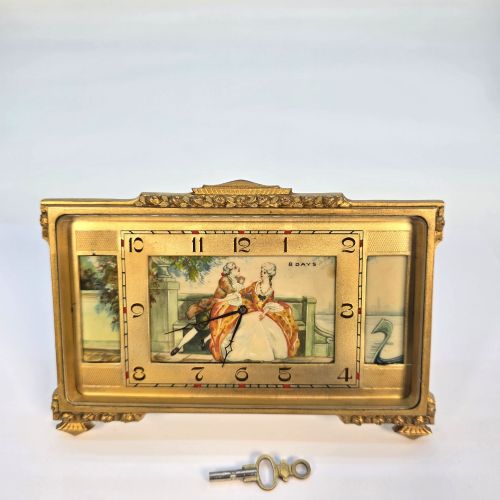
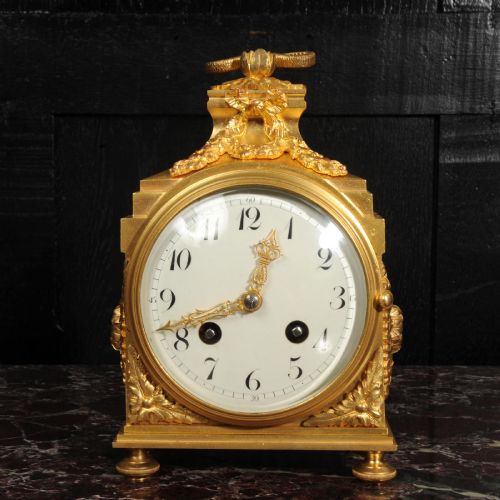
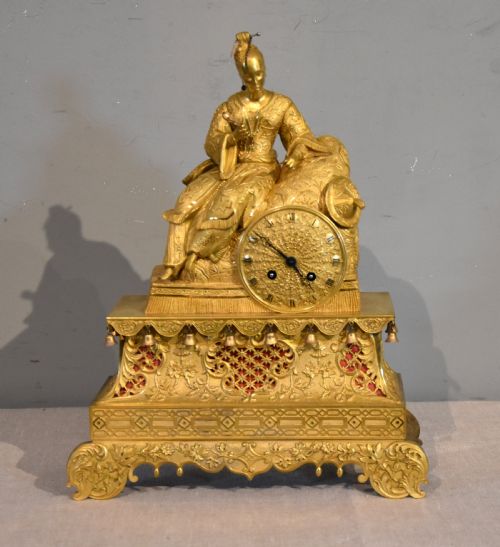
A vintage bronze desk timepiece is a small, heavy clock designed for a table or surface, constructed from bronze and frequently enriched with gilding, ormolu, or marble. These objects span periods from the Regency era through to the Art Deco decades of the twentieth century.
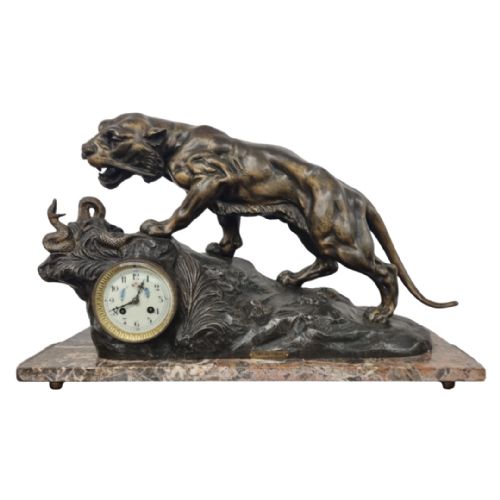
Most examples encountered on this page originate from French workshops, ranging from architectural carriage clocks and boudoir pieces to sculptural mantel designs. They combine functional movements with ornamental metal casting, animalier figures, or enamel dials.
Materials and Construction
Craftsmen utilised cast bronze, patinated bronze, and brass, often applying mercury gilt or ormolu to create brilliant metallic surfaces that contrast with dark patination. Enamel dials, glass panels, and red or white marble bases provide structural weight and visual variety.
Movements relied on intricate brass gear trains, fusee mechanisms, and escapements housed within architectural bronze cases, crystal glass enclosures, or marble plinths. Engraving, cast lion masks, and figural ornaments were applied by hand to finish the metalwork.
Some bronze timepieces feature mechanical beam engines and tigers locked in eternal standoffs with serpents.
Factors of Quality
The sophistication of the bronze casting and the crispness of the chasing separate superior examples from simpler ones. Sharp details in figural elements, deep engraving, and heavy gilding indicate high workmanship.
The integration of materials also defines the piece, such as the precision fit of glass panels in crystal regulators or the quality of the marble base supporting the bronze structure. Signed movements by known makers elevate the standing of the clock.
R Varnier·Louis Goret·Andre Guilmet·Henry Berkeley Square London·Baetens London·Asprey Of London·Payne of London
The Vintage Bronze Desk Timepiece Glossary
- Ormolu
- A gilded bronze technique utilising finely ground gold mercury amalgam applied to a cast brass or bronze object. This process yields a rich, durable golden finish popular in French decorative arts.
- Fusee
- A conical pulley used in mechanical clocks to maintain even drive force as the mainspring unwinds. It ensures consistent timekeeping across the duration of the wind.
- Crystal Regulator
- A clock housed in a glass case with bevelled panes held within a brass or gilt bronze frame. This style allows light to pass through and reveals the movement from all sides.
- Animalier
- A nineteenth-century artistic style depicting animals in realistic or dramatic poses. In clockmaking, these subjects appear as cast bronze figures integrated into the case.
- Pendule d'Officier
- A portable French officer's clock featuring a carrying handle and a robust movement. These timepieces were designed for travel and military campaigns.
Vintage Bronze Desk Timepiece: Frequently Asked Questions
How do I wind a vintage bronze desk timepiece?
Most of these clocks use a key inserted into the dial or back plate to tension the mainspring. Care must be taken not to overwind the movement.
Consult the specific escapement type before adjusting the hands or regulating the pendulum speed.
Where should I place a heavy bronze clock?
Place the clock on a stable, level surface such as a desk, mantelpiece, or heavy cabinet where vibrations are minimal. The substantial weight of bronze and marble requires sturdy support.
Avoid locations exposed to direct sunlight or damp air to protect the dial enamel and metallic patination.
How do I identify the period of a bronze timepiece?
Examine the stylistic cues, such as the clean geometric lines of Art Deco pieces or the classical motifs of Regency and French Empire designs. Material combinations like red marble and gilt bronze also point to specific manufacturing eras.
Maker signatures and dial typography offer further clues to the exact decade of production.
What is the difference between a timepiece and a clock?
In horological terms, a timepiece is a clock that measures and indicates the time without a striking mechanism for hours or quarters. Many smaller desk and boudoir pieces are strictly timepieces.
Clocks with striking trains include additional gear trains and hammers that sound bells or gongs on the hour.