
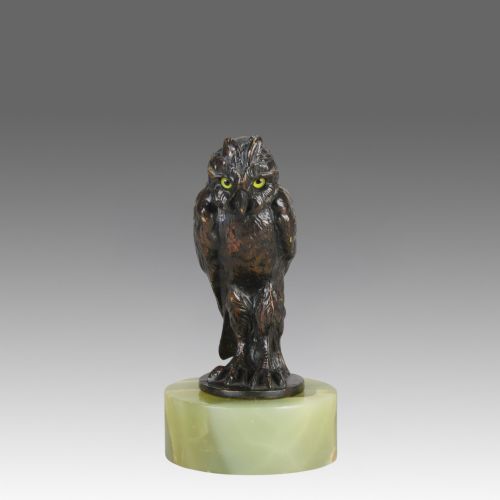
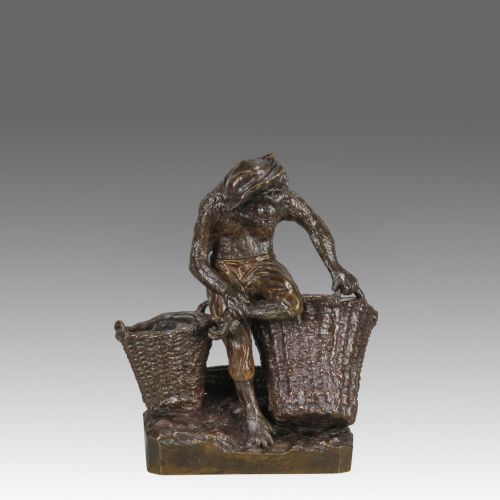
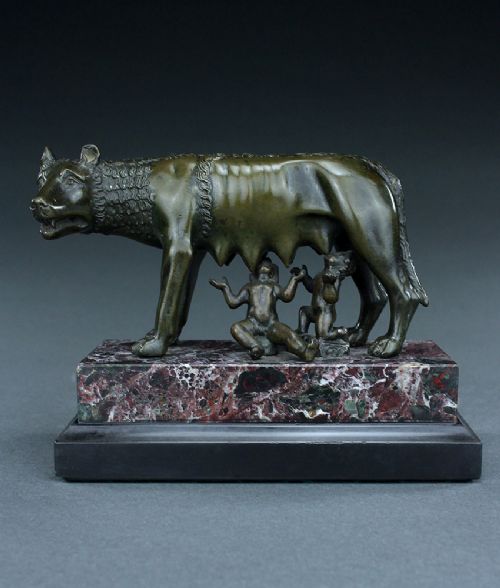
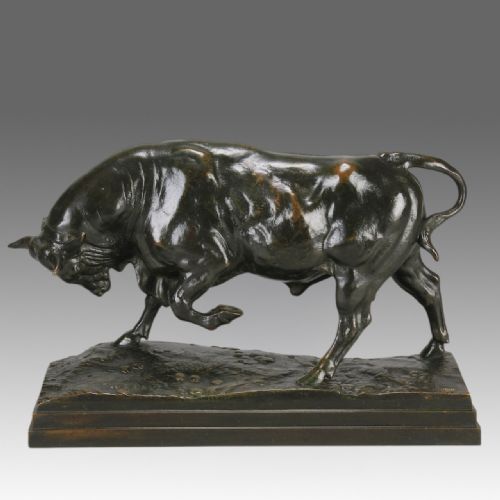
Vintage Bronze Desk Ornament
A vintage bronze desk ornament brings tactile weight and classical line to a workspace, offering small-scale sculpture cast in metal with rich patination.
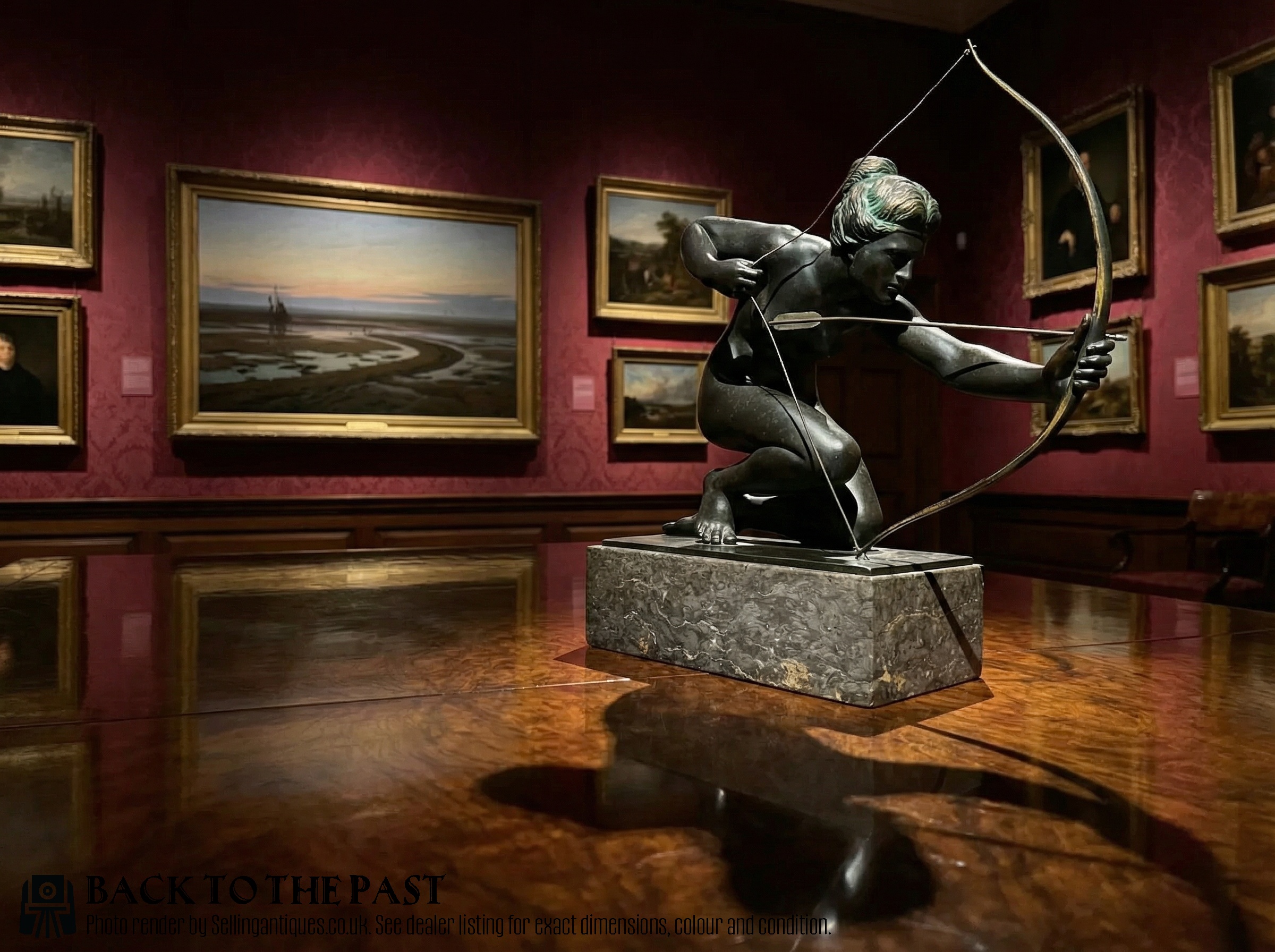
Understanding the pieces
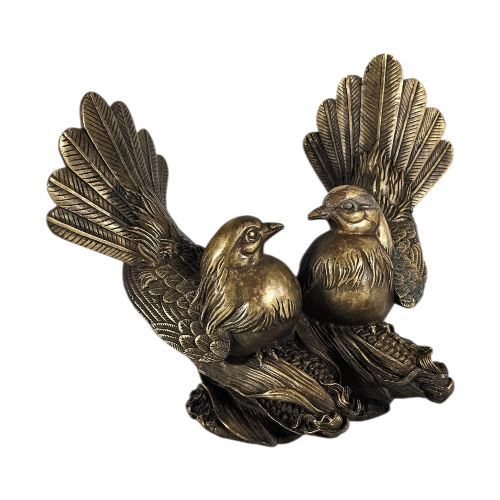
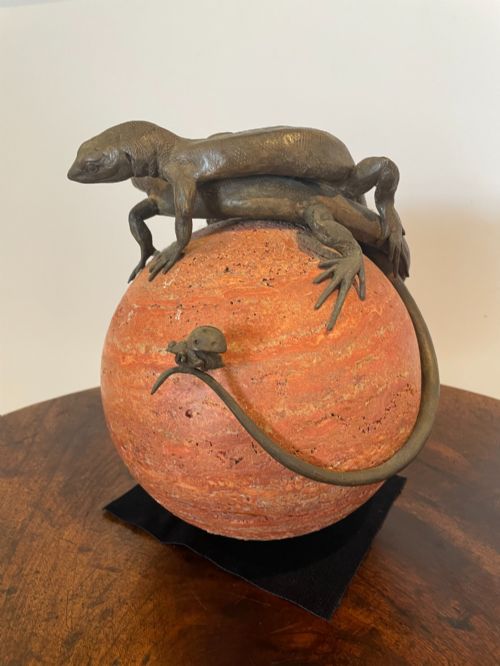
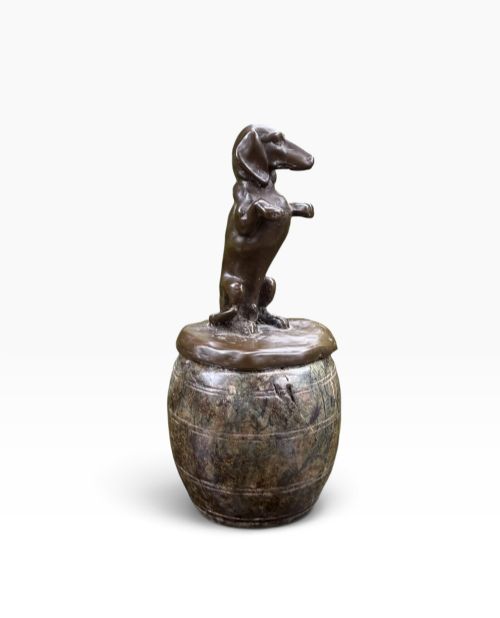
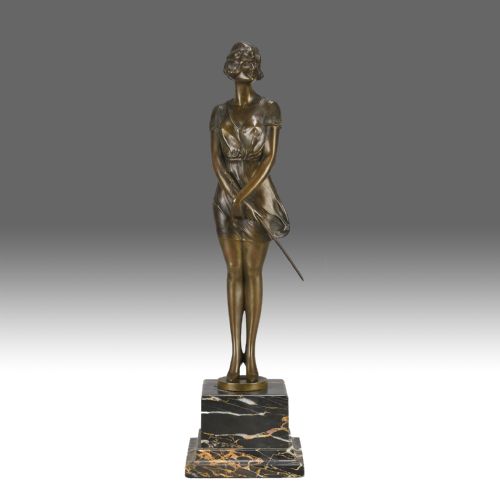
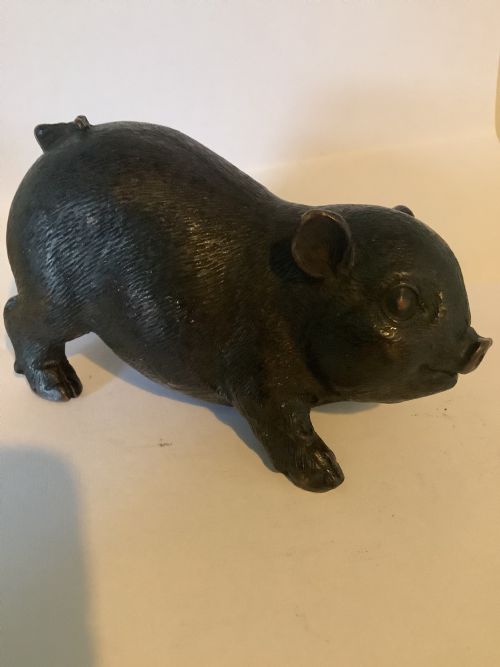
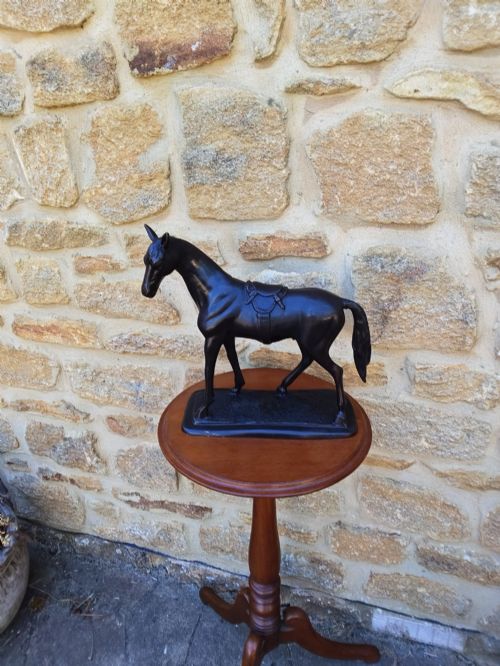
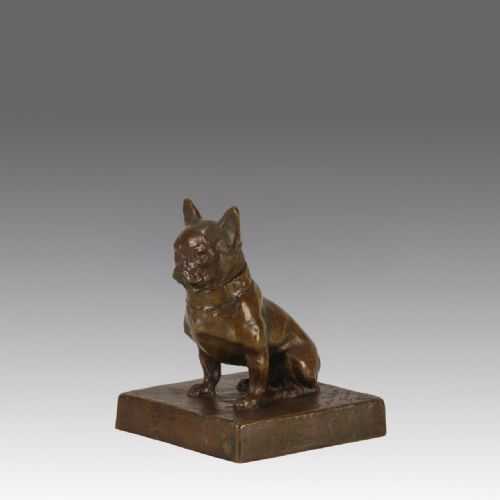
A vintage bronze desk ornament encompasses small sculptural figures and animalier studies designed to sit upon a writing surface. These pieces range from classical mythological figures to sporting dogs and stylised human forms.
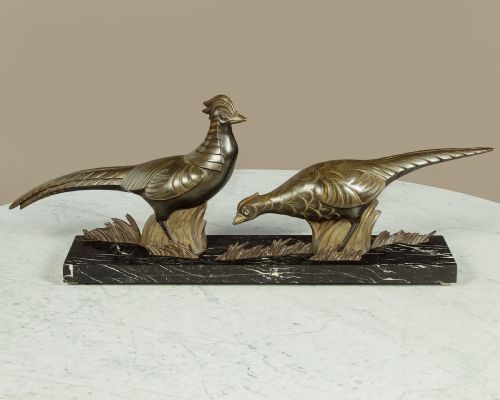
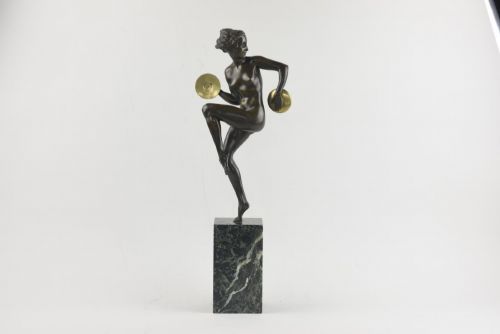
The most common examples on this page date from the early twentieth century, particularly the nineteen-twenties and nineteen-thirties. Art Deco and Vienna Bronze styles dominate the selection, often mounted on heavy stone bases.
Makers utilised contrasting materials such as marble and onyx to anchor the heavy metal castings. Each ornament serves both a decorative purpose and the practical function of a paperweight.
Materials and technique
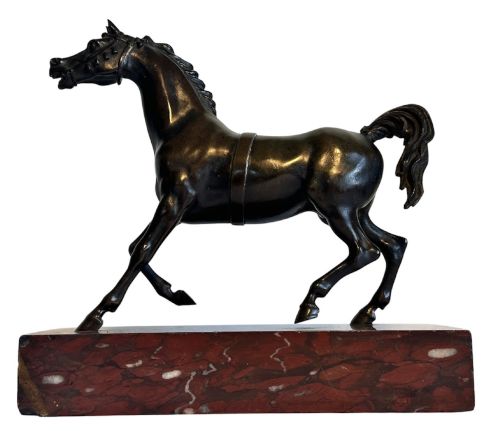
Foundries cast these pieces using traditional methods, resulting in substantial metal objects with varying surface textures. Artisans frequently mounted the bronze sculptures onto shaped bases of marble or onyx.
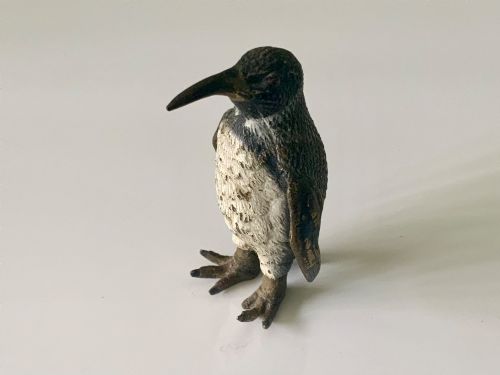
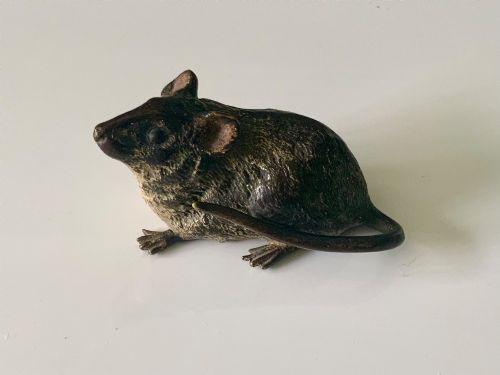
Certain Austrian and continental pieces received cold-painted finishes applied over the metal surface rather than high-heat firing. Signatures and foundry marks were often chiselled or cast directly into the bronze during production.
Retail Price Guide 2026
Typical UK retail prices for vintage bronze desk ornament, calculated from the Sellingantiques database of over a million retail prices indexed since 2003. This retail price guide relies exclusively on Sellingantiques data; no external sources or auction records are used, so the figures do not describe the wider market.
Current listings span the mid-nineteenth century through the nineteen-thirties, featuring bronze, marble, onyx, brass, and wood.
What separates the grades
The choice and finish of the base material further distinguish the range. Dense, well-polished marble or onyx adds stability and presence, whereas poorly fitted bases diminish the overall visual balance.
Antoine L Barye·P Sega·R Henn·C Neuhaus
The Vintage Bronze Desk Ornament Glossary
- Animalier
- A nineteenth-century French term for sculptures depicting animals with anatomical realism. Antoine-Louis Barye established this artistic tradition.
- Cold-painted bronze
- A method where paint is applied to a finished bronze object without firing. This technique was widely used in Austrian workshops.
- Vienna Bronze
- Small cast metal figures produced in Austrian foundries during the late nineteenth and early twentieth centuries. They are known for lively subject matter.
- Art Deco
- A design style emerging in the nineteen-twenties characterised by streamlined geometric forms and stylised human figures. It heavily influenced desk ornaments of the period.
Frequently Asked Questions
What is a vintage bronze desk ornament?
It is a small cast metal sculpture, often depicting an animal or human figure, made to sit upon a desk. Many examples double as decorative paperweights.
These pieces reflect the artistic styles of the nineteenth and early twentieth centuries, particularly Art Deco and Animalier movements.
How are these ornaments mounted?
Many figures are secured directly onto polished bases made of marble or onyx. This adds necessary weight and creates a formal framing effect.
Some smaller castings stand independently without a separate base, relying entirely on the metal foot for balance.
How do I care for bronze?
Dust the surface gently with a soft, dry cloth to prevent accumulation. Avoid abrasive cleaners or polishes that can strip the original patination.
Keep the piece away from direct moisture and extreme temperature fluctuations to preserve the metal and stone components.
Are these pieces signed?
Certain sculptures feature artist signatures or foundry marks incised directly into the bronze. These markings help attribute the work to specific sculptors.
Unsigned pieces remain common, often originating from anonymous European foundries of the early twentieth century.