

Vintage Bronze Accent Lamp
A vintage bronze accent lamp brings a focused pool of warm light and tactile metalwork to a desk or side table.
Vintage Bronze Accent Lamp
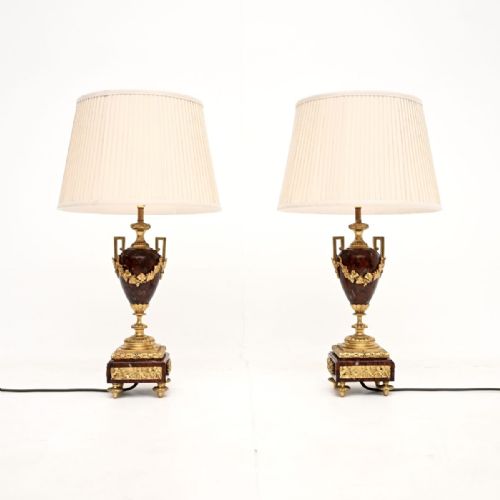
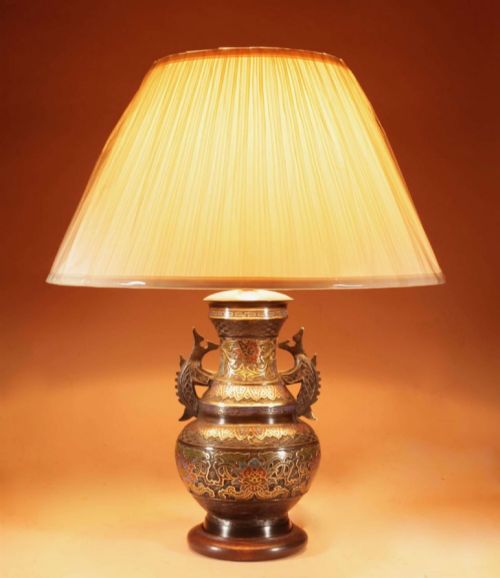
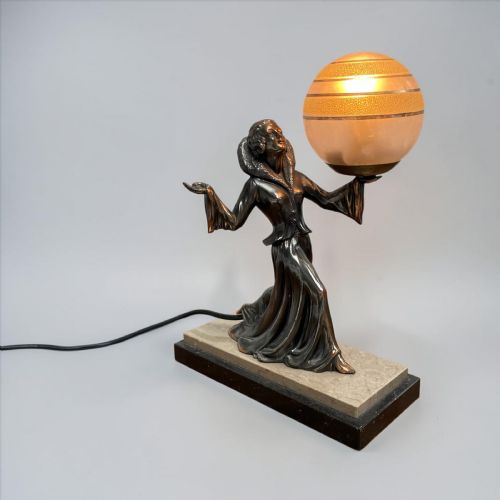
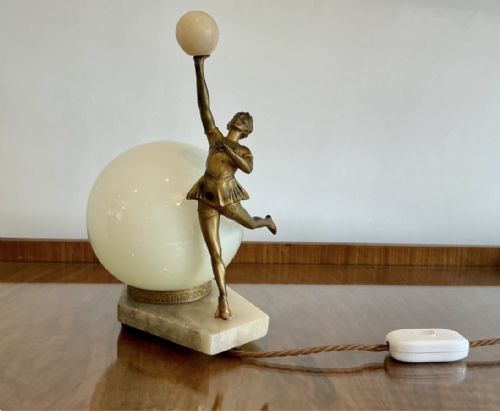
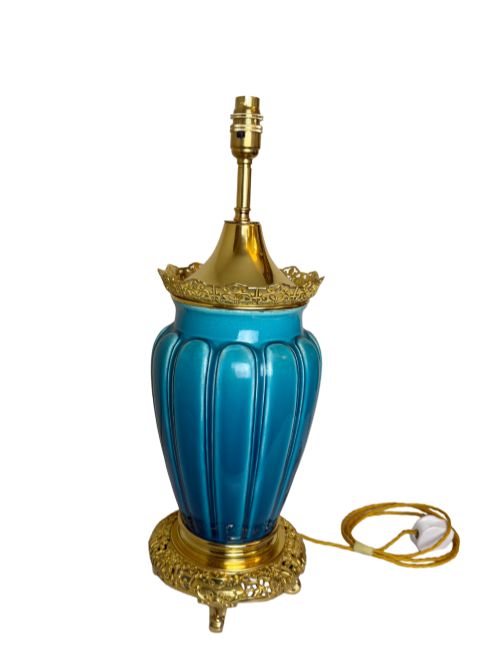
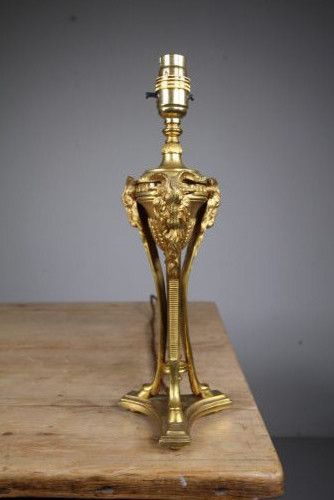
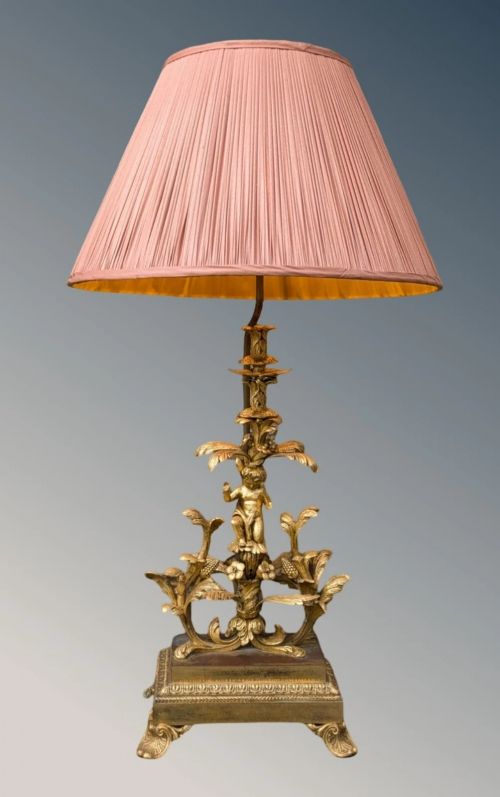
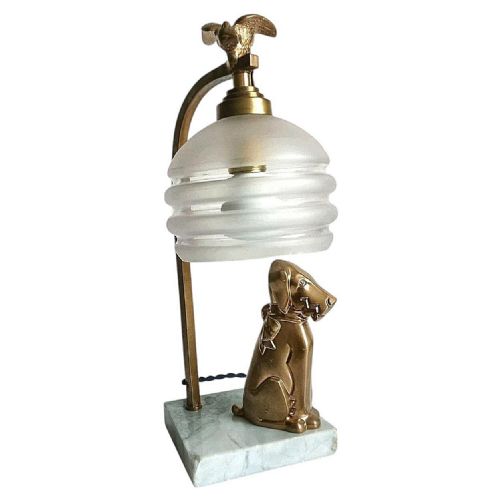
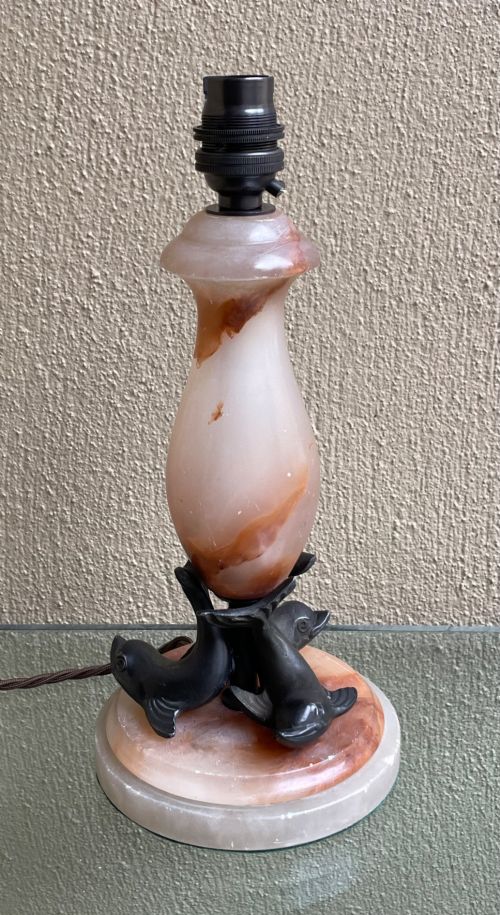
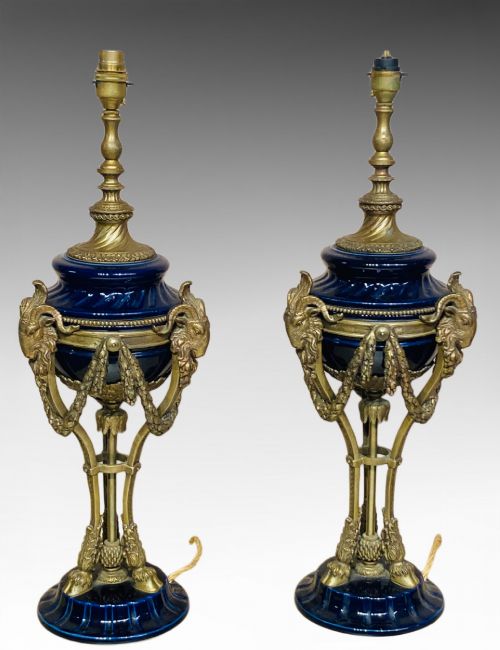
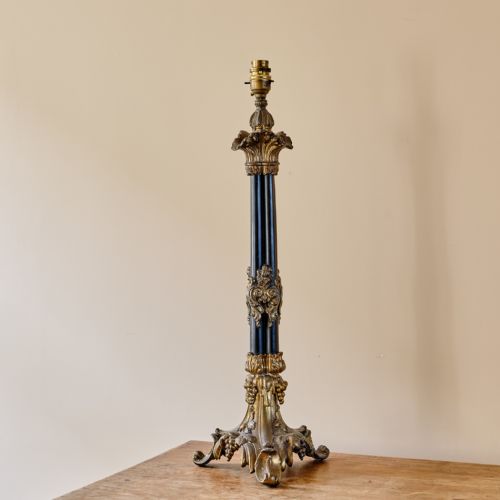
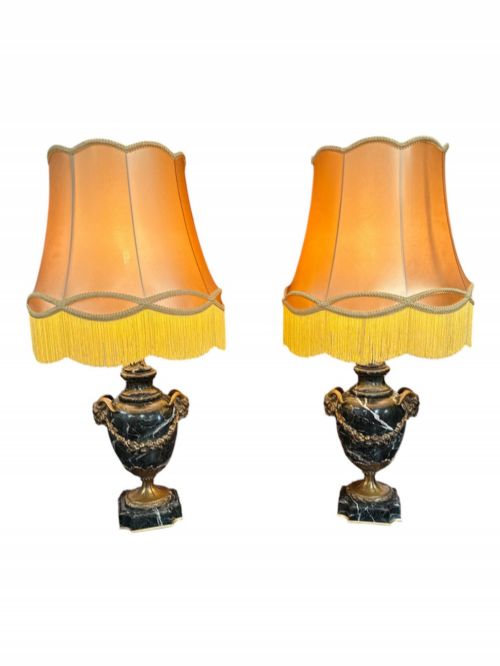
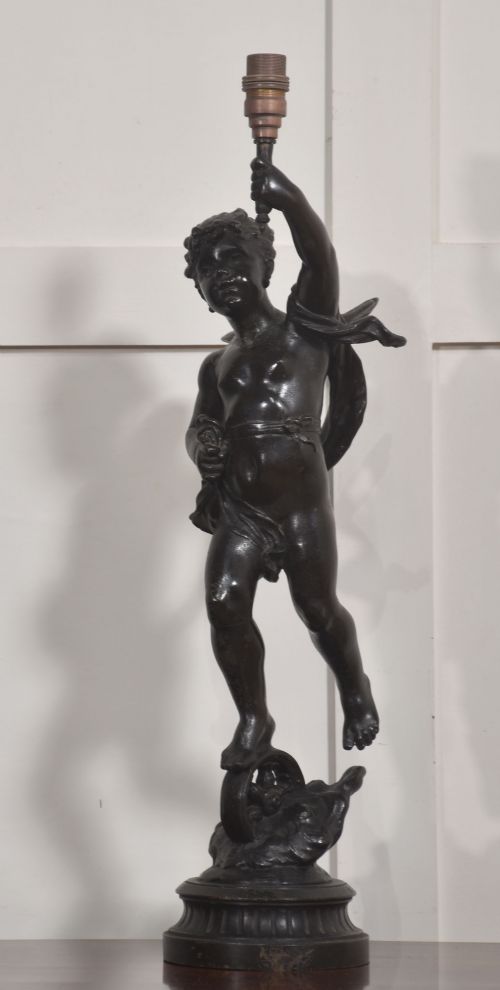
When searching for a vintage bronze accent lamp, buyers encounter pieces primarily shaped as figural table lamps, urns, and decorative columns spanning from the nineteenth century through the art deco period. The selection on this page demonstrates significant French influence, alongside English and Japanese aesthetic streams, reflecting a history of domestic lighting that prioritised ornamentation. Forms range from slender neoclassical motifs to dynamic twentieth-century novelty designs involving figures and animals.
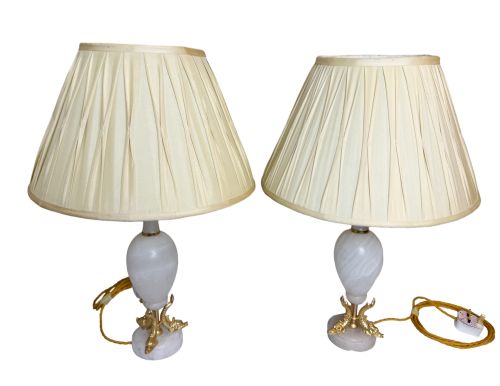
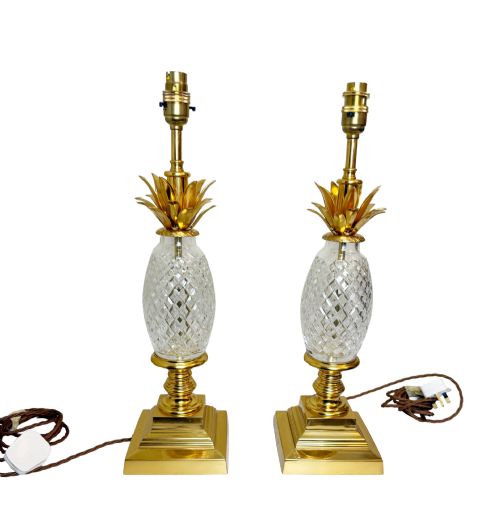
The materials paired with the metal define these lamps just as much as the bronze itself, with marble, onyx, porcelain, and crystal frequently serving as bases or body sections. Many examples integrate fabric shades or glass elements such as frosted shades and cut crystal components. Alongside table lamps, occasional lamp tables incorporating gilt brass or ormolu mounts appear in the selection, showing how lighting and small furniture intersect in period interiors.
Distinctions in quality and execution
Quality reveals itself in the crispness of the chasing and the depth of the metal finishing. Superior pieces show hand-chased surface details where the artist has refined the raw casting, whereas lesser examples retain soft edges and uniform machine textures. The weight of the metal and the solidity of the marble or onyx bases separate substantial studio work from lighter commercial productions.
The integration of mixed materials also indicates standard of manufacture. Top-tier lamps feature tight joints between the bronze mounts and porcelain or crystal bodies without visible gaps or excessive adhesive. Furthermore, the fidelity of the sculptural modelling - whether a classical ram head or an art deco figure - determines the artistic merit of the piece.
Cleopatra gazes past an asp while standing as a heavy metal sentinel on the desk.
François Linke·Ivan Zaiec
The Vintage Bronze Accent Lamp Glossary
- Ormolu
- Gilded bronze, typically produced by applying a mercury-gilding amalgam to a bronze base in nineteenth-century French workshops. The technique yields a rich, durable golden surface.
- Spelter
- A zinc alloy frequently utilised as a cost-effective substitute for bronze during the art nouveau and art deco periods. It takes patination well but is softer and lighter than true bronze.
- Champlevé
- An enamelwork technique where recesses are gouged into the metal surface and filled with vitreous enamel prior to firing. Japanese and European makers applied this to decorative panels on lamp bases.
- Cloisonné
- A method of decorating metalwork objects using wires soldered to the base to form compartments filled with enamel paste. It often appears on decorative Oriental vessels adapted into lighting.
- Patina
- The surface sheen and coloration developed on bronze through age and chemical treatment. A well-preserved patina adds visual depth to the metal contours.
Vintage Bronze Accent Lamp: Frequently Asked Questions
How do I identify a true bronze lamp from spelter?
True bronze is heavier, colder to the touch, and exhibits a more resonant sound when gently tapped than zinc-based spelter. Additionally, bronze permits sharper chased details that do not blur.
Examining the underside or concealed interior areas often reveals the distinct reddish-brown tone of bronze compared to the greyish metal visible beneath worn plating on spelter pieces.
What periods do these lamps usually come from?
The pieces span the nineteenth century through to the mid-twentieth century, encompassing Victorian, Edwardian, art nouveau, and art deco movements. Mid-nineteenth-century items often favour ornate revival styles.
Later twentieth-century examples shift towards stylised figures and streamlined marble or onyx combinations reflecting changing modern tastes.
Are these lamps wired for modern use?
Many period lamps have been re-wired at various points in their history to comply with contemporary electrical standards. Buyers should inspect the internal wiring upon acquisition to ensure safety.
Original brass lamp holders are sometimes retained for authenticity, though modern flexible cords and plugs are standard additions for everyday domestic use.
How should I clean a vintage bronze lamp?
Dusting gently with a dry, soft microfibre cloth is sufficient for routine maintenance of patinated bronze surfaces. Avoid aggressive commercial metal polishes that strip away historical patination.
Marble or onyx bases can be wiped down with a damp cloth and dried immediately to prevent moisture rings on porous stone.