
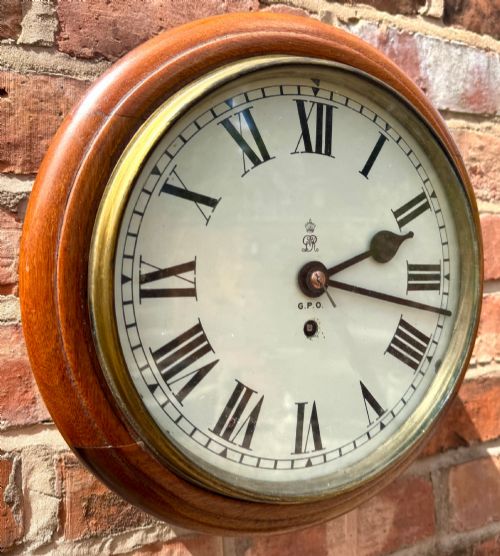
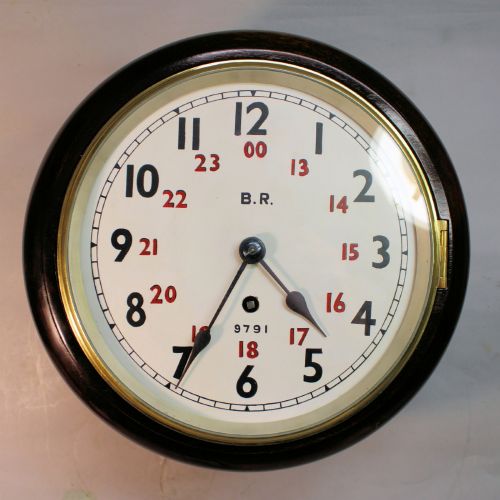

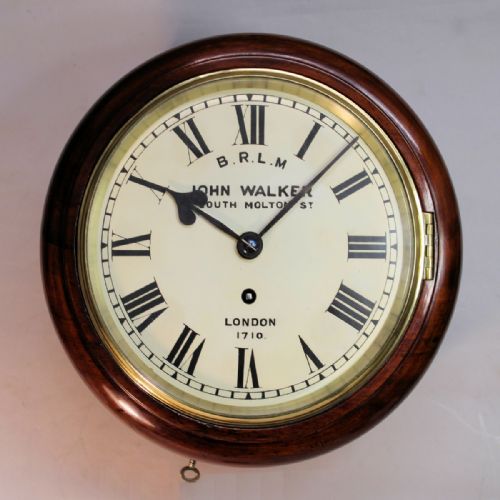
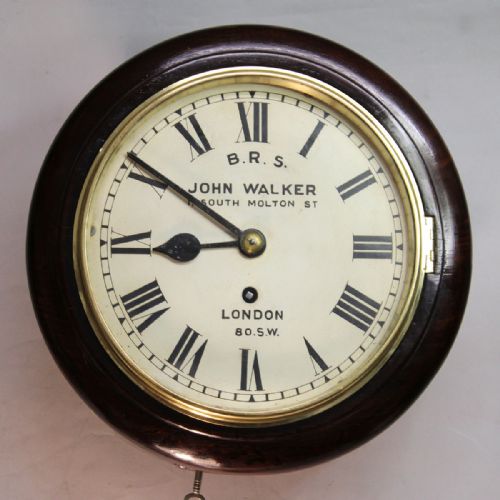


Vintage British Railway Clock
A vintage british railway clock brings the weight of the line and the steady tick of the stationmaster's office directly into a room.
Vintage British Railway Clock
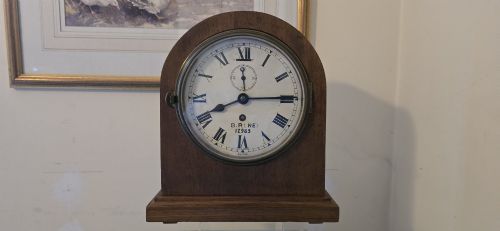
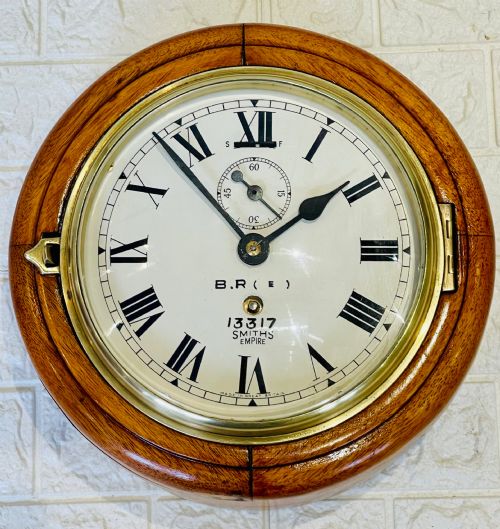
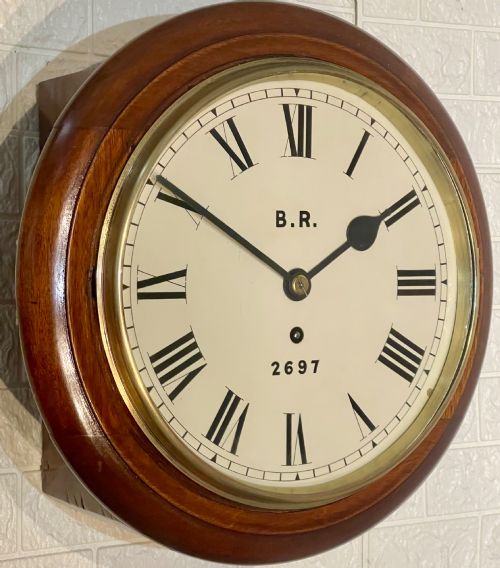
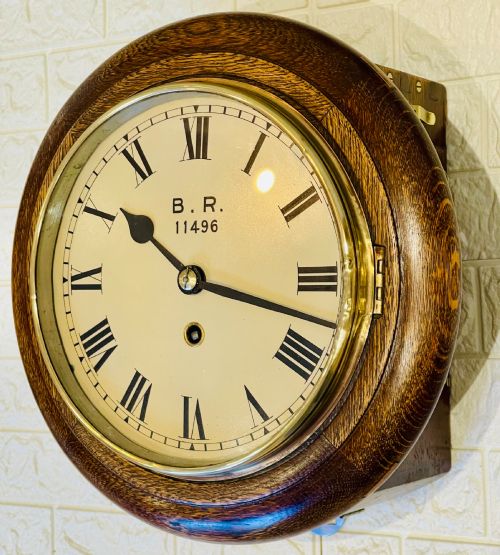
A vintage british railway clock is a heavy-duty timekeeper built for stations, signal boxes, and administrative offices across the network. These pieces survive in wall clock formats, ranging from compact eight-inch dials to larger station master variants.
The versions most commonly met on this page span the Victorian and Edwardian eras through to the mid-twentieth century, capturing periods like 1940, 1920, and 1880. They carry the identity of specific companies and regions, such as the L.N.E.R., N.E.R., and Great Western Railway.
Makers such as John Walker and Smith stamped their authority on these dials, while cases often reflect utilitarian spaces like Lymington Town station or Peterborough East. Collectors look for these specific geographical and company associations to anchor the history of the piece.
Materials and construction
Cases are principally built from robust timbers like mahogany and oak, designed to withstand the vibrations and dampness of transport hubs. Iron, brass, and steel components form the internal movements and bezels, while early plastics such as Bakelite appear in later twentieth-century iterations.
Glass protects the dial face, which sits within a sturdy wooden surround often secured by side doors or locking pins. Fusee movements provide the mechanical reliability required for precise timekeeping across demanding railway schedules.
Listings incorporate timber cases in oak and mahogany alongside brass and iron elements, spanning the Victorian period through to nineteen-fifty.
Judging quality and provenance
The distinction between standard utility timepieces and finer examples lies in the integrity of the original movement and the clarity of company markings. Fusee dial clocks with stamped numbered cases and documented station origins command greater interest.
The crispness of dial lettering and the preservation of the timber case determine the visual standard. Pieces that retain their original maker signatures, such as John Walker or Camerer Cuss & Co, demonstrate superior heritage.
John Walker·Smith·Gents of Leicester·Camerer Cuss & Co
The Vintage British Railway Clock Glossary
- Fusee
- A conical pulley used in older clock movements to maintain an even pull as the mainspring unwinds. This mechanism ensures consistent timekeeping across the duration of the wind.
- Dial
- The visible face of the clock where the numbers and hands are displayed. On railway pieces, these are typically painted or enamelled iron.
- Signal Box
- A small building beside the tracks from which signals and points were operated. Clocks placed here endured heavy use and specific environmental conditions.
- Bezel
- The ring of brass, wood, or iron that holds the glass protecting the clock face. It often hinges open to allow access for winding and setting.
Vintage British Railway Clock: Frequently Asked Questions
How do I wind a fusee railway clock?
Most fusee movements require a specific winding key inserted into the dial face to tension the mainspring.
Care should be taken not to overwind the mechanism, stopping as soon as resistance is felt.
Where were these clocks originally hung?
These timepieces were mounted on the walls of station master offices, platform concourses, and signal boxes.
They needed to be clearly visible to both railway staff and waiting passengers.
How can I tell the age of a railway clock?
Dating relies on the style of the timber case, the lettering on the dial, and any company stamps.
References to specific railway networks like the N.E.R. or L.N.E.R. provide a narrower timeframe of manufacture.
What maintenance do these movements need?
Mechanical clocks benefit from professional cleaning and oiling every few years to keep the gear train running smoothly.
Placing them on a stable, vibration-free wall helps maintain accurate timekeeping.