


Industrial Railway Clock
An industrial railway clock is a robust timekeeper built for stations and lines, prized for clear dials and heavy cases.
Industrial Railway Clock
An industrial railway clock serves as a reliable timekeeper built for transport networks, stations, and signal boxes. When exploring this selection, buyers frequently encounter wall clocks spanning the Edwardian era through the nineteen-forties.
The evidence shows diverse regional origins and operational contexts, including British railway companies, London transport, and French workshops. Wall clocks dominate these listings, appearing alongside specific station, signal box, and factory formats.
How they were made
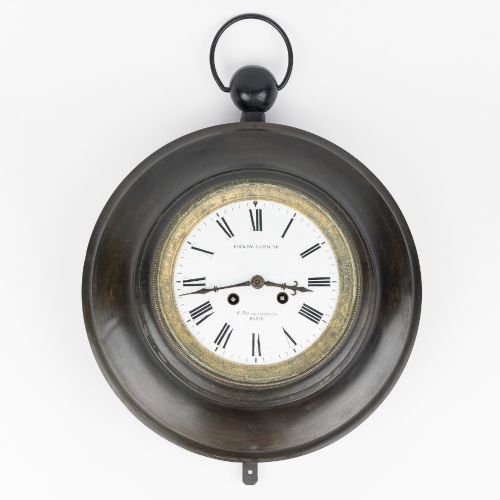
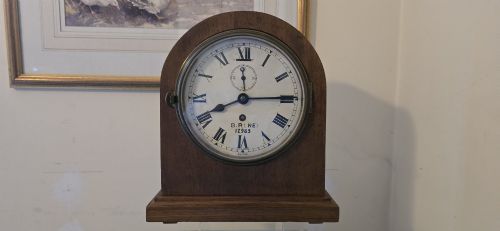
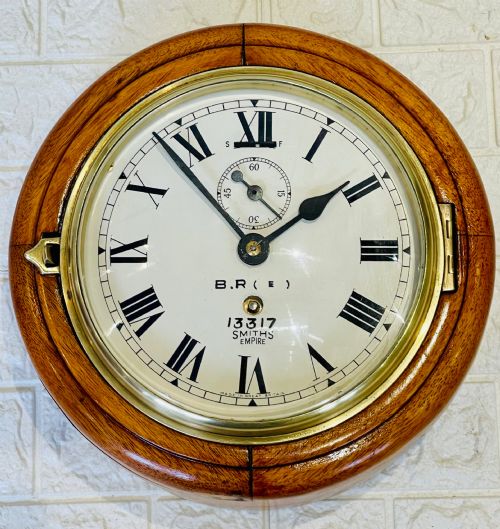
Maker workshops constructed these heavy cases from robust timbers like oak and mahogany, paired with durable iron, brass, and metal components. Dials typically feature clear glass fronts protecting painted enamel faces designed for distance legibility.
Movements rely on traditional mechanical engineering, notably fusee mechanisms in British railway examples and specialised electrical or mechanical systems in French and factory pieces.
Listings feature oak, mahogany, brass, iron, and enamel across pieces spanning the Edwardian period through nineteen-forty.
What varies in quality
Quality separates standard utility timepieces from exceptional signed examples by prominent makers like John Walker, Smith, or Gents of Leicester. The refinement of the case timber and the precision of the dial markings distinguish superior pieces.
Original provenance and company markings, such as specific railway region stamps or operational reference numbers, elevate the historical interest of a piece.
John Walker·Smith·Gents of Leicester·Lepaute Paris
The Industrial Railway Clock Glossary
- Fusee dial
- A clock face driven by a fusee movement, which uses a cone-shaped pulley to maintain even tension as the mainspring unwinds.
- Signal box
- A small railway building housing levers and instruments, where specialised compact clocks coordinated line operations.
- Enamel
- A fused glass coating applied to metal dials, providing a durable, wipe-clean surface that resists yellowing over time.
- Double sided
- A clock configuration featuring two opposite-facing dials, historically mounted perpendicularly to walls in station corridors for bidirectional viewing.
Industrial Railway Clock: Frequently Asked Questions
Where were these clocks used?
Railway companies positioned these timekeepers in bustling station concourses, operational signal boxes, and administrative offices to maintain strict timetables.
They also served in connected transport networks and heavy industrial factories where accurate timing governed daily operations.
How do I hang a heavy railway clock?
Due to the substantial weight of iron bezels and hardwood cases, secure wall mounting requires fixing directly into structural studs or masonry.
Many examples feature side doors or front bezels that swing open, allowing access to internal mounting screw holes positioned within the case back.
What is a fusee movement?
A fusee movement incorporates a conical pulley that equalizes the diminishing force of the mainspring as it runs down.
This mechanical refinement ensures consistent power delivery to the gear train, improving timekeeping accuracy across the duration of the wind.
How do I date an industrial clock?
Dating relies on company insignia, regional railway lettering, and stylistic cues in the wooden or metal case construction.
Maker signatures and stamped reference numbers inscribed on dials or movements provide further chronological markers pointing to specific decades.