
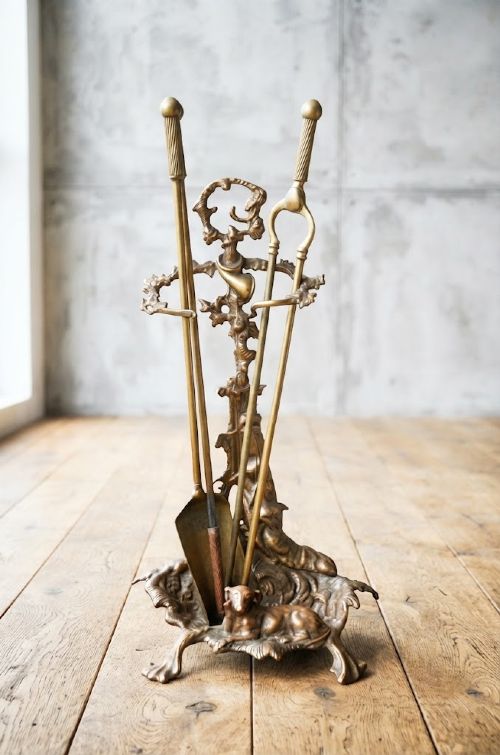
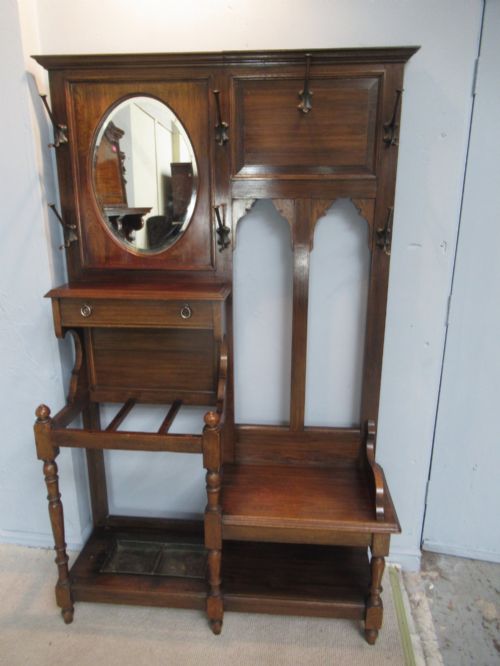
Vintage Brass Stick Stand
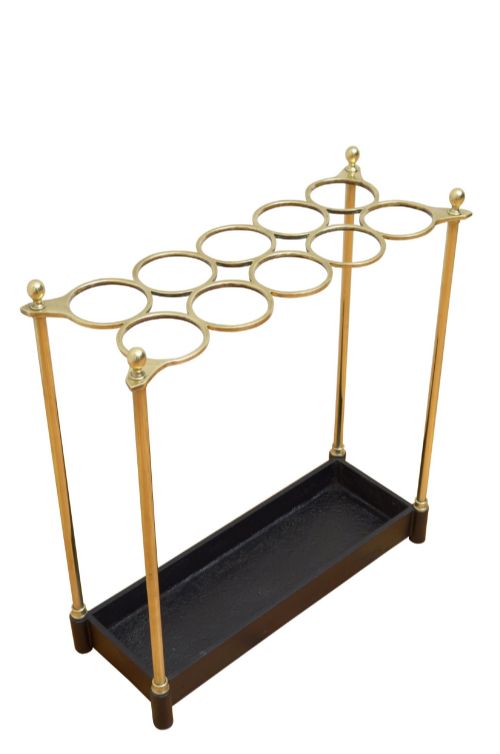
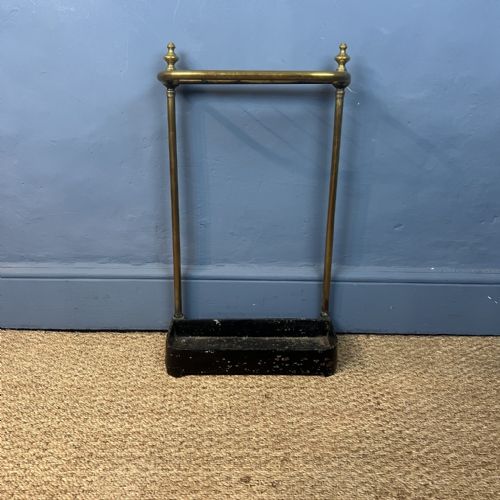
A vintage brass stick stand brings orderly utility to a hallway through polished metal and sturdy cast iron.
Vintage Brass Stick Stand
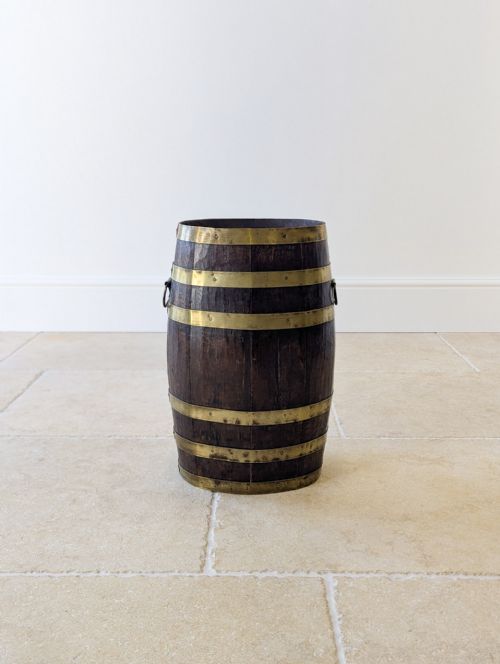
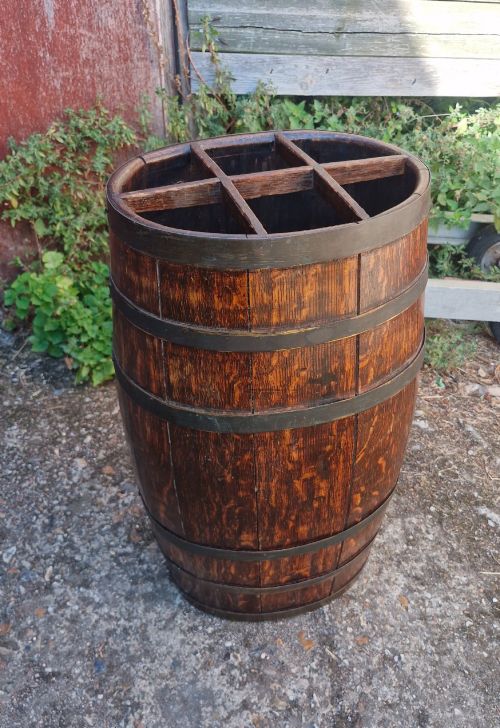
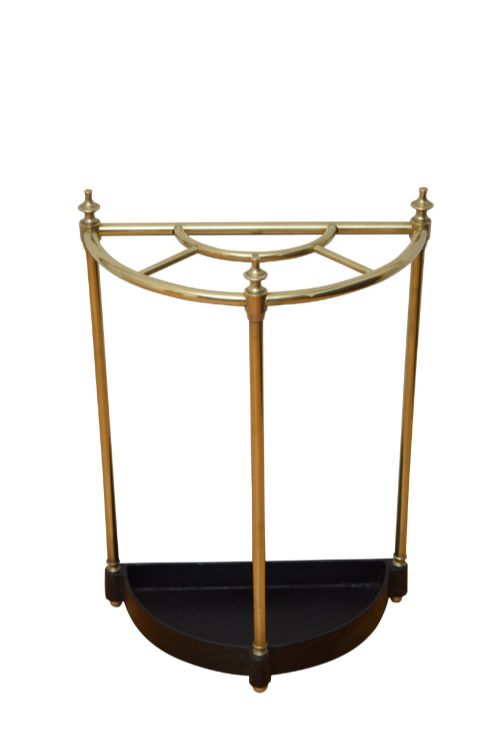
A vintage brass stick stand organises walking canes and umbrellas in entrance halls and reception spaces. Buyers seeking these items encounter forms ranging from semi-lune wall-huggers to freestanding cylindrical barrels.
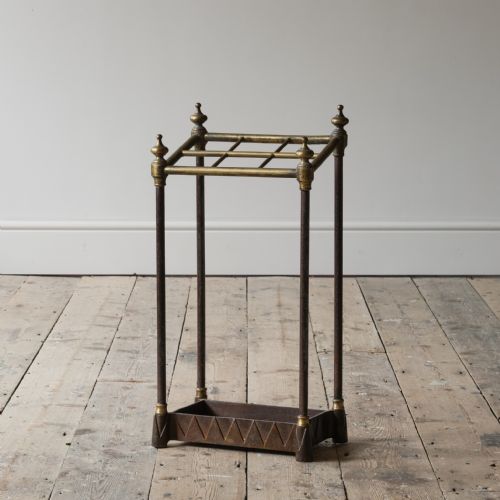
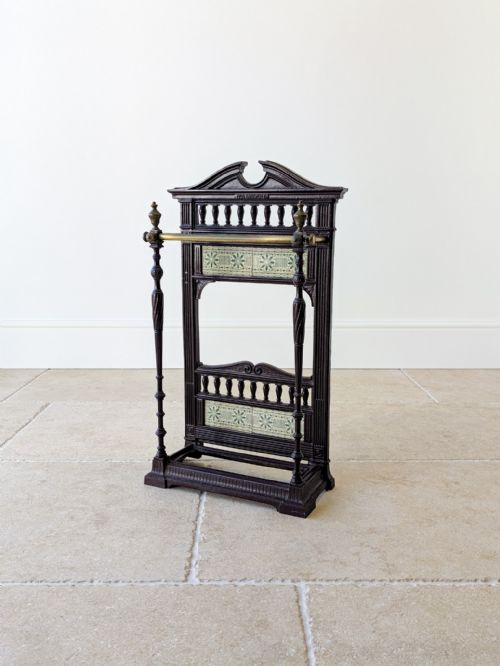
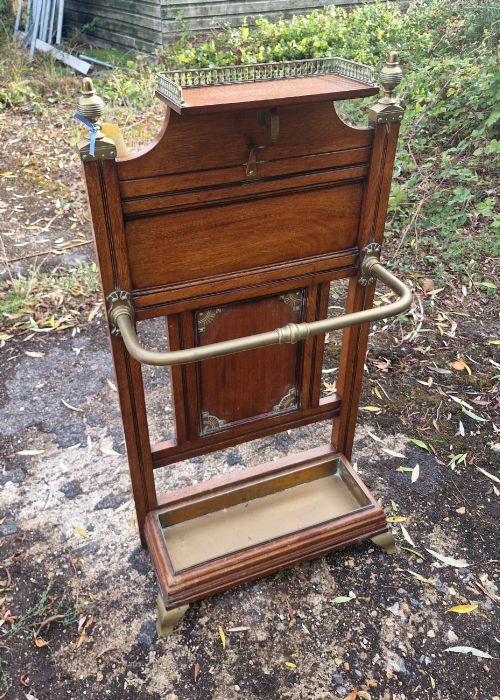
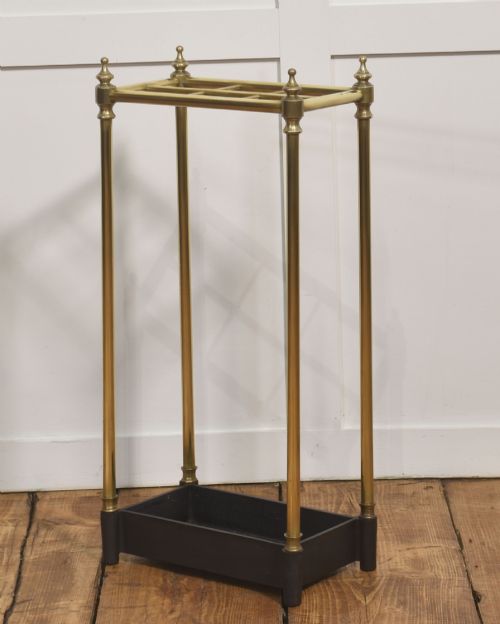
The material combination typically joins polished brass framework with a heavy iron base or a ceramic drip tray to catch rainwater. Such pieces appear across Victorian, Edwardian, and later twentieth-century periods.
Makers utilised brass alongside oak, copper, and cast iron to build durable vessels for domestic entryways. Traditional English and Gothic Revival styles frequently influence the decorative ball finials and dog tooth trays found on these stands.
Materials and Construction
Foundry workers cast iron and brass components separately before assembling them with threaded rods or rivets to create rigid frames. Heavy bases provide stability against the weight of heavy wooden walking sticks and wet umbrellas.
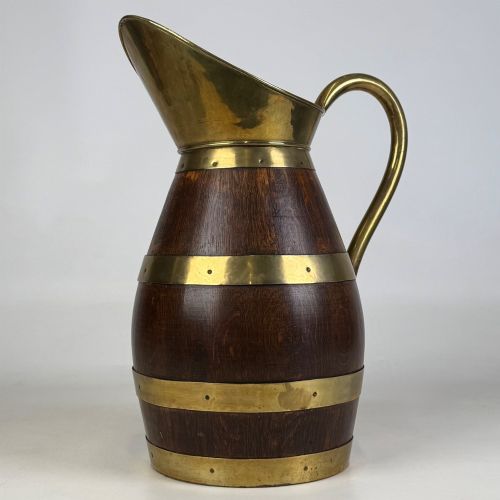
Coopered oak barrel stands employ brass bands to secure curved wooden staves together around a watertight base. Metal sections receive polishing or patination while iron elements resist moisture through painted or treated surfaces.
Listings feature oak, cast iron, copper, ceramic, and bronze alongside the primary brass material.
Factors of Quality
Substantial gauge brass and heavy cast iron indicate superior structural integrity compared to thin, pliable sheet metal alternatives. Heavier weight prevents tipping when fully loaded with wet umbrellas.
Intricate casting detail in decorative finials and tray borders separates standard production items from finer workshop output. Original matching drip trays complete the lower assembly and preserve the integrity of the design.
Coalbrookdale·J.T. & Co
The Vintage Brass Stick Stand Glossary
- Demi-lune
- A half-moon shape allowing the stand to sit flush against a hallway wall. This profile saves floor space in narrow entrance passages.
- Coopered
- Construction using wooden staves bound by metal hoops in the manner of a cask or barrel. Oak coopered examples often feature brass binding.
- Drip tray
- A removable base receptacle designed to catch water running off wet umbrellas. These trays protect hallway flooring from moisture damage.
- Finial
- A decorative ornamental crowning feature positioned at the top corners of a stand. Ball finials frequently top Victorian brass uprights.
- Cast iron
- A strong, heavy alloy used for bases and frames to provide structural weight. It anchors lighter brass framework securely.
Vintage Brass Stick Stand: Frequently Asked Questions
What periods do these stands cover?
The selection spans from nineteenth-century Victorian designs through Edwardian pieces up to the 1930s. Styles range from traditional English to Gothic Revival and Art Deco.
Earlier examples often pair cast iron with brass, while later twentieth-century variants introduce different spatial configurations.
How do I protect my floor?
Most stands incorporate an integrated drip tray or a solid metal base designed to catch runoff water. Ensuring the tray remains present protects wooden hallway floors from moisture.
Placement on a small mat offers extra security against dampness from wet umbrellas.
Where were they placed?
These items stood in entrance halls, boot rooms, and country house corridors for daily family use. Demi-lune shapes allowed them to occupy minimal depth in narrow hallways.
Visitors deposited their walking canes and rain gear immediately upon entry.
What metals are used?
Construction relies primarily on brass for the visible framework, paired with cast iron for weight and stability. Some variants incorporate copper elements or steel components.
Oak barrels feature brass bands holding wooden staves together.