

Antique Brass Hall Rack
An antique brass hall rack brings structured order to an entrance, combining utilitarian metal hooks or divisions with timber frames.
Antique Brass Hall Rack
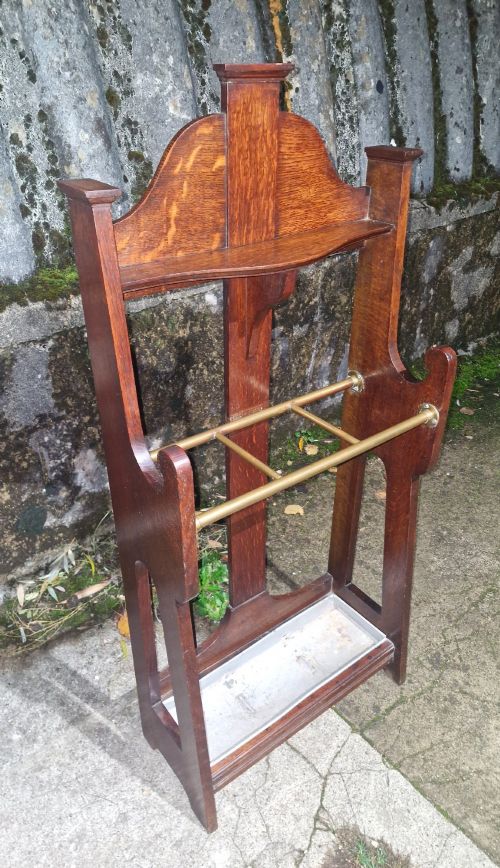
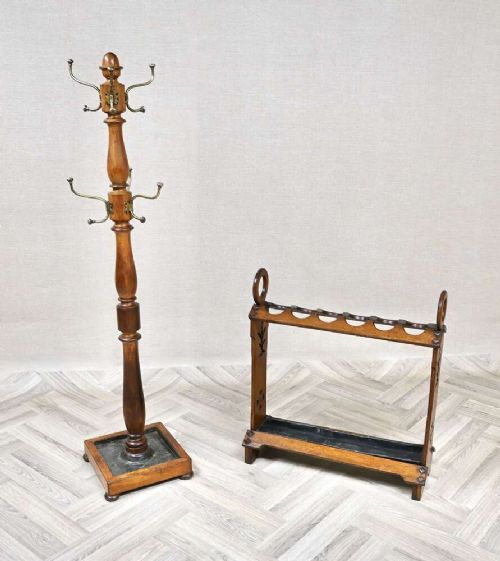
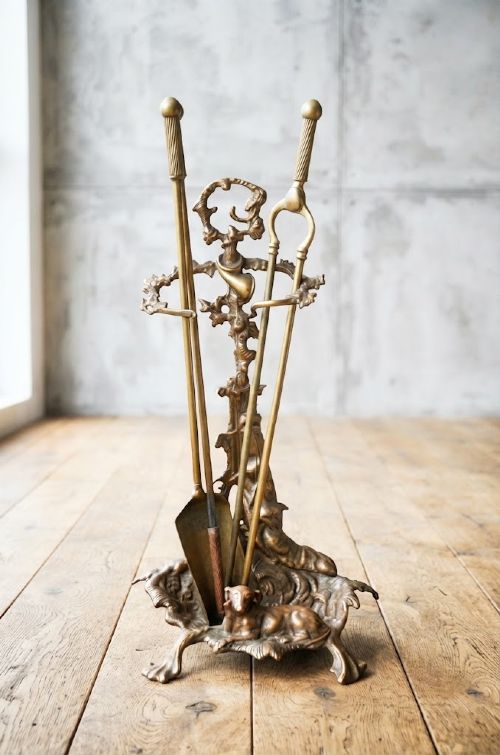
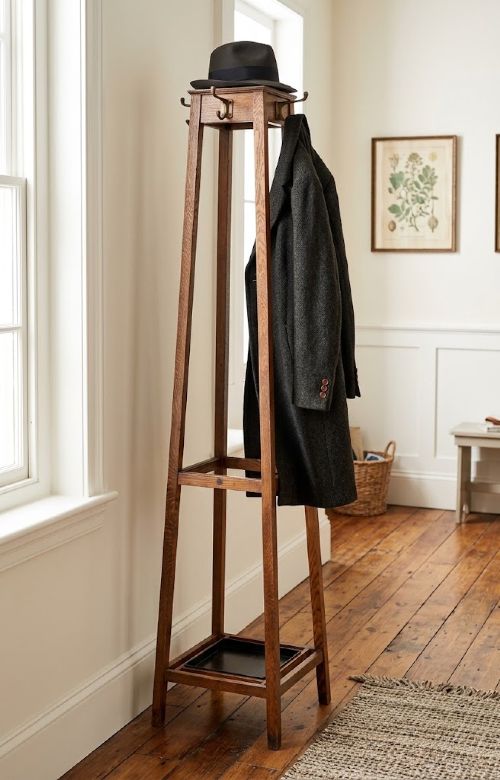
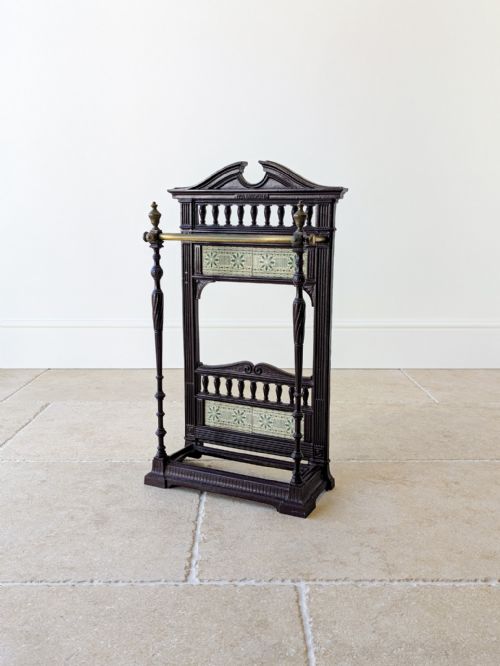
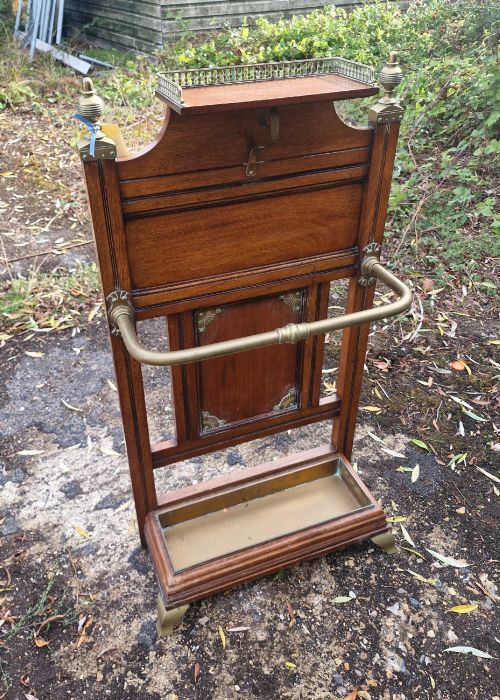
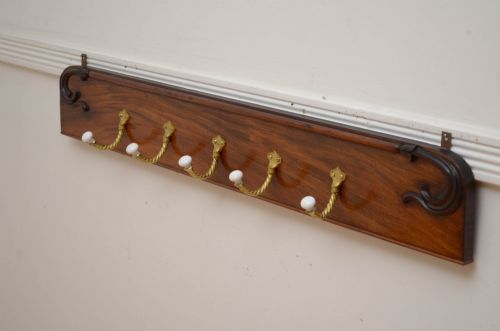
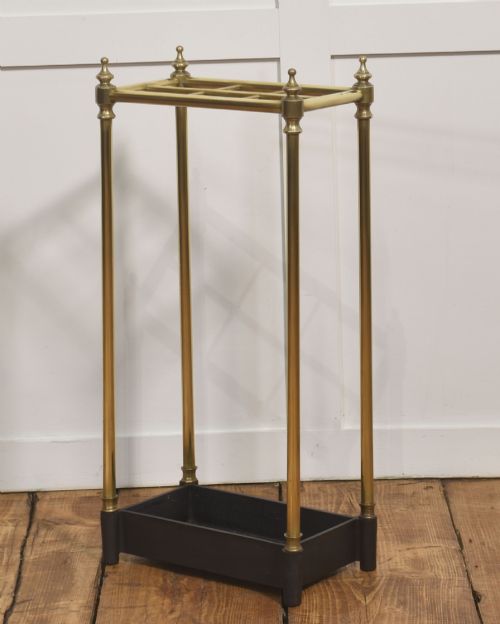
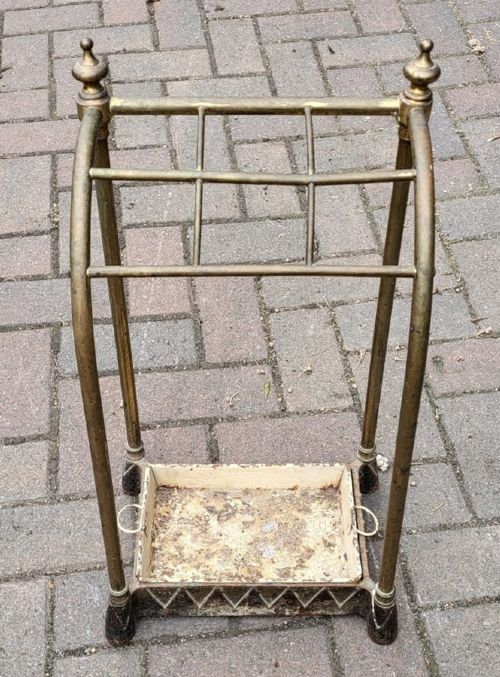
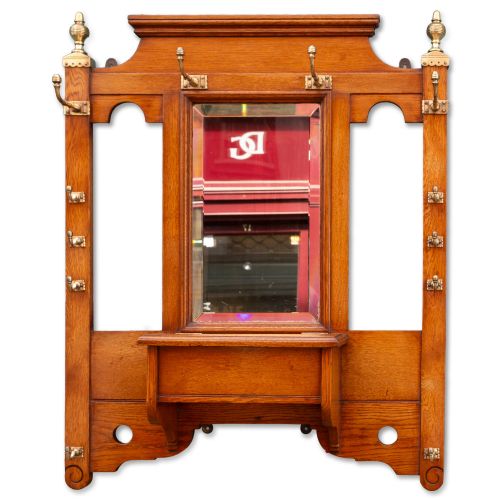
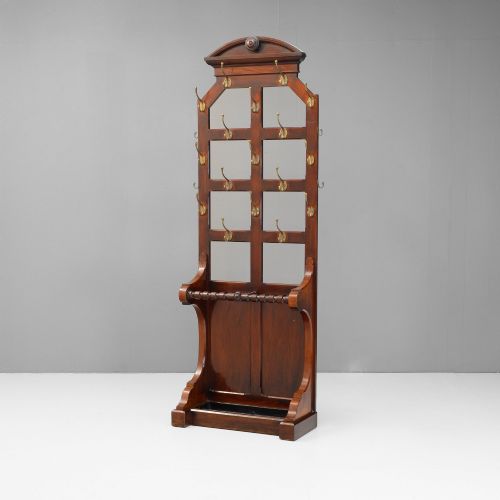
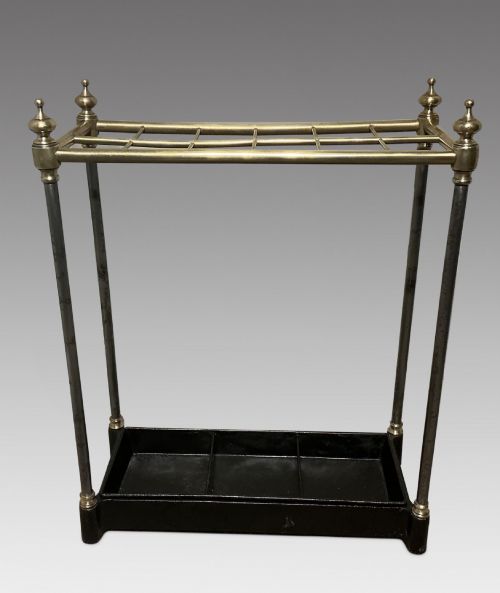
When searching for an antique brass hall rack, buyers encounter a diverse selection of entrance furniture, including wall-mounted coat rails, freestanding coat stands, and heavy umbrella or stick stands. These pieces predominantly date from the Victorian and Edwardian eras, alongside late 19th-century examples.
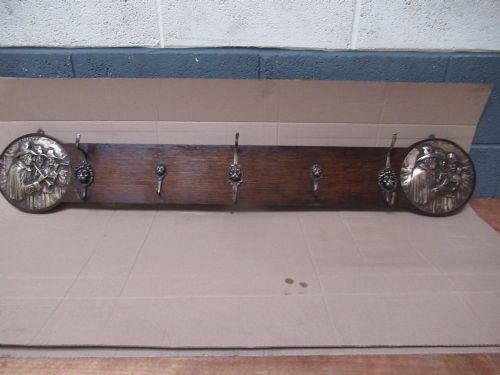
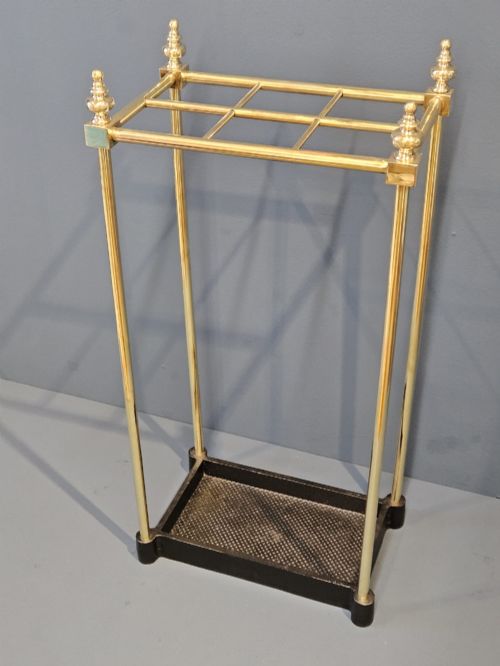
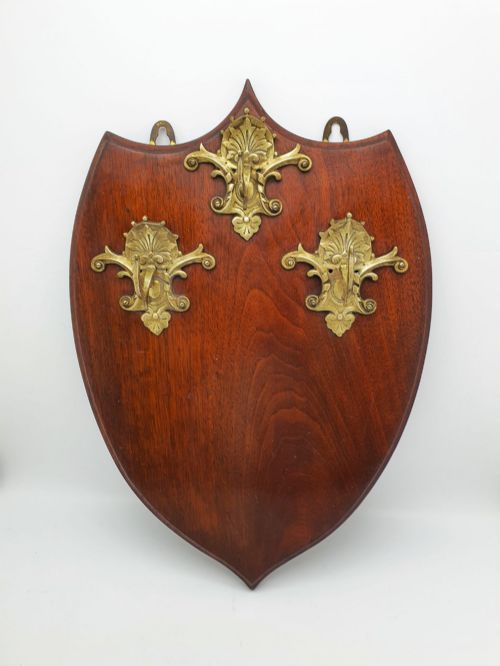
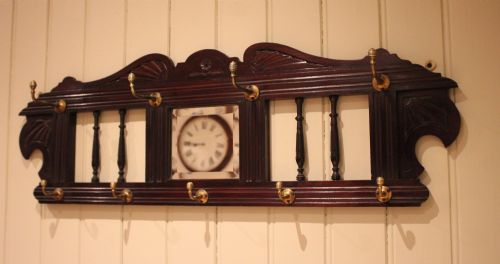
The most common configurations on this page combine polished brass elements with woods such as oak and mahogany, or pair brass frames with robust cast iron bases. Floor-standing umbrella stands frequently feature segmented divisions and drip trays, while wall racks utilise mounted brass hooks fixed to timber backplates.
Materials and Techniques
Construction relies heavily on the pairing of durable metals with dense hardwoods, uniting cast or sheet brass with turned oak, solid walnut, and polished mahogany. Cast iron often appears alongside brass in stick stands to provide the necessary counterweight and stability at the base.
Metal components utilise casting, rolling, and riveting techniques, frequently incorporating decorative motifs from the Aesthetic Movement, Arts and Crafts, and Art Deco styles. Timber frames feature traditional joinery, turned uprights, and integrated ceramic or brass hooks.
Antique Brass Hall Rack Retail Price Guide 2026
Typical asking prices for brass hall rack among the pieces listed under this phrase on Sellingantiques today, from the lower quarter to the upper quarter. They describe what is for sale here now, not the wider market.
Judging Quality
The distinction between standard examples and superior items rests on the weight of the materials and the crispness of the metalwork. Heavy, substantial brass castings and thick hardwood panels indicate a higher grade of manufacture than thin sheet metal or veneered alternatives.
Coalbrookdale·Jas. Shoolbred
The Antique Brass Hall Rack Glossary
- Demi-lune
- A half-moon shape commonly seen in the footprint of wall-mounted or corner-fitting umbrella stands. This curved profile allows the piece to sit flush against an entryway wall.
- Drip tray
- A removable metal basin located at the base of stick and umbrella stands to catch moisture from wet weather gear. It protects interior flooring from water damage.
- Stick stand
- A freestanding piece of hallway furniture designed to hold walking canes, parasols, and umbrellas upright. They often feature partitioned metal loops or cast iron frames.
- Portmanteau
- A substantial freestanding hallway piece combining hat hooks, coat pegs, and umbrella storage. These heavy items served as comprehensive entrance furniture in larger period homes.
- Aesthetic Movement
- A late 19th-century design style focusing on visual beauty and artistic expression rather than narrative storytelling. Pieces from this movement often incorporate stylized floral and geometric motifs.
Antique Brass Hall Rack: Frequently Asked Questions
What is an antique brass hall rack?
An antique brass hall rack is a piece of entrance furniture designed to hold outerwear, hats, and wet weather gear, incorporating metal hooks, rails, or frames.
These items range from compact wall-mounted coat rails to substantial floor-standing umbrella and stick stands dating from the Victorian and Edwardian periods.
How were umbrella stands used?
Umbrella stands were positioned in hallways and reception spaces to store walking sticks, canes, and wet umbrellas neatly out of the way.
The inclusion of a metal drip tray at the base ensured that moisture from rain-soaked items remained contained away from wooden floors.
How do I style an antique hall rack?
Integrating these pieces into a modern or period interior works best when they serve their original functional purpose in an entryway or hallway.
Allowing the brass and timber patination to remain visible lets the historic character of the piece anchor the space.
How do I tell Victorian from Edwardian stands?
Victorian examples tend to feature heavier, more ornate castings with gothic or classical revival motifs, often utilising cast iron and dark mahogany.
Edwardian and later pieces frequently display lighter construction, cleaner lines, and influences from the Arts and Crafts or Art Deco movements.