


French Hat Rack
A french hat rack organises hallway space with utilitarian elegance, offering brass rails, faux bamboo frames and integrated mirrors for daily use.
French Hat Rack
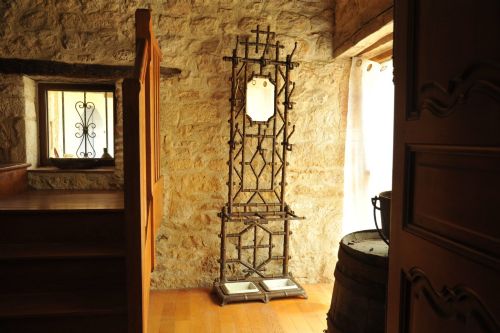
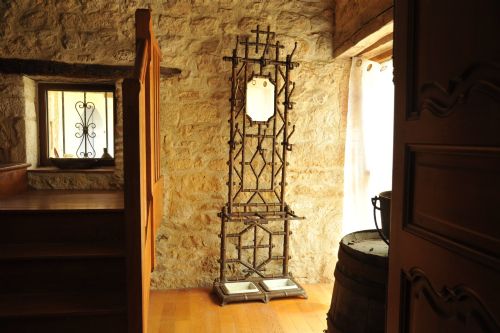
A french hat rack serves primarily as hallway furniture designed to hold outerwear, umbrellas and headwear. These pieces combine practical storage hooks with structural frames, frequently incorporating upper shelves for hats.
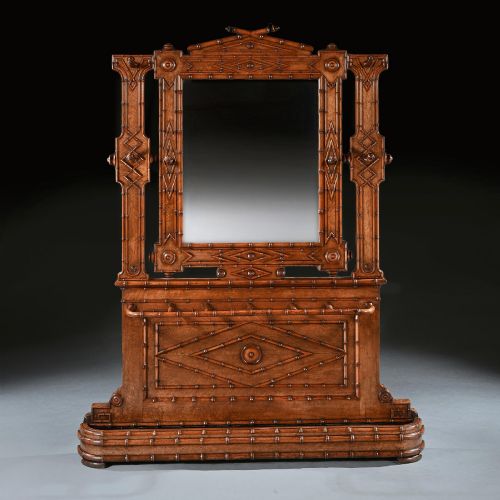
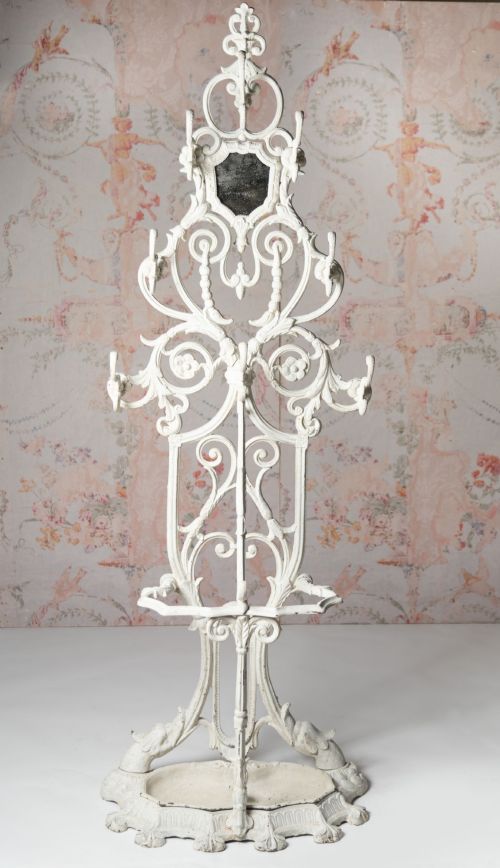
The versions most commonly met on this page span the late nineteenth century into the art deco period. They appear as wall-mounted rails or freestanding hall stands, often incorporating mirrors and stick stands.
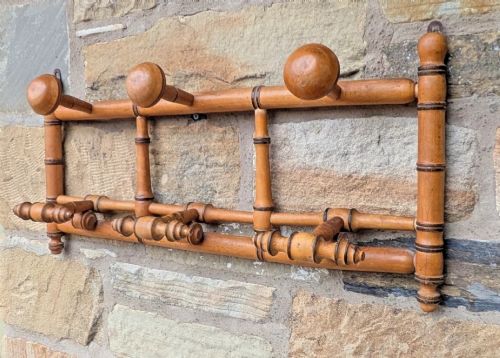
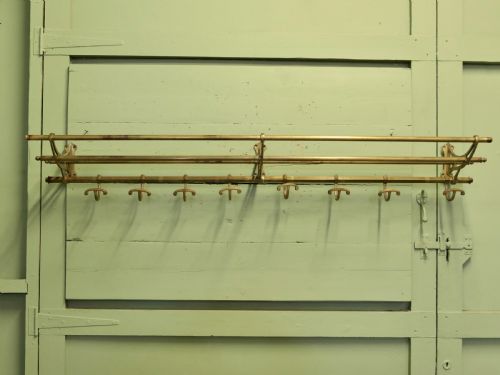
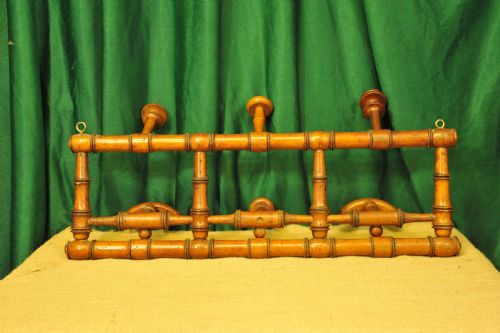
Makers utilised regional aesthetic influences, producing pieces ranging from faux bamboo turned wood to industrial wrought iron and polished brass railway luggage styles.
How they were made
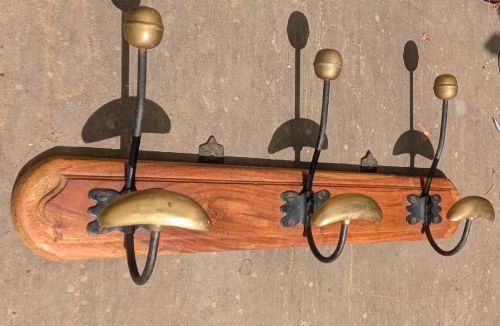
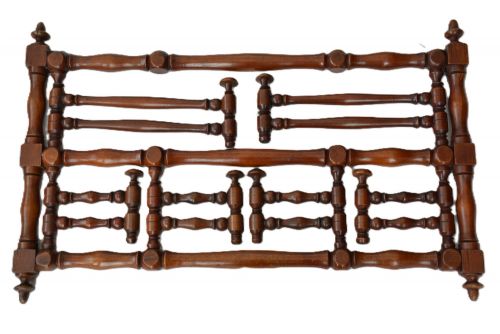
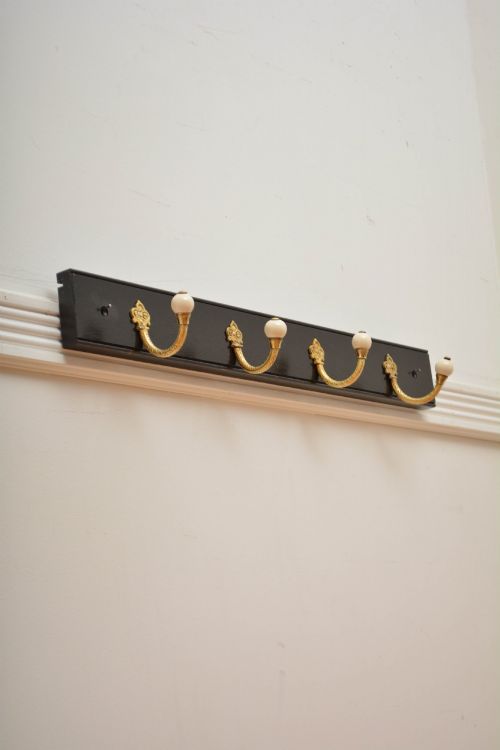
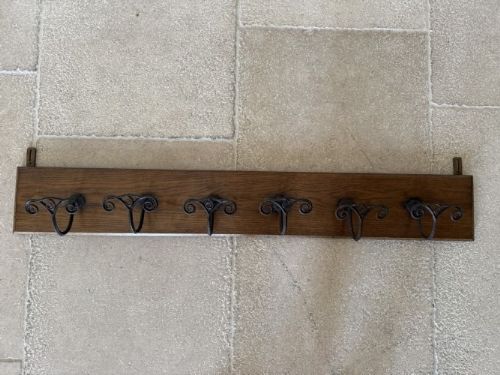
Construction relies heavily on metals such as brass, cast iron and wrought iron, paired with varied timbers like oak, mahogany, fruitwood and turned pine. Makers also employed faux bamboo techniques on wood and metal to mimic natural cane.
Structural elements include cast mounting plates, nickel plating, and integrated glass mirrors with original plates. Fixtures often feature sliding hooks, multiple tiers, and robust wall brackets.
The documented styles range from Victorian and aesthetic movement to French art deco and industrial railway designs.
What varies in quality
Quality rests upon the weight of the metal components and the crispness of the casting on mounting plates and hooks. Substantial brass brackets and solid iron frameworks distinguish sturdier examples from lighter utilitarian items.
The integration of secondary materials defines the tier of a piece, such as bevelled mirror plates, ceramic details, and finely turned faux bamboo woodwork. Complexity of form, from simple wall rails to double-sided freestanding portmanteaus, also dictates the scale of craftsmanship.
The French Hat Rack Glossary
- Portmanteau
- A combined hat, coat and umbrella stand, often incorporating a wall mirror and storage hooks. These substantial hallway pieces frequently feature heavy brass or cast iron frames.
- Faux bamboo
- A decorative technique where wood or metal is carved, turned or moulded to resemble natural bamboo stalks. It appears frequently on nineteenth-century French wall racks.
- Art Deco
- A design style spanning the 1920s and 1930s characterised by sleek lines, geometric forms and industrial metals. In these listings, it typically describes nickel-plated or wrought iron hat racks.
- Pullman style
- A luggage rack design modelled on the overhead storage used in railway carriages. These pieces usually feature slatted metal rails and robust wall brackets.
- Halberd
- A weapon-formed decorative motif used in joinery. Pieces styled in this manner utilise pole arms to form the structural framework of the stand.
French Hat Rack: Frequently Asked Questions
How were french hat racks used?
These pieces functioned as domestic organisers in entrance halls and bedrooms, providing designated spots for hats, coats, scarves and walking sticks. Freestanding versions often included metal drip trays at the base for wet umbrellas.
Wall-mounted variants served similar purposes in tighter corridors, combining luggage storage shelves with downward-facing hooks for daily garments.
What materials are common?
Listings feature a distinct mix of metals and woods, including polished brass, cast iron, wrought iron, and nickel plating. Wooden elements frequently utilise oak, mahogany, fruitwood, and turned pine.
Many pieces incorporate auxiliary materials such as ceramic hooks, glass mirrors, and horn accents to complete the construction.
How do I date a piece?
Dating relies on stylistic markers and material combinations recorded across the periods. Late nineteenth-century pieces often display aesthetic movement faux bamboo or heavy cast iron, while 1920s and 1930s items favour art deco chrome and wrought iron.
Construction methods, such as the use of original mirror plates and sliding brass hooks, also offer clues to the era of manufacture.
Are they easy to mount?
Wall-mounted racks generally feature integrated screw holes within the cast mounting plates or wooden backboards. Given the weight of solid brass and iron frameworks, securing them directly to wall studs or masonry is essential.
Freestanding hall stands require no mounting but benefit from placement on level flooring due to their height and combined mirror weight.