







Vintage Brass Statue
A vintage brass statue brings weight, character and a distinct sense of age to a room.
Vintage Brass Statue
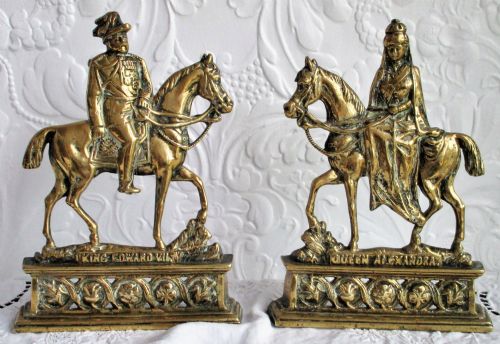
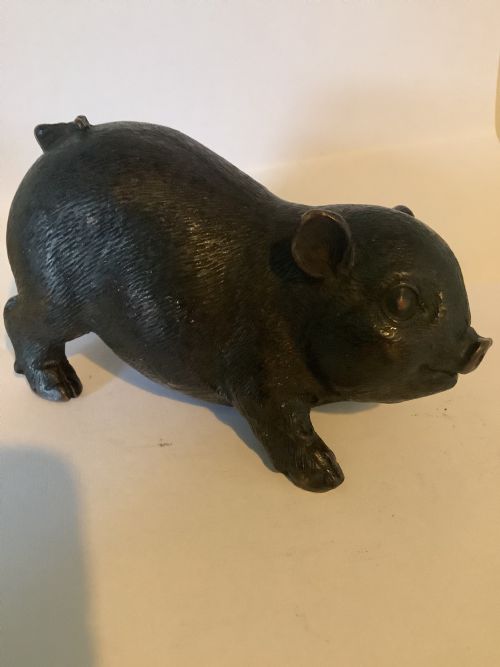
When searching for a vintage brass statue, a buyer encounters a diverse range of cast metal figures, animals and deities originating from multiple global traditions. The selection spans the nineteenth century through the mid-twentieth century, encompassing items such as heavy doorstops, animal sculptures and religious figures.
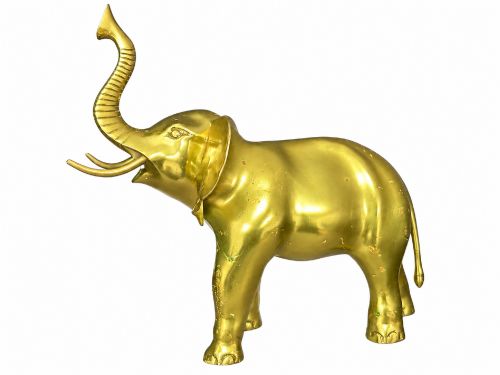
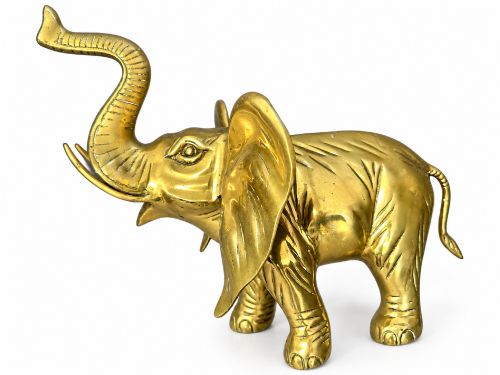
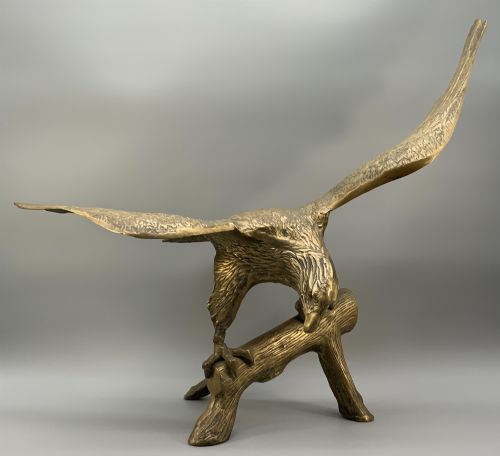
The objects take many forms, from large African bronze horseman statues and Tibetan temple lions to smaller domestic pieces like terrier candlesticks and bird sculptures. Buyers most frequently meet items cast in solid brass or bronze, often dating from the nineteen-thirties or earlier nineteenth-century periods.
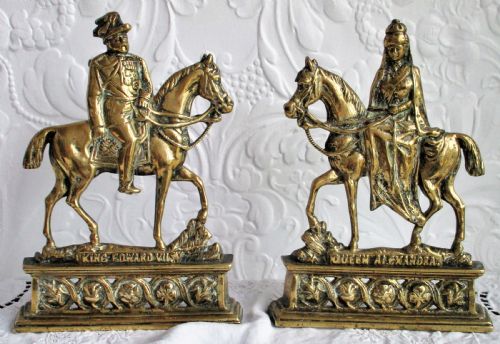
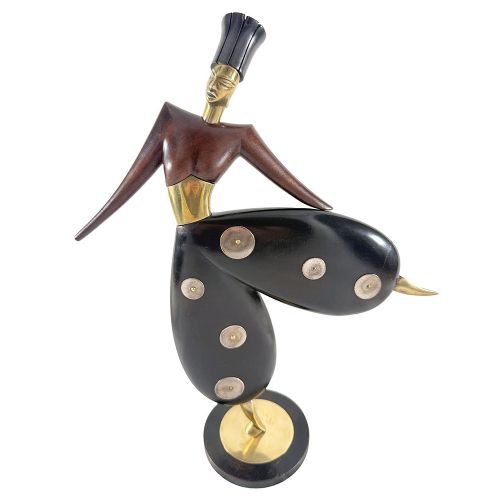
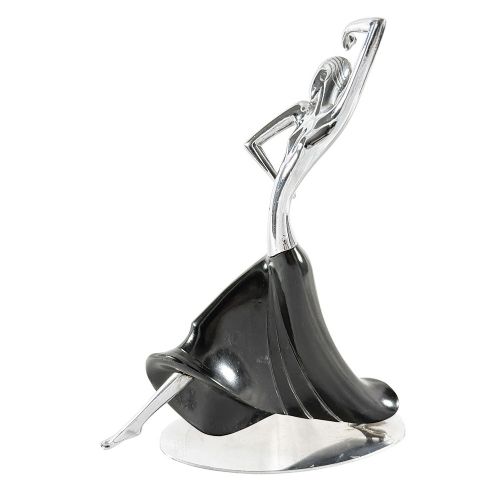
Stylistic influences range widely across the inventory, touching upon Art Deco designs, Edwardian domestic ornaments, Anglo-Indian elephant sculptures and Himalayan shrine figures. These pieces function variously as standalone decorative sculptures, repurposed table lamps and functional hearth items.
How they were made
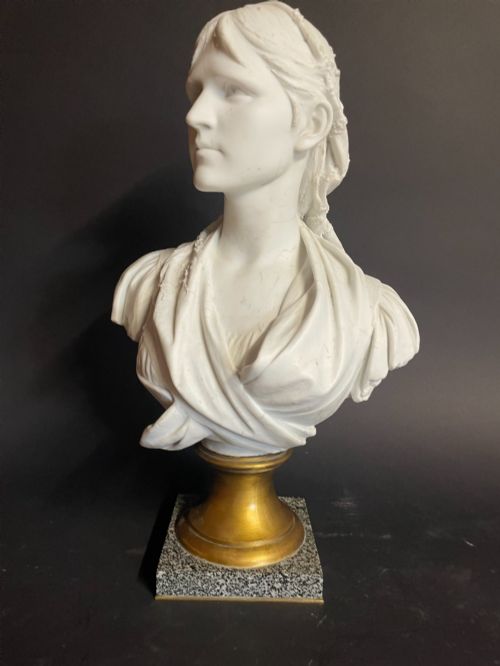
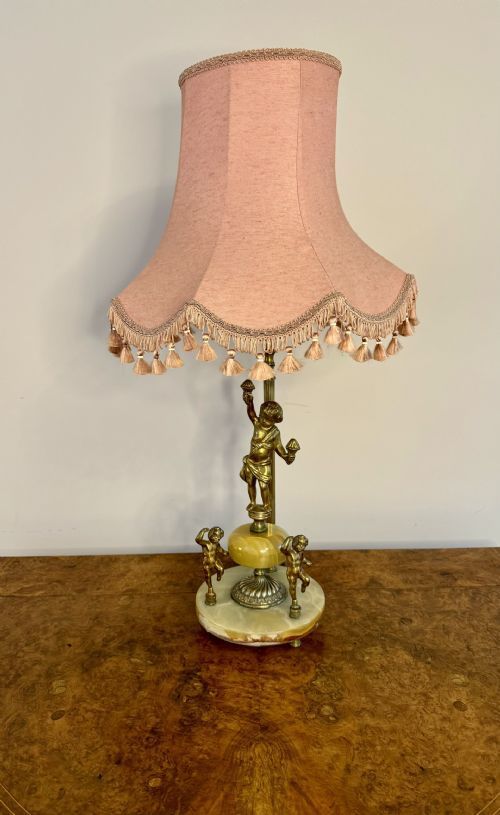
Makers utilised traditional casting methods, pouring molten brass, bronze or spelter into moulds to achieve detailed sculptural forms. Many pieces combine metal casting with secondary materials such as marble bases, wooden mounts or onyx plinths.
Vintage Brass Statue Retail Price Guide 2026
Typical asking prices for vintage brass statue among the pieces listed under this phrase on Sellingantiques today, from the lower quarter to the upper quarter. They describe what is for sale here now, not the wider market.
Listings incorporate nineteenth-century devotional items alongside mid-century Art Deco animal figures and Edwardian hearth ornaments.
What varies in quality
The integrity of the material and the weight of the piece matter significantly, as solid cast brass or heavy bronze commands greater presence than lighter spelter alternatives. Additionally, the quality of any associated base, whether marble, onyx or carved wood, influences the overall balance of the object.
Josef Lorenzl·Sier Kunst·Hagenauer·Laszlo Hoenig·Belinda Gentle
The Vintage Brass Statue Glossary
- Spelter
- A zinc alloy frequently utilised as a cheaper alternative to bronze or brass for figural sculptures and table lamps. It accepts metallic paints and patinas readily.
- Patina
- The surface sheen and coloration developed through age, handling or deliberate chemical treatment on metal. It provides a visual record of the piece's history.
- Chasing
- The manual tooling of metal surfaces with punches and hammers after casting to refine details and remove imperfections. Fine chasing distinguishes superior sculptural work.
- Grand Tour
- A term applied to nineteenth-century souvenirs collected by travellers in Europe, often featuring classical bronze figures or architectural reductions. These pieces reflect Neoclassical tastes.
- Cloisonné
- An ancient technique for decorating metal object surfaces, where wires form compartments that are filled with enamel pastes and fired. This method appears on decorative bird sculptures.
Vintage Brass Statue: Frequently Asked Questions
How do I clean an old brass statue?
Dust the surface gently with a soft dry cloth to preserve the existing patina and age. Avoid harsh chemical cleaners or abrasive polishes that strip away historical character.
For stubborn grime, use mild soapy water on a damp cloth and dry thoroughly afterwards.
Are these statues solid brass?
The inventory contains a mix of solid cast brass, bronze, gilded metals and lighter spelter pieces. Each listing specifies the primary material used in the construction of the figure.
Heavier items usually indicate solid metal casting rather than hollow or alloy alternatives.
How do I date a brass statue?
Dating relies on stylistic markers such as Art Deco geometric lines, Edwardian domestic themes or nineteenth-century casting techniques. Wear patterns on the base and metal composition also offer clues to age.
Comparing the manufacturing style with documented periods helps establish a reliable timeframe.