



Antique Brass Elephant
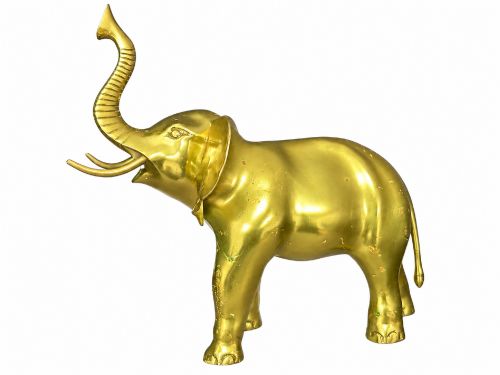
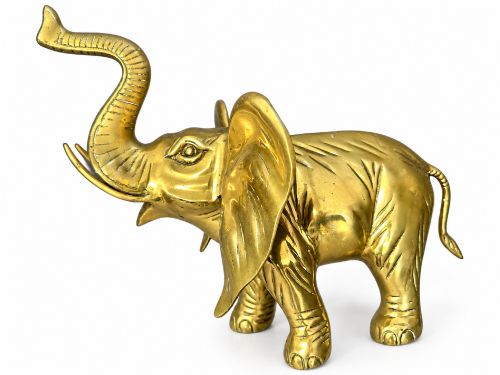
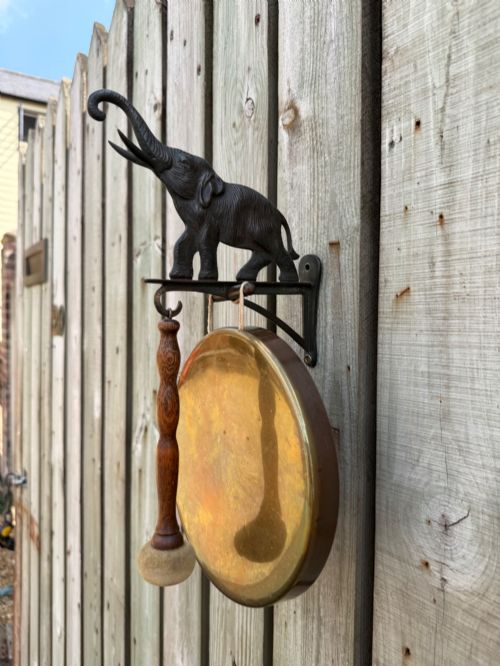
These antique brass elephant pieces bring substantial weight and character to a room, ranging from functional bookends to intricate dinner gongs.
Antique Brass Elephant
When you search for an antique brass elephant, you encounter a varied assortment of decorative and functional objects originating primarily from Indian and Chinese traditions. These pieces span the nineteenth and early twentieth centuries, capturing distinct regional craftsmanship through sculptural forms and utilitarian items.
The most common examples on this page are sculptural figures featuring raised trunks, alongside practical items such as bookends, dinner gongs, and jardinieres. Materials extend beyond pure brass to include occasional combinations with marble, bronze, enamel, and teak, reflecting diverse global influences from the Victorian era through the Art Deco period.
Objects range from hand-engraved jardinières of the Raj period to Qing Dynasty incense burners and French Revival clock cases. Each form serves both a decorative purpose and a testament to historical metalworking traditions.
How they were made
The construction of these items relies heavily on traditional casting and hand-engraving techniques executed in brass, bronze, and occasionally cast iron. Artisans shaped molten metal into detailed animal forms and architectural mounts, often adding surface decoration through incised patterns.
Secondary materials such as marble bases, teak wood, and champlevé enamel appear alongside the primary metalwork to provide structural stability and visual contrast. These mixed-media pieces demonstrate how makers integrated stone and wood into heavy metal sculptures and table bases.
Antique Brass Elephant Retail Price Guide 2026
Typical asking prices for brass elephant among the pieces listed under this phrase on Sellingantiques today, from the lower quarter to the upper quarter. They describe what is for sale here now, not the wider market.
Several elephants arrive with trunks triumphantly raised, a traditional gesture intended to bring good fortune into the home.
What varies in quality
The integration of secondary materials like marble or enamel also influences the overall finish of the piece. Superior craftsmanship is evident where mounts fit securely and decorative enamelwork remains vibrant and intact.
The Antique Brass Elephant Glossary
- Censer
- A vessel used for burning incense. Chinese examples often incorporate bronze or brass with intricate surface work.
- Champlevé
- An enamelling technique where troughs are carved into the metal surface and filled with enamel powder before firing. This method creates colourful decorative patterns on bronze and brass objects.
- Raj Period
- The period of British rule in the Indian subcontinent. Items from this era often feature detailed hand-engraving characteristic of Anglo-Indian craftsmanship.
Antique Brass Elephant: Frequently Asked Questions
How do I clean antique brass?
Dust the surface regularly with a soft cloth to prevent buildup. Avoid harsh chemical polishes that strip historical patina.
Allow the natural ageing process to remain visible on the metal. Gentle soap and water suffice for occasional cleaning.
Are these pieces heavy?
Many of these items possess substantial weight due to solid metal casting and stone components. Sculptures and bookends require sturdy support surfaces.
Larger pieces like dinner gongs and marble clocks are exceptionally heavy and need stable placement.
What periods do these items come from?
The selection includes pieces from the Victorian era, the nineteenth century, and early twentieth-century decades up to the nineteen-thirties. Styles range from Qing Dynasty objects to Art Deco designs.
Dates reflect the historical periods recorded in the manufacturing evidence.
How were elephant bookends used?
These heavy metal figures served to support rows of books on shelves or desks. Their dense construction provided the necessary friction to hold volumes upright.
They functioned simultaneously as decorative desk accessories and practical library items.