





Vintage Indian Metalwork
These vintage indian metalwork pieces bring the rich decorative traditions of the subcontinent straight into your home.
Vintage Indian Metalwork
Vintage indian metalwork encompasses a diverse array of decorative objects including bronze sculptures, repoussé copper vases, brass candlesticks, and silver plated boxes. When exploring vintage indian metalwork, collectors frequently encounter items dating from the nineteenth century through the early twentieth century, spanning periods such as the Victorian era and the Raj period.
Materials and construction methods
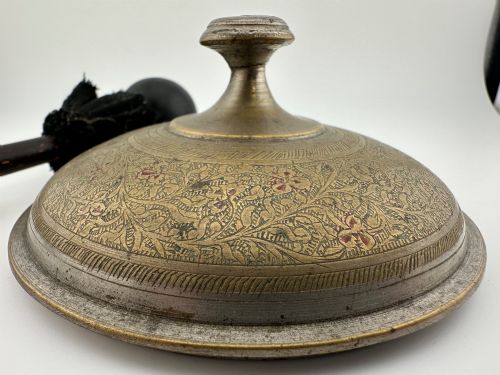
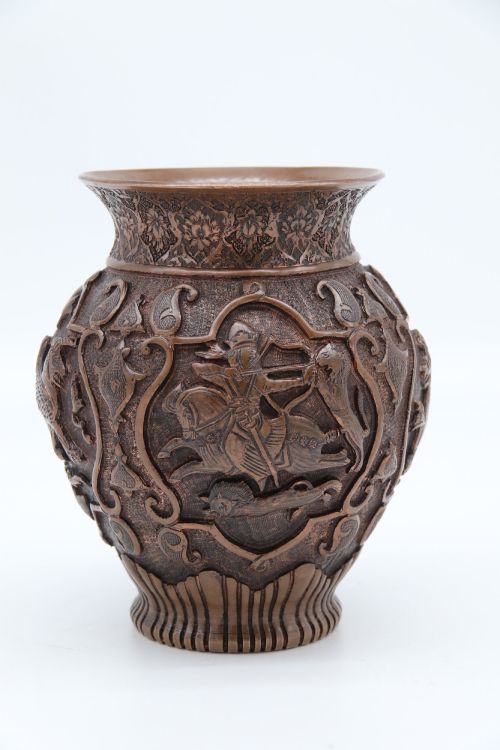
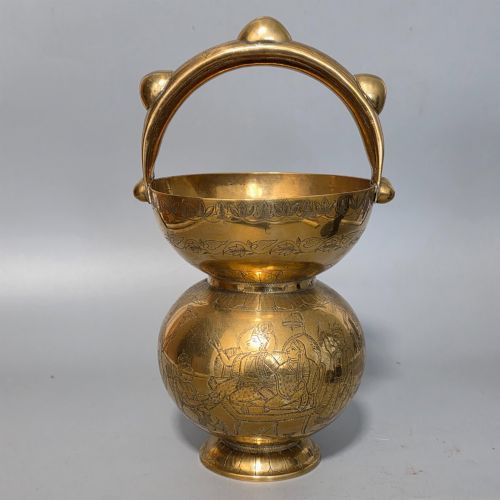
Artisans utilised a variety of metallic mediums including solid bronze, heavy brass, copper, mixed metals, and silver plate to create these durable objects. Many pieces incorporate specialised surface techniques such as hand engraving, repoussé work, and piercing to achieve high-relief ornamentation and textured detail.
Casting methods brought complex forms like figural sculptures, animal bases, and mythical makara handles to life, while other items combined contrasting metals for visual depth. The integration of woodwork alongside metal elements appears in specific forms.
Vintage Indian Metalwork Retail Price Guide 2026
Typical asking prices for vintage indian metalwork among the pieces listed under this phrase on Sellingantiques today, from the lower quarter to the upper quarter. They describe what is for sale here now, not the wider market.
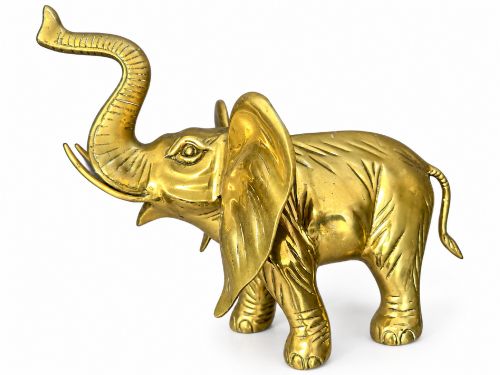
Several bronze elephants guard the bases of bells and carry riders through the centuries, standing ready to support your desk.
Assessing quality and craftsmanship
Weight, gauge of the metal, and the integrity of construction also define the upper tier of these pieces. Objects showing careful finishing across unseen or secondary surfaces display greater commitment to traditional workshop standards.
The Vintage Indian Metalwork Glossary
- Repoussé
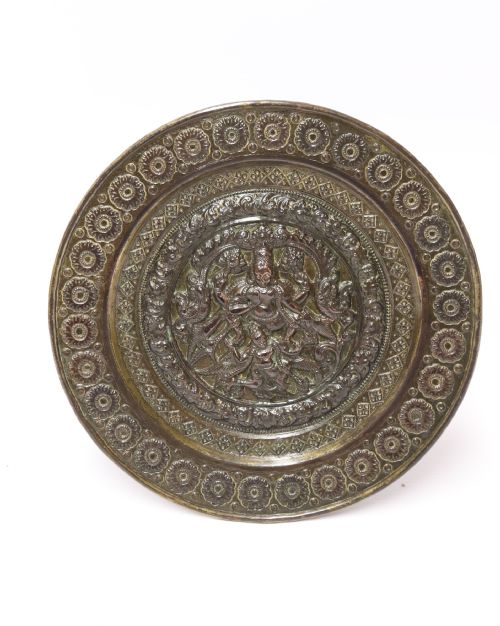
- A metalworking technique where an artist shapes malleable metal by hammering from the reverse side to create a raised design on the front. This method allows for deeply textured surface decoration on trays, vessels, and plaques.
- Bidri ware
- A metal Handicraft originating from Bidar, characterised by a dark blackened alloy inlaid with contrasting sheet metal like silver or brass. Pieces featuring this technique display striking geometric or floral patterns.
- Aftaba
- A traditional long-spouted metal ewer or water vessel used for washing or ritual purposes in South Asia and the Middle East. These containers often feature sculptural handles shaped like mythical beasts.
- Kamandal
- A traditional water pot or carrier typically used by ascetics or in Hindu religious ceremonies, often featuring a spherical body and a handle. Examples in metalwork demonstrate specialised ritual forms.
Vintage Indian Metalwork: Frequently Asked Questions
What metals were used in vintage indian metalwork?
Makers predominantly worked with brass, bronze, and copper, alongside mixed metals and silver-plated surfaces.
Individual pieces often combined multiple metals to create contrasting visual effects within repoussé panels or decorative borders.
How do I identify a Raj period piece?
Raj period items generally date from the nineteenth century into the early twentieth century, exhibiting British influence blended with traditional Indian motifs.
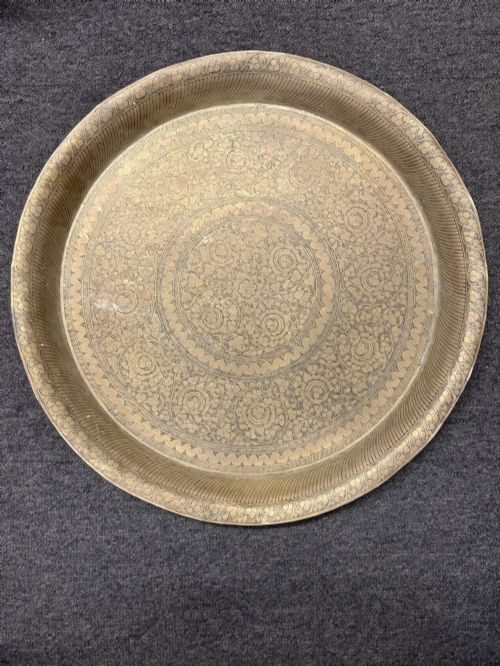
These objects frequently include heavy brass and copper presentation chargers, trays, and plaques featuring elaborate chased foliage.
What is the difference between repoussé and engraved metal?
Repoussé involves pushing the metal out from the reverse side with hammers and punches to create a three-dimensional raised relief on the front.
Engraving relies on cutting lines directly into the surface of the metal to draw fine decorative patterns without altering the underlying shape.
How should I clean antique brass and bronze?
Dusting gently with a soft, dry cloth preserves the aged patina that collectors value on older metal surfaces.
Harsh chemical polishes or abrasive pads should be avoided because they strip away historical oxidation and finish.
Where were these metal items originally displayed?
Wealthy households and colonial residences used large chargers, vases, and occasional tables as decorative display centerpieces.
Smaller boxes and caskets served practical functions on tables while showcasing intricate craftsmanship to visitors.