

Vintage Brass Spark Screen
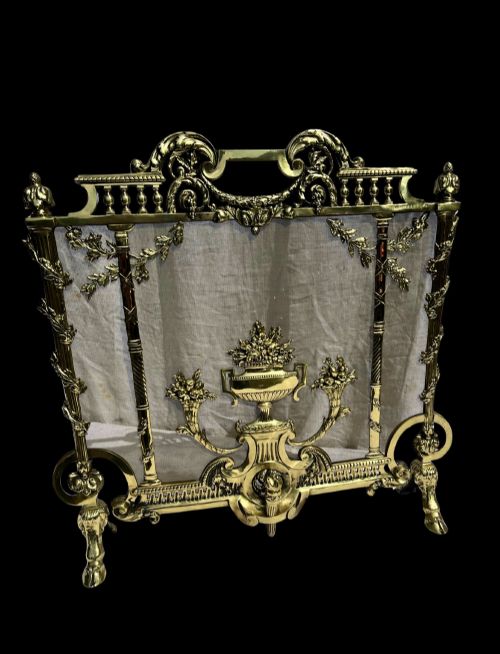
A vintage brass spark screen tames open hearths with functional metalwork, combining practical safety with decorative French Revival or Victorian flair.
Vintage Brass Spark Screen
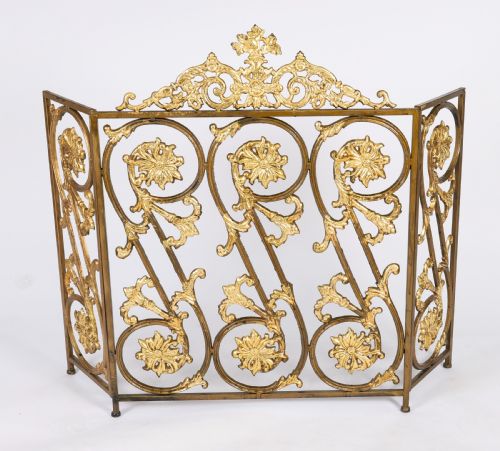
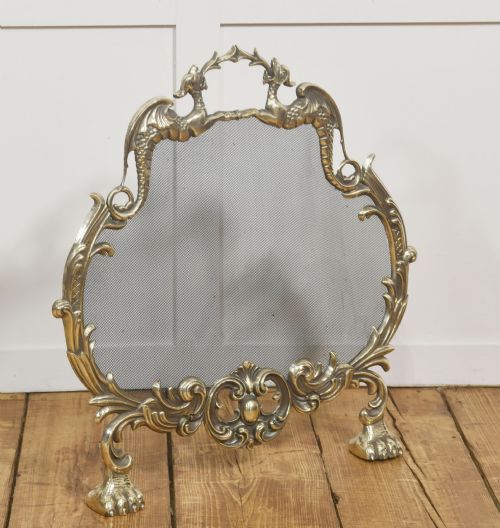
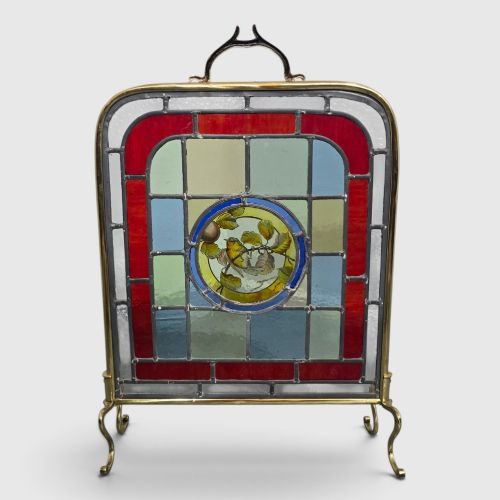
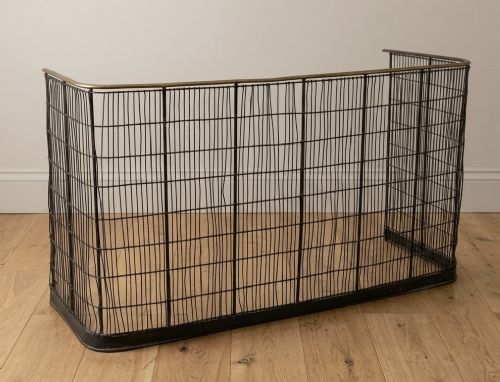
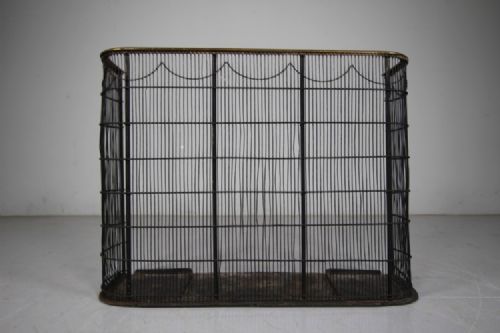
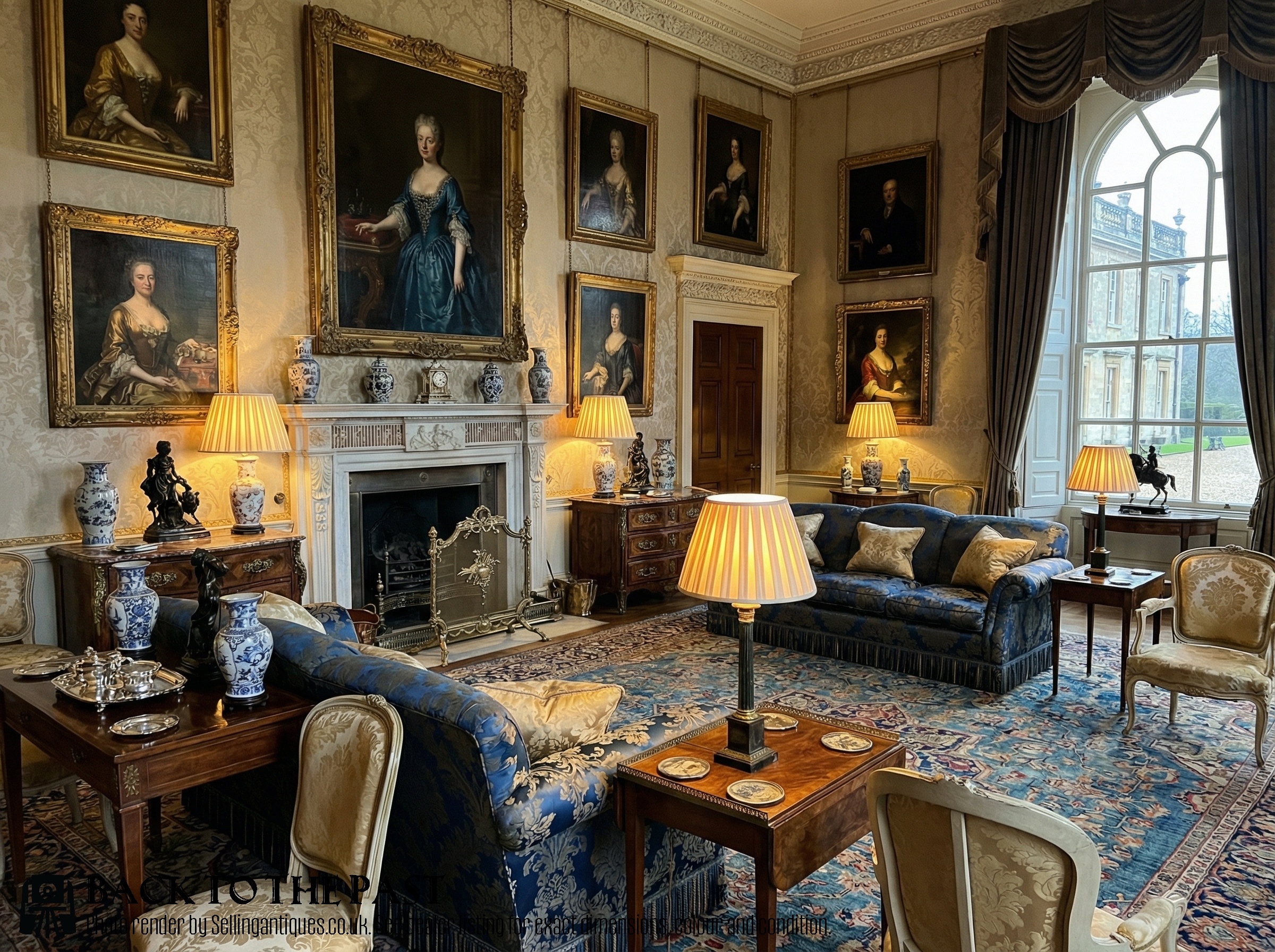
A vintage brass spark screen guards a hearth while adding metalwork detail to a room, appearing in forms from flat panels to folding wings. Buyers searching for a vintage brass spark screen encounter Victorian designs alongside French Rococo Revival and Art Nouveau pieces dating from the nineteenth century into the early twentieth century.
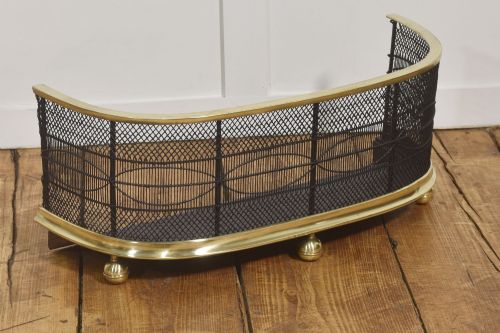
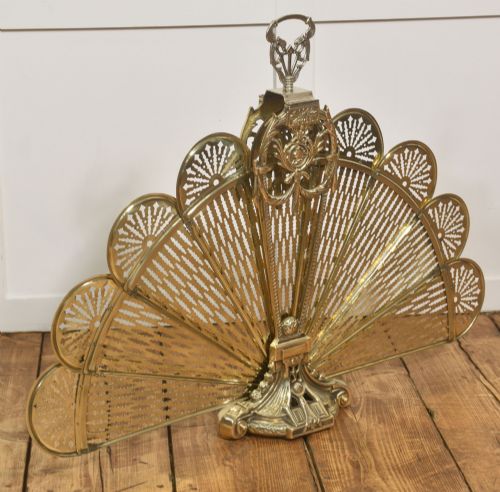
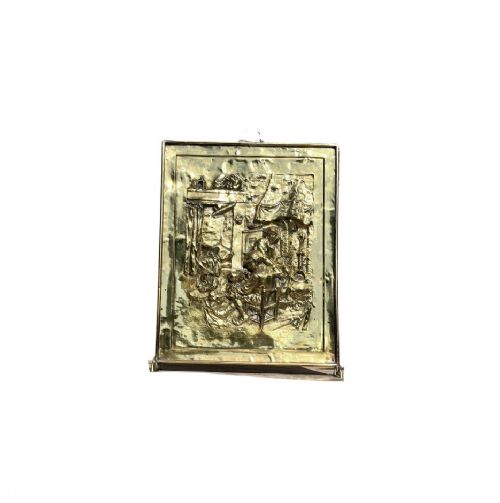
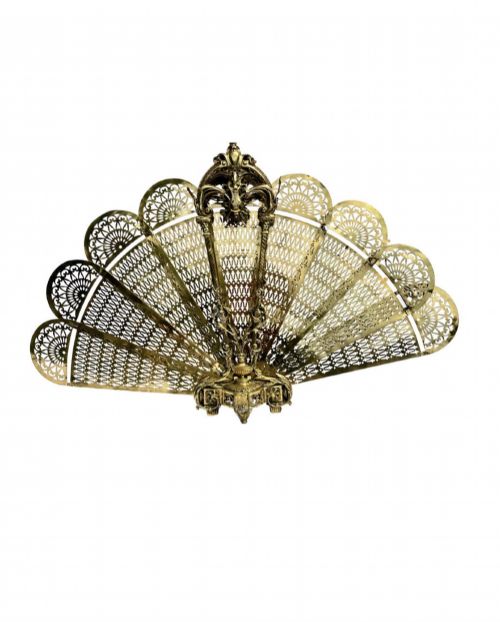
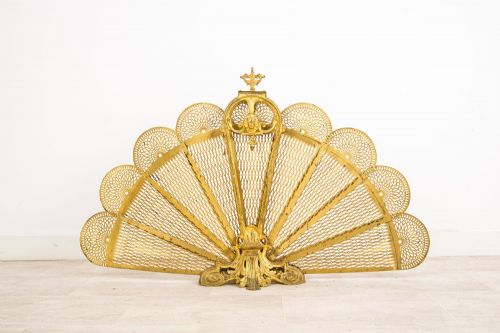
The selection ranges from simple wirework guards and nursery fenders to elaborate peacock fan screens with articulated folding sections. Many examples incorporate embossed brass, mesh panels, or cut glass, originating from British, French, and Dutch workshops.
Materials and Technique
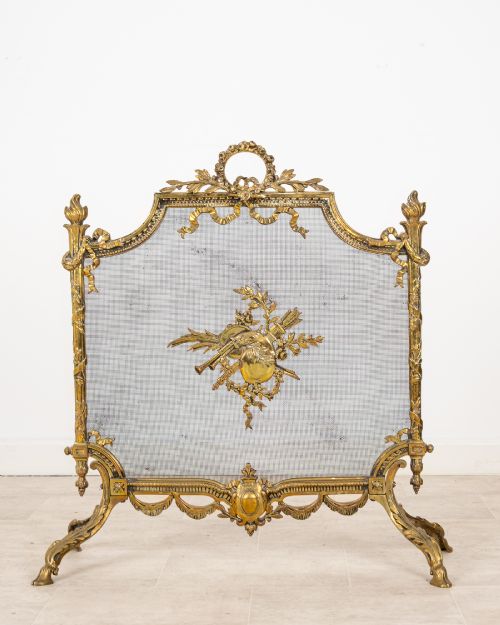
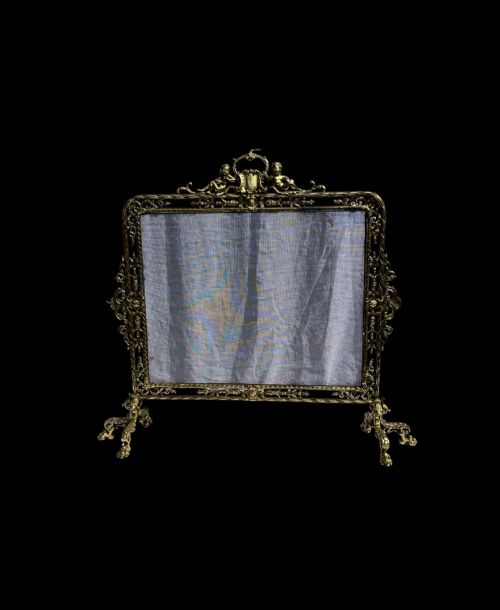
These pieces rely on brass, gilt bronze, and wire mesh, often paired with iron frames or steel supports for stability. Metalworkers utilised casting, piercing, and chasing techniques to create ornate floral trophies, coats of arms, and scrolling frames.
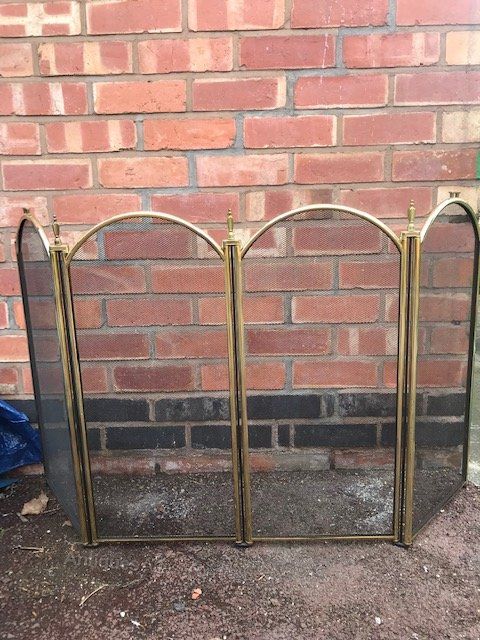
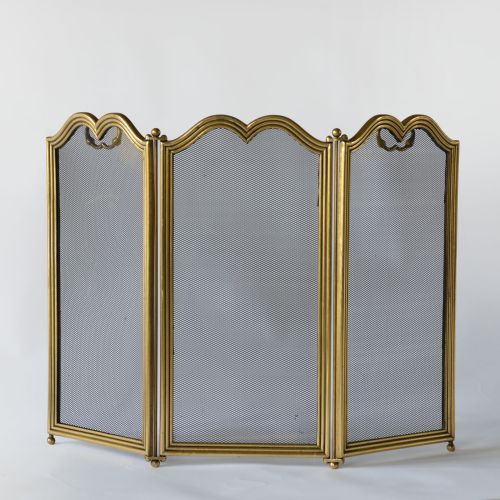
Folding sections employ hinges to allow panels to adjust around hearth openings, while wire mesh and fine mesh screens provide protection against stray embers without blocking warmth.
Vintage Brass Spark Screen Retail Price Guide 2026
Typical asking prices for vintage brass spark screen among the pieces listed under this phrase on Sellingantiques today, from the lower quarter to the upper quarter. They describe what is for sale here now, not the wider market.
Listings feature pieces spanning from the seventeenth century to the 1920s, with a strong concentration of Victorian and French Rococo Revival designs.
Craftsmanship and Detail
Quality shows in the weight of the metal and the crispness of chased or embossed details on the frame. Better examples feature finely articulated folding mechanisms, secure mesh attachment, and substantial cast bronze or brass elements rather than thin stamped sheet metal.
The intricacy of decorative motifs, such as hand-chased musical trophies or complex peacock fan blades, distinguishes standard production items from finer artistic commissions.
The Vintage Brass Spark Screen Glossary
- Spark screen
- A protective barrier placed in front of an open fireplace to catch flying embers. These screens use fine wire mesh or perforated metal to contain sparks while permitting heat to enter the room.
- Peacock fan screen
- A folding fireplace guard composed of overlapping metal blades that fan open like a tail. When not in use, the blades slide together into a compact vertical stack.
- Nursery fender
- A low metal barrier enclosing a hearth to keep children and pets at a safe distance from the fire. Many incorporate wire mesh panels and sturdy top rails.
- Chasing
- A metalworking technique where patterns are hammered into the front surface of brass or bronze with punches and a small hammer. This process raises details and adds texture without removing material.
- Ormolu
- Gilt bronze ornamentation applied to furniture and fireplace accessories during the eighteenth and nineteenth centuries. The process involves coating bronze in a gold amalgam and heating it to leave a durable gold layer.
Vintage Brass Spark Screen: Frequently Asked Questions
How do I clean a brass spark screen?
Dust the wire mesh and frame regularly with a soft cloth to prevent soot accumulation. Avoid harsh chemical polishes that strip historic patinas from nineteenth-century brass.
For stubborn grime, use warm soapy water and dry thoroughly immediately after cleaning to prevent spotting.
Will a folding screen fit my fireplace?
Measure the width and depth of your hearth opening before selecting a tripartite or multi-fold design. Folding screens offer flexibility because the side panels adjust to fit different fireplace widths.
Ensure the feet or base sit level on the hearth stone for stability.
What is the difference between a fender and a screen?
A fender sits flat on the floor as a low perimeter barrier around the hearth, sometimes including a raised wire mesh spark guard. A screen stands upright to cover the opening itself.
Some nineteenth-century designs combine both functions into a single nursery fender unit.
How do I date a brass fire screen?
Examine the stylistic cues, such as asymmetrical Rococo scrollwork from the nineteenth century or linear geometric motifs from the early twentieth century. Construction methods like hand-chasing versus machine-stamping also indicate the period.
French Empire and Louis XIV Revival pieces typically display heavier cast bronze and classical motifs.