


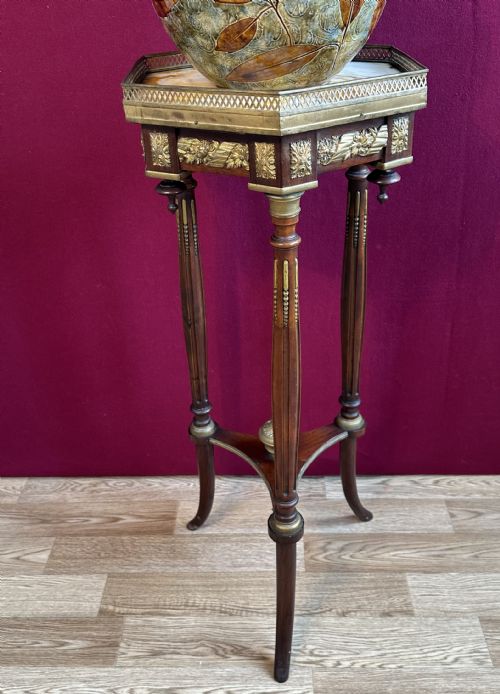


Vintage Brass Plant Stand
A vintage brass plant stand elevates greenery with polished metal and timber, bringing character and height to interior spaces.
Vintage Brass Plant Stand
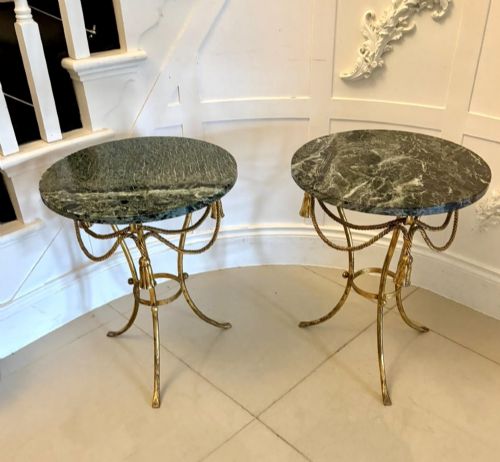
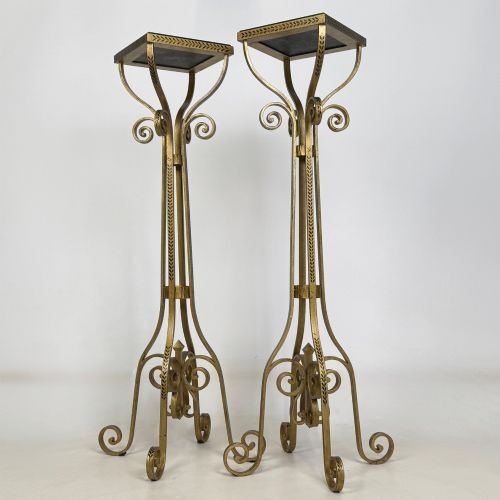
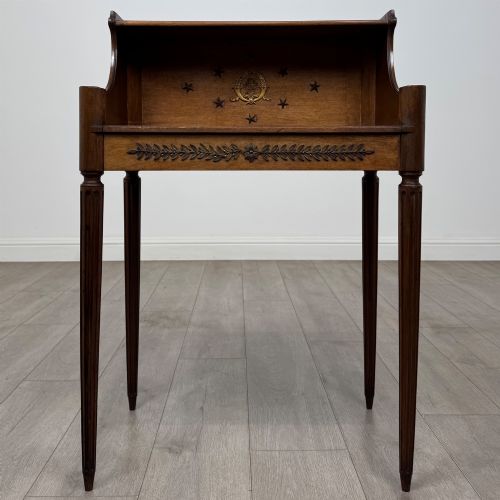
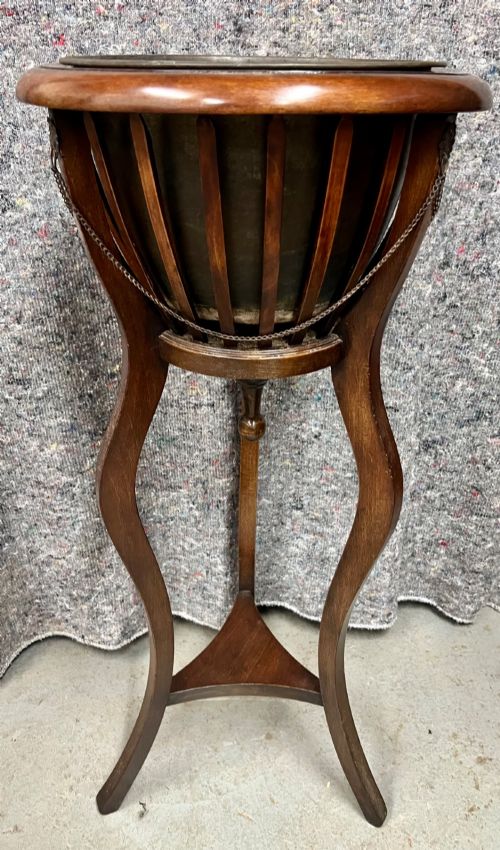
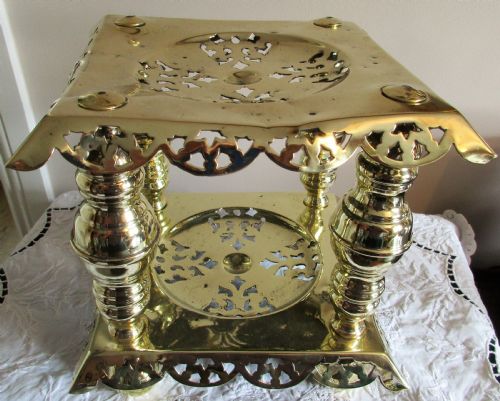
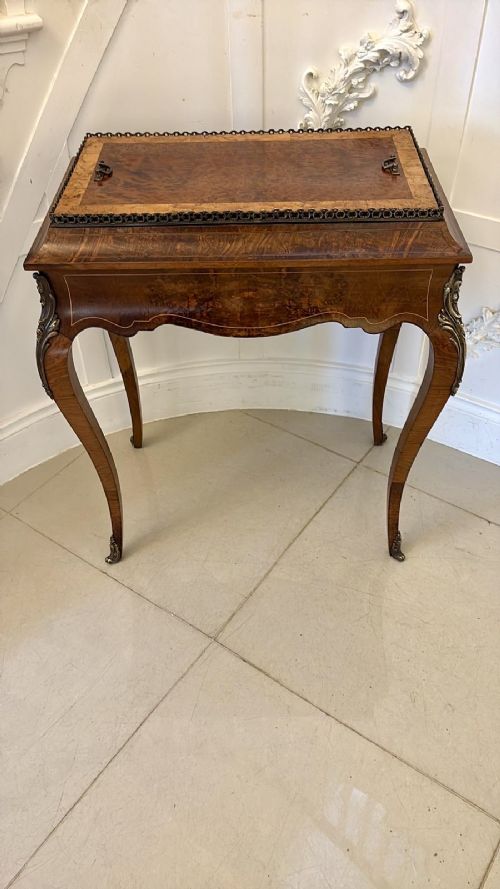
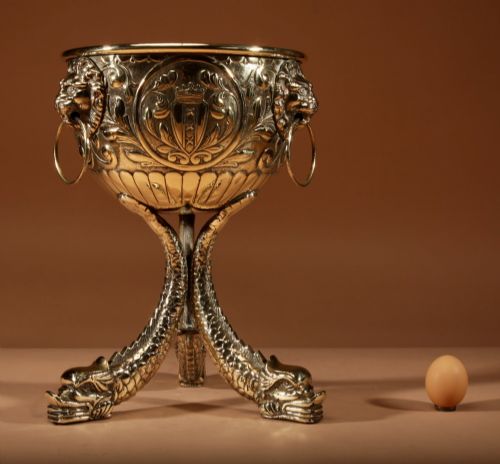
A vintage brass plant stand bridges the gap between functional garden utility and refined indoor furnishing. The examples appearing here encompass periods stretching from the nineteenth century through the early twentieth century, drawing on styles such as Edwardian, Art Nouveau, and French Empire. These pieces function variously as jardiniere stands, torchères, pedestals, and occasional tables designed specifically to support display plants.
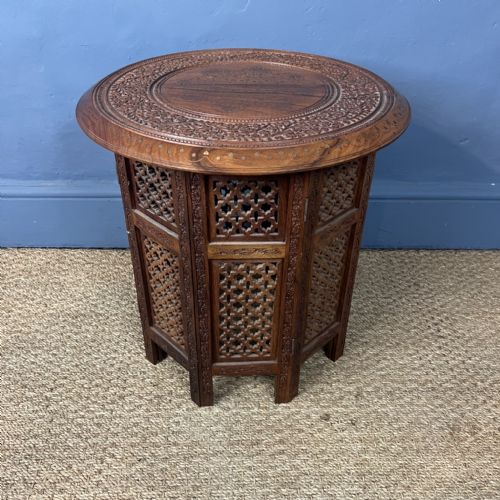
Most entries combine a metal structural element with timber or stone tops, frequently utilising brass alongside mahogany, walnut, oak, and marble. Buyers will encounter English coopered oak barrels alongside continental pieces featuring gilt metal, ormolu, and inlaid teak. Originating from workshops across Britain, France, Italy, India, and the Netherlands, the selection ranges from tall pedestals to low two-tier trivets.
Materials and Technique
Construction relies heavily on the marriage of durable metals with seasoned hardwoods and heavy stone. Makers combined cast, chiseled, pressed, and embossed brass with timbers like mahogany, walnut, satinwood, teak, and oak. Tops frequently integrate polished marble, onyx, or engraved copper trays.
Joinery methods reflect traditional cabinetmaking alongside metalworking techniques such as brass binding and inlay. Coopered wooden staves bound in brass echo traditional bucket-making, whilst turned pedestals and cast mounts demonstrate skilled foundry work and hand-carving.
The inventory includes coopered oak barrels, inlaid teak tables from India, and French gilt metal pedestals.
Distinction in Craft
Quality reveals itself in the weight and crispness of the metal elements and the selection of the timber. Finely cast or chiseled brass displays sharp detail and substantial gauge, whereas inferior pieces rely on thin pressed sheet metal. The integration of materials, such as closely fitted marble inserts and precise brass inlay, separates standard utility items from finer decorative pieces.
Proportion and structural integrity define the superior items in this category. Well-balanced stands maintain stability under heavy ceramic or stone planters, utilising solid joints and seasoned woods that resist warping over time. The finish on both the timber and the brass indicates the original maker's investment of time and skill.
The Vintage Brass Plant Stand Glossary
- Jardiniere
- An ornamental stand or container designed to hold a plant or flower pot. These often feature waterproof liners or raised bases.
- Torchere
- A tall ornamental stand originally designed to carry a torch or candle, later adapted for plant pots or lamps.
- Coopered
- Constructed from wooden staves fitted together side by side and bound by metal hoops, similar to barrel-making.
- Ormolu
- Gilded bronze applied to furniture mounts and decorative objects, providing a bright golden metallic finish.
- Dinanderie
- European brass and copper ware, particularly items produced in Belgium and northern France using beating and casting techniques.
Vintage Brass Plant Stand: Frequently Asked Questions
How were vintage plant stands used?
These pieces served primarily to elevate potted palms, ferns, and flowering plants above floor level to catch the light and protect domestic flooring. They were placed in hallways, drawing rooms, and conservatories as decorative focal points.
In contemporary interiors, they continue to function as plant holders or serve as side tables for lamps and decorative objects.
What materials are common on these stands?
Brass forms the predominant metal component, appearing either polished, cast, embossed, or combined with copper and ormolu. This metal is paired with timbers such as mahogany, walnut, oak, teak, and satinwood.
Many examples incorporate stone elements, featuring inset tops of white or verde marble and onyx to resist moisture from watering.
How do I identify an Edwardian plant stand?
Edwardian pieces often display lighter proportions and draw inspiration from earlier Georgian or French designs. They frequently utilise mahogany or inlaid satinwood alongside brass galleries and slender legs.
The manufacturing techniques of this period combine machine precision with traditional hand-finishing, typically dating from the early twentieth century.
Can these stands support heavy pots?
Sturdier examples constructed from solid oak, mahogany, or heavy cast brass are built to bear substantial weight, particularly coopered jardiniere stands. Lighter occasional tables and delicate torchères are better suited to modest ceramic or terracotta pots.
Checking the base stability and the integrity of the joints helps determine the appropriate weight capacity for each piece.