

Vintage Brass Hall Lantern
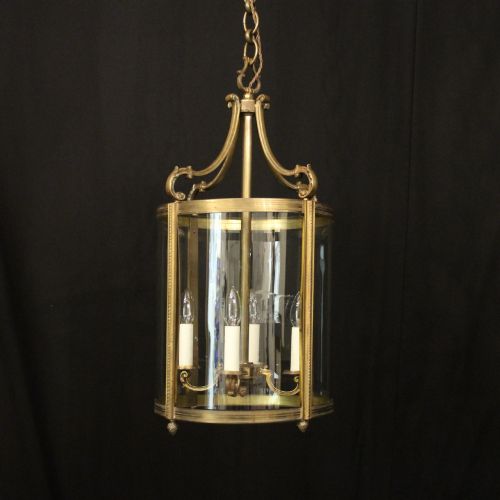
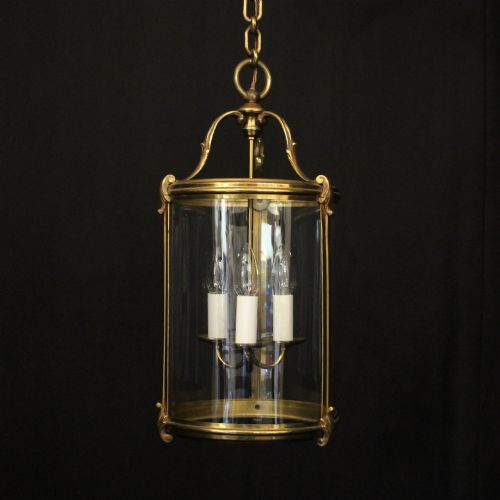
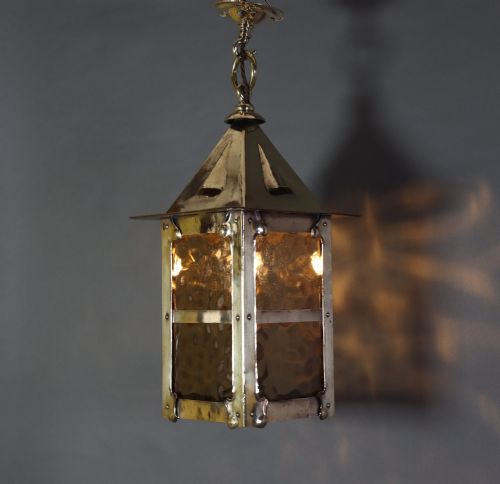
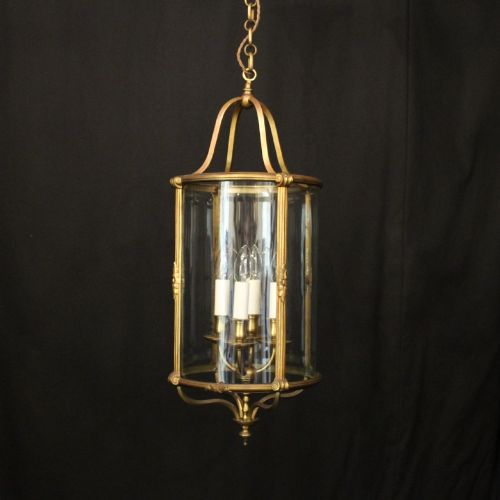
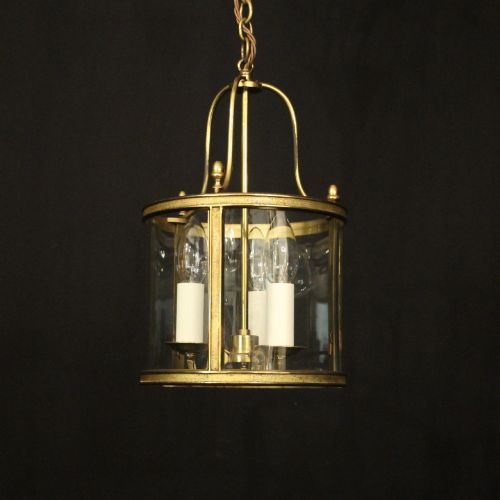
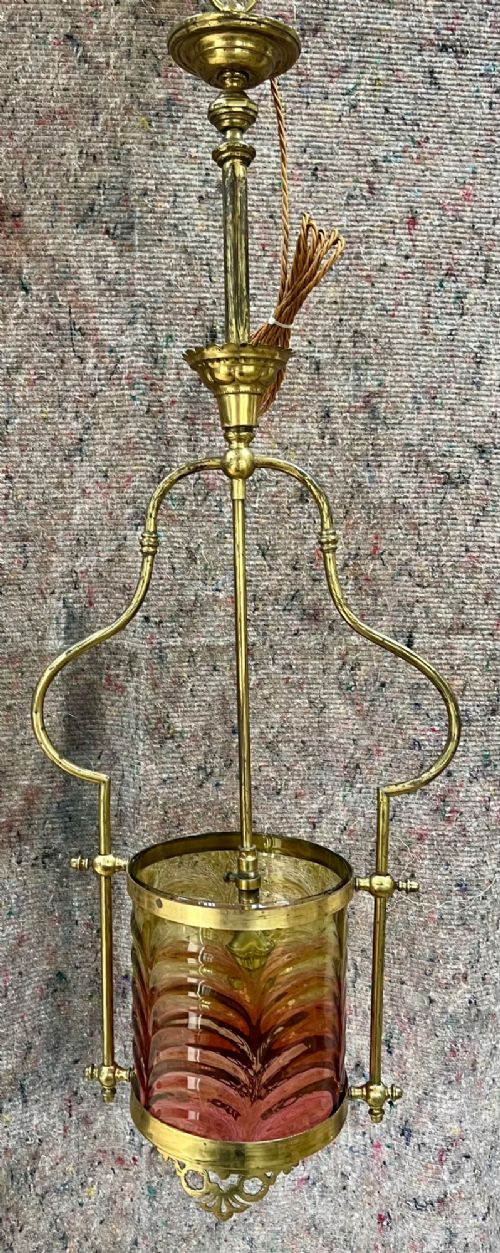
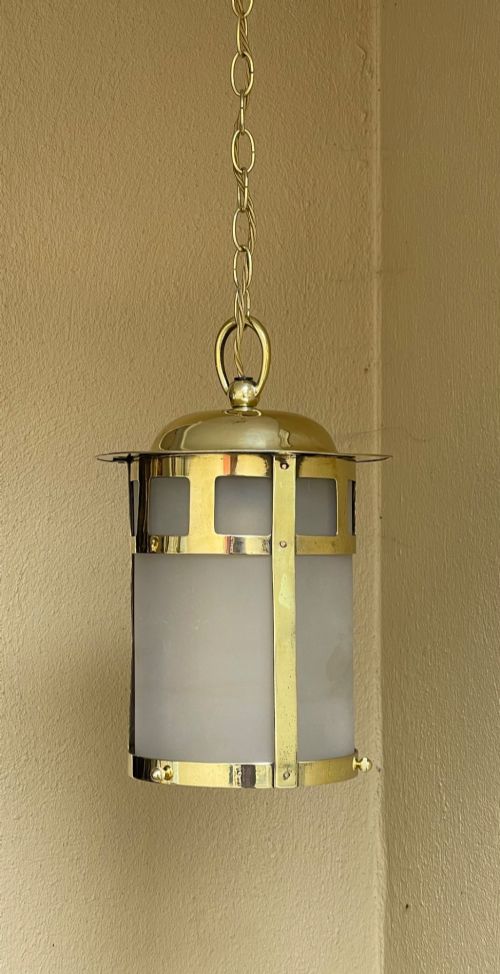
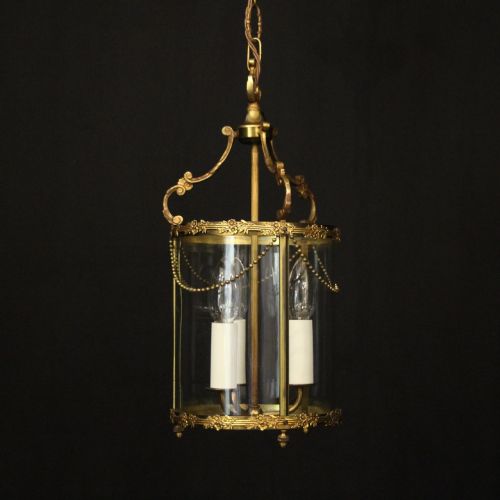
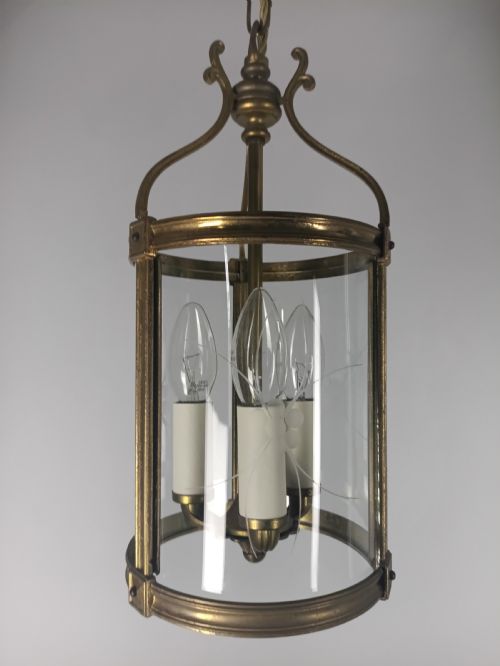
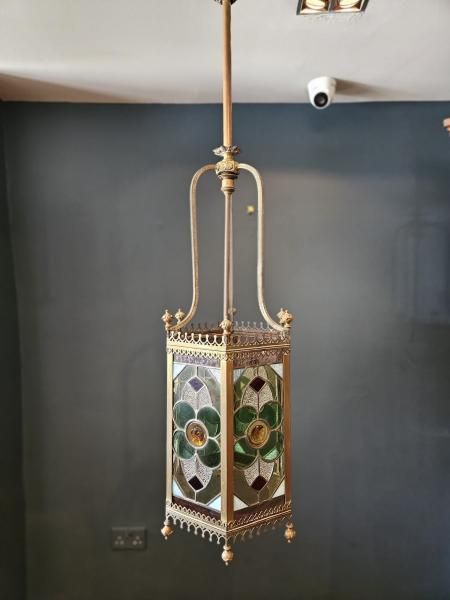
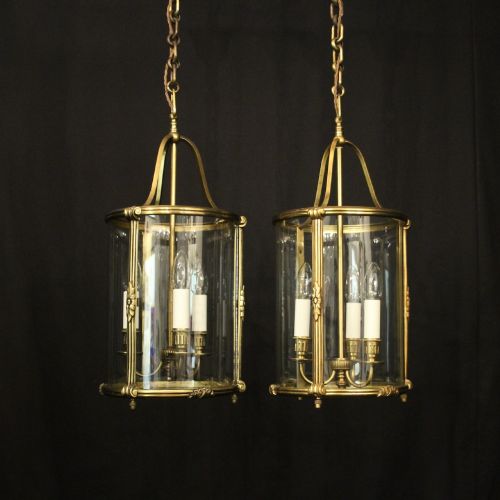
A vintage brass hall lantern brings warmth to an entranceway, casting patterned light through glass panels.
Vintage Brass Hall Lantern
A vintage brass hall lantern provides overhead illumination designed specifically for narrow entranceways, corridors and vestibules. These hanging fixtures rely on glazed panels to protect the interior burner or bulb while spreading light evenly across a threshold.
The selections here span from the mid-nineteenth century through the 1930s, encompassing styles from the Victorian era to Art Nouveau and Arts and Crafts designs. French models frequently appear alongside English examples, bringing distinct continental proportions to the category.
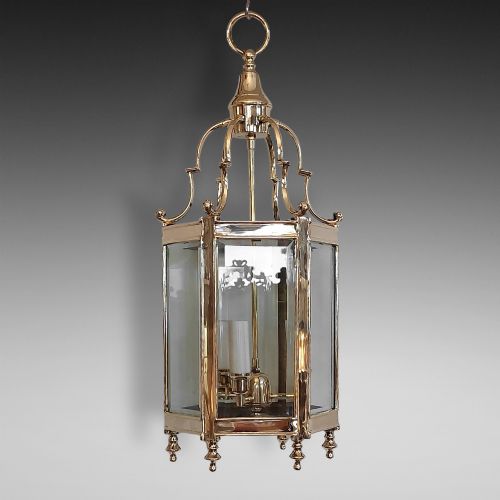
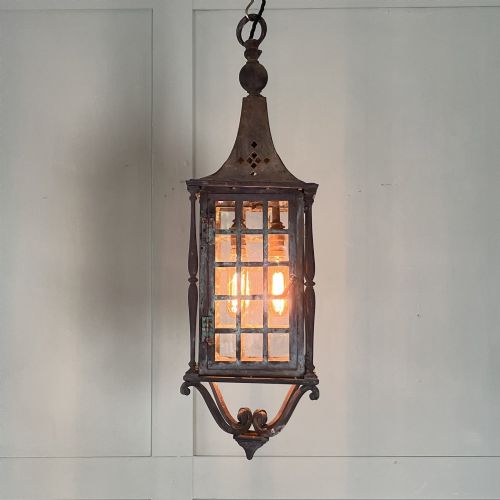
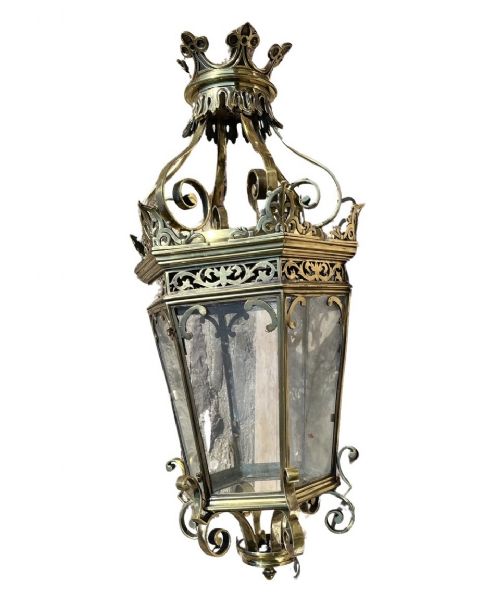
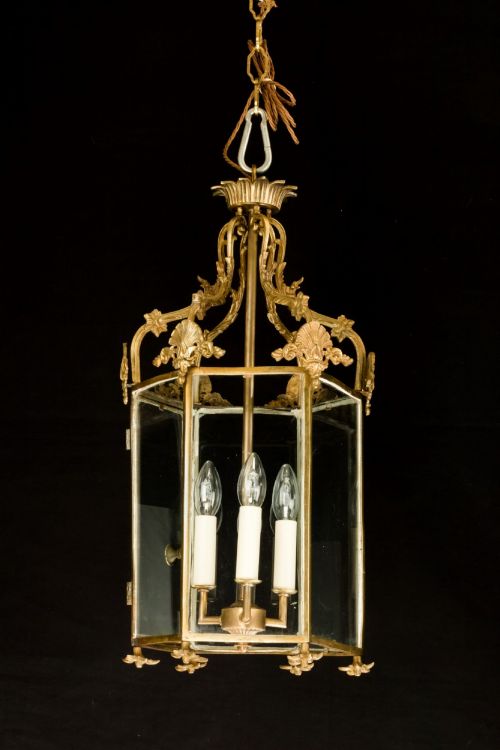
Hexagonal and square profiles dominate the available forms, often fitted with hinged doors to permit interior access. Buyers meet everything from simple domestic pendants to grander multi-light fixtures bearing gilt finishes and heavy bronze construction.
Materials and construction methods
Makers built these frames using brass, bronze, and gilt bronze, joining structural sections with mechanical fasteners or brazed joints. Metalwork varied from plain cast brass to heavily gilded surfaces designed to catch available hallway light.
Glazing techniques defined the visual character of each piece, employing bevelled, leaded, etched, or hand-blown bulls-eye glass. Panels sat securely within metal channels, sometimes secured by tiny interior clips or traditional lead cames.
French and English design influences appear across Arts and Crafts, Edwardian, and Victorian periods.
Distinguishing quality across pieces
The substance of the metal frame dictates the structural integrity of the fixture, separating heavy cast components from thin stamped alternatives. Substantial weight ensures the hanging light remains plumb and resists distortion over decades of service.
Glass selection reveals the original maker's ambition, with bevelled edges, hand-blown imperfections, and precise leaded patterns elevating simple utility into decorative art. Finishes also differ significantly between simple polished brass and deep fire-gilt bronze.
The Vintage Brass Hall Lantern Glossary
- Bulls-eye glass
- A thick round pane featuring a prominent central distortion formed during traditional glassblowing. These lenses create dramatic refractive patterns when illuminated from behind.
- Gilt bronze
- Base bronze metal treated with a fine layer of gold leaf or mercury gilding. This technique produces a rich metallic lustre that resists tarnishing.
- Bevelled glass
- Flat glass panes finished with an angled, polished edge around the perimeter. This treatment catches light and adds depth to simple geometric lantern frames.
- Came
- A slender lead strip milled in profile to hold individual glass pieces together in leaded windows and lantern panels. These flexible channels allow complex geometric patterns to take shape.
- Hexagonal
- A six-sided geometric plan frequently utilised in hanging lantern construction. This shape allows wider light distribution than standard square designs.
Vintage Brass Hall Lantern: Frequently Asked Questions
How do I hang a hall lantern safely?
Suspension requires a sturdy ceiling joist or an appropriate structural hook capable of supporting the dead weight of the metal and glass. Wiring must run securely through the primary hanging chain or downrod to internal lamp holders.
Professional installation is recommended for older fixtures to ensure earth continuity across metal frames that predate modern electrical standards.
Can these lights be wired for modern homes?
Most antique lanterns arrive ready for modern electrical adaptation, utilising standard internal lamp holders hidden within the historic frame. Rewiring preserves the exterior aesthetic while meeting contemporary safety regulations.
Edison-style LED bulbs work particularly well inside vintage glass panels, offering warm illumination without excessive heat.
How do I clean antique brass and glass?
Gentle dusting with a dry microfibre cloth protects delicate patinas and aged metallic surfaces from unnecessary wear. Avoid abrasive metal cleaners that strip away historic finishes and original gilding.
Glass panels benefit from removal where possible, allowing safe cleaning with standard glass solution away from fragile metal frames.
What ceiling height suits a hanging lantern?
Standard hallway installations require adequate clearance beneath the lowest point of the fixture for comfortable passage. Taller entranceways accommodate longer chain drops, allowing the lantern to sit as a dramatic focal point.
Proportion dictates placement, ensuring large multi-light fixtures do not overwhelm compact vestibules.