
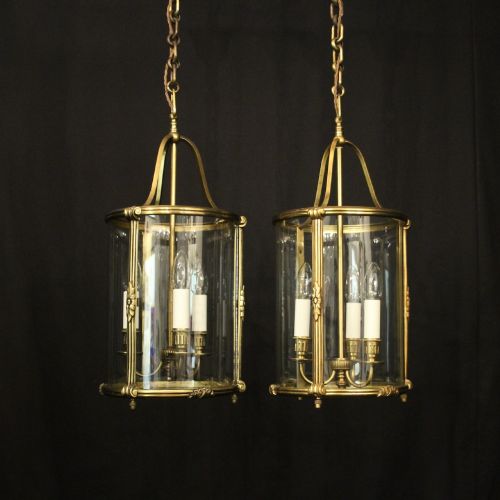


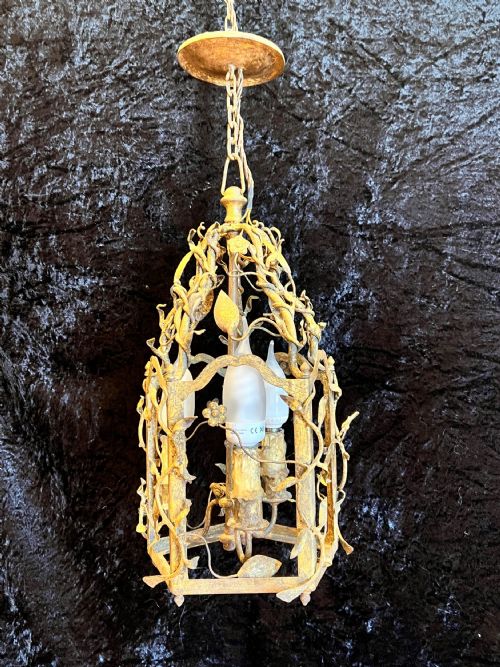


Three Light Hanging Lantern
A three light hanging lantern brings genuine period presence and character to an entrance hall, combining practical illumination with decorative flair.
Three Light Hanging Lantern
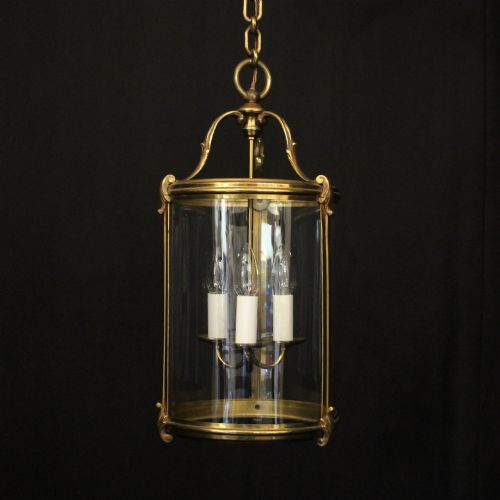
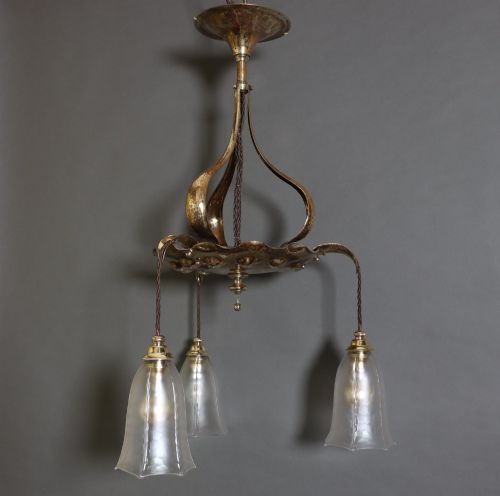
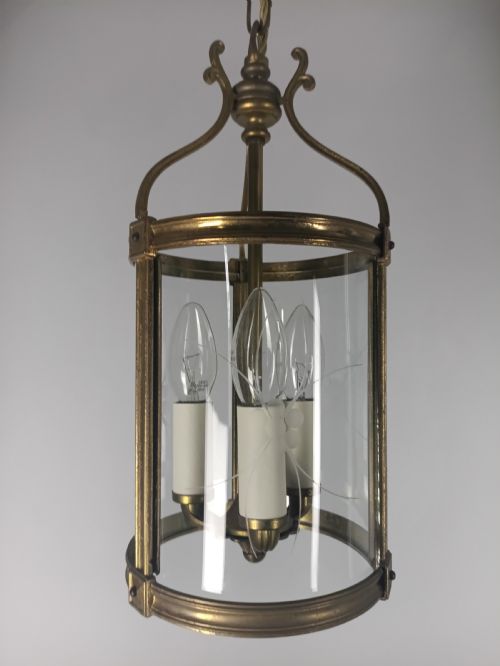
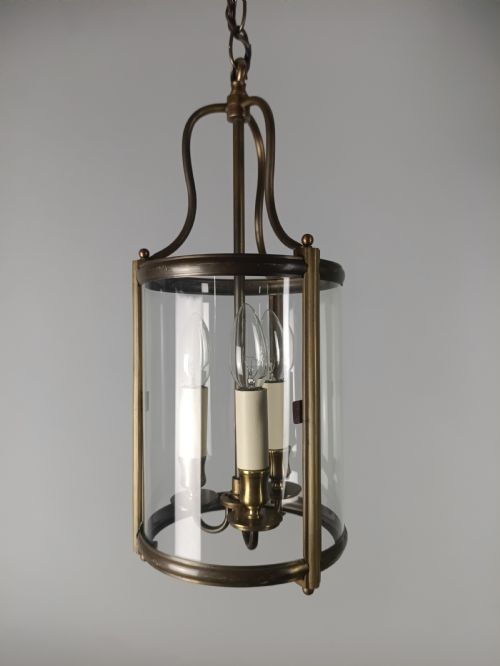
When you search for a three light hanging lantern, you are looking at substantial ceiling fixtures designed primarily to light hallways, landings, and entrance spaces. These pieces provide an inviting spread of illumination from three internal bulb or candle positions, enclosed within a decorative frame of glass and metal.
You are most likely to meet French and English examples from the early twentieth century on this page, spanning the Edwardian era through to the nineteen-thirties. These pieces frequently draw upon classic design traditions such as French Rococo, Neoclassical, and Arts and Crafts styles.
The forms vary from simple geometric brass designs to ornate convex glass hall lanterns mounted in gilded bronze or wrought iron. Selecting the right piece depends on the scale of your hallway and the period character of your interior architecture.
How they were made
Craftsmen built these lanterns using sturdy metal frames of brass, bronze, and wrought iron, often finished with gilding or polished surfaces. Molten metal was cast, hammered, or shaped to form the structural cage that holds the glass panels in place.
The glazing typically incorporates curved or convex glass panels, sometimes decorated with etched patterns to diffuse the internal light softly. Artisans assembled these components by hand, securing the glass within metal rebates to create a durable hanging fixture.
Recorded periods for these lighting fixtures span from nineteen hundred through to nineteen thirty.
What varies in quality
Quality in these lanterns rests upon the weight and finish of the metalwork, distinguishing heavy cast bronze or solid brass frames from lighter, pressed metal alternatives. Superior examples display crisp detailing in stylistic ornaments, such as acanthus leaves or cast mounts, which reflect thoughtful hand-finishing.
The glass selection also dictates grade, with thick, clear convex panes requiring greater skill to cast and fit than flat glass. Original patination on the metal components adds depth that modern replicas cannot replicate.
The Three Light Hanging Lantern Glossary
- Convex glass
- Curved glass panels that project outward to soften and widen the spread of light within a room. This technique adds visual depth to the lantern frame.
- Gilded bronze
- Bronze metal treated with a thin layer of gold leaf or gold powder finish. This application provides a durable and rich metallic sheen.
- Hall lantern
- A ceiling-hung lighting fixture specifically scaled for corridors, vestibules, and entrance halls. These pieces are designed to be viewed from multiple angles.
- Arts and Crafts
- A design movement valuing traditional craftsmanship, simple forms, and honest materials over mass production. Pieces from this style often feature hand-hammered metal details.
- French Rococo
- A decorative style characterised by asymmetrical scrollwork, natural plant motifs, and ornate curves. This aesthetic appears frequently in decorative metal lantern frames.
Three Light Hanging Lantern: Frequently Asked Questions
Where should I hang a three light hanging lantern?
These lanterns suit entrance halls, grand stairwells, and high-ceilinged vestibules where their scale can be fully appreciated. Ensure you hang the fixture at a height that allows comfortable clearance underneath while adequately illuminating the pathway.
Consider the proportions of your ceiling height and floor area when choosing a fixture. A larger hall benefits from a substantial convex glass design, whereas a more modest landing requires a simpler brass frame.
How do I clean and maintain antique brass?
Dust the metal and glass components regularly with a soft, dry cloth to prevent grime accumulation. Avoid harsh chemical cleaners that can strip away the aged patination collected over decades.
If polishing is necessary, use a mild, non-abrasive metal cleaner specifically formulated for antique brass or bronze. Take care not to get polish on the glass or surrounding wiring.
How can I tell the period of a lantern?
Examine the construction methods, screw types, and mounting hardware used in the frame. Edwardian and early twentieth-century pieces often display specific casting techniques and wiring channels characteristic of their decade of manufacture.
Stylistic cues also help determine age, as pieces referencing Arts and Crafts simplicity differ markedly from ornate French Neoclassical or Rococo revival designs popular in the interwar years.
Can these antique lanterns be rewired safely?
Most antique lighting requires professional rewiring to meet modern electrical safety standards before installation. A qualified electrician can easily update the internal lamp holders while preserving the exterior historic components.
Ensure your electrician checks the weight capacity of the ceiling rose and hanging chain. Because these lanterns feature heavy metal and glass, secure structural support is essential.