

Vintage Brass Guard
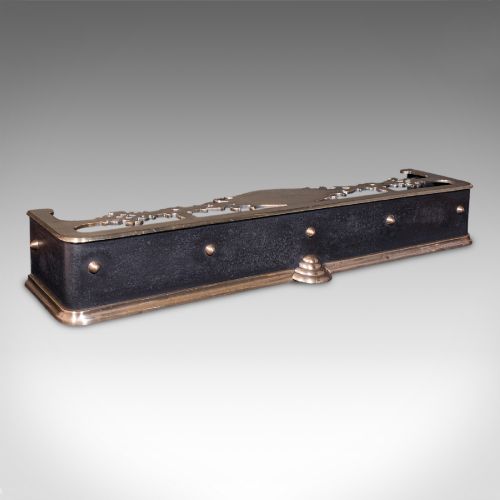
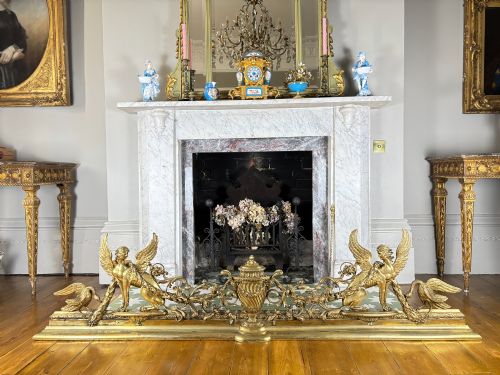
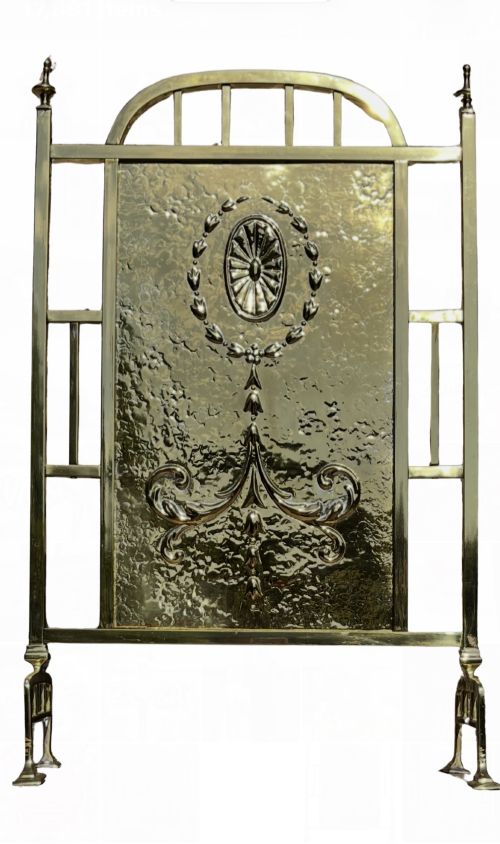
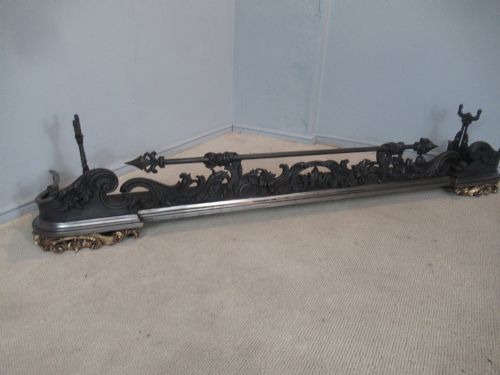
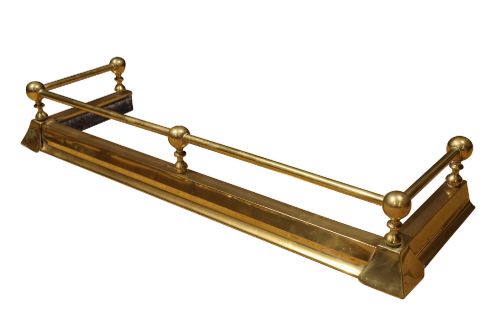
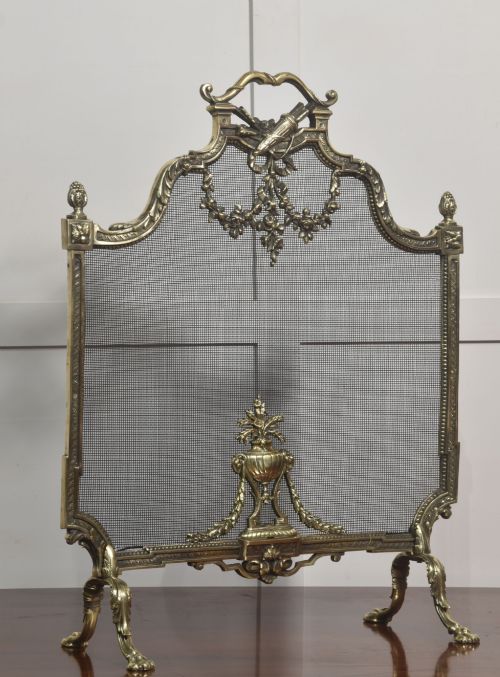
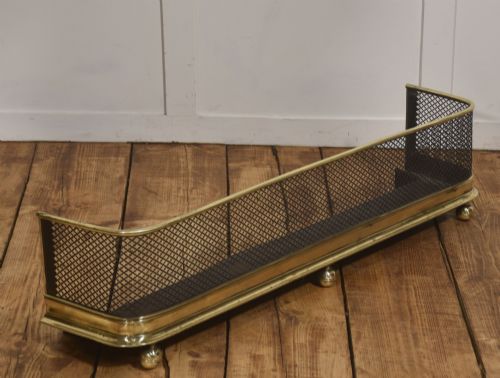
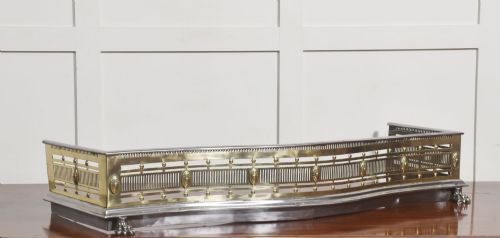
These vintage brass guard examples comprise functional fireplace screens, fenders, and fireguards that protect rooms from hearth embers while anchoring period interiors.
Vintage Brass Guard
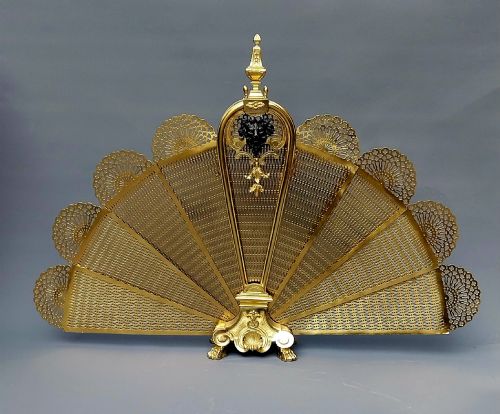
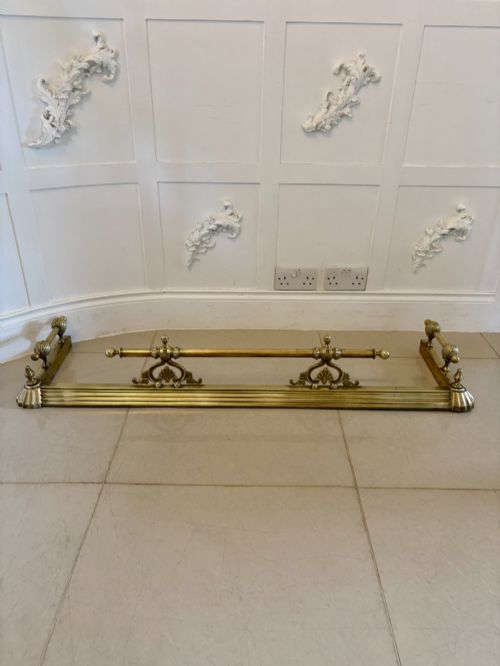
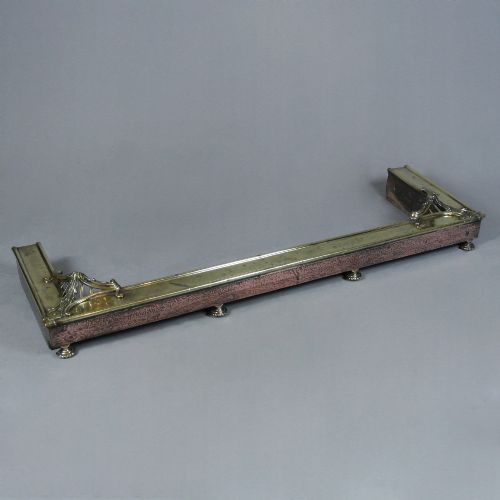
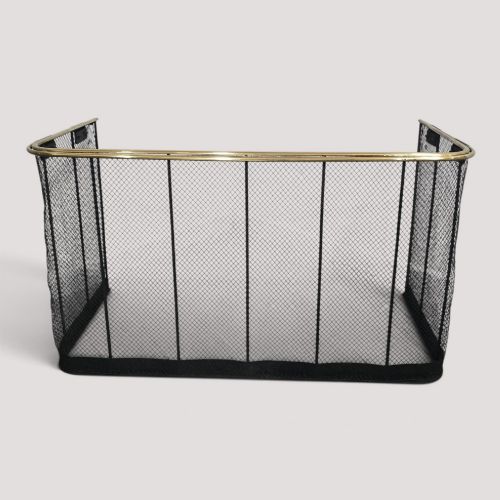
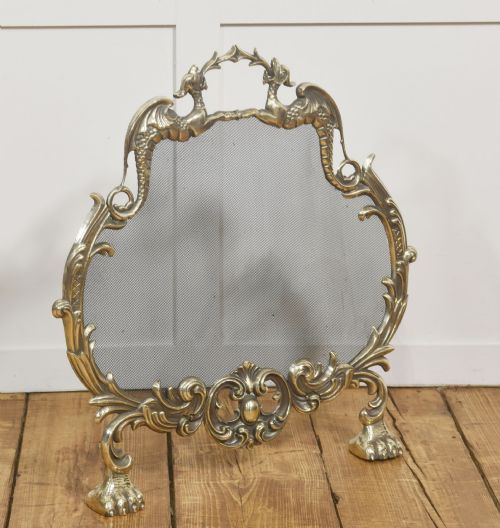
A vintage brass guard serves primarily as a domestic hearth barrier, encompassing items such as fire screens, extending fenders, and folding peacock designs.
The selections span the nineteenth century and the Edwardian era, featuring robust metalwork combined with materials like wire mesh, steel, and glass.
Buyers encounter numerous Victorian and French Rococo Revival examples alongside occasional Art Deco and Art Nouveau interpretations.
What varies in quality
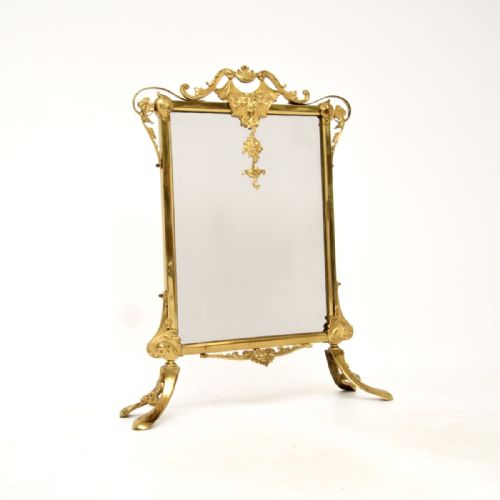
Distinction lies in the execution of decorative motifs, such as chased detailing on coats of arms or the structural heft of cast iron and brass frames.
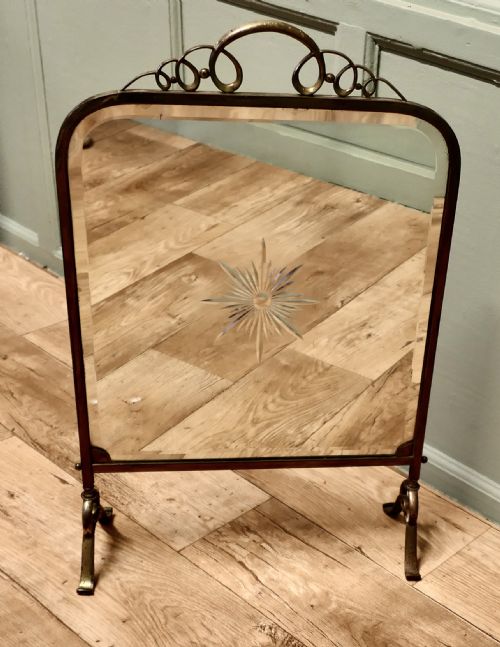
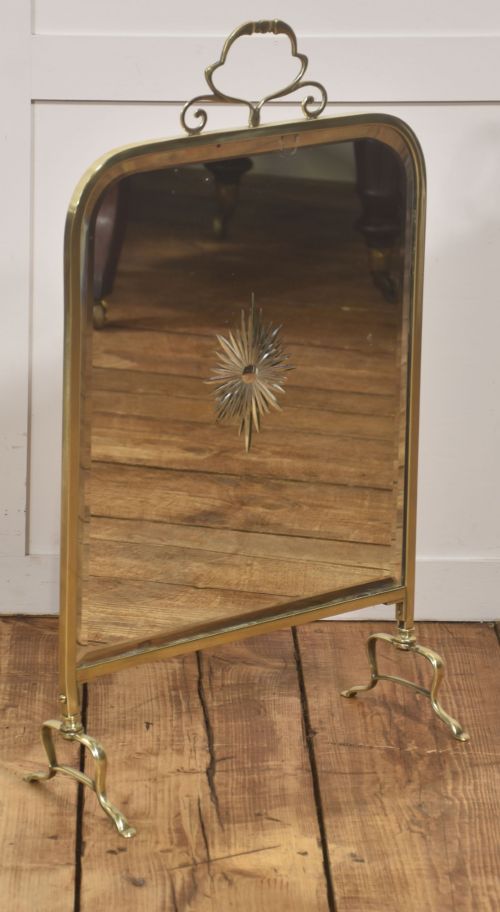
Richer examples display sophisticated stylistic revivals like French Louis XIV or Art Nouveau, paired with integrated mirrors or integrated leather upholstery on club fenders.
Vintage Brass Guard Retail Price Guide 2026
Typical asking prices for vintage brass guard among the pieces listed under this phrase on Sellingantiques today, from the lower quarter to the upper quarter. They describe what is for sale here now, not the wider market.
Listings feature 19th-century, Victorian, Edwardian, and 1910 periods alongside materials including brass, wire mesh, steel, leather, gilt bronze, iron, cast iron, and glass.
Bouhon Frères·E Thurkle of Soho
The Vintage Brass Guard Glossary
- Fire guard
- A protective barrier placed in front of an open fireplace to contain sparks and ash. They often incorporate wire mesh or folding metal panels.
- Club fender
- A low, padded seat built over a metal hearth fender, allowing people to sit close to the fire. They frequently combine brass frames with leather upholstery.
- Gilt bronze
- Copper alloy treated with a gold application to produce a lustrous decorative finish. It appears frequently on ornate nineteenth-century French screens.
- Pierced brass
- Metalwork perforated with decorative patterns to allow warmth through while maintaining a barrier. This technique defines many Victorian fender designs.
Vintage Brass Guard: Frequently Asked Questions
What is a vintage brass guard used for?
These pieces primarily function as hearth protection, shielding rooms from stray embers while adding decorative focus to the fireplace. Different styles offer varying degrees of physical coverage for the hearth.
Fenders frame the hearth base, whereas screens and folding guards stand upright to block sparks from open fires.
How do I identify a Victorian brass guard?
Victorian examples often display heavy cast construction, pierced brass patterns, or ornate Rococo Revival styling. They frequently integrate steel mesh or iron elements.
Look for the characteristic weight and period-specific decorative motifs recorded in nineteenth-century metalwork.
What materials are combined with brass?
Manufacturers frequently paired brass with steel, wire mesh, iron, and glass to ensure durability and visual contrast. Some configurations also incorporate leather or oak.
These mixed-material constructions serve both structural support and decorative enhancement around the fireplace.
How do folding peacock guards work?
Peacock fan screens feature articulated brass blades that expand outward into a semicircular display resembling a tail. They fold inward compactly when the fire is unlit.
This space-saving mechanism allowed homeowners to easily adjust the screen coverage as needed.