

Vintage Brass Floor Stand
Vintage brass floor stand choices range from adjustable standard lamps to reading stands, offering period character and adjustable illumination for any interior scheme.
Vintage Brass Floor Stand
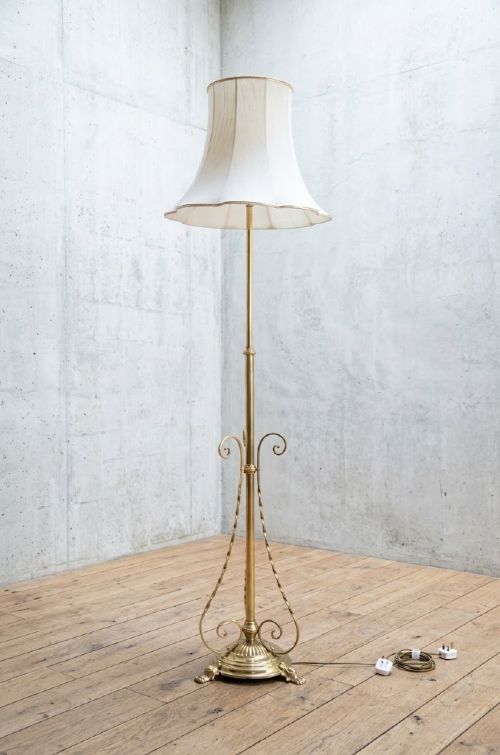
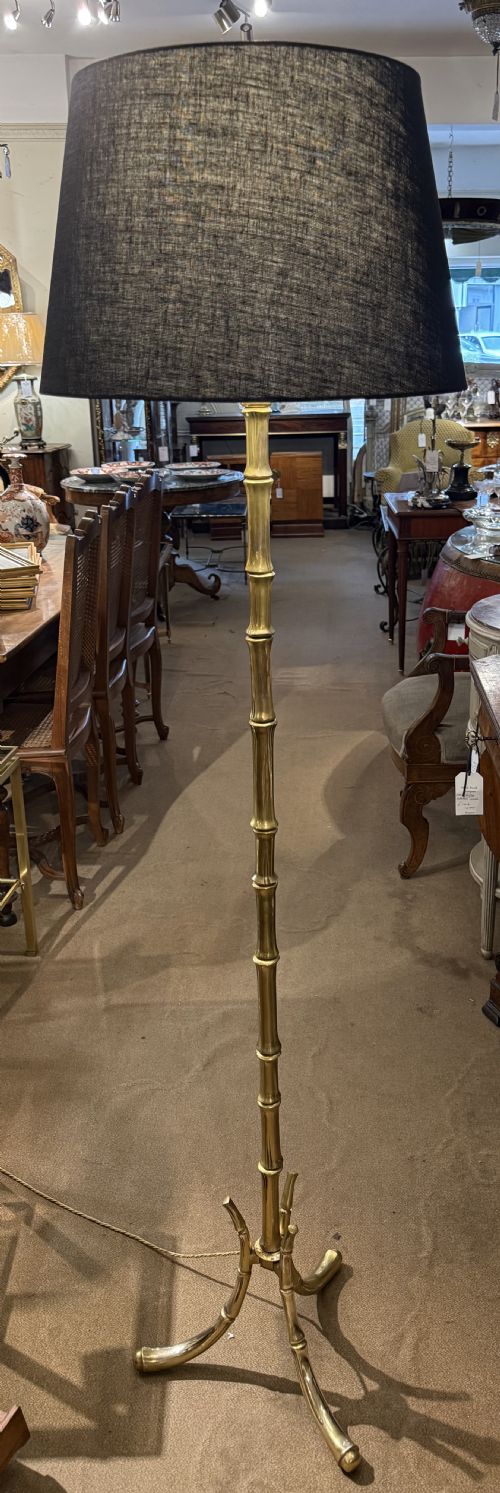
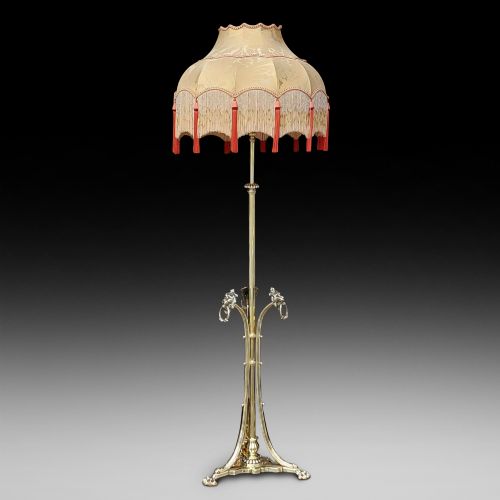
When searching for a vintage brass floor stand, buyers encounter tall vertical furnishings designed to provide functional lighting or utility in a room. These pieces appear in forms such as standard lamps, adjustable reading stands, and oil lamps mounted on tall columns.
The selections span multiple eras, showing influences from the Victorian and Edwardian periods, alongside Art Nouveau and Art Deco designs. Many examples feature height-adjustable mechanisms or multi-candle configurations like the Bouillotte floor lamp.
Originating from British workshops and continental makers alike, these items serve both practical lighting needs and decorative roles. The assortment on this page reflects traditional craftsmanship adapted for domestic interior use across various centuries.
How they were made
Makers utilised cast and spun brass to construct the upright columns and weighted bases necessary for stability in tall floor-standing pieces. Combinations with copper, cast iron, and steel appear in several variants to add structural rigidity.
Adjustable elements incorporate sliding brass tubing, screw keys, and weighted counterbalances to allow height alteration for reading or ambient lighting. Surface finishes range from polished yellow brass to patinated bronze and dark patination.
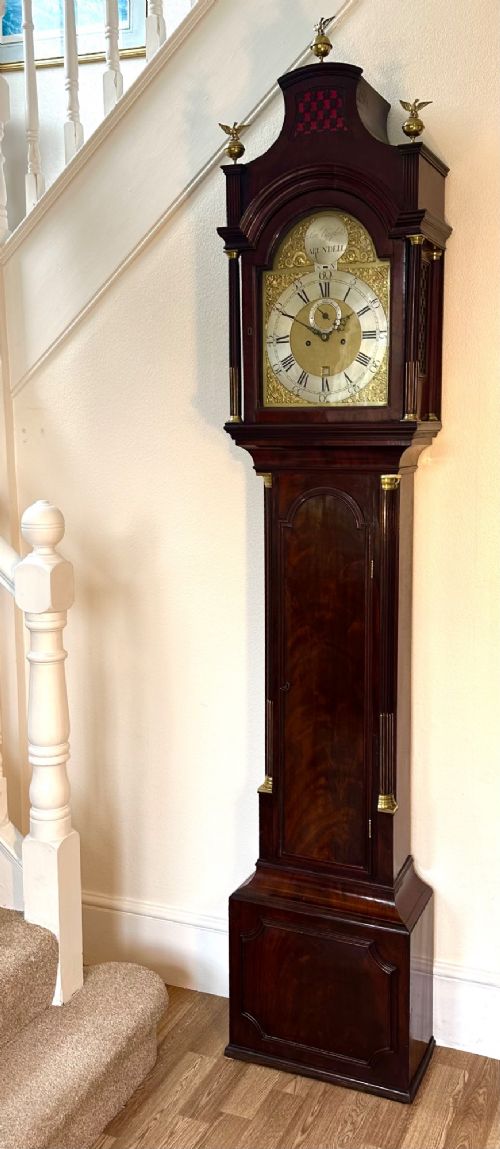
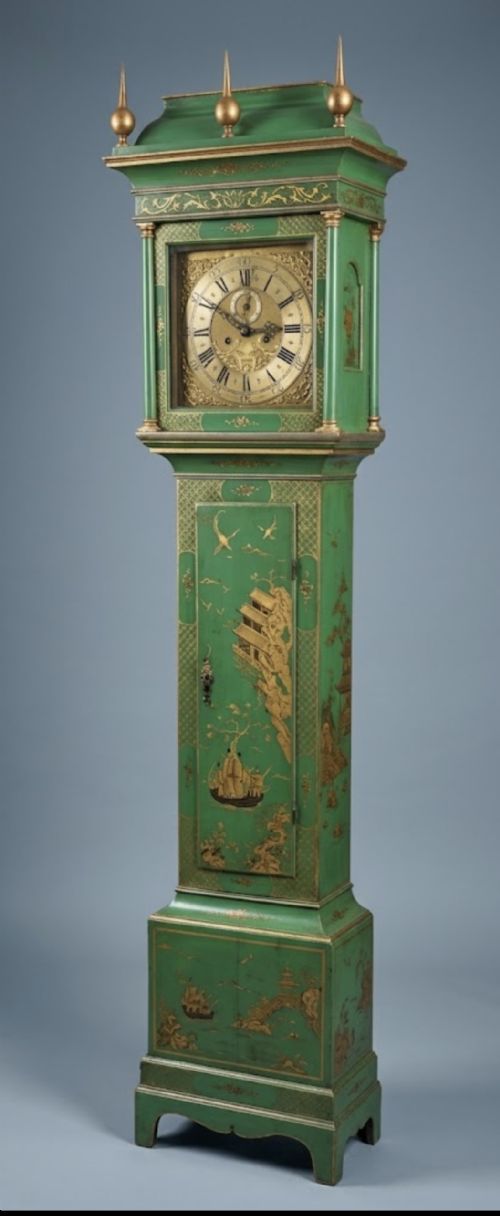
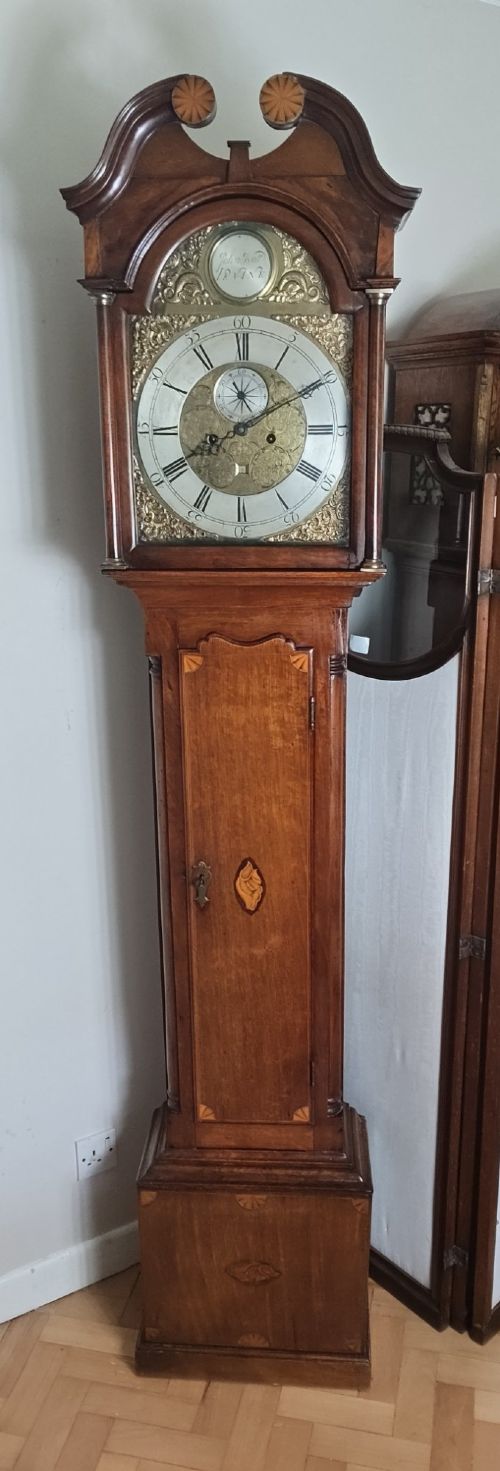
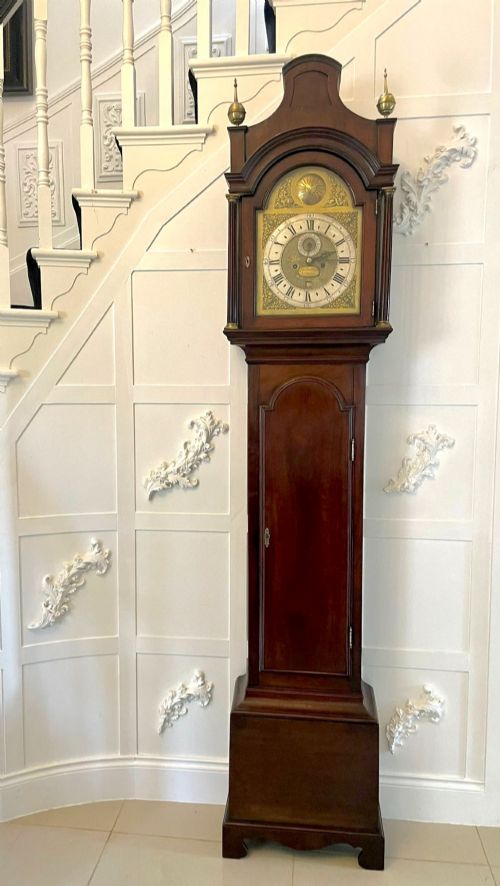
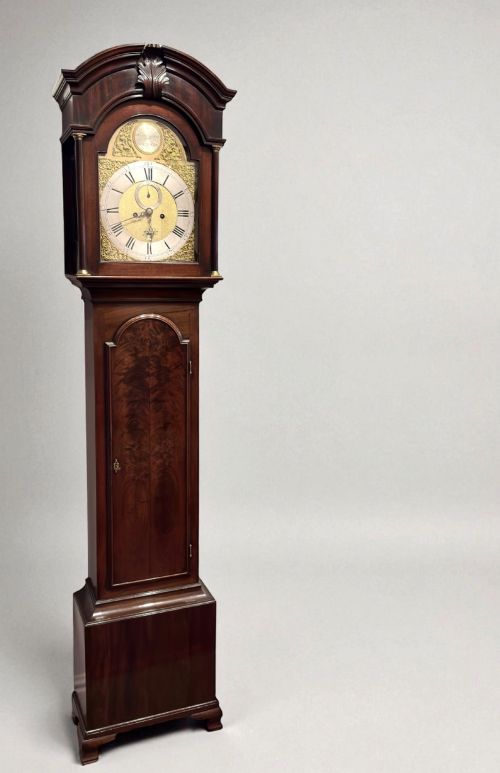
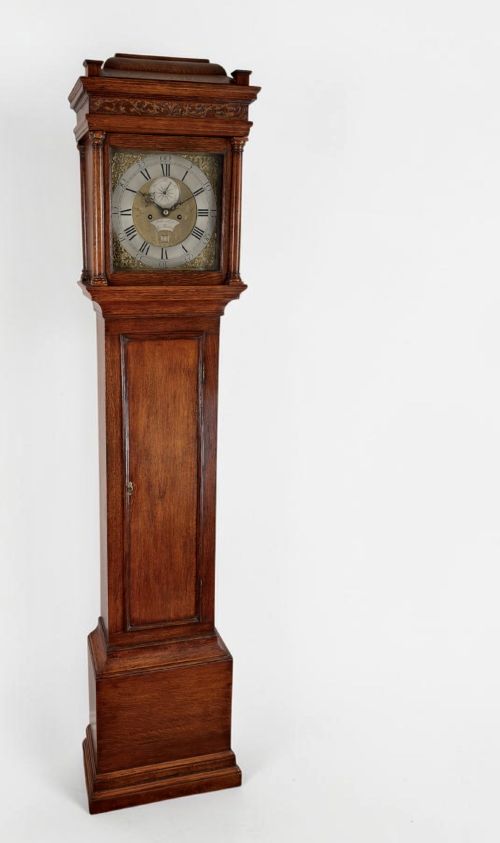
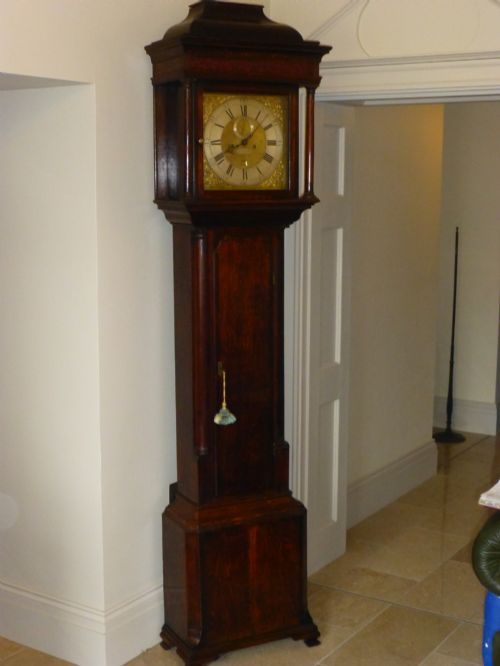
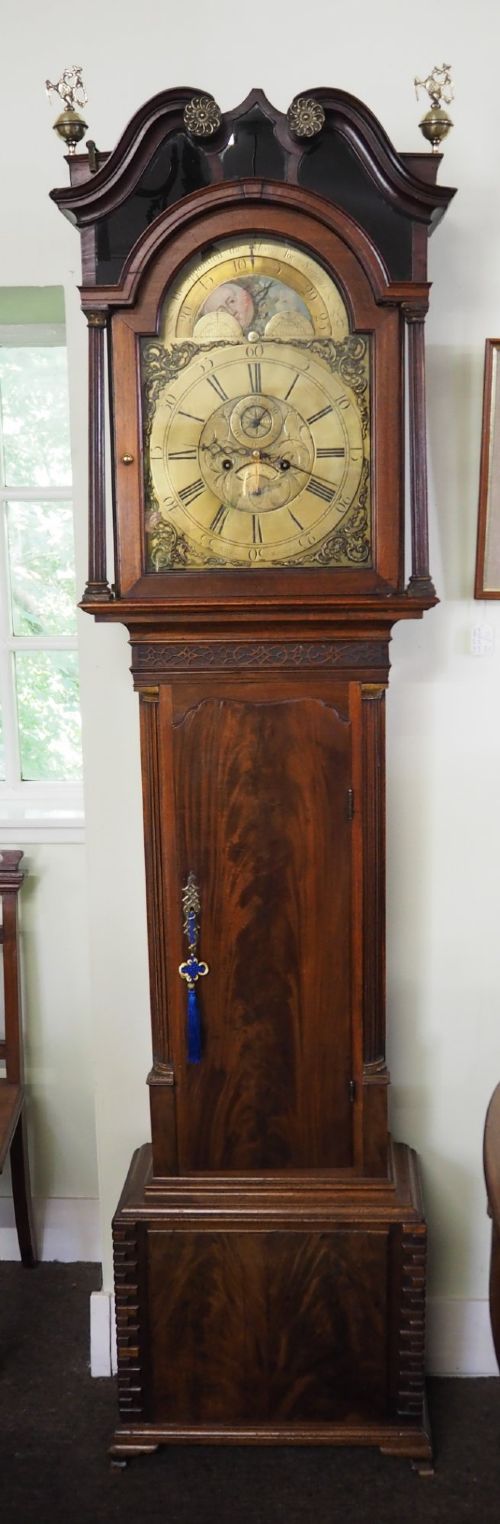
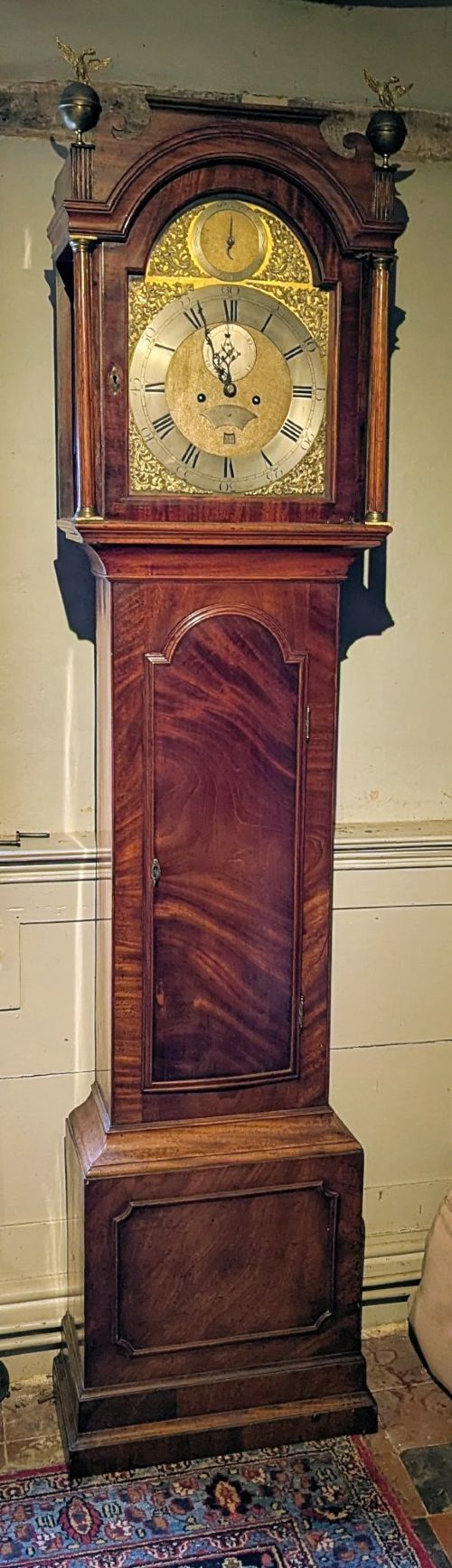
Among the towering clock cases and standard lamps rests a brass tortoise floor-standing cigar stand, ready to hold smoke-filled evening leisure.
What varies in quality
The weight and gauge of the brass used in the stem and base dictate the structural integrity of the standard lamp. Thicker metal prevents wobbling and ensures the long upright column remains straight over decades of use.
The precision of the adjustment mechanism distinguishes standard production from finer workshops. Smooth sliding actions, secure screw keys, and well-fitted collars indicate superior manufacturing standards.
Charles Shuckburgh·Richard Corless·Gordon of Aberdeen·Lee of Great Marlow·Maison Bagues
The Vintage Brass Floor Stand Glossary
- Standard Lamp
- A floor-standing lamp designed to support a shade and bulb at a raised height. These fixtures often feature heavy weighted bases to prevent tipping.
- Bouillotte Lamp
- A type of adjustable candle lamp featuring twin or multiple candle arms. They typically include a metal shade that can be raised or lowered along a central shaft.
- Patination
- The natural surface change and coloration acquired by brass and copper over time. This ageing process creates a distinct lustre unique to older metalwork.
- Neo-Classical
- A style drawing inspiration from the classical art and culture of ancient Greece and Rome. Pieces in this style frequently display symmetrical lines, urn motifs, and fluted columns.
Vintage Brass Floor Stand: Frequently Asked Questions
What is a vintage brass floor stand?
A vintage brass floor stand is a tall, vertical furnishing primarily designed as a standard lamp or reading stand. These items utilise brass columns and weighted bases to hold light sources or books at a convenient height.
They appear in various period styles, including Victorian, Edwardian, and Art Nouveau designs, providing both functional illumination and decorative presence in a room.
How do adjustable standard lamps work?
Adjustable standard lamps feature a telescoping inner shaft that slides within an outer brass tube. A key or screw mechanism tightens to lock the stem at the desired height.
Some older oil lamp standards use counterweights or ratchet systems to alter the elevation of the burner or candle arms safely and securely.
Where were these floor stands used?
These pieces traditionally stood beside reading chairs, writing desks, or in the corners of principal reception rooms. Their height allowed them to cast light downward over a seated person or across a wider floor area.
In modern interiors, they serve a similar purpose, acting as statement focal points while providing functional ambient lighting in living spaces and studies.
How do I identify the period of a stand?
Dating relies on stylistic motifs, manufacturing techniques, and the design of the base and column. Victorian and Edwardian examples often display ornate casting, while Art Nouveau pieces incorporate organic, flowing plant-like lines.
Examining the construction methods, such as threaded joins or hand-finished brass surfaces, helps distinguish older 19th-century items from later 20th-century reproductions.