



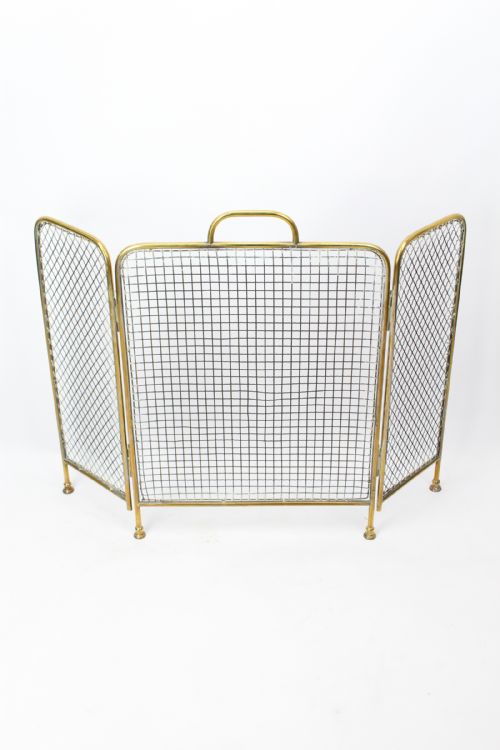
Vintage Brass Fire Fender
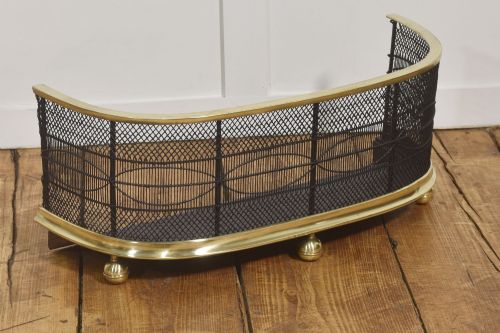
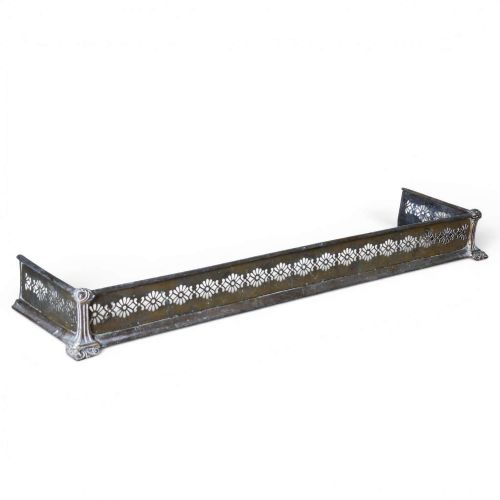
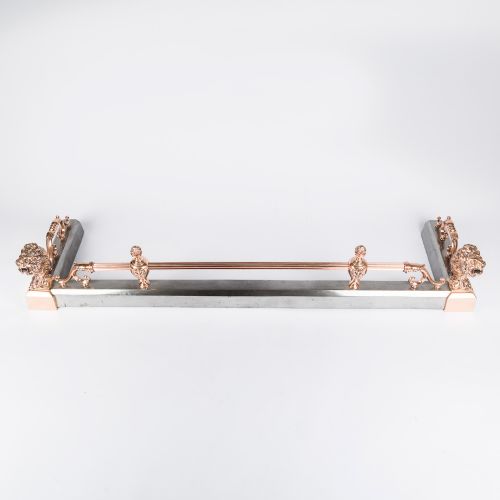
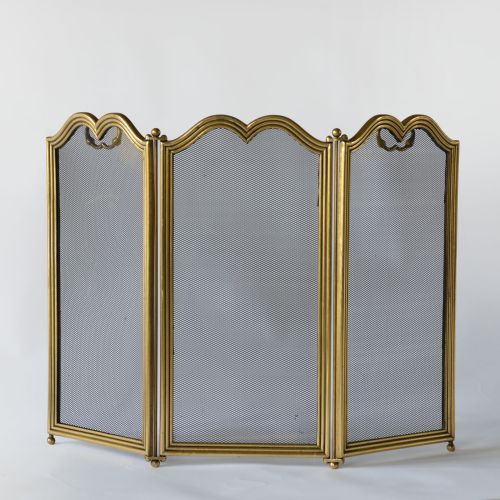
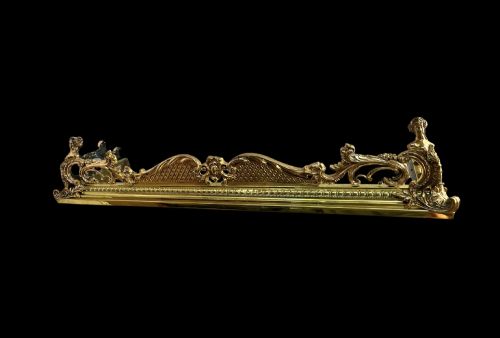
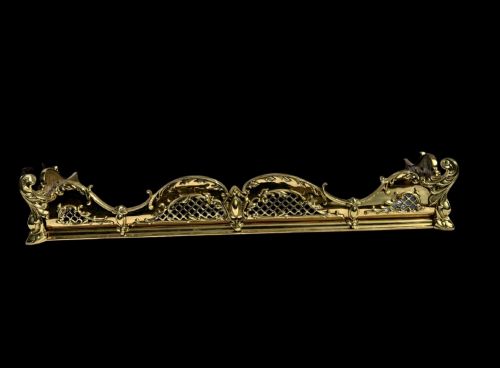
A vintage brass fire fender frames the hearth, protecting the room from stray embers while anchoring the fireplace with polished metal and pierced detail.
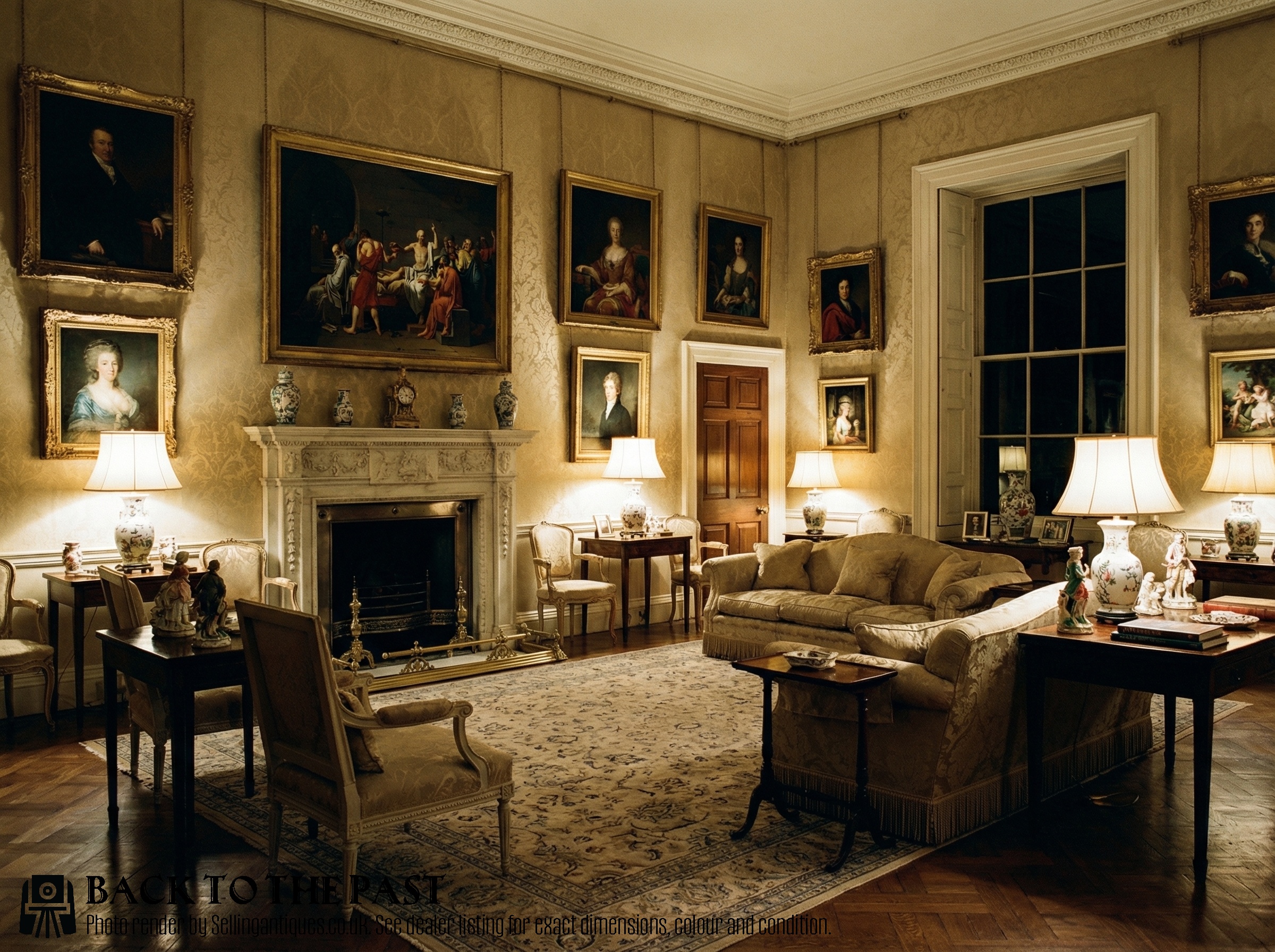
Vintage Brass Fire Fender
A vintage brass fire fender is a hearth accessory designed to contain sparks and define the fireplace boundary within the room. Buyers searching this phrase encounter low kerbs, extended guards, and upholstered club versions that sit directly on the floor.
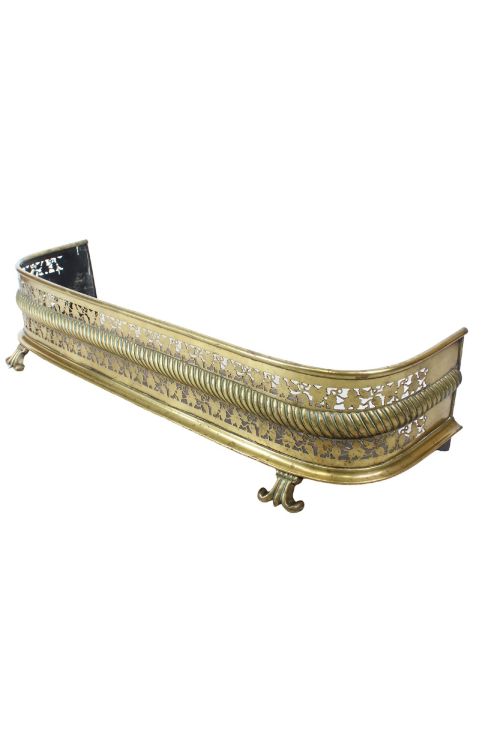
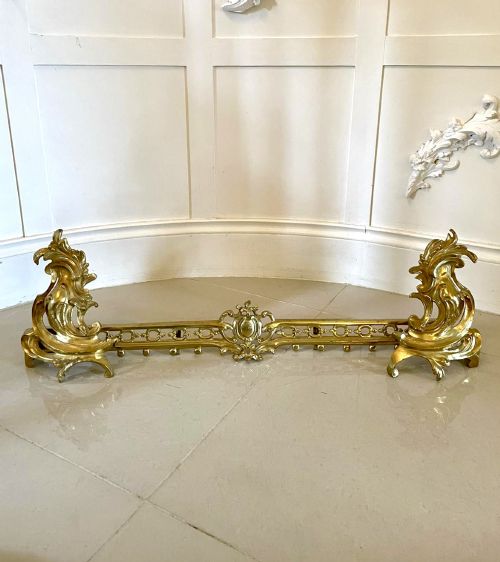
The pieces appearing here span the nineteenth century through the Edwardian and Art Deco periods, encompassing Victorian pierced designs and substantial club styles. Simpler kerbs and ornate French rococo or Louis styles sit alongside functional wire mesh nursery guards.
Most examples combine brass with iron or steel, occasionally incorporating bronze, copper, and leather seating surfaces. These materials reflect domestic hearth customs from the eighteen-fifties onwards, offering both decorative presence and practical containment.
How they were made
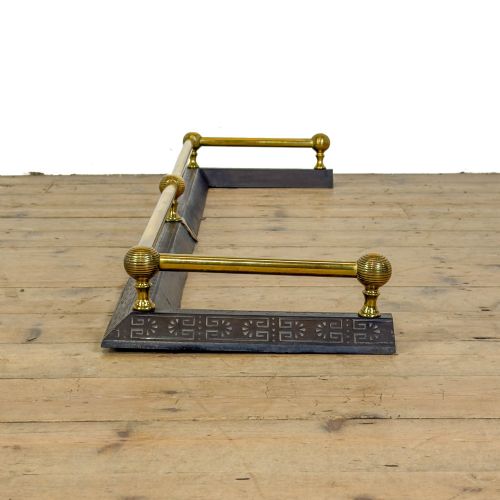
Maker's workshops built these fenders using sheet brass, cast iron, and steel frames, often piercing the metal with intricate geometric or floral patterns. Brass top rails and corner mounts were frequently cast separately and joined to heavy iron or steel bases for structural stability.
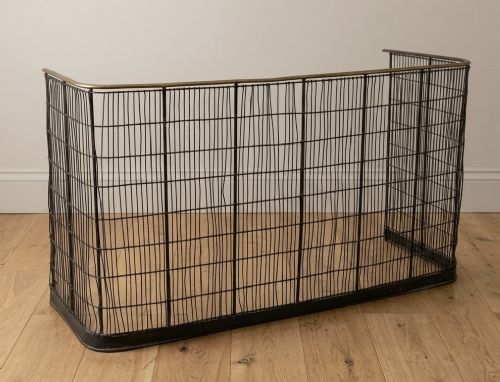
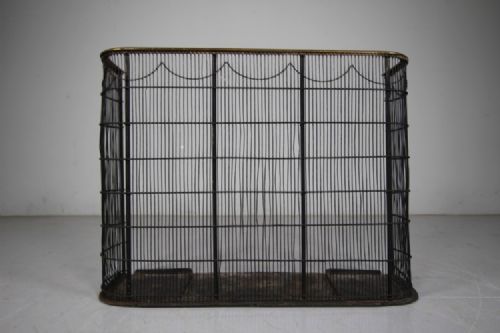
Wire mesh and brass wirework appeared on nursery guards and spark screens, woven tightly to catch flying embers while maintaining transparency. Leather upholstery on club fenders was hand-stitched over padded seats, using brass studs to secure the hide to iron and steel frameworks.
Vintage Brass Fire Fender Retail Price Guide 2026
Typical asking prices for vintage brass fire fender among the pieces listed under this phrase on Sellingantiques today, from the lower quarter to the upper quarter. They describe what is for sale here now, not the wider market.
What varies in quality
Quality rests in the weight of the metal and the crispness of the pierced or cast decoration. Substantial brass gauge and heavy iron or steel cores separate sturdier hearth furnishings from lighter, more flexible constructions.
Refinement in the joinery and the depth of the patina dictate visual success. Cleanly fitted corners, intact wirework, and well-preserved leather upholstery on club models distinguish superior examples from standard utility pieces.
The Vintage Brass Fire Fender Glossary
- Kerb
- A low barrier of metal or stone placed around the hearth. It serves to keep burning logs and ash contained upon the hearthstone.
- Club fender
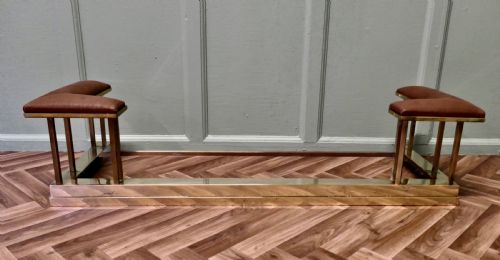
- A low, upholstered-seat hearth surround originating in country houses. It allows people to sit close to the fire while containing stray embers.
- Nursery fender
- A tall guard made of wire mesh and brass designed to protect children from open flames. These pieces often feature folding panels or clothes rails.
- Pierced brass
- Metal sheet perforated with decorative cut-out patterns. This technique lightens the visual weight of the fender while allowing heat to circulate.
- Spark guard
- A protective screen placed before the hearth to catch flying embers. They range from tripartite folding frames to fine wire mesh barriers.
Vintage Brass Fire Fender: Frequently Asked Questions
What is a club fender?
A club fender is a hearth surround featuring padded leather seats on either side. It allows family members to sit comfortably directly around the fire.
These substantial pieces originated in country houses to maximise warmth and social space near the hearth. They combine functional metal bases with upholstered comfort.
How do I measure for a fender?
Measure the width and depth of your hearthstone to ensure the metal kerb sits securely within the perimeter. Allow adequate clearance for fire irons and hearth accessories.
Extending models offer some flexibility in width, while fixed frames require exact measurements of the fireplace opening and hearth proportions.
What is a nursery fender?
A nursery fender is a taller protective barrier made with brass frames and wire mesh. It was designed to keep children and pets at a safe distance from the open fire.
These guards often include clothes rails for drying garments and feature folding sections for easy storage during warmer months.
How do I care for brass and steel?
Clean brass components gently with a soft cloth to preserve the natural patination built up over decades. Avoid harsh chemical cleaners that strip the historic surface.
Steel and iron bases benefit from light oiling to prevent rust in damp environments, keeping the metal stable through changing seasons.