


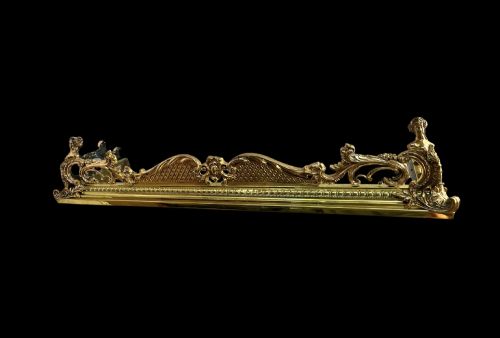
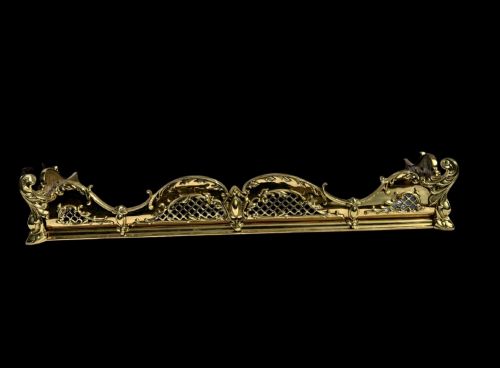
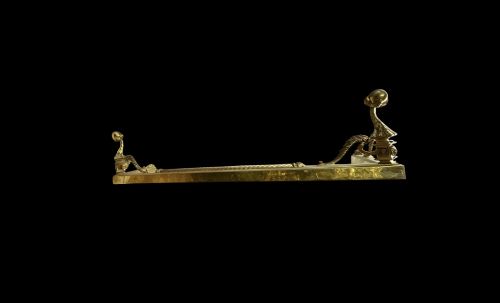


Vintage Brass Fire Curb
A vintage brass fire curb completes a hearth, and these heavy metal barriers protect rooms from stray embers while defining the fireplace.
Vintage Brass Fire Curb
When buyers search for a vintage brass fire curb, they encounter functional hearth barriers originating primarily from the Victorian and Edwardian eras, alongside early twentieth-century examples. These pieces frame open fireplaces to contain ash and burning coals while adding a decorative focal point to the room.
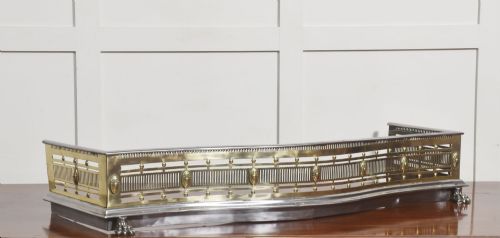
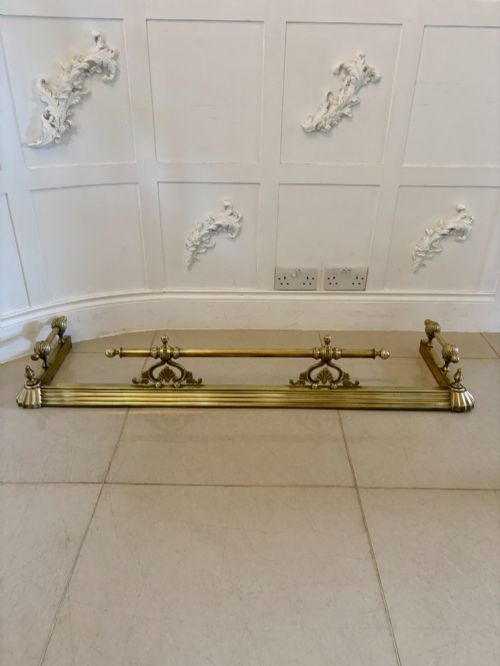
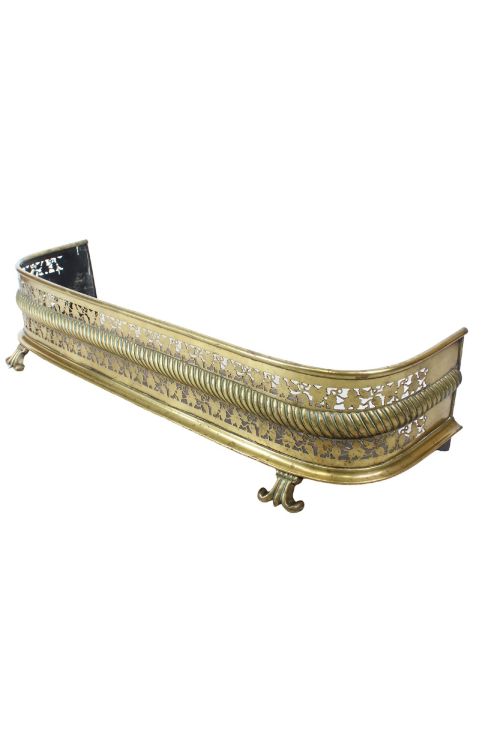
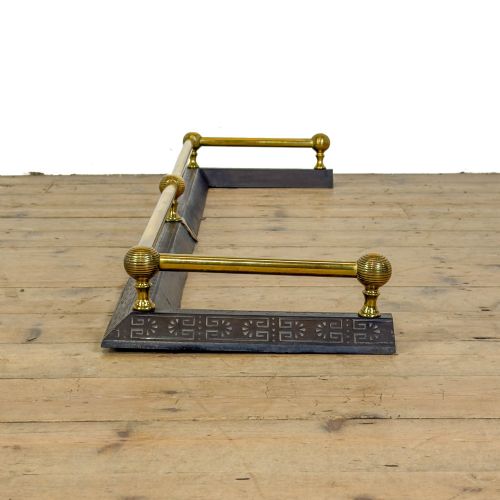
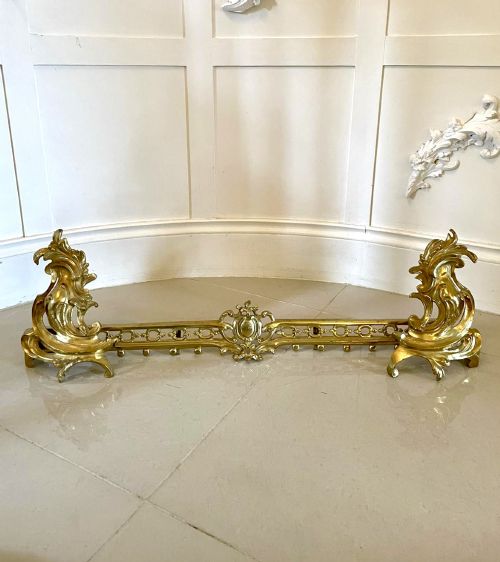
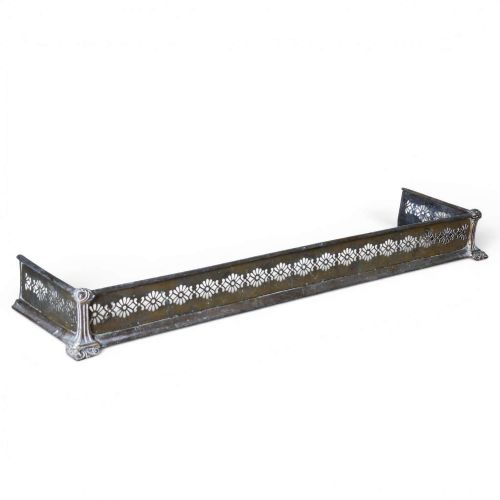
The most common version met on this page is the Victorian pierced or spindle brass fender, often extending to fit various hearth widths. Pieces range from simple nineteenth-century rails to elaborate French Rococo, Louis XVI neoclassical, and organic Art Nouveau designs.
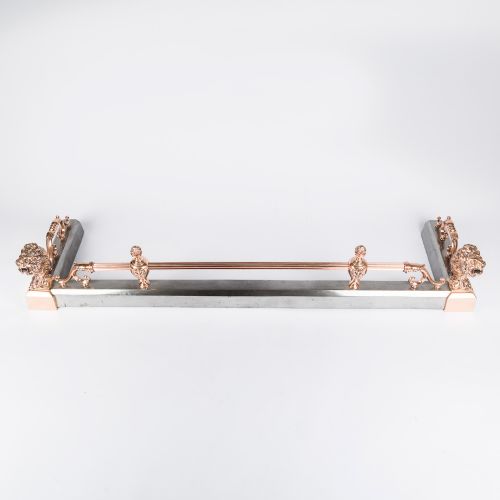
Materials extend beyond pure brass to include combinations with cast iron, steel, bronze, copper, and occasionally leather upholstered seats on club fenders. Many objects incorporate adjustable mechanisms or come paired with matching fire irons and accessories.
How they were made
Maker workshops utilised sheet brass, cast brass, and tubular metal, joining components with mechanical fasteners, brazing, or rivets. Pierced designs required careful hand-cutting or stamping of intricate patterns into metal plates before polishing.
Structural strength came from internal iron or steel armatures, particularly on heavy extending fenders and club fenders that required a rigid frame to support leather seating pads. Gilded brass and polished finishes provided the reflective surface characteristic of formal period hearths.
Listings feature items from the Victorian, Edwardian, and Regency periods, constructed in brass, bronze, iron, steel, and copper.
What varies in quality
Weight and metal gauge distinguish robust examples from lighter production, as heavier cast brass and substantial steel framing endure decades of hearthside use without bowing. The crispness of cast ornamentation and the delicacy of pierced gallery work reveal the skill of the original metalworker.
Original patina and the survival of secondary materials, such as integrated leather squabs on club fenders or matching fire tools, elevate a piece. Fenders with functional extending mechanisms that operate smoothly demonstrate superior original engineering.
The Vintage Brass Fire Curb Glossary
- Club fender
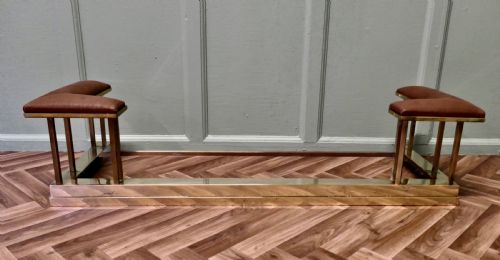
- A low fireside barrier featuring upholstered leather top rails designed for seating. These pieces originate from gentlemen's clubs and country houses.
- Pierced brass
- Metal sheet perforated with decorative fretwork patterns. This technique allows light from the hearth to pass through the decorative border.
- Spindle fender
- A hearth barrier constructed with vertical metal rods or balusters set between a top and bottom rail. This style provides an open appearance around the fire.
- Extending fender
- A metal hearth guard built with a sliding sleeve mechanism to adjust its overall width. This design accommodated varying fireplace openings.
- Patina
- The surface sheen and oxidation developed on metal over decades of exposure to air and hearthside heat. Collectors value this natural ageing process.
Vintage Brass Fire Curb: Frequently Asked Questions
What is a club fender?
A club fender is a low hearth barrier built with padded leather top rails that serve as fireside seating. These sturdy pieces allowed people to sit close to the warmth of the open fire.
They appear in Edwardian and early twentieth-century settings, combining functional metal frames with comfortable upholstered seats.
How do I measure for a fire fender?
Measure the width and depth of your hearth stone to ensure the metal barrier sits securely around the fireplace opening. Allow clearance for any protruding hearth edges and the swing of surrounding fire irons.
Many period examples feature adjustable extending frames, which help achieve a precise fit against the chimney breast.
How do I clean antique brass?
Dust the metal gently with a dry cloth to remove surface grit without disturbing the aged patina. Avoid harsh chemical polishes that strip historical character from nineteenth-century surfaces.
If cleaning is necessary, use a mild soap solution and dry thoroughly with a soft cloth to protect the metal.
How do I date a brass fender?
Examine the construction methods, such as the use of cast iron frames, hand-pierced sheet brass, or machine-rolled tubing. Stylistic details like Art Nouveau plant motifs, Regency scrollwork, or Victorian geometry point to specific design periods.
Heavier cast components and extending mechanisms often indicate nineteenth-century or Edwardian manufacturing techniques.