









Vintage Brass Enamel Urn
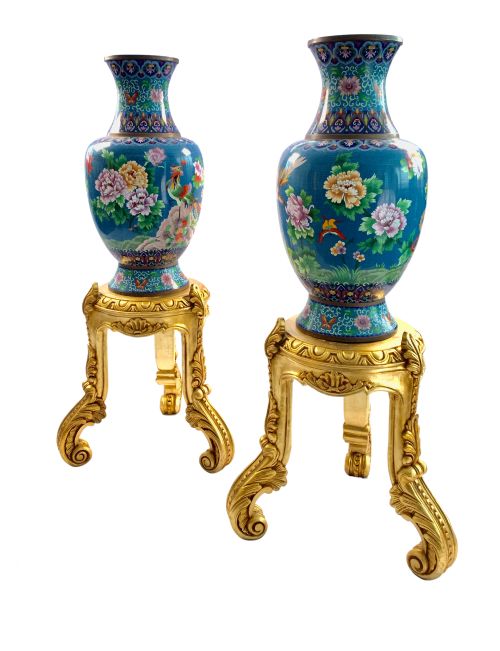
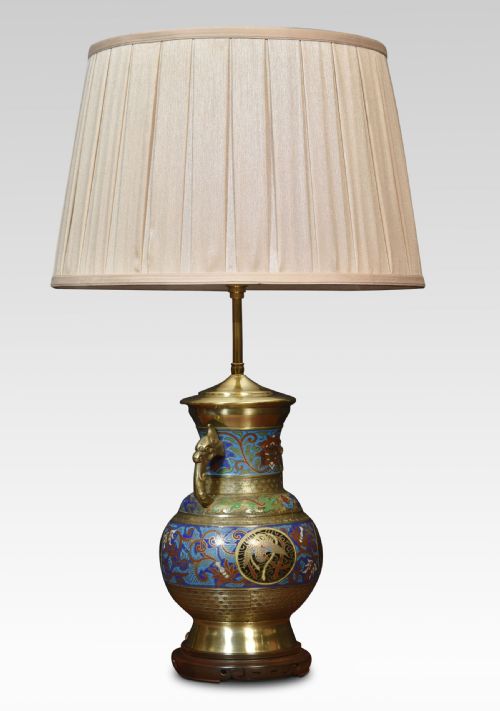
These vintage brass enamel urn pieces bring substantial decorative presence to a room, combining heavy metalwork with colourful vitreous details.
Vintage Brass Enamel Urn
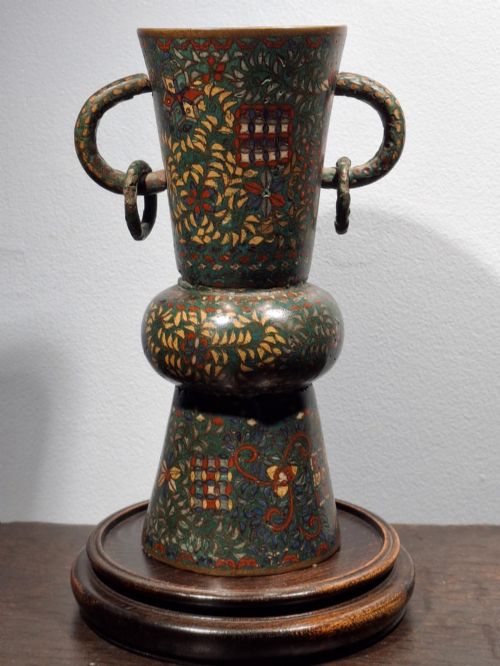
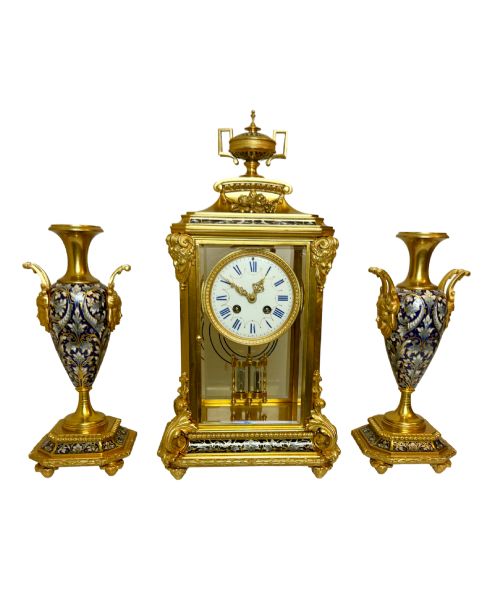
When you search for a vintage brass enamel urn, you encounter a diverse group of metalwork objects that span several centuries and manufacturing traditions. The selections on this page incorporate oriental styles such as Japanese Meiji period pieces and Chinese cloisonné alongside European works like French clock garnitures.
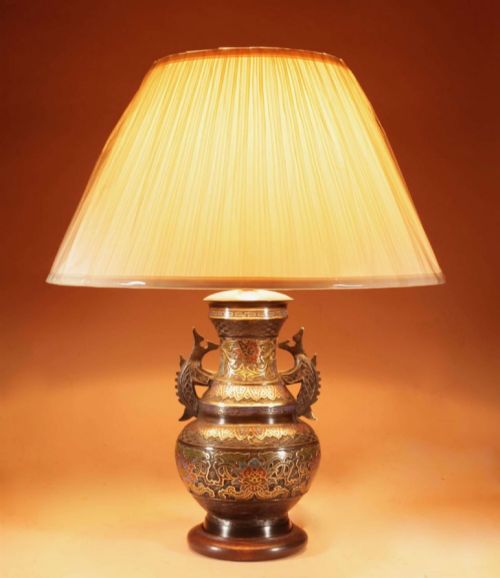
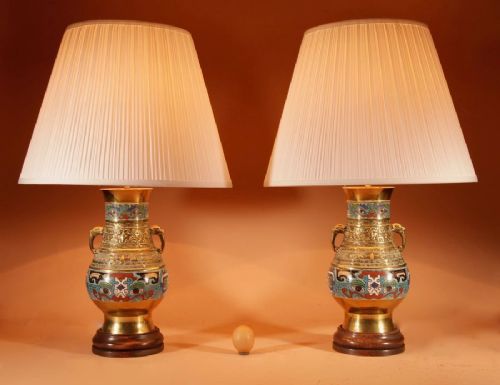
The physical forms include decorative vases, table lamps, and mantel clocks fashioned from brass, bronze, and gilt metal. Many of these items originate from the nineteenth and early twentieth centuries, reflecting both Victorian sensibilities and international trade aesthetics.
Materials and construction methods
Makers constructed these pieces using heavy cast or spun brass, bronze, and gilt metal as a structural base. Artisans then applied vitreous enamel through techniques like cloisonné and champlevé, welding thin metal wires to form cells or carving troughs into the metal surface to hold coloured pastes before firing.
Many examples incorporate secondary materials such as copper, wood, and fabric, particularly when items function as converted table lamps or clock bases. The combination of durable metal alloys and glass-based enamels creates surfaces designed for longevity.
Vintage Brass Enamel Urn Retail Price Guide 2026
Typical asking prices for vintage brass enamel urn among the pieces listed under this phrase on Sellingantiques today, from the lower quarter to the upper quarter. They describe what is for sale here now, not the wider market.
Some twin-handled vases spent decades disguised as bedside reading lamps before returning to their original decorative vocation.
Evaluating craftsmanship and execution
Quality in these metal and enamel works depends heavily on the precision of the wirework and the evenness of the fired enamel infill. Superior examples display tight, uniform wire cells without pitting or discoloration in the coloured glass pastes.
The weight and casting detail of the underlying brass or bronze frame also distinguish finer items from simpler production. Pieces featuring intricate champlevé carving or complex gilt bronze mounts generally demonstrate superior workshop skill.
The Vintage Brass Enamel Urn Glossary
- Cloisonné
- An enamelwork technique where thin metal wires are soldered to a metal base to create compartments for coloured pastes. These wires remain visible on the finished surface as part of the design.
- Champlevé
- A method of enamelling where troughs or cells are hollowed out directly into a thick metal plate and filled with vitreous enamel. The remaining metal between the depressions forms the outline of the pattern.
- Gilt bronze
- A metal object made from bronze that has been coated with a thin layer of gold or gold-coloured alloy. This treatment provides a bright, tarnish-resistant finish.
- Clock garniture
- A set consisting of a mantel clock accompanied by matching decorative sidepieces such as vases or candelabra. These matched suites were designed to sit together on a fireplace mantel.
- Meiji period
- A historical Japanese era spanning from 1868 to 1912 noted for high-quality metalwork and enamel production aimed at international export.
Vintage Brass Enamel Urn: Frequently Asked Questions
Are these pieces functional lamps?
Many items listed as lamps began life as vases or vessels before undergoing conversion into lighting fixtures during the twentieth century. These conversions often involve drilling through the base or adding weighted fittings to support a bulb and shade.
Buyers should inspect the wiring to ensure it meets current safety standards before plugging the lamp into a mains socket. Original antique elements remain largely intact despite these functional adaptations.
How can I tell Japanese from Chinese cloisonne?
Japanese pieces from the Meiji period often feature extremely fine, thin wirework and naturalistic motifs such as birds and flowers against smooth backgrounds. The enamel work tends to be translucent and highly controlled in its colour gradations.
Chinese works, particularly those from Qing dynasties and later revival periods, frequently employ heavier brass foundations with bold, symmetrical patterns and opaque turquoise or blue background enamels. Examining the base metal thickness and wiring style clarifies the origin.
What is a clock garniture set?
A clock garniture is a decorative set comprising a central mantel clock flanked by matching side pieces such as urns or vases. These suites were manufactured as cohesive decorative statements for formal reception rooms.
Displaying the pieces together maintains the symmetry intended by the original maker, though individual items often appear separately on the market today.