







Floral Chinese Enamel Vase
A floral chinese enamel vase brings vibrant colour and meticulous metalwork into a room, offering centuries of skilled craftsmanship for the collector.
Floral Chinese Enamel Vase
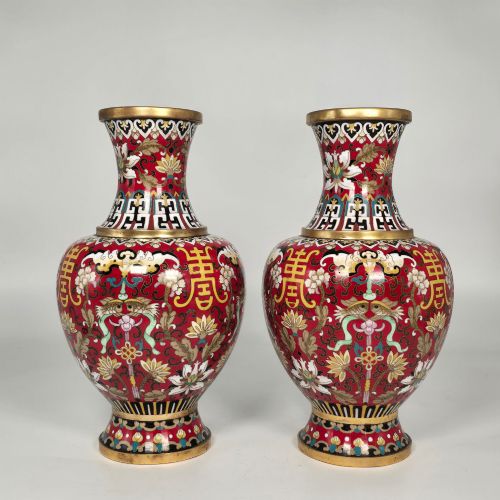
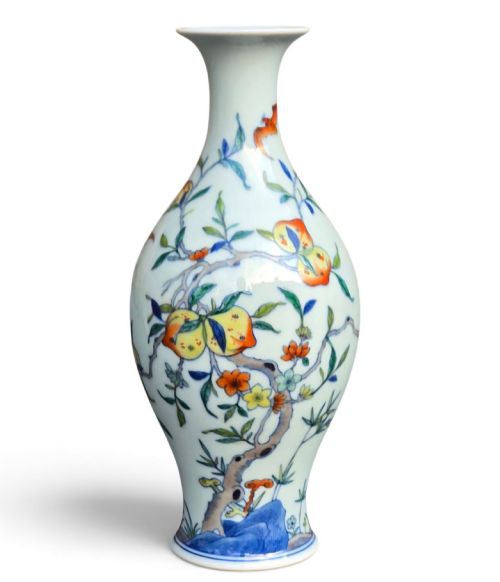
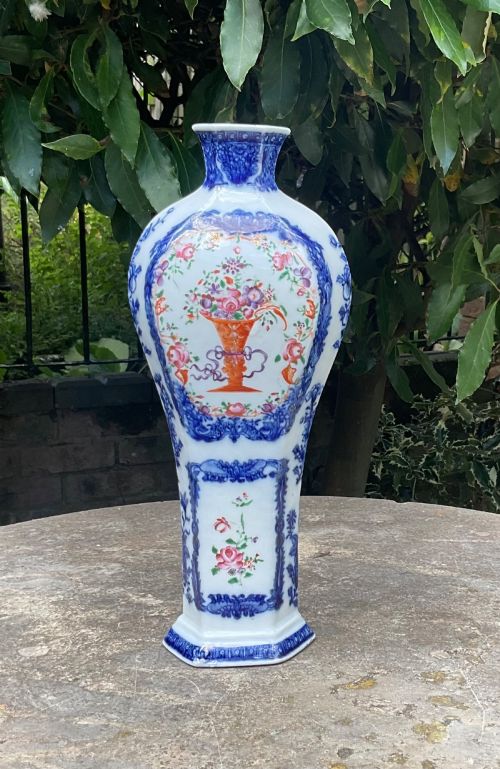
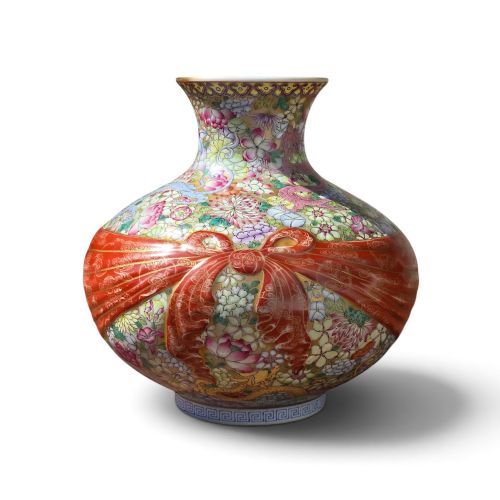
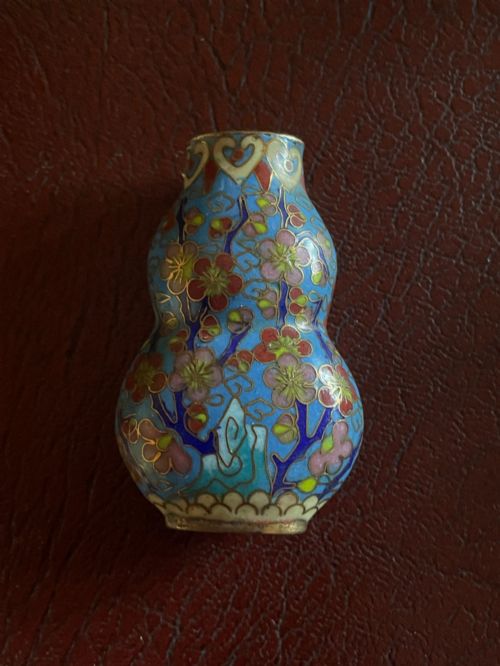
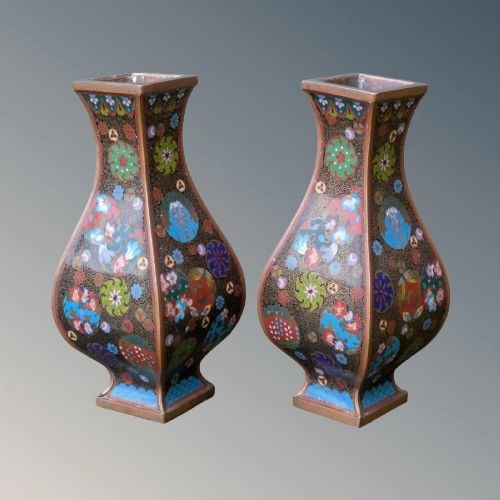
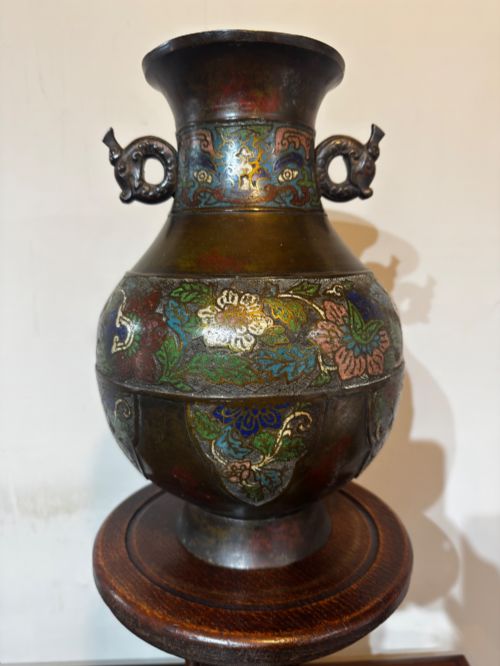
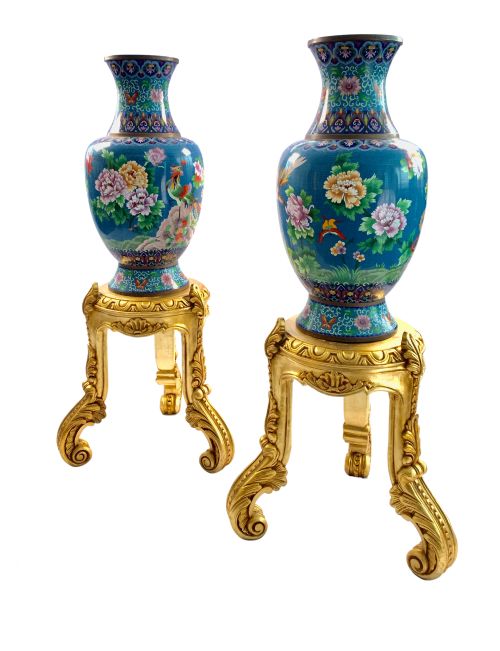
When you search for a floral chinese enamel vase, you encounter a variety of vessels designed for display, ranging from miniature examples to large baluster shapes and garnitures. These pieces span multiple eras, including the 18th, 19th, and 20th centuries, with many originating during the Qing Dynasty and later transitional periods.
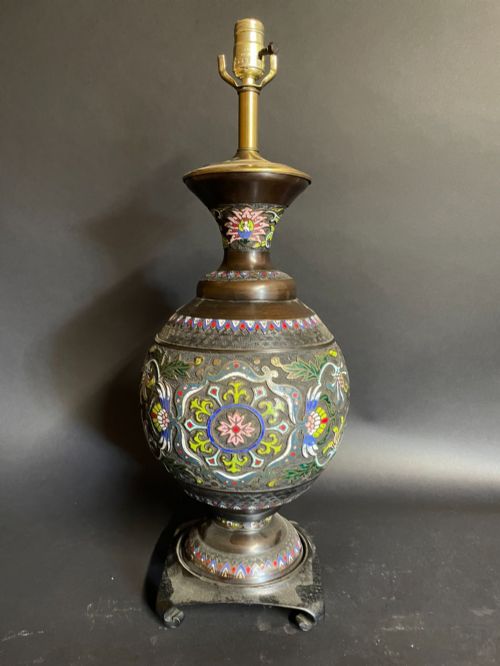
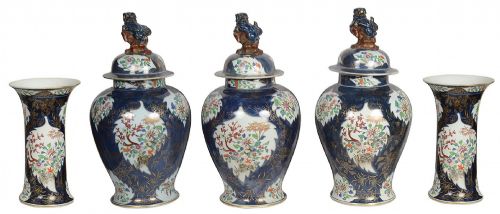
The versions you are most likely to meet on this page include cloisonne and champleve specimens, alongside famille rose porcelain adaptations. They frequently appear as pairs, and some have been converted into table lamps over time while retaining their decorative vessel forms.
Materials and construction methods
The foundational structures of these vessels rely on metals such as brass, copper, bronze, and gilt metal, which provide sturdy support for the decorative surfaces. Artisans applied enamel pastes within soldered wire cells for cloisonne work or carved troughs into the metal for champleve designs before firing.
Ceramic variations utilise porcelain bodies painted with polychrome enamels, notably the rich famille rose palette. Metal mounts and covers often complete the construction, combining durability with intricate surface ornamentation.
Floral Chinese Enamel Vase Retail Price Guide 2026
Typical asking prices for floral chinese enamel vase among the pieces listed under this phrase on Sellingantiques today, from the lower quarter to the upper quarter. They describe what is for sale here now, not the wider market.
Several vases on this page spent decades doubling as lamp bases, shedding literal light on floral artistry.
Factors that distinguish quality
The refinement of the wirework and the evenness of the enamel fill dictate the visual success of a metal vessel. Superior pieces display tightly soldered wires forming crisp floral compartments with minimal pitting in the coloured glass paste.
In painted porcelain examples, precision of brushwork and depth of the enamel tones elevate the artistry. The presence of well-executed marks and harmonious proportions further separate exceptional specimens from standard production.
The Floral Chinese Enamel Vase Glossary
- Cloisonne
- An enamel technique where metal wires are soldered onto a metal base to create compartments for coloured paste. These wires remain visible on the finished surface as thin metal lines outlining the design.
- Champleve
- A method where troughs or cells are hollowed out of the metal surface directly and filled with enamel before firing. This technique produces bold outlines compared to applied wire cells.
- Famille Rose
- A palette of opaque enamels dominated by pink or rose colours, introduced in the Qing Dynasty. It allowed for subtle gradations of shade in floral and figurative motifs.
- Baluster
- A vase form characterised by a bulbous lower portion that tapers towards a narrow neck and a flared rim. This silhouette provides stability and balanced proportions.
- Garniture
- A set of matching vases or jars designed to be displayed together on a mantelpiece or cabinet. These sets often comprise differing heights in a unified decorative scheme.
Floral Chinese Enamel Vase: Frequently Asked Questions
How do I clean an enamel vase?
Dust the surface gently with a soft, dry brush to prevent accumulation in recessed wire channels.
Avoid liquid cleaners or harsh solvents, as moisture can penetrate hairline fractures in older enamel or corrode exposed base metals.
Were these vases made for export?
Many surviving pieces were created specifically for Western markets under the banner of Chinese export art.
These items frequently blended traditional domestic motifs with forms that appealed to European tastes, such as garnitures and lamp conversions.
Can I use a converted lamp safely?
Lamp conversions often utilise the hollow body of a vase to run electrical wiring without drilling the primary metal or ceramic structure.
Have a qualified professional inspect the vintage wiring and fittings to ensure modern electrical safety standards are met.
How are different periods identified?
Stylistic shifts in palette, metal composition, and wire thickness help indicate the era of manufacture.
Base marks, reign characters, and overall weight provide additional context when cross-referenced against historical manufacturing practices.