
Vintage Brass Candleholder Pair
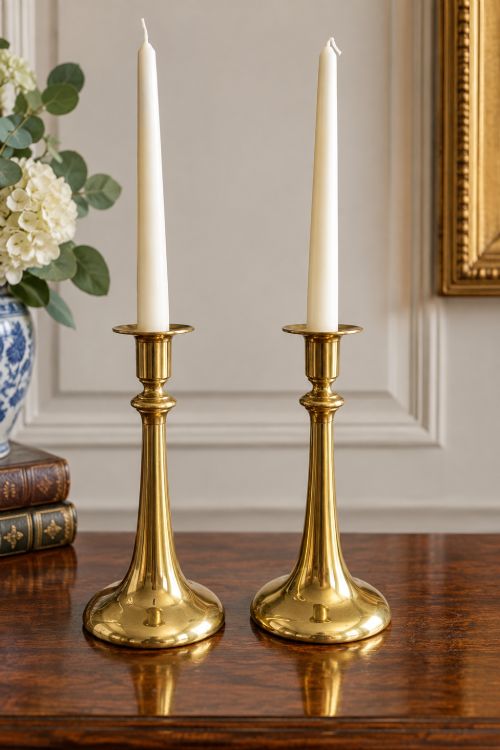
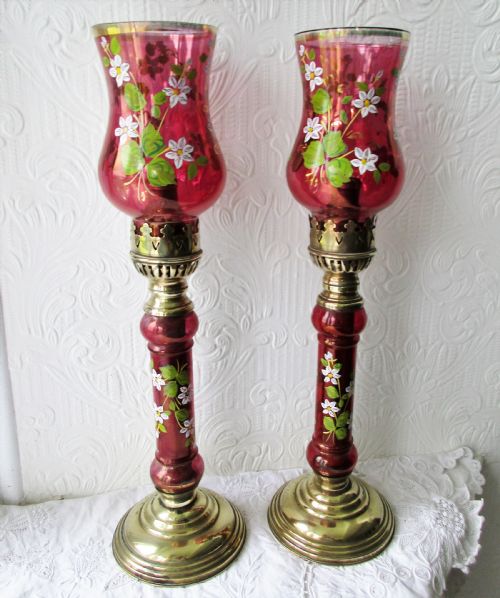
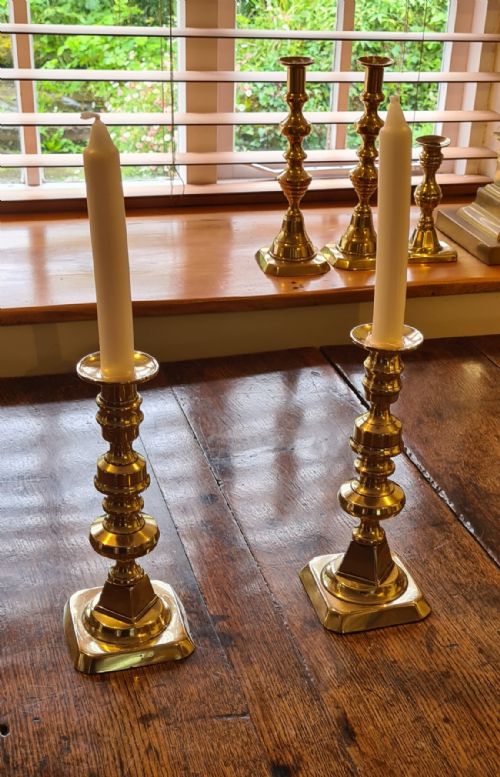
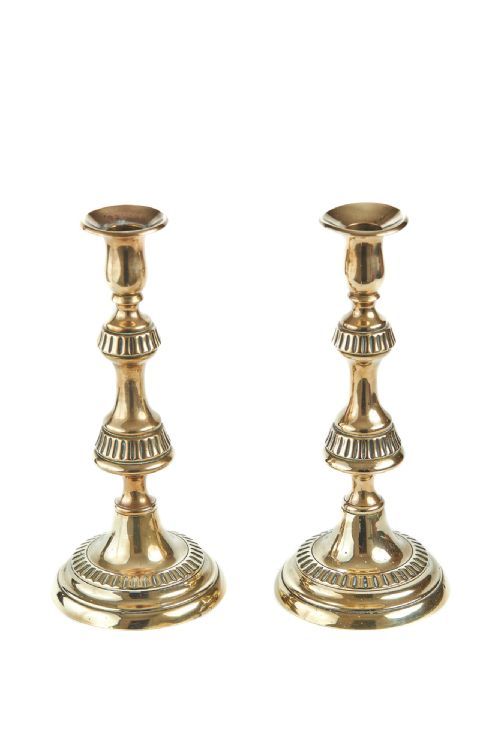
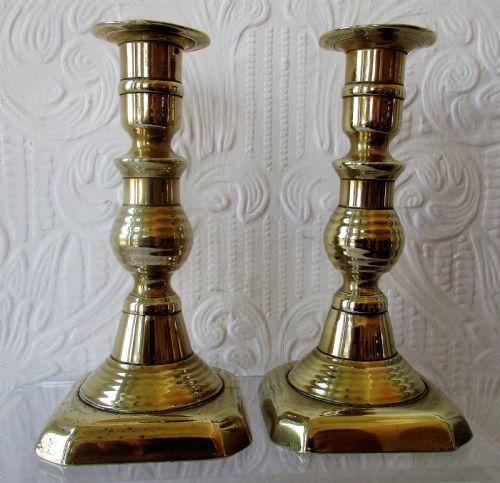
These vintage brass candleholder pair pieces bring warmth and steady light to a room, drawing the eye with their heavy metal forms and period detail.
Vintage Brass Candleholder Pair
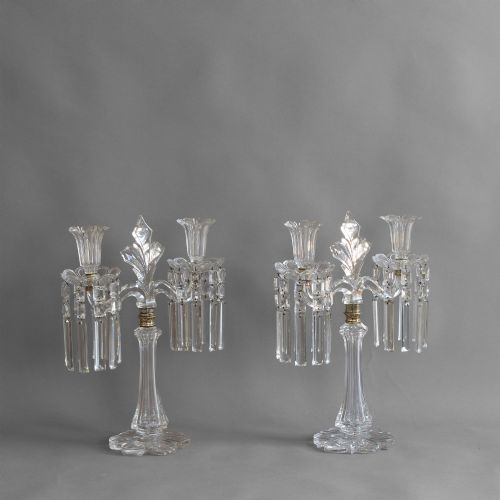
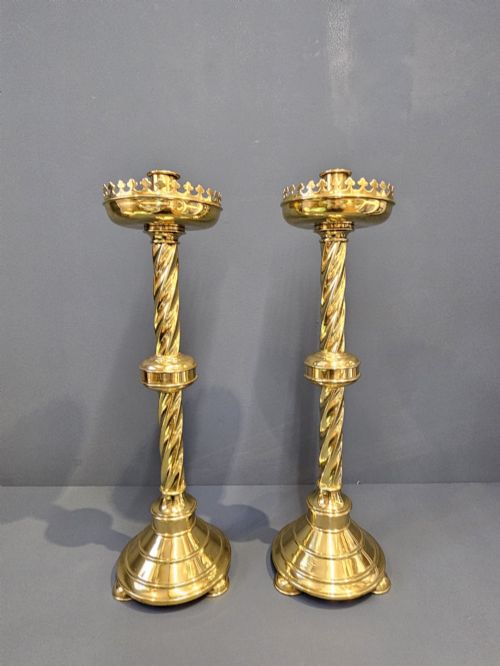
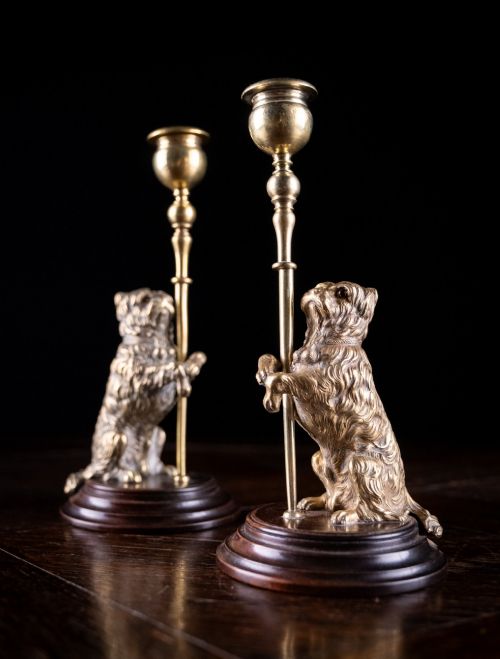
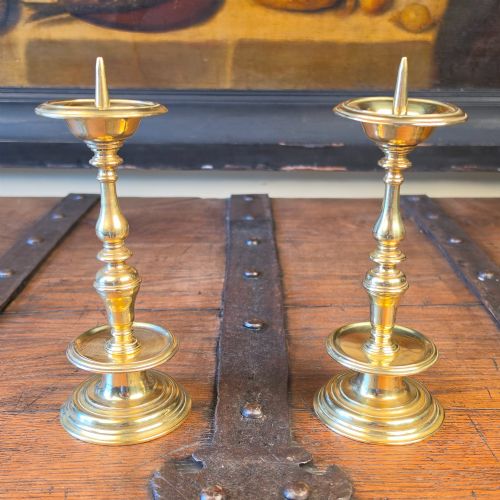
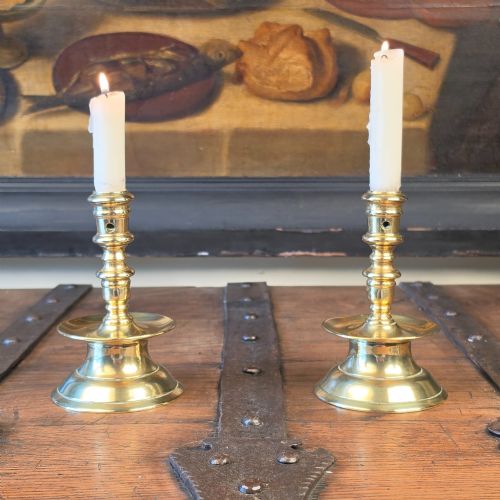
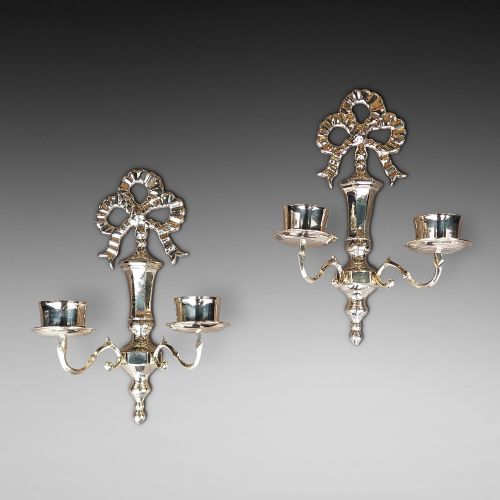
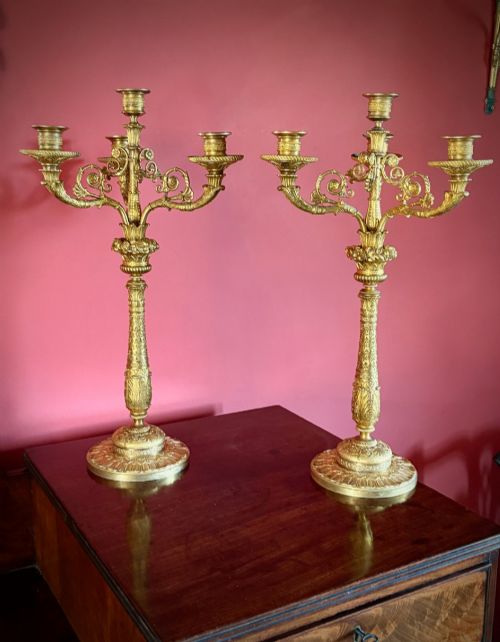
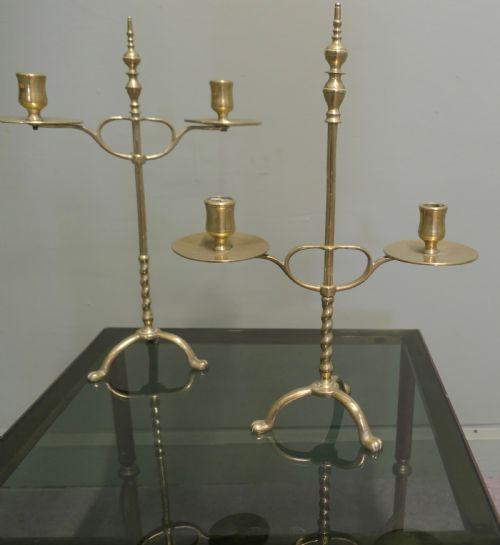
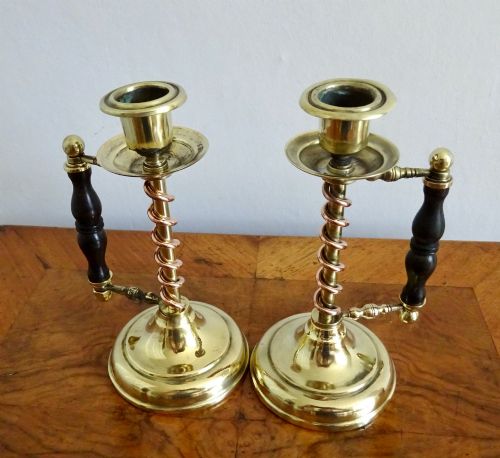
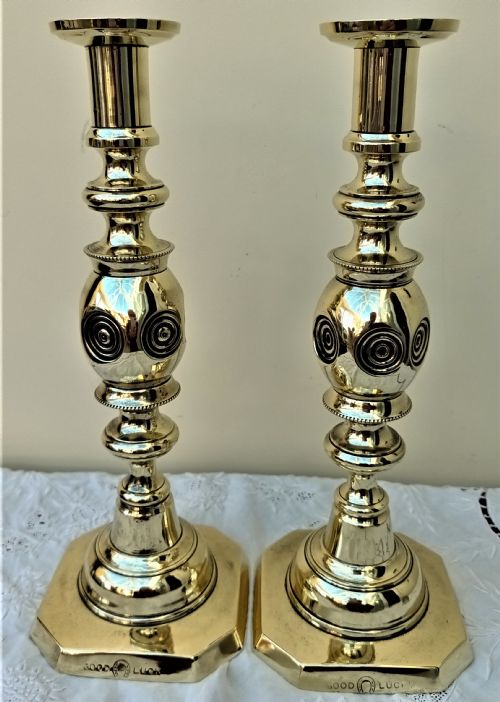
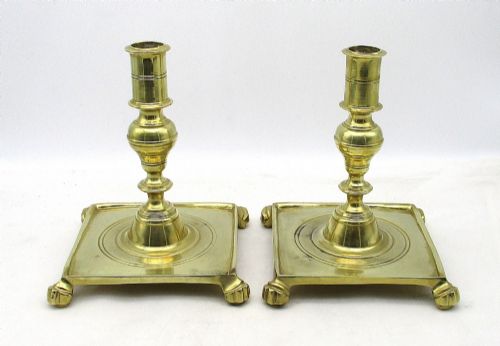
When you search for a vintage brass candleholder pair, you encounter dual lighting pieces designed to hold wax tapers or candles securely on surfaces or walls. The selection ranges from domestic chambersticks and ejector sticks to heavy church prickets and elaborate French ormolu candelabras.
You are most likely to meet Victorian and early twentieth-century examples on this page, alongside earlier Georgian and eighteenth-century styles. These items appear in various forms, including column candlesticks, wall sconces, and adjustable student lights.
How they were made
The pieces rely primarily on brass, cast brass, and patinated metal, often complemented by gilt bronze, ormolu, copper, and cut glass or crystal drops. Makers utilised casting and seaming techniques to shape the metal into slender stems, heavy bases, and intricate decorative motifs.
Design characteristics span periods from Georgian and Regency to Arts and Crafts, Art Nouveau, and Gothic Revival. Surface finishes range from polished brass to patinated metal and gilt highlights.
The listings feature brass, gilt bronze, and patinated metal across Victorian, Georgian, and Arts and Crafts styles.
What varies in quality
Quality rests in the weight of the metal, the crispness of the casting, and the integrity of the construction. Heavier pieces with clean lines and purposeful details sit at the top of the range.
The refinement of the period style, whether the flowing lines of Art Nouveau or the structured form of an ejector mechanism, distinguishes finer examples from simpler utilitarian objects.
Frederick J Smith & Co
The Vintage Brass Candleholder Pair Glossary
- Ejector
- A built-in internal mechanism featuring a small slide to push out the remaining candle stub. This clever addition was common in nineteenth-century domestic brass sticks.
- Pricket
- A sharp metal spike set in the centre of a drip pan to secure a large candle, often found on church or altar sticks. These items provide a sturdy base for thick wax tapers.
- Ormolu
- Finely chopped high-zinc brass applied to objects to give a gold-like appearance. It gained favour in French decorative arts and revival styles.
- Chamberstick
- A low candlestick fitted with a wide saucer base and a handle for carrying room to room. They saw regular use before domestic electric lighting.
- Candelabra
- A branched lighting fixture designed to hold multiple candles at once. These decorative objects often feature ornate arms and central stems.
Vintage Brass Candleholder Pair: Frequently Asked Questions
How do I clean brass candlesticks?
Use a soft cloth and warm soapy water to remove dust and surface dirt from the metal. Avoid harsh chemical cleaners that strip away the aged patina accumulated over the decades.
Dry the pieces thoroughly after washing to prevent water spotting. Gentle care preserves the historical surface of the brass.
What is an ejector candlestick?
An ejector candlestick includes a sliding internal stem operated by a small side thumbpiece. Pushing this lever upward raises the remaining candle stub for easy removal.
This practical nineteenth-century invention made clearing out burned wax clean and simple. Working mechanisms add interest for collectors.
How were chambersticks used?
Chambersticks served as portable light sources for walking through dark corridors or up stairs at night. The wide saucer caught dripping wax while the handle provided a secure grip.
People kept them on bedside tables or hallway chests for evening illumination. Their domestic utility makes them charming decorative objects today.
How can I date a brass candlestick?
Examine the manufacturing method, as seamed construction and casting marks indicate specific production eras. Stylistic clues like Georgian columns or Art Nouveau motifs also point to particular decades.
Comparing the weight, wear patterns, and base construction helps narrow down the period. Many pieces reflect the revival styles popular during the Victorian age.