



Vintage Brass Ash Scuttle
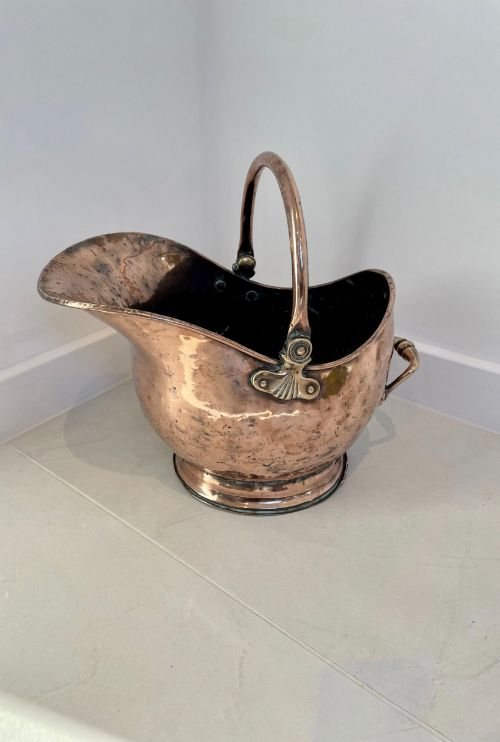
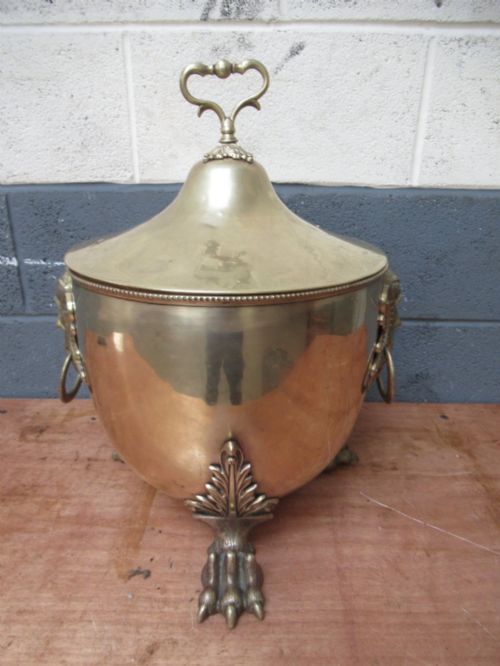
A vintage brass ash scuttle sits by the hearth to hold fuel, combining sturdy metalwork with practical domestic function.
Vintage Brass Ash Scuttle
When you search for a vintage brass ash scuttle, you encounter fireside accessories designed to hold coal and fuel near the hearth. These pieces serve both a practical function in the home and a decorative role by the fireplace.
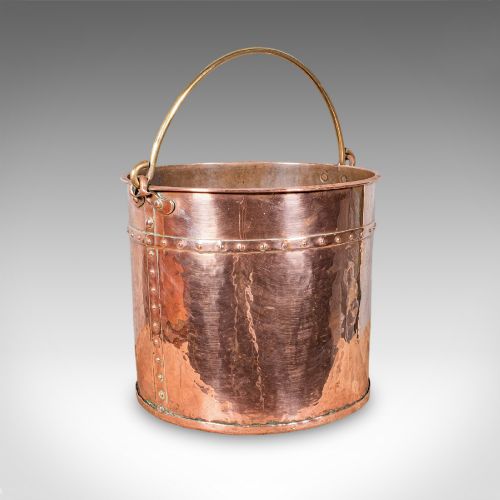
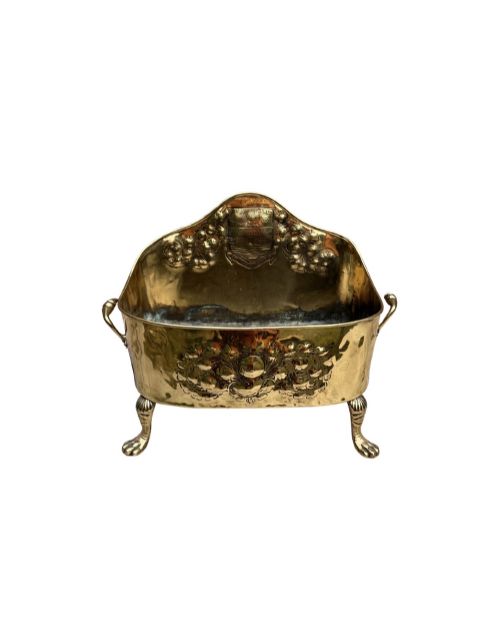
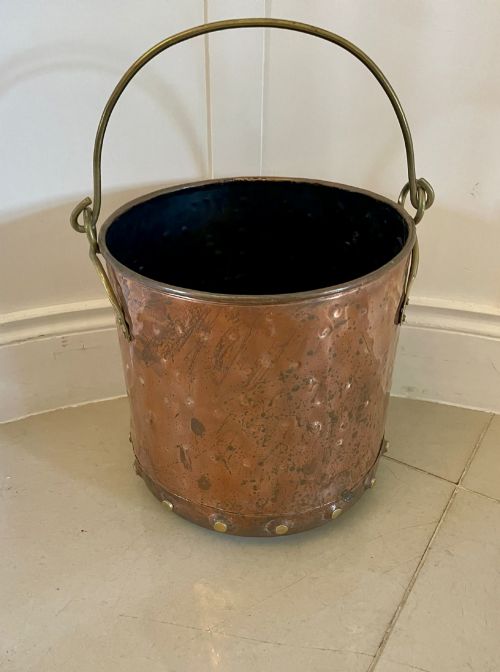
The selections on this page span several eras including the Victorian period, Edwardian period, and George III style, alongside Arts and Crafts and Art Deco designs. Common forms include helmet shaped coal scuttles, coal buckets, coal hods, and decorative brass pails.
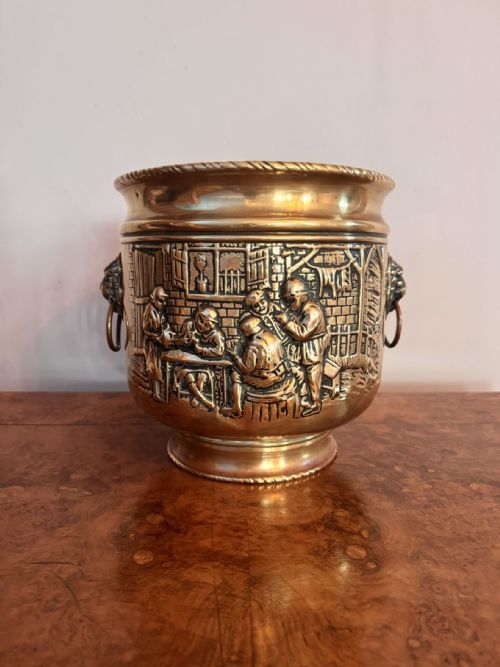
Many examples combine brass and copper, sometimes incorporating iron or wood elements. Objects range from plain utilitarian hearth containers to pieces detailed with tavern scenes or dinanderie work.
How They Were Made
These items rely primarily on brass and copper sheet metal, shaped and joined to withstand daily domestic use by the fire. Iron and wood often provide structural reinforcement, handles, or contrasting trim.
Construction techniques involve hammering, riveting, and forming sheet metal into helmet shapes, cylindrical buckets, and cauldrons. Decorative variations include embossed motifs like tavern scenes and specialised dinanderie finishes.
Vintage Brass Ash Scuttle Retail Price Guide 2026
Typical asking prices for vintage brass ash scuttle among the pieces listed under this phrase on Sellingantiques today, from the lower quarter to the upper quarter. They describe what is for sale here now, not the wider market.
Materials across these listings span brass, copper, wood, iron, and mixed metal constructions from the nineteenth and twentieth centuries.
What Varies in Quality
Quality rests on the weight of the metal and the integrity of the construction, distinguishing solid vessels from lighter decorative pieces. Substantial gauge brass and copper endure repeated handling and heavy loads of coal without buckling.
Artistic execution and decorative detail separate standard containers from finer items. Pieces showing careful hand-shaping, clean riveting, and distinct ornamentation like embossed tavern scenes or Art Nouveau lines command greater appreciation.
The Vintage Brass Ash Scuttle Glossary
- Scuttle
- A metal container with a handle, traditionally used for carrying coal to a fireplace. These vessels often feature a flared spout to make emptying fuel simpler.
- Hod
- A deep, open-topped container designed for holding solid fuel such as coal or logs by the hearth. It typically includes a sturdy handle for daily transport.
- Dinaderie
- A French term for decorative or artistic metalwork, usually executed in brass, copper, or bronze. Pieces finished this way often display rich surface textures and patterns.
- Helmet shaped
- A specific design profile for coal containers featuring a sloped rim reminiscent of historical headwear. This shape directs the flow of coal when pouring.
- Hearthware
- Utilitarian and decorative metal items kept around the fireplace. This category includes coal buckets, scuttles, and companion tool sets.
Vintage Brass Ash Scuttle: Frequently Asked Questions
What is a vintage brass ash scuttle used for?
These vessels were originally manufactured to store and transport coal or solid fuel to the fireplace. They sat beside the hearth for convenient access during cold weather.
Today, many people continue to use them near wood-burning stoves or fireplaces, while others repurpose them as planters or umbrella stands.
How do I clean a brass and copper scuttle?
Dust the surface regularly with a soft cloth to prevent grime buildup in the metal crevices. Avoid harsh chemical cleaners that strip the natural patina accumulated over decades.
If polishing is desired, use a mild, metal-safe cream and rub gently along the grain. Many collectors prefer to leave the aged finish intact.
How do I date a Victorian coal bucket?
Examine the construction methods, such as the type of rivets and joins used on the metal body. Machine-made components often indicate later production, whereas hand-finished seams suggest earlier work.
Stylistic cues also help narrow down the era, from plain mid-Victorian copper hods to ornate Edwardian or Art Nouveau examples.
Are these containers waterproof?
Most antique coal scuttles and buckets were designed for dry fuel and may develop leaks over time at the seams. Metal contraction and expansion from hearth heat can also affect the seals.
If you plan to use one as a planter or log bin, place a modern plastic liner inside to protect the historic metal.