

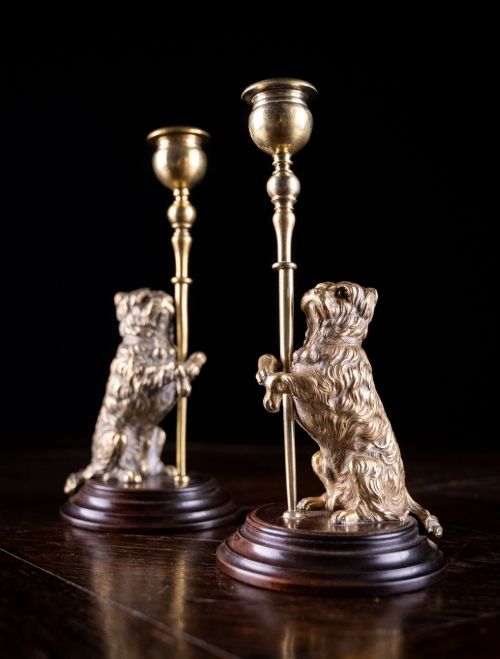
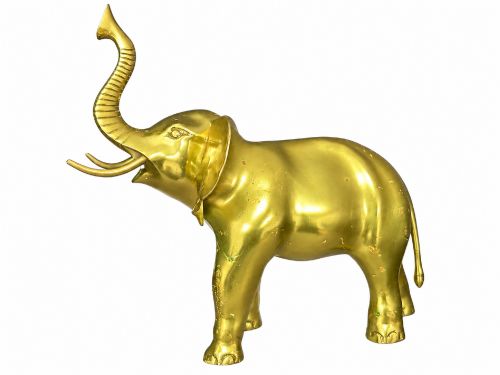
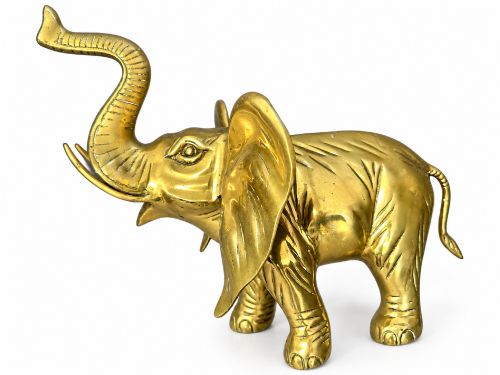
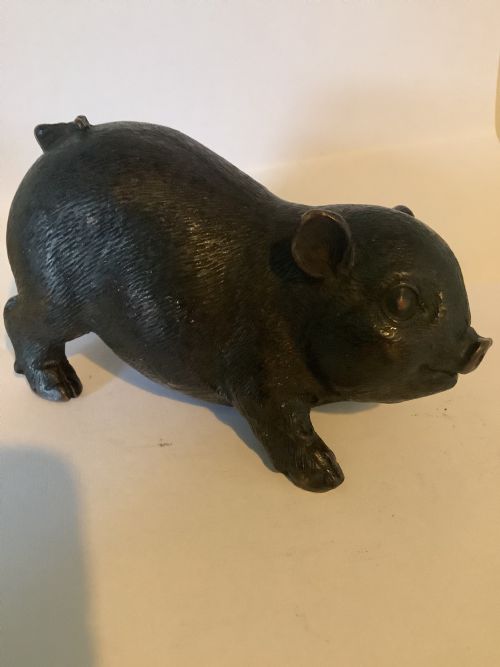


Vintage Brass Animal
These vintage brass animal figures bring character to a room through sculptural forms crafted across the nineteenth and twentieth centuries.
Vintage Brass Animal
When you search for vintage brass animal items, you encounter a varied collection of sculptural objects designed for domestic utility and display. The selection ranges from functional items such as doorstops, inkwells and bookends to pure decorative sculptures representing dogs, elephants, lions and birds. These pieces span multiple decades, drawing from Victorian, Edwardian and Art Deco aesthetics.
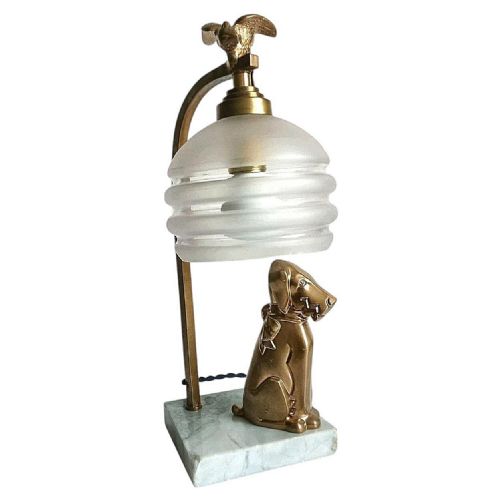
You are most likely to meet twentieth-century examples on this page, particularly items from the nineteen-thirties reflecting Art Deco design alongside earlier nineteenth-century castings. Forms frequently serve a dual purpose, combining animal subjects with practical household objects like tape dispensers, lamps and planters. Origin points stretch across England, France, Germany, India and China, reflecting international manufacturing trends.
The objects vary from modest desk accessories to substantial door porters and figural lamps incorporating materials like marble, glass and wood. Animal subjects include domestic pets, wild beasts and exotic birds, executed in styles ranging from naturalistic studies to stylised modernist interpretations. Each piece demonstrates how makers adapted animal motifs to suit contemporary interior tastes over successive eras.
How they were made
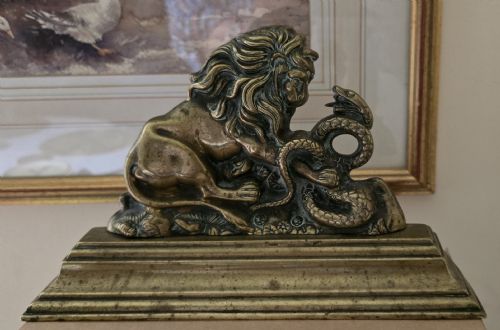
Surface treatment varied according to period and workshop practice, with some items retaining polished finishes while others display textured hammering or applied gilding. In pieces like lamps and inkwells, electrical fittings or glass inserts were integrated into the metal armature during assembly. The construction often involved joining separate cast sections together to achieve complex postures in subjects like rearing elephants or fighting serpents.
Vintage Brass Animal Retail Price Guide 2026
Typical asking prices for vintage brass animal among the pieces listed under this phrase on Sellingantiques today, from the lower quarter to the upper quarter. They describe what is for sale here now, not the wider market.
Several fierce brass lions and eagles share space with a charming porcelain pig and a remarkably focused tape-dispensing parrot.
What varies in quality
The definition and crispness of the casting separate superior examples from simpler production pieces, particularly in the rendering of anatomical details and facial expressions. Higher quality items display deliberate hand-finishing that removes mould seams and sharpens textures in fur or plumage. The integration of secondary materials, such as inset glass eyes or solid marble and granite bases, also distinguishes finer decorative objects.
Proportion and stance dictate the visual success of figurative metalwork, with better-designed sculptures achieving convincing balance and weight distribution. Originality of components matters significantly, especially in functional items retaining their period glass inserts, porcelain fonts or original mounting hardware. Pieces that combine artistic modelling with robust construction represent the upper tier of the range.
C Omin·Laszlo Hoenig·Sitzendorf
The Vintage Brass Animal Glossary
- Repoussé
- A metalworking technique where the metal is hammered from the reverse side to form a raised design on the front. This method appears frequently on decorative trays and planter bodies.
- Door porter
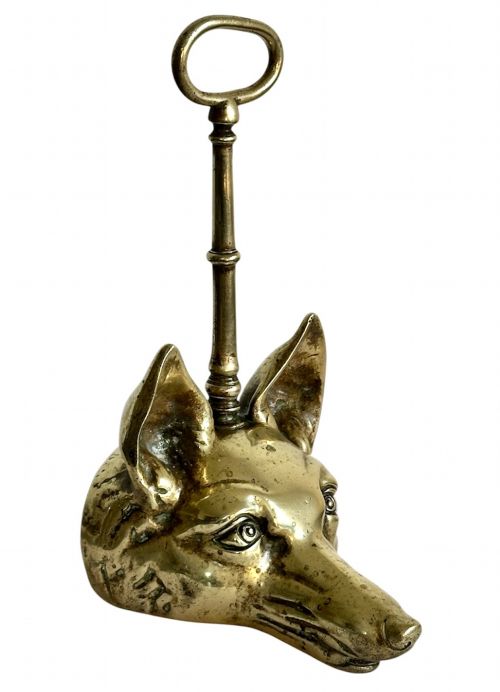
- A heavy weighted object designed to keep interior doors open, often cast in the form of lions, dogs or figures standing upright. These items rely on substantial metal mass to function effectively.
- Novelty inkwell
- A desk accessory shaped to resemble an animal, bird or humorous scene with a concealed ink reservoir inside. They often feature inset glass eyes or hinged lids.
- Casting
- The process of pouring molten metal into a mould to create a specific sculptural shape. Most metal figures on this page utilise this foundational method.
- Mottled opaline
- A type of semi-opaque glass showing clouded colour variations, frequently utilised in period lighting shades paired with metal animal bases.
Vintage Brass Animal: Frequently Asked Questions
What were brass animal inkwells used for?
These desk accessories held liquid ink for writing with dip pens in nineteenth-century studies and offices. The hollow animal bodies concealed glass or ceramic liners designed to contain the ink safely.
Owners kept them on writing desks alongside matching blotters and pen trays. Their decorative designs brought whimsical or imposing character to otherwise formal workspaces.
How do I identify Art Deco animal pieces?
Art Deco animal sculptures emphasise streamlined geometry, sleek surfaces and stylised postures rather than strict naturalism. You will notice simplified planes and modern material combinations like brass with granite, opaline glass or polished wood.
These designs emerged strongly during the nineteen-twenties and nineteen-thirties. They reflect contemporary speed and motion through dynamic depictions of creatures like pelicans, seagulls and hounds.
How do I date an antique brass animal?
Dating relies on examining the casting quality, fastening methods, wear patterns and stylistic markers specific to periods like the Victorian era or the Art Deco movement. Earlier pieces often display hand-chased surface details and heavier, simpler construction methods.
Comparing the subject matter and manufacturing materials against known historical styles helps narrow the timeframe. Makers marks, where present, provide direct evidence of origin and production era.