
Vintage Botanical Still Life
A vintage botanical still life captures cut flowers and fruit on canvas, panel or paper, bringing centuries of observation into a room.
Vintage Botanical Still Life
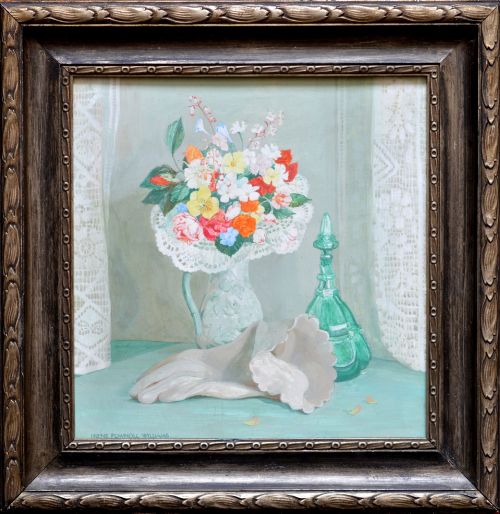
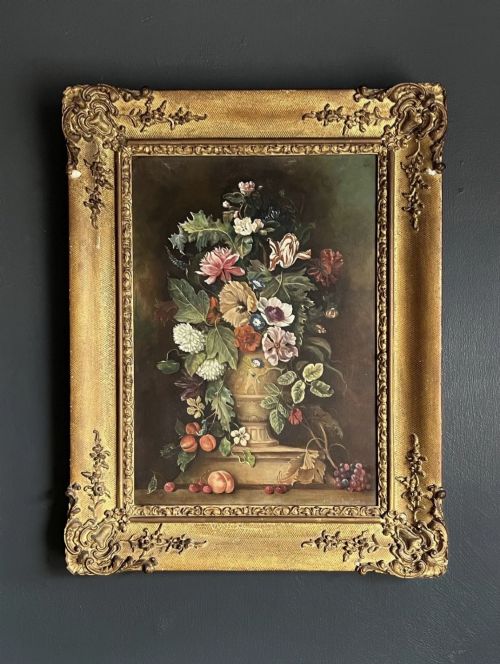
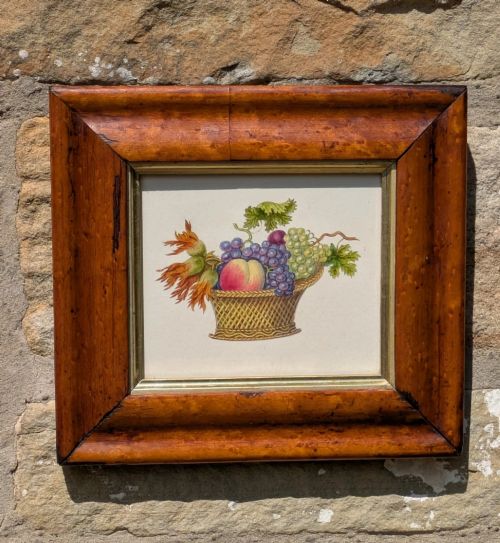
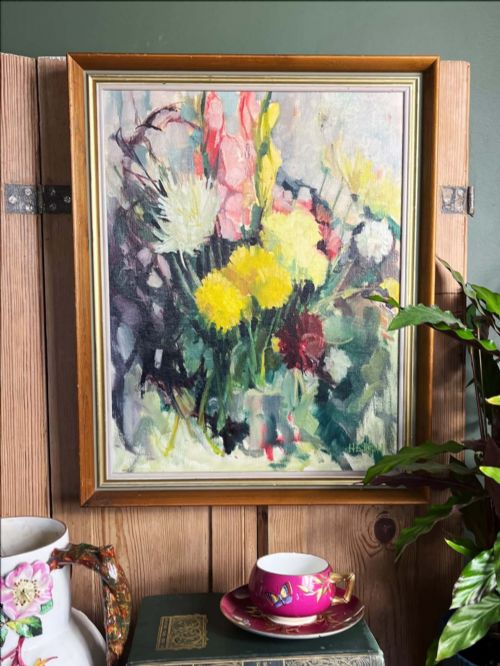
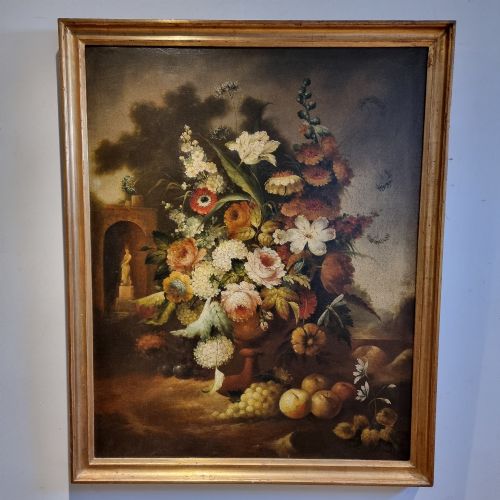
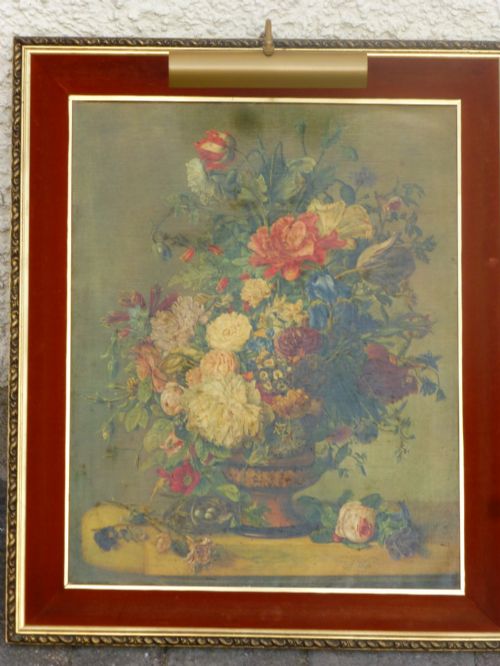
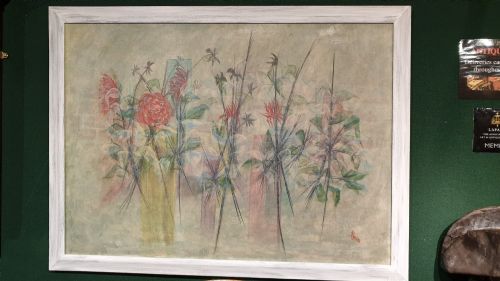
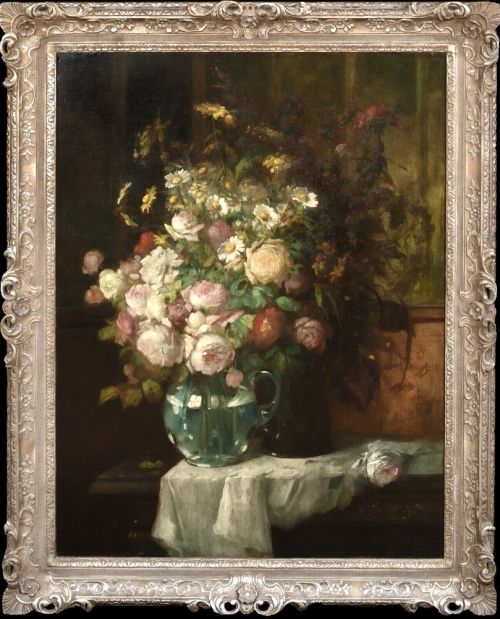
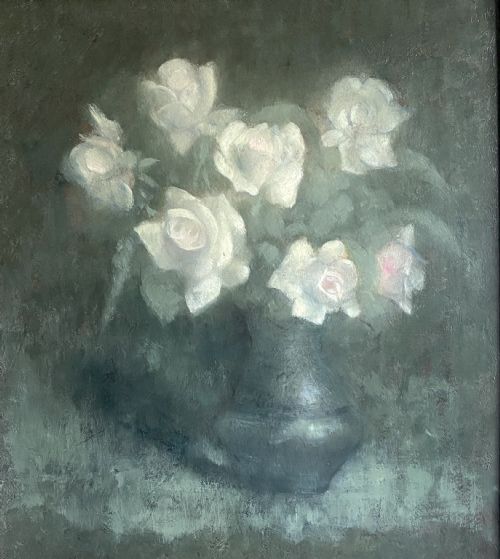
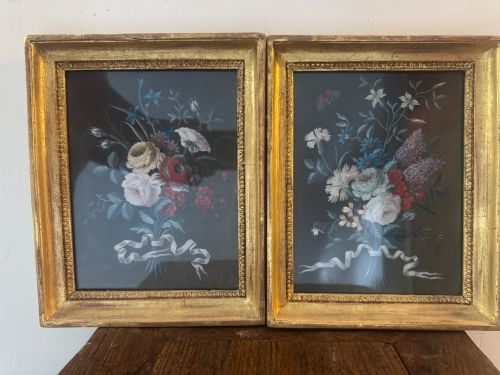
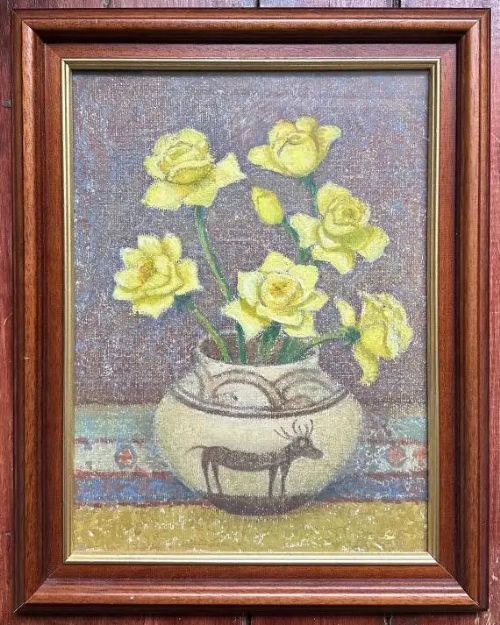
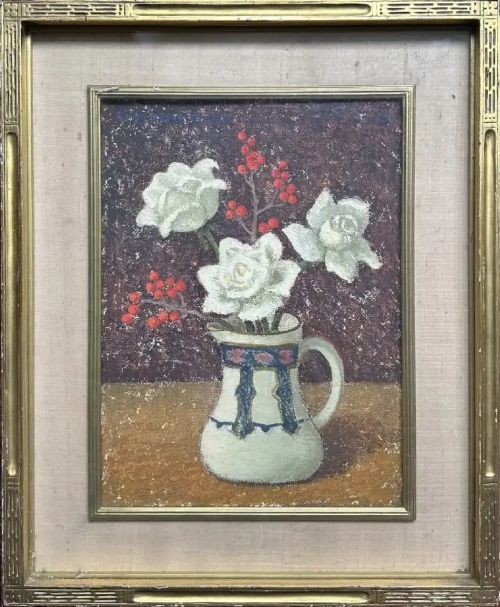
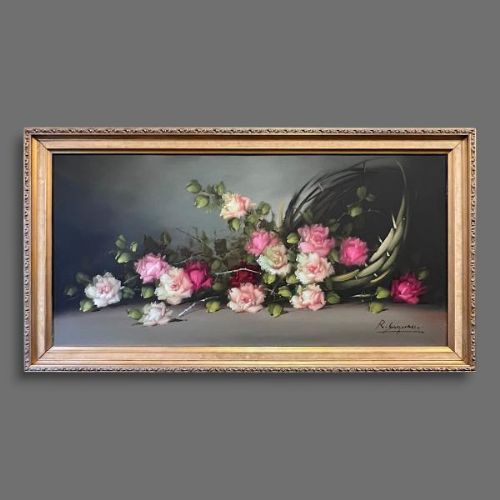
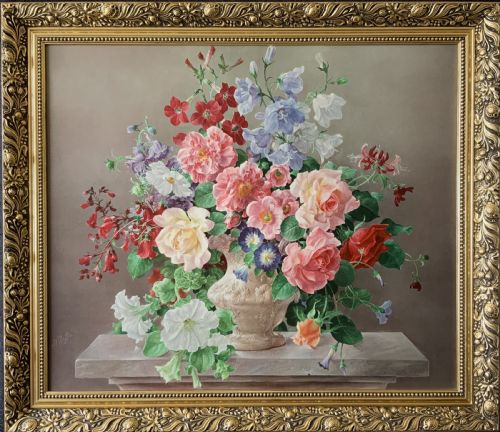
A vintage botanical still life encompasses framed oil paintings, watercolours, gouache and pastels depicting floral arrangements, fruit and domestic objects. These works span from the eighteenth century through the Victorian period and into the mid-twentieth century, with mid-century impressionist and modernist interpretations appearing frequently.
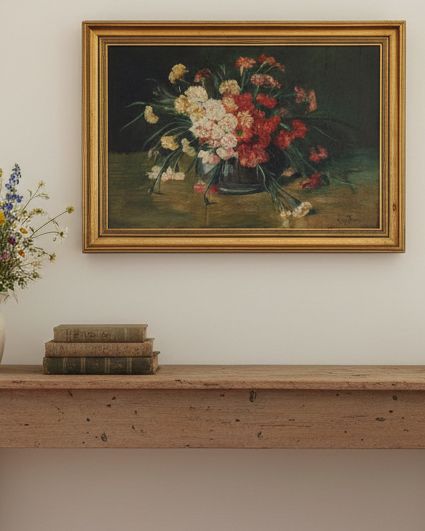
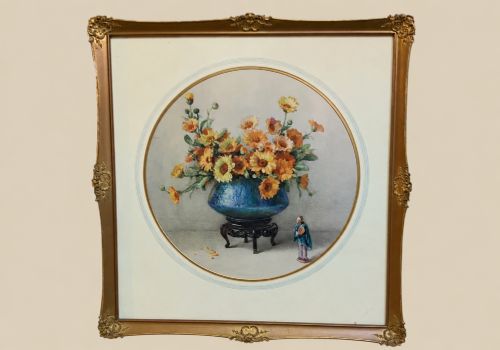
The subjects range from simple studies of single blooms like roses and carnations to complex compositions involving Chinese objects, wicker baskets and ceramic vessels. Many pieces employ traditional techniques derived from Dutch golden age styles, Flemish traditions and British impressionism.
Originating across Britain, Europe and America, these artworks reflect diverse stylistic movements including art nouveau, art deco and post-impressionism. The selection includes works on canvas, board and paper, often housed in original gilt frames.
How They Were Made
Artists painted these subjects using oil paint on canvas or wooden panel, watercolour and gouache on paper, and pastel sticks. Support materials frequently include gesso preparations on wooden panels and textured canvas stretched over wooden frames.
Frames play a structural and aesthetic role, constructed from wood and finished with gilt gesso or simple mouldings to complement the painted imagery.
Listings feature canvases, wooden panels and paper supports spanning the eighteenth to the twentieth centuries.
What Varies in Quality
Quality rests upon the artist's handling of light, shadow and colour harmonies within the botanical arrangement. Skilled brushwork or precise watercolour washes define the structure of petals and leaves without relying on harsh outlines.
The depth of composition and the integration of secondary objects, such as pottery vessels or fruit baskets, distinguish accomplished works from routine decorative painting. Period framing also contributes to the integrity of the piece.
Irene Christobelle Pownoll Williams·Anton Weiss·Mark Ingram·Konstantin Stoitzner·Emma Fordyce MacRae·Harold Clayton·Edwin Steele·D Hardy·Manuela Bonati·William Thomas Wood·Owen Bowen·James Tower·Gertrude Hayes·Simon Pietersz Verelst·Winifred Turner·Henrietta Creswell·Amile Coppieters·William Edward Fox
The Vintage Botanical Still Life Glossary
- Oil paint
- Pigment suspended in a drying oil, typically linseed, allowing for rich colour depth and blended brushwork. This medium dominates the historical and vintage selections.
- Gesso
- A plaster-like mixture applied to wood panels or frames as a smooth base for painting or gilding. It provides a stable surface for fine detail.
- Gouache
- An opaque water-based paint that dries to a matte finish, used for botanical works on paper requiring solid areas of colour. It offers greater coverage than traditional watercolour.
- Oleograph
- A mechanical colour print designed to imitate an oil painting, utilising textured rollers to simulate canvas weave and brushstrokes. These reproductions mimic original artworks from earlier periods.
- Panel
- A flat piece of wood or board used as a rigid support for painting instead of stretched canvas. Panels require careful preparation with priming layers.
Vintage Botanical Still Life: Frequently Asked Questions
What periods do these botanical paintings cover?
The available artworks span from the eighteenth and nineteenth centuries through the early and mid-twentieth century. Mid-century impressionist examples from the 1950s and 1960s sit alongside earlier Victorian and Regency watercolours.
Earlier eighteenth-century and Dutch-influenced styles also appear among the selections, showing the enduring popularity of floral subjects across different eras.
How are these artworks typically framed?
Many pieces retain their period frames, particularly gilt gesso frames that add decorative weight to the presentation. Others feature simpler wooden mouldings appropriate to the mid-century modern aesthetic.
Original framing helps place the artwork within its historical context, though some works are reframed to suit contemporary interiors.
What mediums were used for these still lifes?
Artists employed oil paint on canvas and board, watercolour on paper, gouache, and pastel. Oil paintings on canvas provide rich texture, while works on paper utilise watercolour and gouache for delicate botanical accuracy.
Oleographs also appear, representing vintage mechanical reproductions of popular painted flowerpieces.
How do I choose between oils and watercolours?
Oils on canvas or panel offer robust colour depth and visible brush texture, making them suitable for traditional wall displays. Watercolours and gouache on paper present a lighter, more intimate quality often preserved under glass.
Both mediums capture botanical detail effectively, but the choice depends on the desired visual weight in a room.