
Vintage Botanical Canvas
Vintage botanical canvas brings together floral still life oil paintings and folding screens spanning the eighteenth century to the mid-century modern period.
Vintage Botanical Canvas
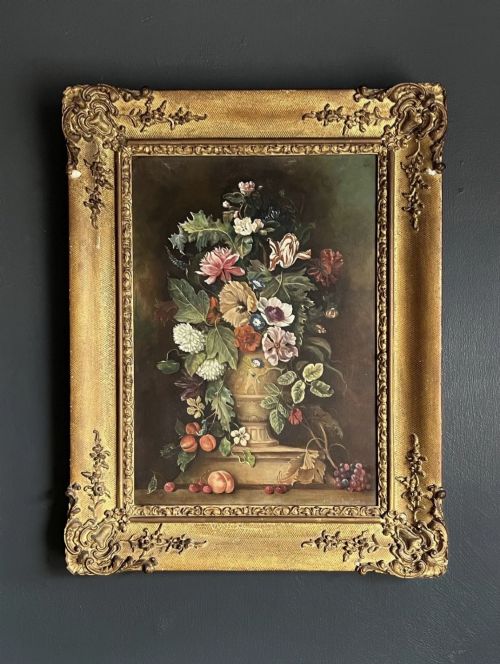
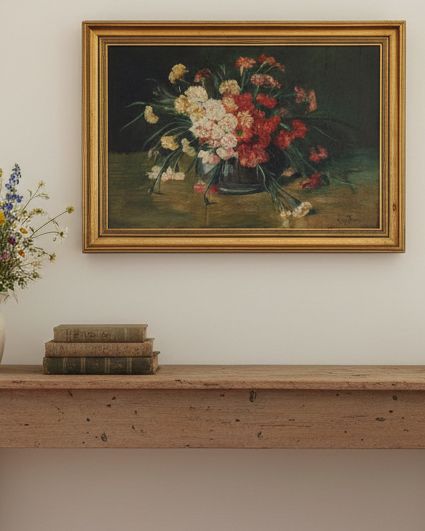
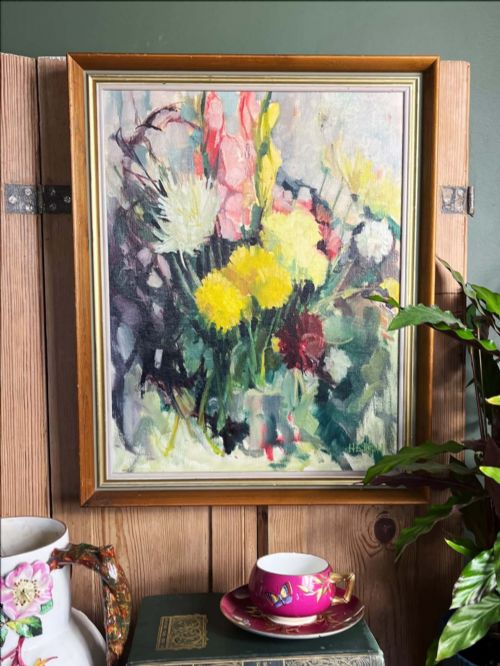
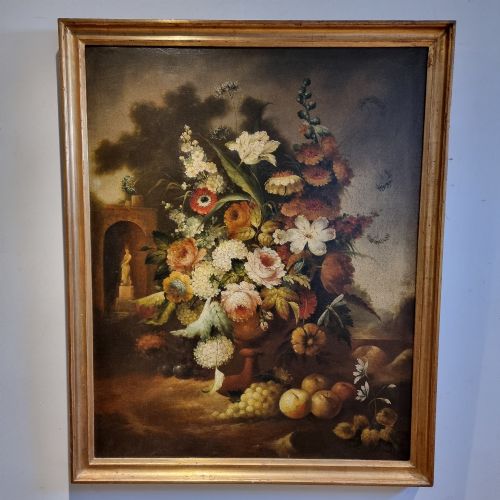
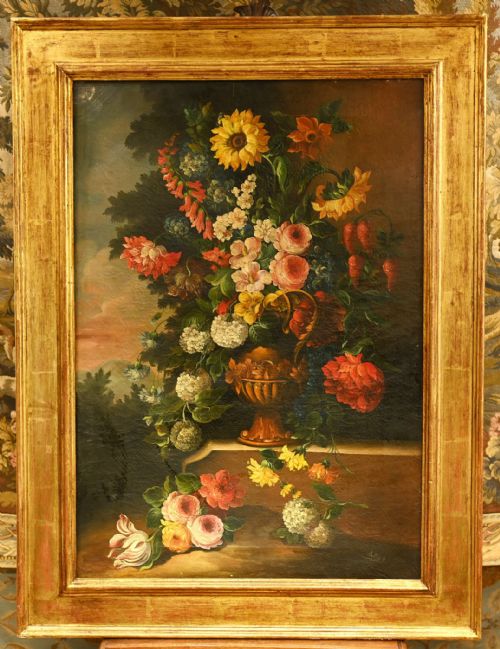
When searching for vintage botanical canvas, a buyer looks at painted floral studies and still life works rendered in oil on canvas or board. These pieces range from eighteenth century interpretations to mid-century impressionist compositions.
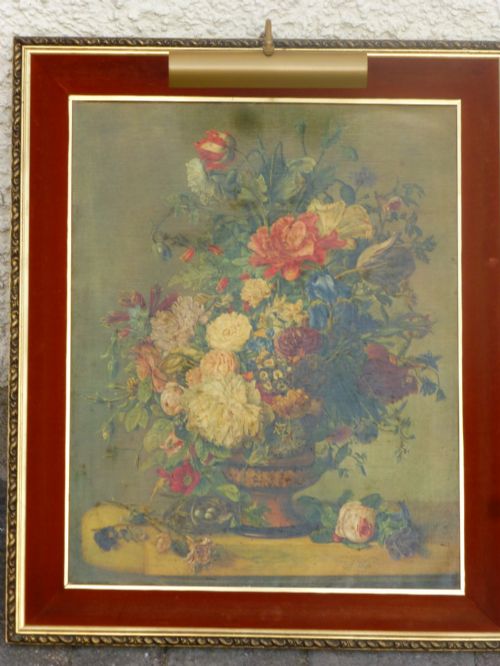
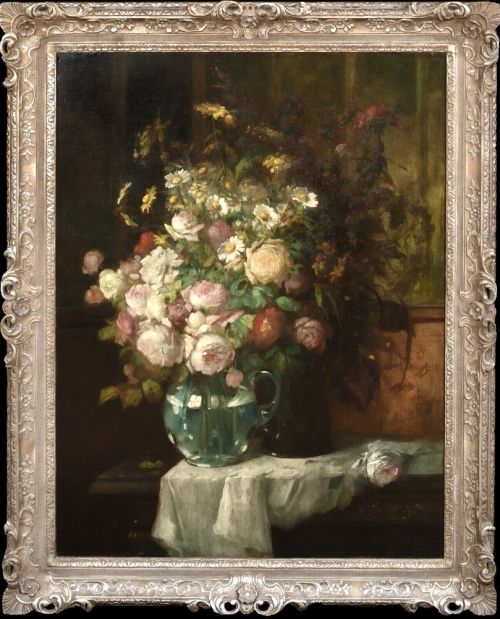
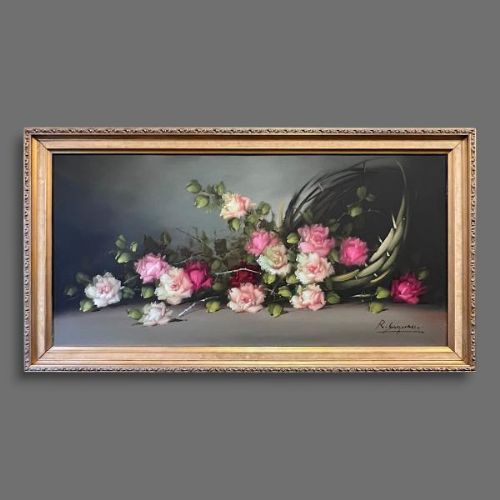
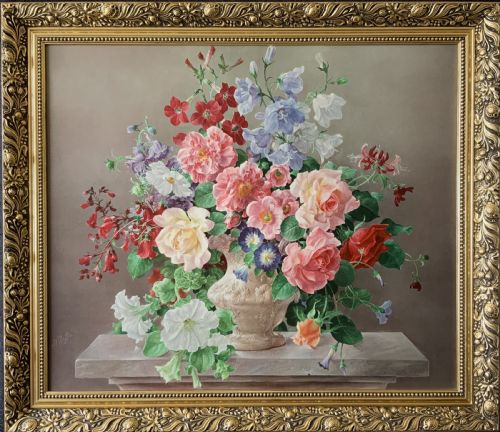
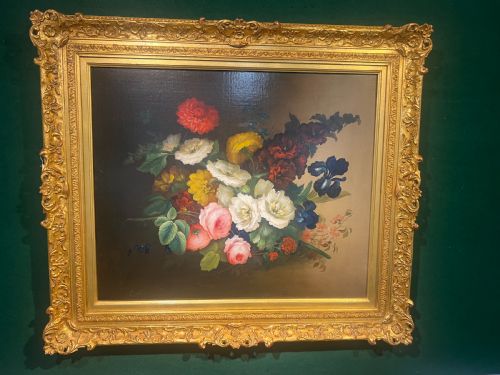
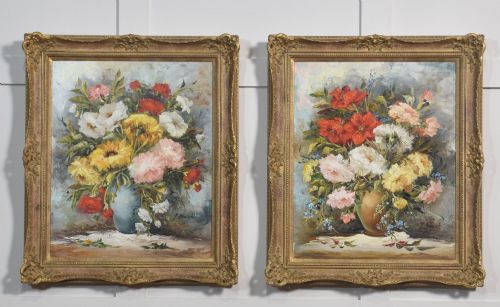
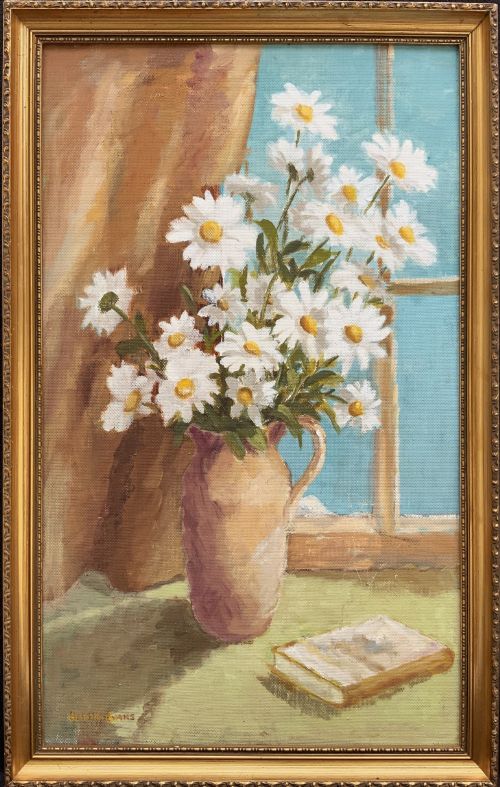
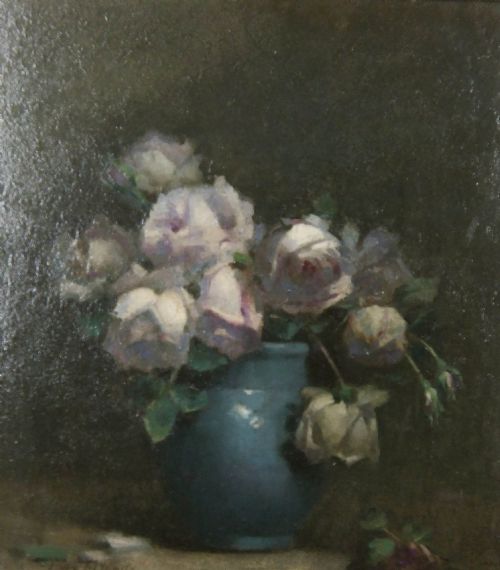
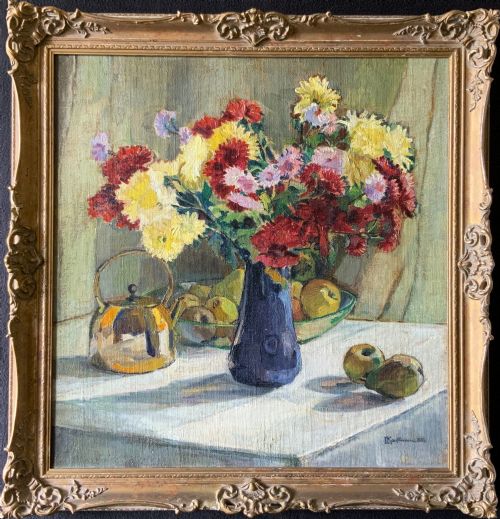
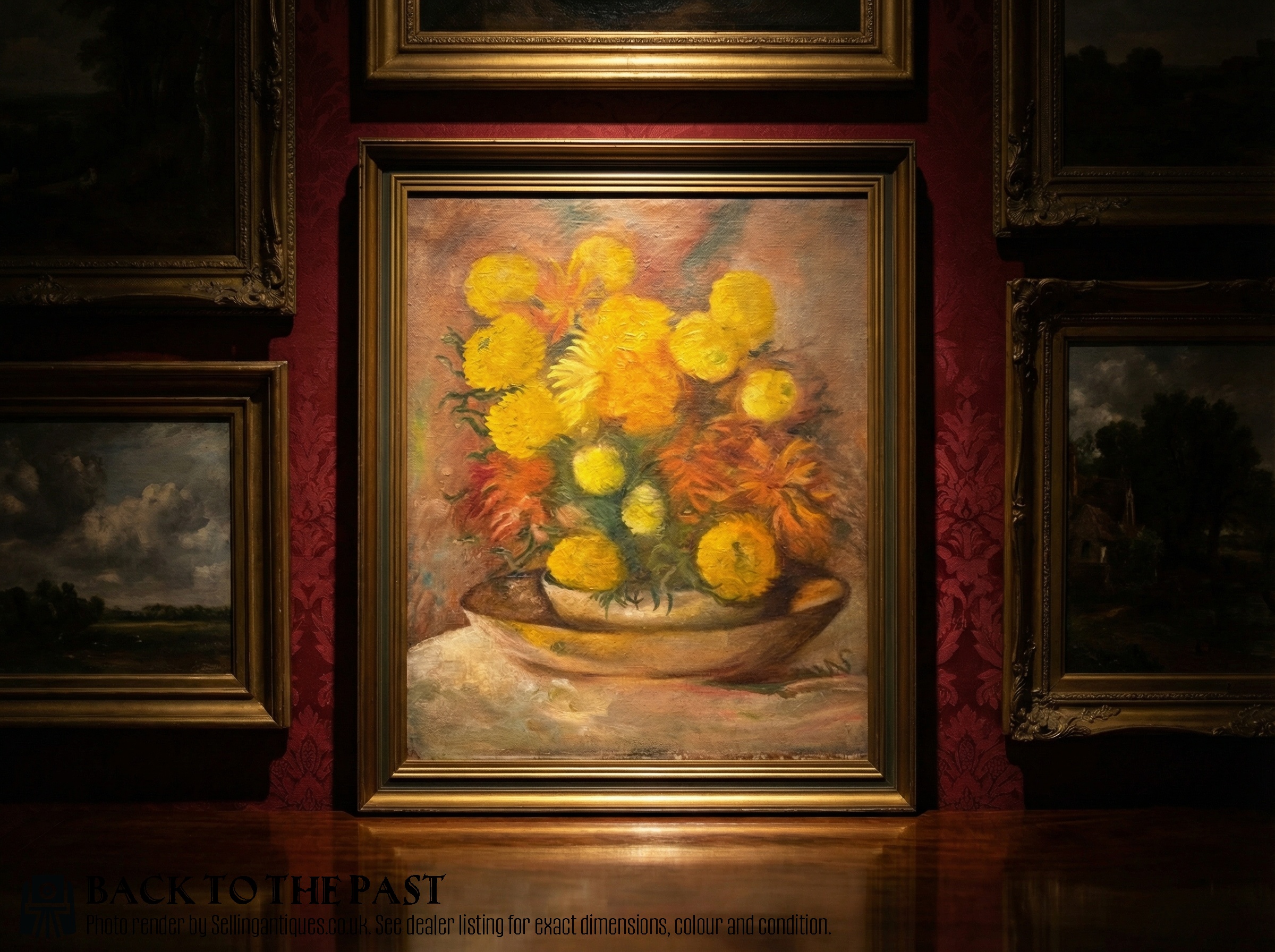
The version most commonly met on this page is the mid-century oil painting on canvas depicting floral arrangements in vases or baskets. Examples include signed works showing daisies, roses, and summer flowers framed for wall display.
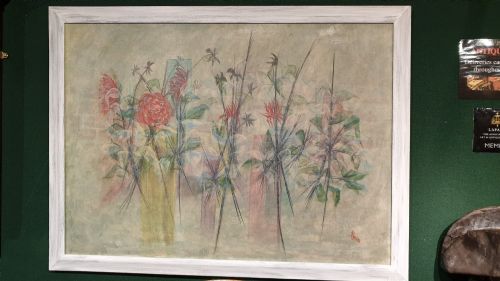
Beyond standard wall art, the selection encompasses related formats such as painted folding screens and room dividers. Origin styles stretch from British impressionism and modern British to Dutch golden age and Flemish traditions.
Materials and construction techniques
Canvas serves as the primary support for these oil paintings, stretched over wooden frames or applied to board. Artists utilise oil paint to build up layered floral compositions, capturing depth and texture in petals and foliage.
Many works are housed in decorative wood frames finished with gesso, gold leaf, and gilt details. These period frames complement the oil paintings while providing structural protection for the fabric support.
Canvas paintings of flowers sometimes capture lingering garden insects resting quietly among the painted petals.
Qualities that distinguish individual works
The artistic execution of the floral subject separates standard decorative items from superior fine art paintings. Brushwork handling, tonal balance, and the naturalistic rendering of light define the upper tier of these compositions.
The integrity and craftsmanship of the accompanying frame contribute to the overall standard of a piece. Period gilt gesso frames executed with careful ornamentation elevate the presentation of the canvas within.
Anton Weiss·Mark Ingram·Konstantin Stoitzner·Emma Fordyce MacRae·Harold Clayton·Edwin Steele·Manuela Bonati·William Thomas Wood·Owen Bowen·Gertrude Hayes·Simon Pietersz Verelst·Amile Coppieters·A Nikolokov·Claude Monet·Calzolari·Sir Matthew Smith·Terence Loudon·Robin MacKertich
The Vintage Botanical Canvas Glossary
- Canvas
- A heavy woven fabric used as a surface for oil painting. It is typically stretched across a wooden frame before application of the ground and pigment.
- Gesso
- A plaster-like mixture applied to wooden frames as a base for gilding or painting. It provides a smooth surface for intricate mouldings.
- Oleograph
- A type of chromolithograph print textured to imitate an oil painting. These prints replicate the appearance of brushstrokes on canvas.
- Impressionism
- An art style characterised by relatively small, thin yet visible brush strokes and an open composition. It prioritises the accurate depiction of light and its shifting qualities.
Vintage Botanical Canvas: Frequently Asked Questions
What periods do these paintings date from?
The works span multiple centuries, with pieces originating from the eighteenth century, the nineteenth century, and through the early to mid-twentieth century.
Mid-century examples sit alongside earlier historical interpretations, offering a broad chronological range of styles.
How are these canvas paintings usually framed?
Many examples feature traditional wooden frames finished with gilt, gold leaf, or moulded gesso decoration.
These period frames are selected to complement the specific oil painting style and secure the canvas structure.
What subjects appear alongside flowers?
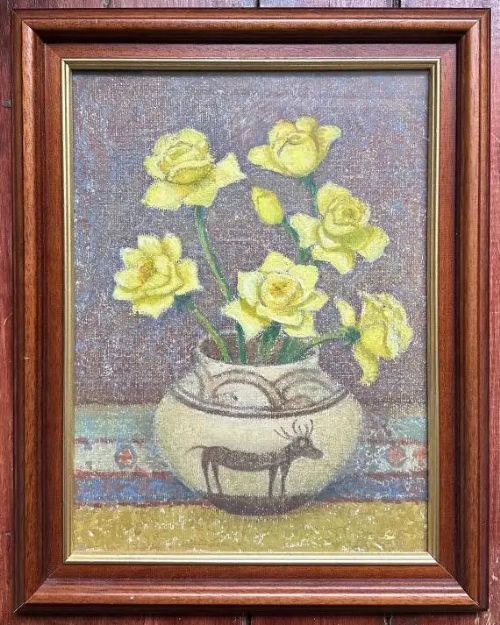
Floral displays frequently incorporate vessels such as ceramic pots, wicker baskets, and glass vases to hold the blooms.
Additional elements like fruit, foliage, and garden settings occasionally accompany the primary botanical arrangement.
Are all pieces original oil paintings?
The majority of listings comprise original oil paintings created directly on canvas or board by various artists.
Some examples include vintage oleograph prints that replicate the look of traditional oil paintings.