

Vintage Bookcase Vitrine
A vintage bookcase vitrine combines book storage with glazed display space, offering a practical solution for housing libraries alongside delicate collections.
Vintage Bookcase Vitrine
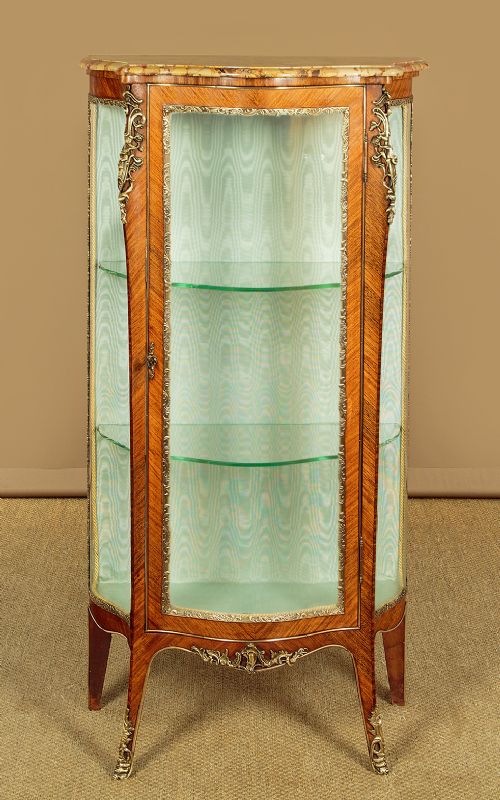
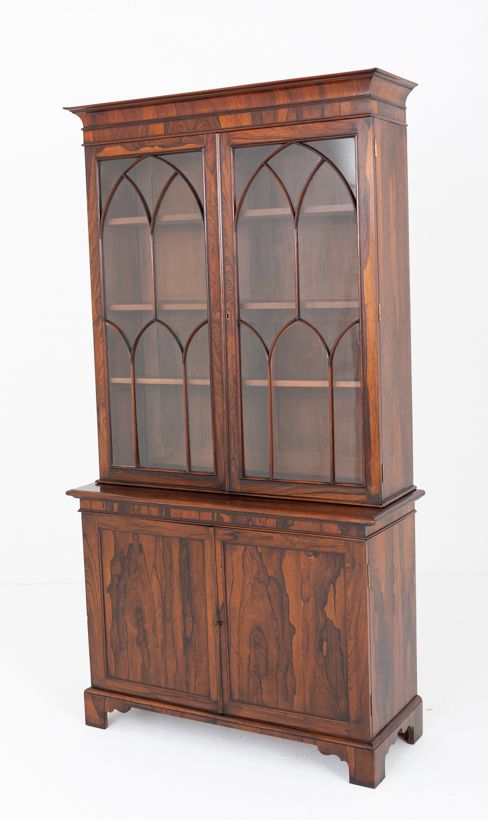
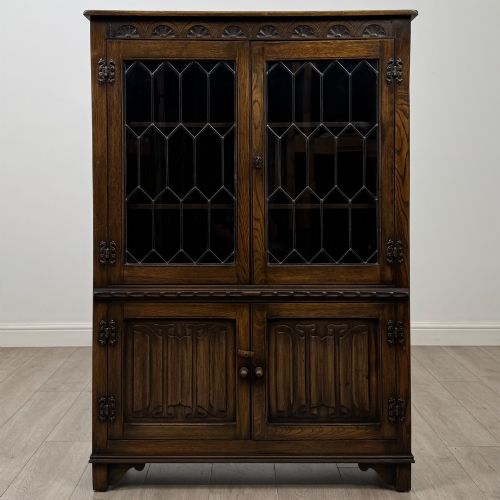
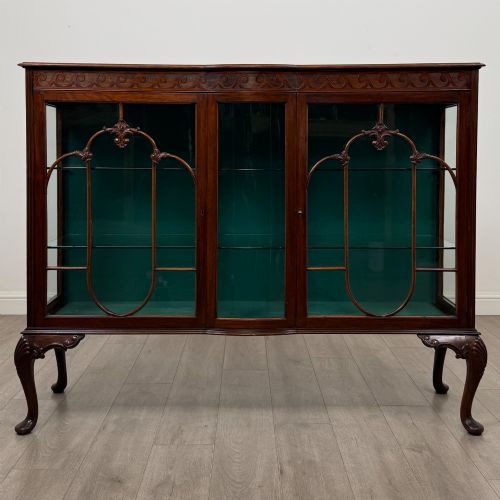
A vintage bookcase vitrine serves both the library and the drawing room, merging open or enclosed shelving for books with glass-fronted compartments for ornaments. When you search for a vintage bookcase vitrine, you encounter pieces that bridge storage and exhibition.
The selections span the Edwardian era through the Art Deco period of the nineteen-thirties, reflecting shifts in domestic interior design. Edwardian examples often display Sheraton Revival or Queen Anne Revival influences, while later pieces adopt streamlined forms.
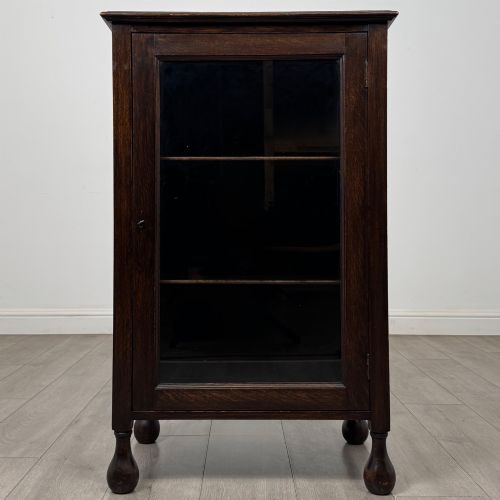
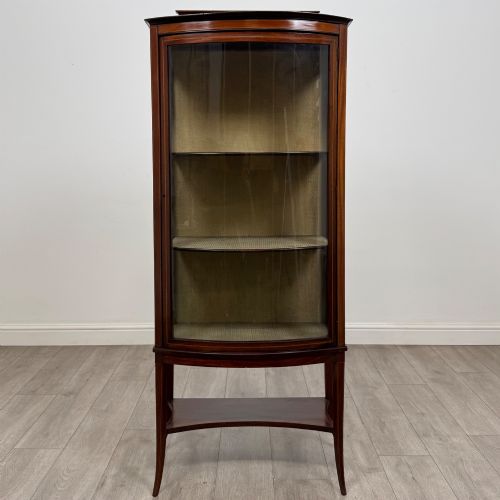
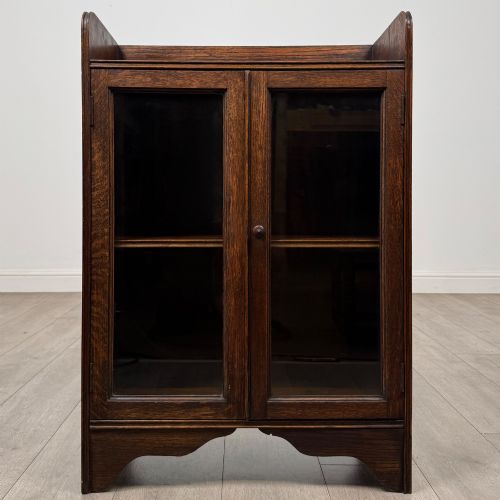
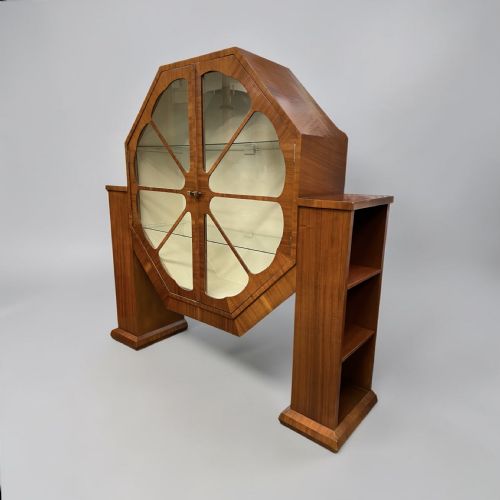
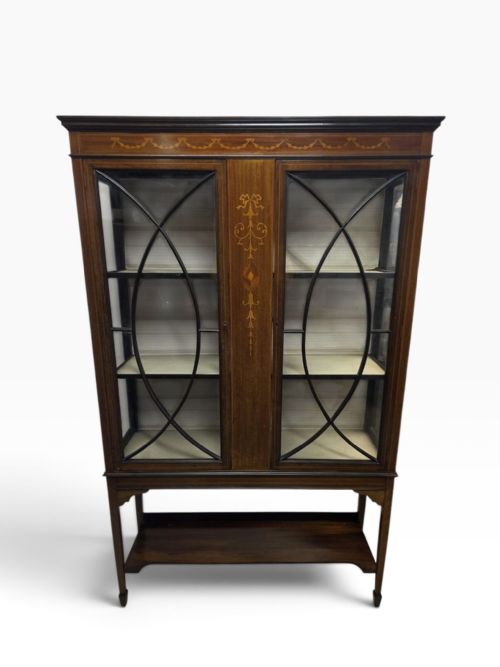
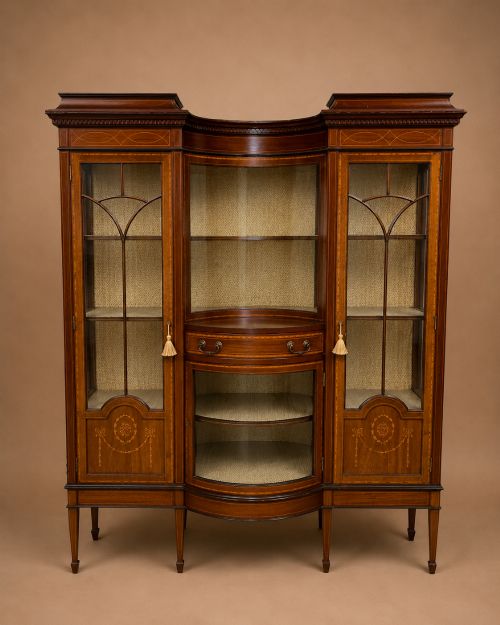
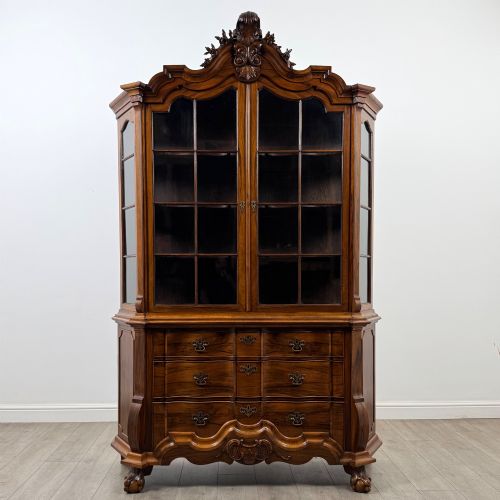
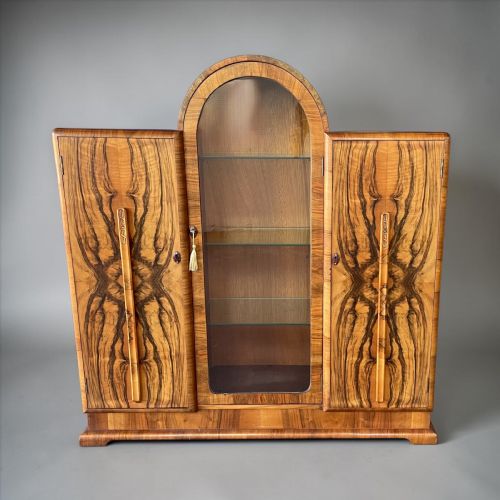
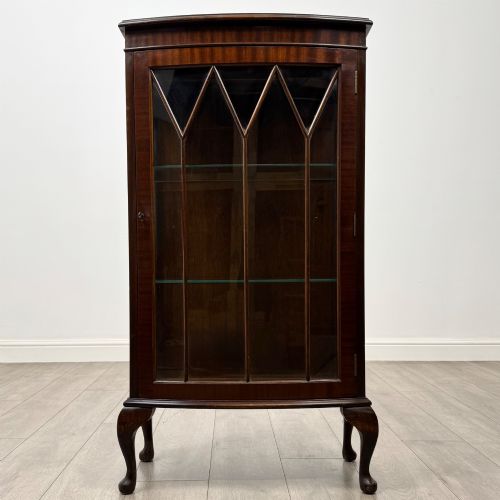
Forms vary from upright mahogany cabinets to circular walnut constructions and smaller oak variants. The most frequent iteration on this page is the Edwardian inlaid mahogany display cabinet or bookcase.
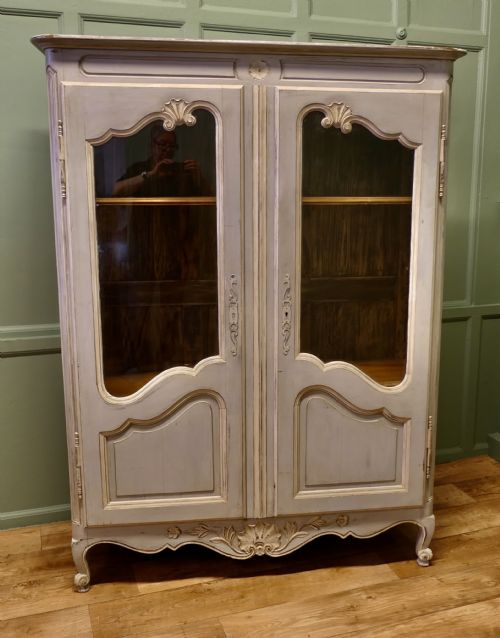
Origins stretch across English workshops as well as continental makers, incorporating Dutch walnut and French design traditions alongside domestic output.
Materials and construction methods
Timbers dictate the character of these pieces, with mahogany, walnut, and oak forming the primary structural foundations. Cabinetmakers selected figured walnut and burr walnut veneers for decorative impact on primary surfaces, supported by secondary woods in internal framing.
Surface ornamentation relies upon satinwood inlay, floral marquetry, and linenfold carving. Glass panels are fitted into timber or brass frames to enclose the upper display sections while protecting the contents from dust.
Construction techniques combine traditional joinery with applied decorative veneers and mirror backs. Brass hardware appears on doors and interior fittings, completing the assembly of wood, glass, and metal.
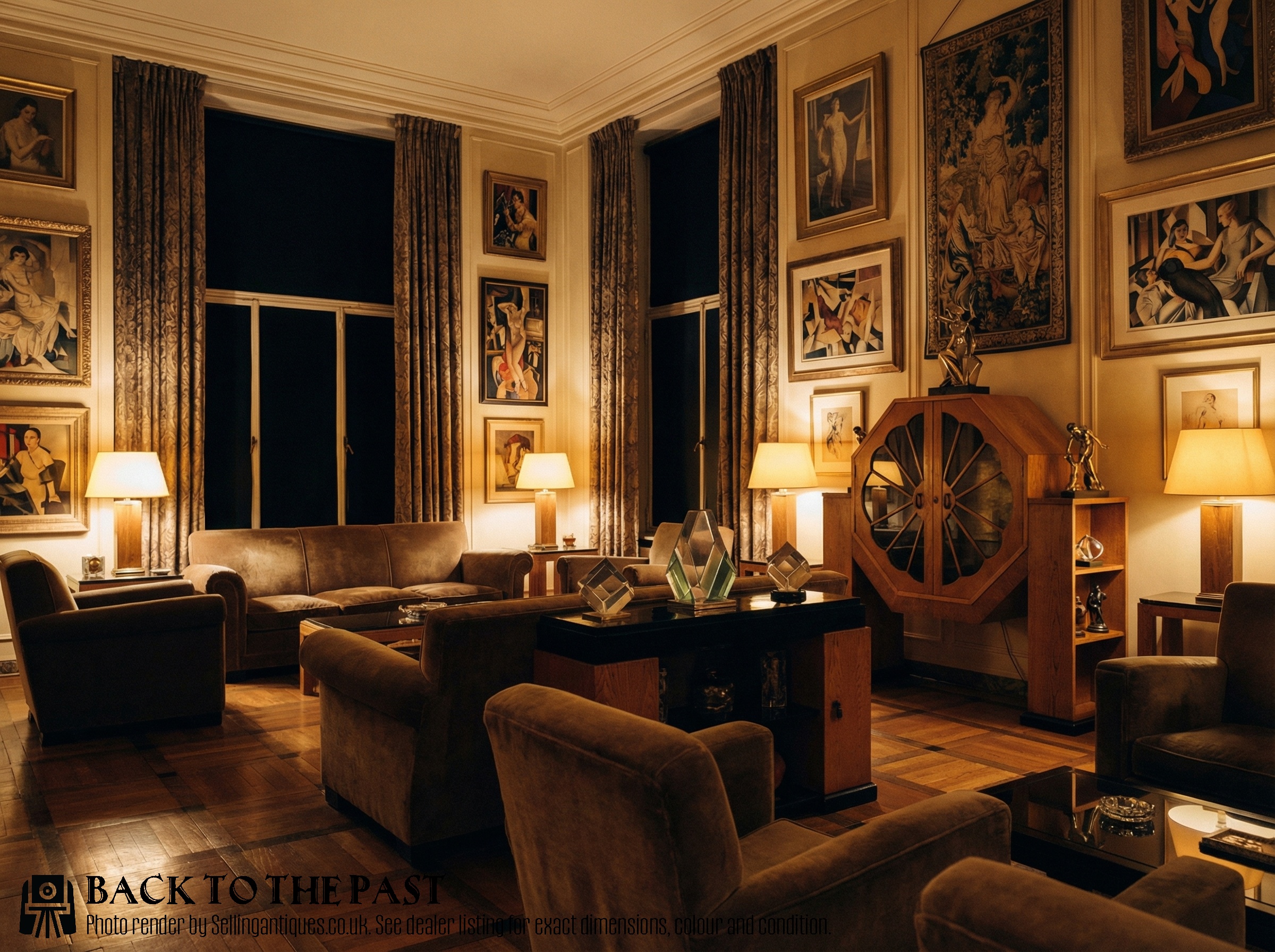
One exceptional interwar design earned the affectionate nickname 'Rocket Cabinet' due to its distinct, soaring circular walnut silhouette.
Determinants of quality
Quality rests upon the selection of timber veneers and the precision of the marquetry or satinwood inlay. Finer examples display carefully matched grain patterns and harmonious proportions across the cabinet structure.
The execution of joinery and the integration of glazed doors distinguish superior cabinetmaking from standard production. Intricate details such as mirror backs, brass mounts, and refined revival styling elevate the standing of a piece.
Makers of note, such as established London firms, impart a higher standard of finish through meticulous hand-polishing and robust internal construction.
Maple and Co
The Vintage Bookcase Vitrine Glossary
- Vitrine
- A glass-fronted cabinet designed for displaying fine objects or porcelain. The term derives from the French word for glass.
- Marquetry
- Decorative veneer work forming pictorial or geometric patterns using various woods. Craftsmen assemble thin slices of timber onto a primary carcase.
- Satinwood inlay
- Contrasting light-coloured timber inserted into recesses in a darker wood surface. This technique highlights the borders and panels of Edwardian furniture.
- Linenfold
- A style of wood carving that mimics folded parchment or linen. It frequently appears on oak panels of the period.
- Burr walnut
- Timber taken from a tree growth that produces complex, swirling grain patterns. Cabinetmakers prize this material for high-status veneer work.
Vintage Bookcase Vitrine: Frequently Asked Questions
What is a vintage bookcase vitrine used for?
These combination pieces were originally designed to house a household library alongside prized decorative objects. The glazed sections protected delicate ornaments from dust while keeping them visible in principal rooms.
Today, they serve the same dual function in domestic interiors. Collectors utilise the shelving for books and the cabinet space for curated displays.
How do I date a vintage bookcase vitrine?
Dating relies upon identifying the prevailing architectural styles, timber choices, and decorative motifs present in the construction. Edwardian pieces often feature Sheraton Revival satinwood inlay on mahogany, while nineteen-thirties examples favour geometric walnut veneers.
Examining internal drawer construction and backboards provides further clues regarding age. Comparing specific hardware and design details helps narrow down the decade of manufacture.
Are these cabinets suitable for small rooms?
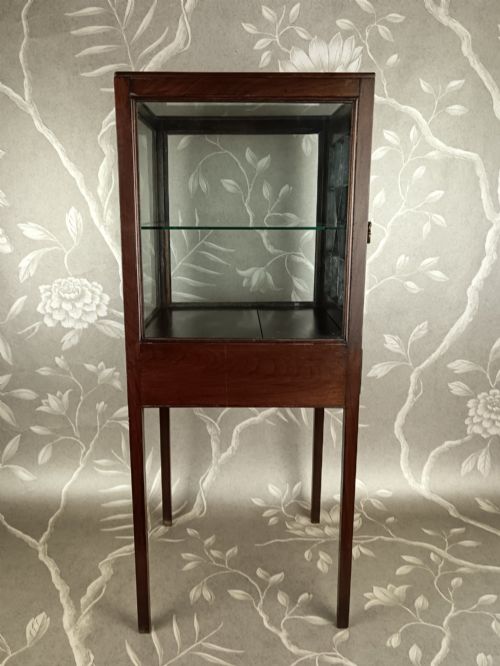
Many surviving examples were built in compact dimensions specifically for smaller Edwardian and interwar drawing rooms. Slender footprints and corner cabinet variants allow them to fit into restricted floor spaces.
The inclusion of glass panels also prevents the furniture from appearing heavy in a confined interior. Light reflects off internal mirror backs and glass shelves, opening up the visual space.
What woods were commonly used?
Mahogany and oak form the bulk of the structural timber across these listings. Walnut also appears frequently, particularly in figured and burr varieties favoured during the interwar period.
Satinwood provides contrast through decorative inlay work. Secondary timbers such as pine or mahogany appear in internal shelving and carcase backs.