
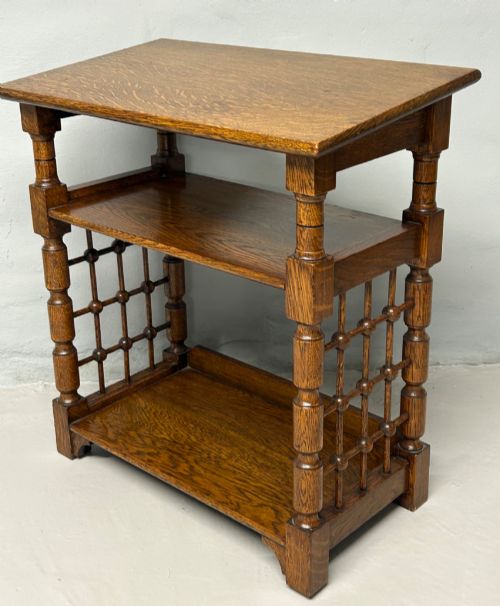
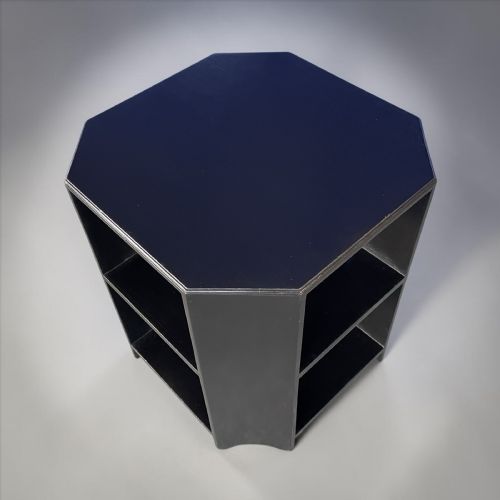


Vintage Book Trough Table
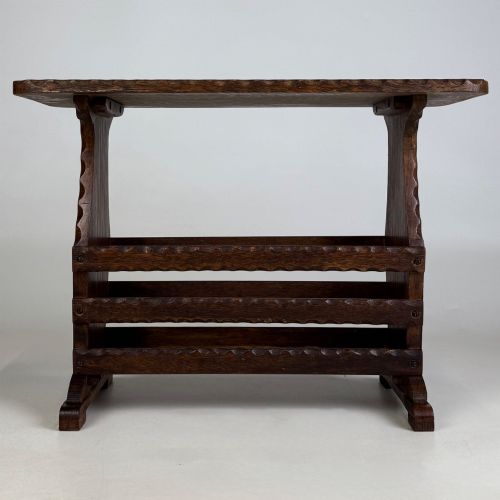
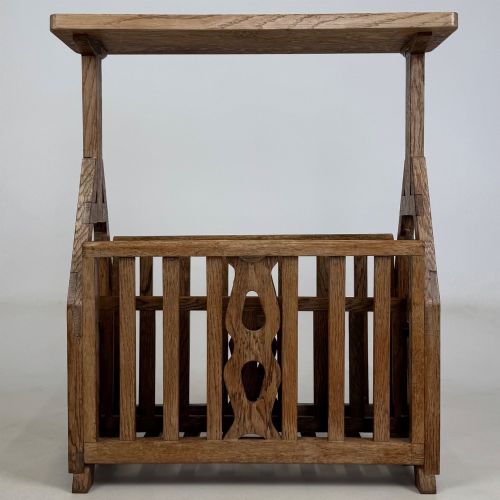
These vintage book trough table pieces combine handy surface space with open shelving, offering a practical way to keep favourite volumes close to hand.
Vintage Book Trough Table
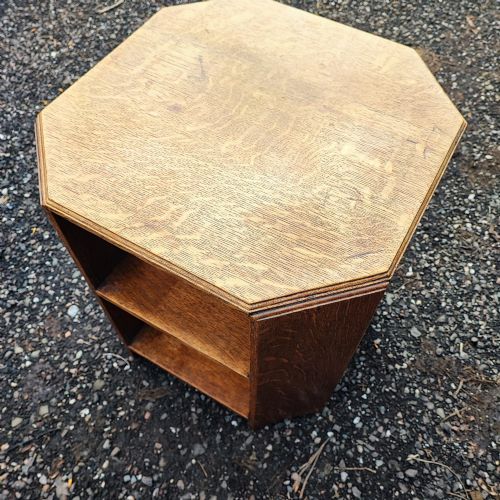
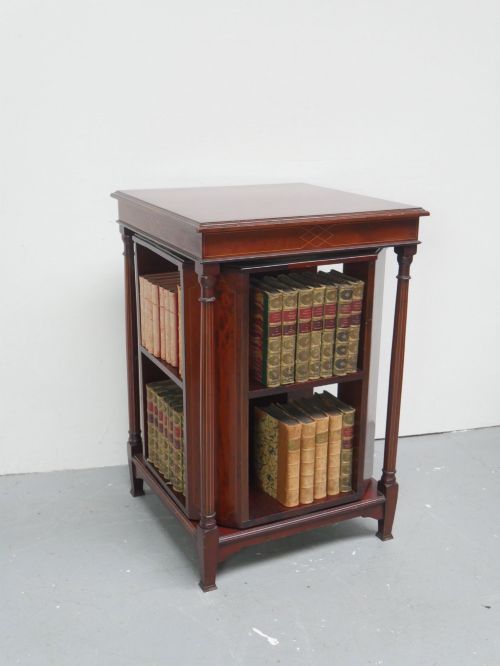
A vintage book trough table brings together a low side table and a dedicated housing for reading material, making it a compact addition to a sitting room or study. The listings here include side tables, revolving bookcases, and slope-shelf bookcases alongside traditional troughs.
Most examples date from the Victorian, Edwardian, and 1930s periods, showing influences ranging from Arts and Crafts simplicity to Art Deco geometric forms. Oak and mahogany dominate the selection, providing sturdy construction for daily use.
Makers of the era utilised various timbers to suit different interiors, from unadorned oak to figured walnut veneer and ebonised wood. Whether you need a small book stand by an armchair or a revolving table for central placement, these pieces serve both display and storage.
What varies in quality
Quality rests in the choice of timber and the precision of the cabinet work, particularly where book troughs join supporting table frames or where revolving mechanisms turn. Figured veneers and subtle satinwood inlay require careful hand selection by the maker.
Proportion and structural integrity distinguish simpler utility pieces from finer studio or workshop items, such as those associated with Heal's designs.
Several book slides carry the descriptor 'Novel Rest', offering a charming reminder that Victorian readers also enjoyed hands-free relaxation.
The Vintage Book Trough Table Glossary
- Book trough
- A V-shaped or open-sided container designed to hold books upright or at a slant. It typically sits atop a table base or functions as a standalone desk accessory.
- Revolving bookcase
- A shelved cabinet mounted on a rotating base that allows access to volumes from any angle. It became popular in studies and libraries for space-saving utility.
- Burr walnut veneer
- A thin slice of wood taken from the burl growth of a walnut tree, prized for its swirling grain patterns. Cabinet makers applied it to table tops to create rich visual depth.
- Satinwood inlay
- Small pieces of pale, yellowish satinwood inserted into contrasting darker timber to form decorative borders or motifs. This technique demands high precision from the woodworker.
- Ebonised wood
- Timber treated with a chemical stain or black finish to imitate expensive ebony. It was widely used in furniture design to create stark, dramatic outlines.
Vintage Book Trough Table: Frequently Asked Questions
Where should I place a book table?
These pieces fit naturally beside an armchair or sofa where you want both a surface for a lamp and quick access to current reading. Revolving variants work well beside a desk or freestanding in an open room.
Consider the scale of your seating when choosing between a low side table and a taller bookcase stand to keep volumes within comfortable reach.
How do I care for timber surfaces?
Regular dusting with a dry, soft cloth prevents particulate buildup on polished oak and mahogany. Avoid placing pieces in direct sunlight or near heat sources to protect veneers and prevent wood splitting.
Applying a traditional beeswax occasionally helps nourish the grain and maintains the natural sheen without sealing the timber permanently.
What is an extending book slide?
An extending book slide is a desktop or table accessory with adjustable ends that hold a small selection of books securely upright. It allows the holder to expand as your collection of volumes grows.
Victorian examples often feature decorative carved teak or brass mounts, turning a functional desktop item into a distinct decorative accent.
How do I identify Art Deco pieces?
Art Deco pieces from the 1930s typically feature clean geometric lines, smooth ebonised surfaces, and figured walnut veneers. They lack the ornate carving of Victorian items and the structural honesty of Arts and Crafts oak.
Look for streamlined shapes and a focus on the natural pattern of the wood rather than applied ornament.
Are these tables suitable for daily use?
Solid construction in oak and mahogany makes these tables robust enough to hold heavy volumes and daily household items. The durable joinery of the period was built to withstand regular handling.
Treating the top surfaces with coasters and avoiding excessive moisture ensures the timber remains in strong condition for continued use.