






Art Deco Reading Table
An art deco reading table brings functional modernist design into daily life, offering adjustable surfaces and clever materials for comfortable study.
Art Deco Reading Table
An art deco reading table combines practical surfaces with the distinct geometric lines characteristic of the period. Buyers exploring this category encounter specialised over-bed stands, reading stands, and occasional side tables designed for practicality and style.
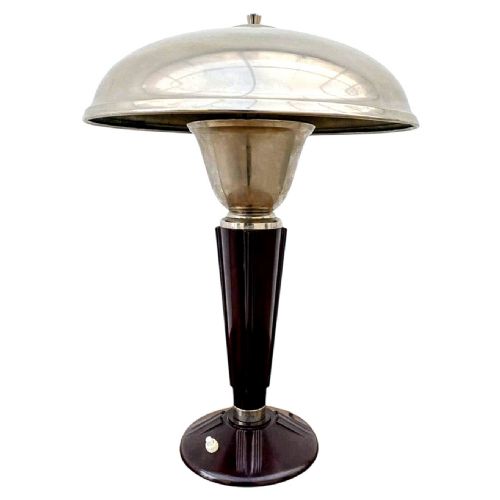
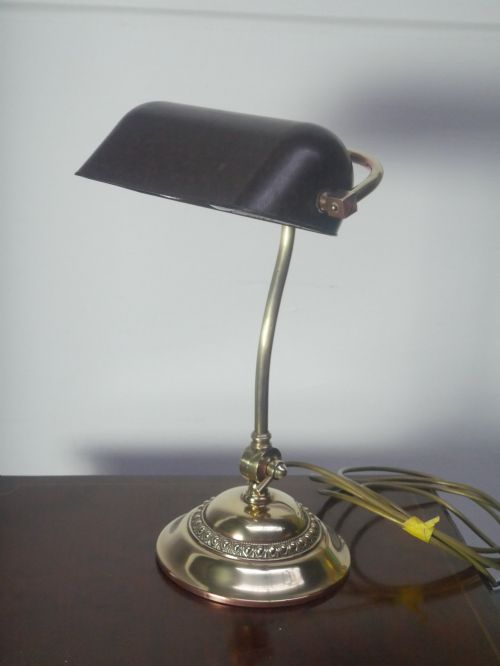
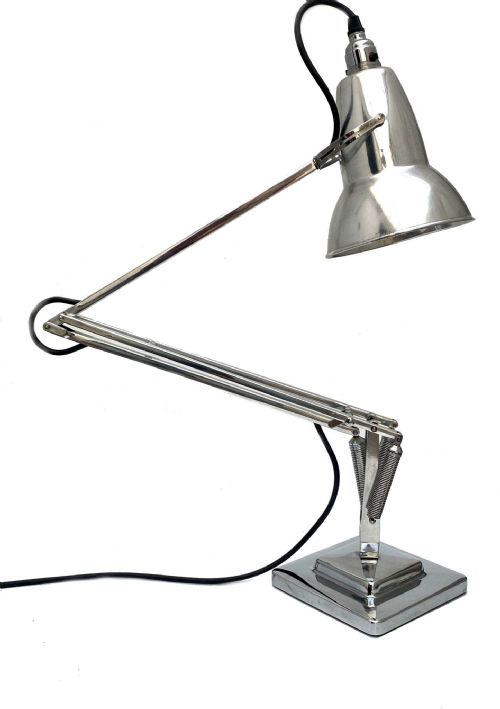
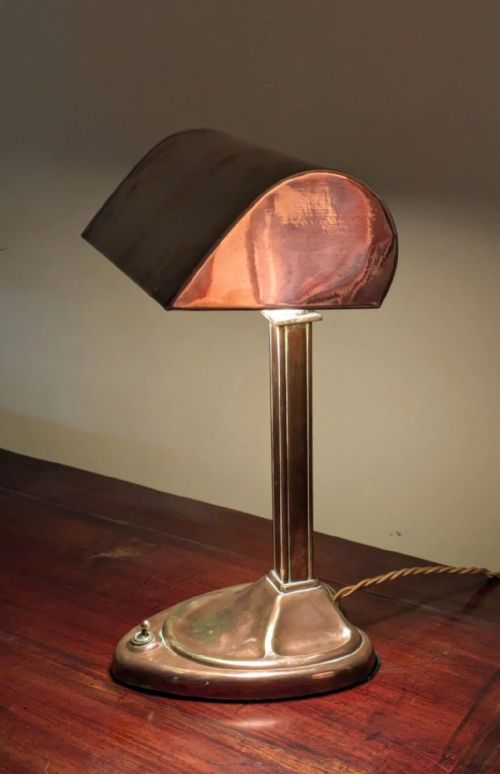
While many related listings focus on lighting and desk accessories, surviving reading tables utilise robust timbers and adjustable metal fittings. These pieces reflect the period's focus on ergonomic comfort and streamlined domestic utility.
Materials and construction methods
Makers utilised a combination of figured walnut and tubular metals such as chrome, brass, and steel to construct durable frames. These materials allowed workshops to build adjustable mechanisms for reading stands and occasional tables.
Glass, bakelite, and parchment leather frequently appear as complementary elements on items from the era, highlighting industrial manufacturing techniques. Joinery and metalwork from this period prioritise clean geometric joints and polished finishes.
Current listings demonstrate a prevalence of brass, chrome, and walnut across items from the 1920s and 1930s.
Assessing quality in period pieces
The calibre of an art deco reading table rests upon the integrity of its adjustable mechanisms and the selection of figured wood veneers. Superior examples display precise engineering in their moving parts alongside unblemished metal plating.
Execution of design distinguishes standard utility pieces from high-style workshop productions. Balance, material weight, and the retention of original surface patination dictate the desirability of surviving items.
Eileen Grey·Herbert Terry·Karl Ens·Anton Buschelberger·Pirouette
The Art Deco Reading Table Glossary
- Art Deco
- A design style spanning the nineteen-twenties and nineteen-thirties characterised by streamlined geometric forms, industrial materials, and symmetrical patterns.
- Machine Age
- An early twentieth-century design movement celebrating industrial efficiency, steel construction, and chrome finishes.
- Bakelite
- An early synthetic thermosetting plastic frequently utilised for switches, bases, and decorative details on period items.
- Amsterdam School
- An architectural and design movement from the early twentieth century known for expressive brickwork, rich textures, and traditional craft methods.
- Walnut
- A dense, dark timber featuring prominent grain patterns, frequently selected for high-end cabinetry and tables.
Art Deco Reading Table: Frequently Asked Questions
What is an art deco reading table?
An art deco reading table is a piece of furniture designed for holding books or serving as an over-bed stand, incorporating the geometric aesthetics of the interwar period.
These pieces utilise materials like walnut and chrome to provide adjustable surfaces for study and relaxation.
How do I date an art deco reading table?
Dating relies on examining the construction materials, such as the presence of early plastics like bakelite alongside tubular steel or brass.
Design motifs from the nineteen-twenties and nineteen-thirties typically exhibit the streamlined geometry characteristic of the machine age.
Were these tables used in bedrooms?
Many reading stands and over-bed tables from this era were specifically engineered for bedroom use, allowing individuals to read comfortably while resting.
Their adjustable frames permitted users to alter the height and angle of the surface as needed.
What materials are common in this category?
Surviving pieces frequently feature figured walnut wood paired with polished chrome or brass framing.
Secondary materials such as glass and leather appear on related desk accessories and tabletop surfaces.
How do I care for wooden and metal surfaces?
Maintenance involves dusting timber surfaces with a soft cloth and avoiding harsh chemical cleaners that might strip the original finish.
Metal components like chrome and brass benefit from gentle cleaning to preserve their historic patination.