




Vintage Book Supports
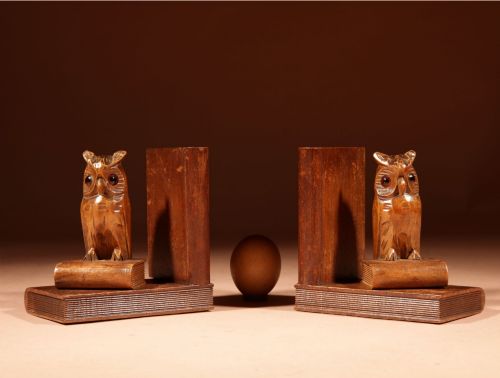
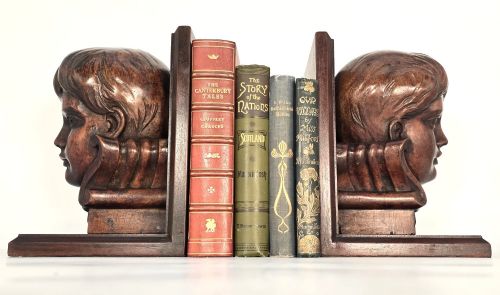
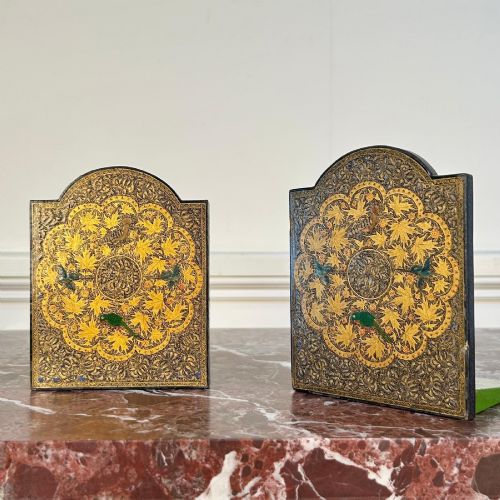
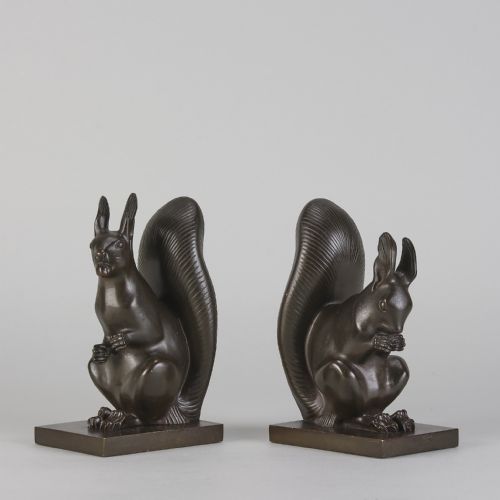
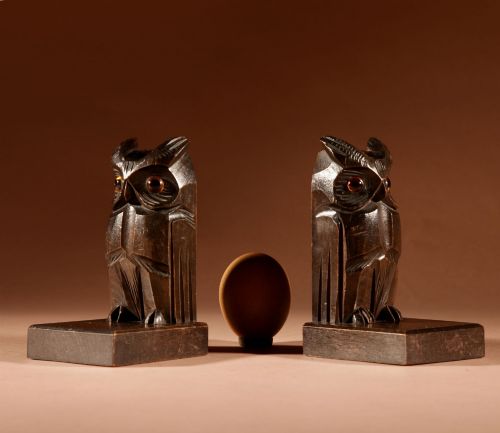
Vintage book supports steady your volumes with the geometric lines and animal forms of the Art Deco period.
Vintage Book Supports
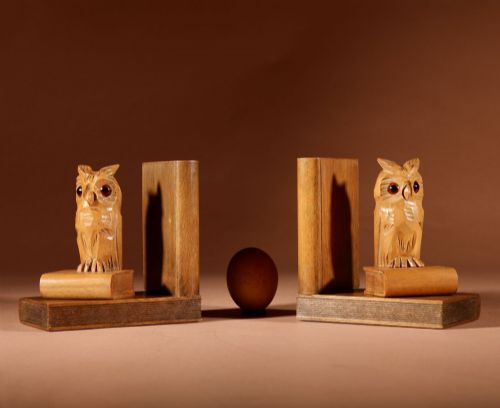
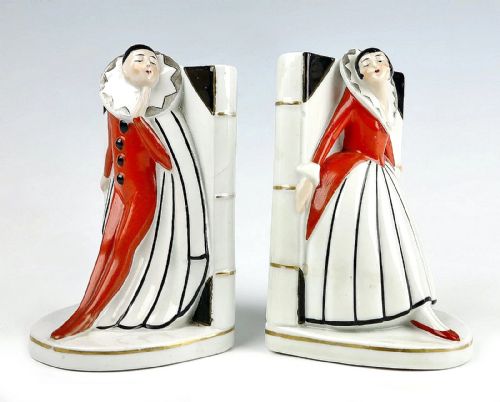
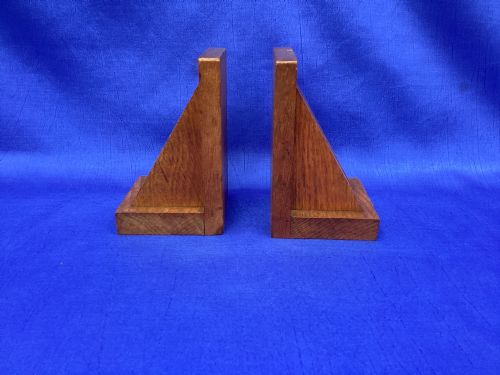
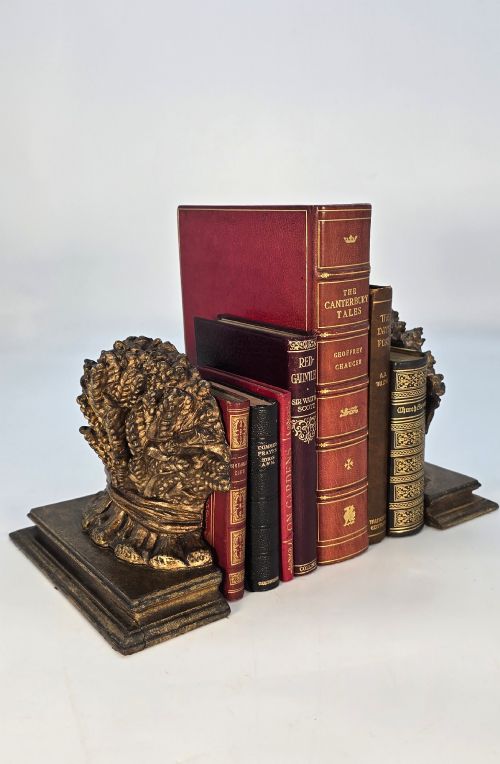
Vintage book supports serve to keep upright collections of books on shelves and desks whilst adding distinct decorative style. When searching for vintage book supports, buyers encounter pairs shaped in the Art Deco manner dating from the nineteen-twenties and nineteen-thirties.
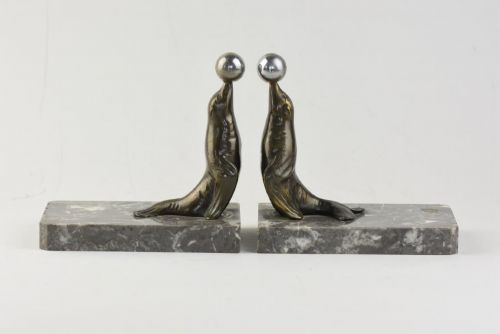
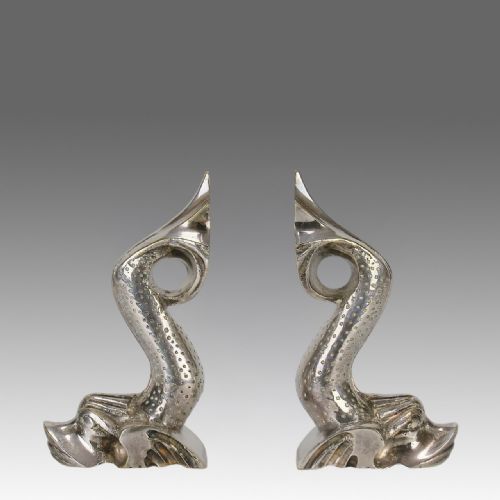
The selections available here feature sculptural forms such as sealions and elephants alongside geometric alabaster and metal designs. Originating from France and other European workshops, these pieces bring period character directly to library shelves.
How they were made
Craftsmen of the early twentieth century utilised a variety of heavy materials to ensure these supports could bear the weight of heavy volumes. Common components include carved alabaster, polished marble, cast bronze, spelter, chrome, brass, and painted metal.
Makers combined these contrasting substances, pairing cold metals with warm stone to create the characteristic visual depth of the Art Deco style.
Vintage Book Supports Retail Price Guide 2026
Typical asking prices for vintage book supports among the pieces listed under this phrase on Sellingantiques today, from the lower quarter to the upper quarter. They describe what is for sale here now, not the wider market.
Solid stone and heavy metals ensure these vintage animals hold your library firm without a single grumble.
What varies in quality
The distinction between standard and superior pieces rests upon the precision of the casting and the quality of the raw materials used. Finer examples display crisp detail in animal figures such as elephants and sealions, with smooth patination on bronze and spelter.
Weight and balance also dictate excellence, as superior supports utilise dense marble or alabaster bases that remain stable under pressure. Inferior items often rely on hollow construction or lighter metals that lack the necessary heft for large books.
The Vintage Book Supports Glossary
- Art Deco
- A design style characterised by streamlined shapes, geometric patterns, and modern industrial materials popular during the nineteen-twenties and nineteen-thirties.
- Spelter
- A zinc alloy commonly used as a cost-effective substitute for bronze in decorative figures and book supports, often finished with a bronze-like paint.
- Alabaster
- A fine-grained, translucent stone used for carving decorative objects and architectural details, prized for its soft veining.
- Patina
- The surface ageing and sheen acquired by metals and stone through handling and time, indicating genuine period use.
Vintage Book Supports: Frequently Asked Questions
How heavy are vintage book supports?
These supports are manufactured from dense materials such as marble, alabaster, bronze, and metal to provide the necessary weight for holding heavy books upright on shelves.
Lighter examples utilise hollow metal or thinner stone, which requires care when supporting large volumes.
What periods do these pieces come from?
The pieces available date primarily from the nineteen-twenties and nineteen-thirties, reflecting the height of the Art Deco design movement.
This era favoured both sleek geometric forms and stylised depictions of animals.
Where were these book supports made?
Many examples originate from French workshops and other European centres known for skilled metalworking and stone carving during the interwar period.
Makers in these regions produced distinctive animal and architectural designs.
How do I care for alabaster bookends?
Alabaster requires gentle dusting with a dry cloth and should be kept away from moisture and direct sunlight to preserve its translucent finish.
Avoid using harsh chemical cleaners that can damage the soft surface of the stone.