

Vintage Book Stand
A vintage book stand organises your reading material with practical elegance, spanning revolving designs, open shelves and reading tables.

Vintage Book Stand
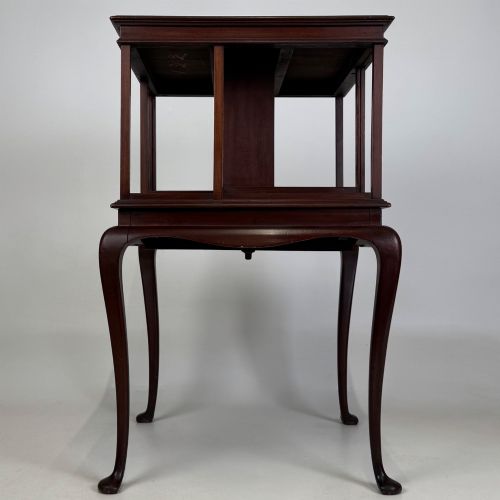
When you search for a vintage book stand, you encounter a practical category that includes revolving bookcases, open shelves, reading tables, lecterns and bookends. These pieces served scholars, households and libraries throughout the nineteenth and twentieth centuries.
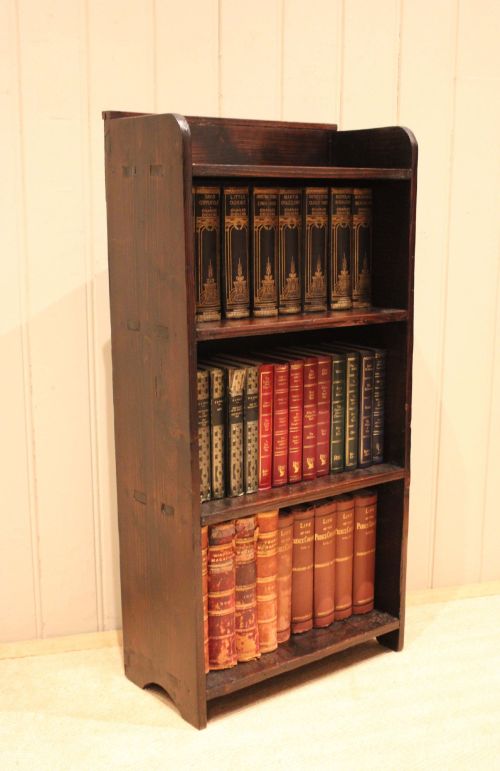
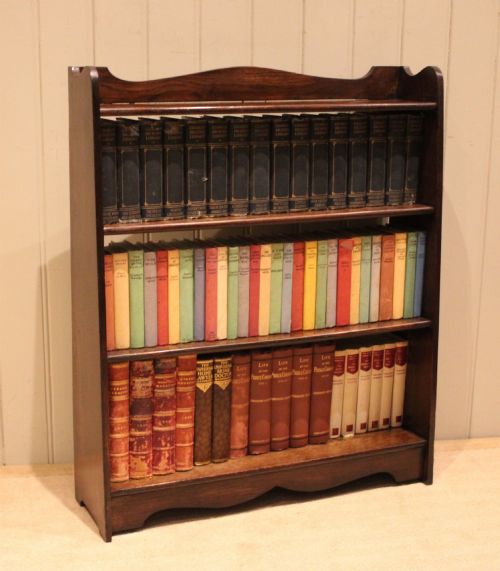
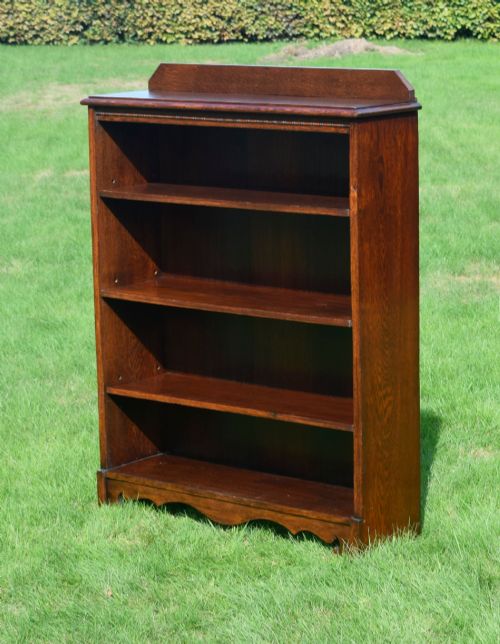
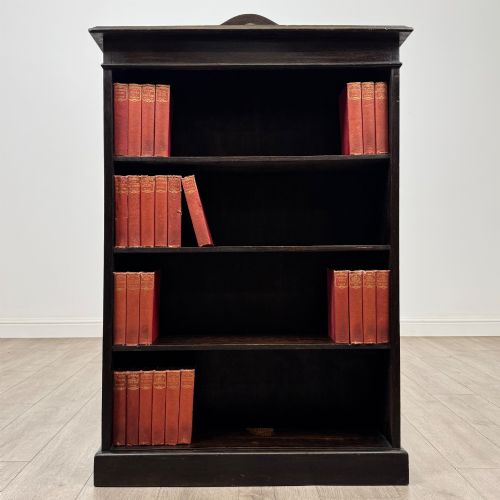
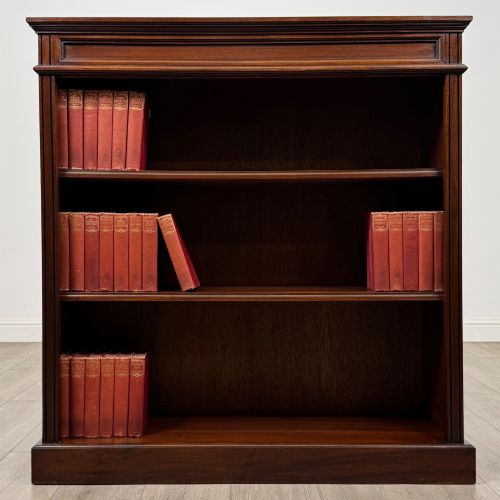
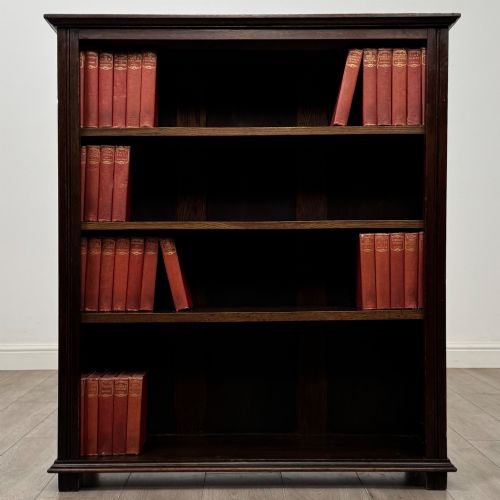
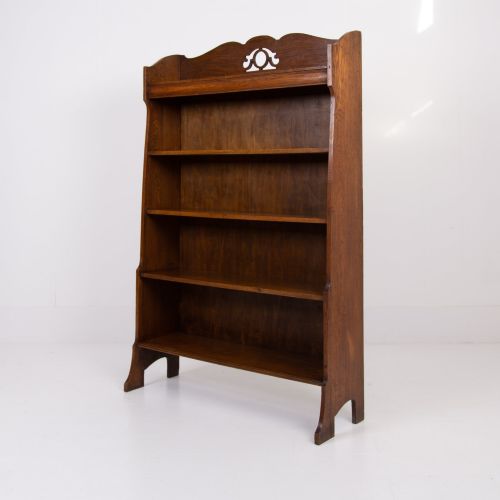
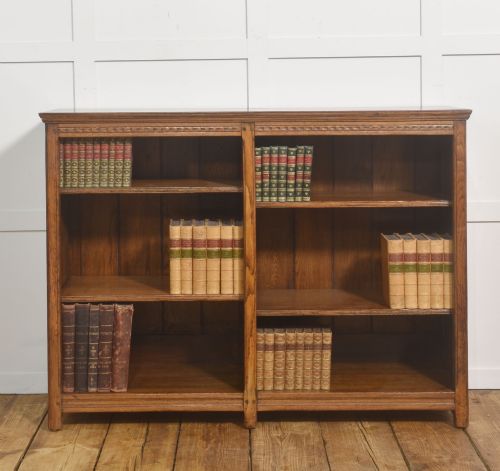
The most common examples on this page date from the Edwardian period and the 1920s, constructed predominantly in oak and mahogany. You will regularly find solid and veneered open bookcases alongside revolving desktop or floor-standing models designed for easy access.
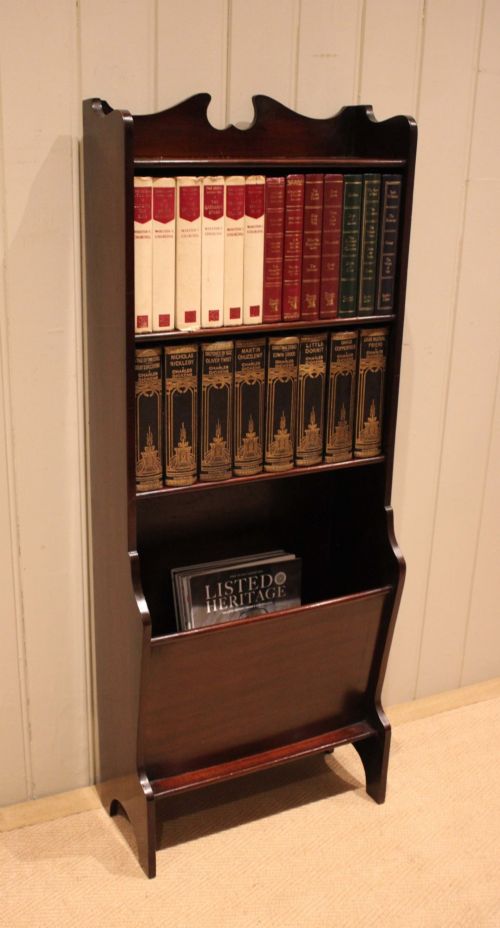
Makers and designers also produced hybrid items such as side tables incorporating magazine racks, adjustable reading stands and step-and-bookcase combinations. These functional objects reflect the domestic needs of their original eras.
Judging quality and execution
Quality rests upon the selection of timber, the precision of the joinery and the smooth operation of moving parts. Superior pieces display well-figured mahogany or quarter-sawn oak with tight joints that remain stable over decades of use.
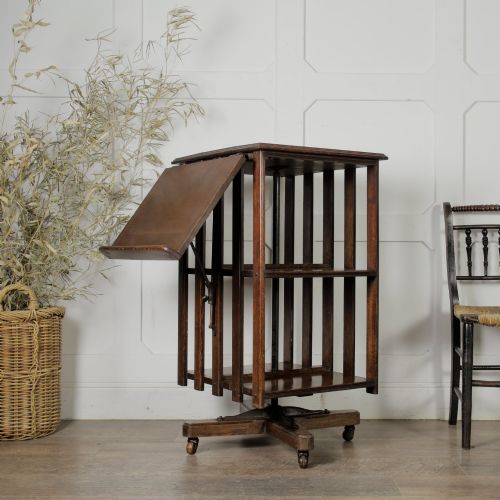
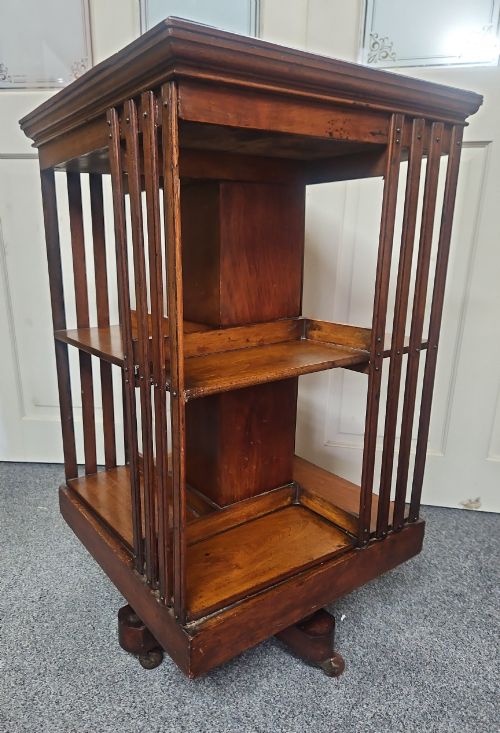
Revolving stands demonstrate quality through the balance and stability of the underlying cruciform base and the silent rotation of the spindle. Finer examples often incorporate subtle decorative details such as string inlay, carved beaded edges or adjustable shelving mechanics.
Period styles span the nineteenth century, Victorian, Regency, Edwardian, Arts and Crafts, Jacobean Revival and Art Deco.
Mouseman
The Vintage Book Stand Glossary
- Revolving bookcase
- A freestanding bookcase mounted on a rotating pivot base to allow access to books from all sides. These typically feature four symmetrical compartments.
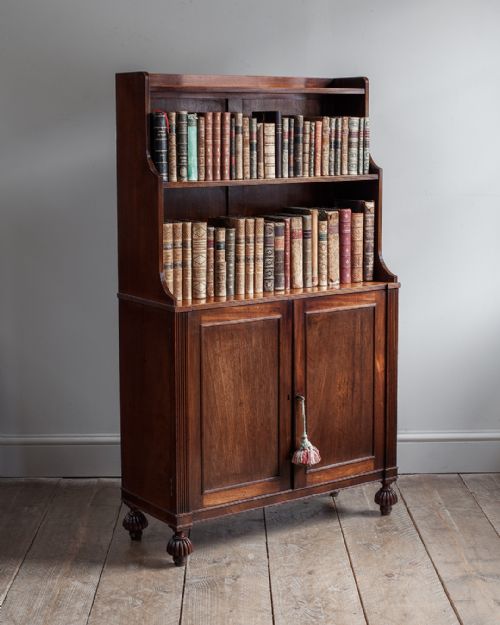
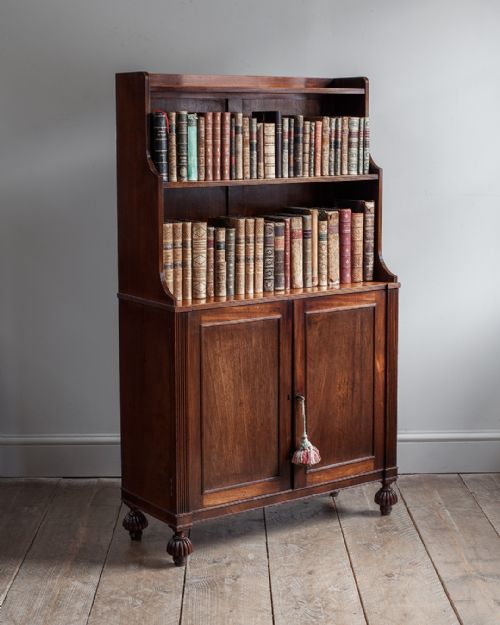
- Waterfall bookcase
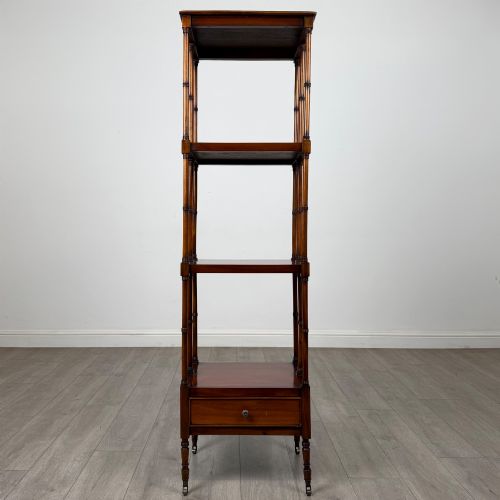
- A set of open shelves where each upper tier is narrower and less deep than the one below, creating a stepped profile reminiscent of a cascading waterfall.
- Lectern
- A slanted reading desk designed to hold a book or manuscript at an ergonomic angle for standing readers. Some versions feature adjustable height mechanisms.
- Quarter-sawn oak
- Timber cut radially from the growth rings, producing a distinct medullary ray pattern known as mirror figure. This cut offers superior dimensional stability.
- Inlay
- A decorative technique where contrasting woods or materials are set flush into the primary surface. Edwardian mahogany pieces frequently employ lightwood stringing.
Vintage Book Stand: Frequently Asked Questions
What is a vintage book stand?
A vintage book stand is a functional item of furniture designed to hold, display or store books within easy reach. The category encompasses open bookcases, revolving tiers, reading tables and decorative bookends.
Most examples originate from the Edwardian era through the 1930s, constructed primarily in oak and mahogany. They were built for studies, libraries and living rooms to keep active reading material organised.
How do I date a book stand?
Dating relies on observing the timber species, construction techniques and stylistic markers present in the piece. Edwardian items often feature golden oak or inlaid mahogany, whereas 1920s examples lean towards rustic or Jacobean revival styles.
Hardware such as brass hinges, iron ratchets and the presence of makers' marks or retailer stamps also provide chronological clues. Examining the drawer dovetails and backboards helps distinguish Victorian and Edwardian work from later interpretations.
How do revolving bookcases work?
Revolving bookcases sit upon a concealed ball-bearing or spindle mechanism housed within a cruciform wooden base. This allows the upper shelving unit to spin smoothly in either direction.
When living with one, ensure the weight of the books is distributed evenly across the four quadrants to maintain balance. Regular dusting of the under-carriage keeps the rotation mechanism clear of debris.
Where should I place a reading table?
Reading tables and adjustable lecterns suit studies, home libraries or beside an armchair where you read frequently. Their adjustable tops allow you to position books at comfortable viewing angles.
Keep wooden stands away from direct heat sources and strong sunlight to prevent the timber from drying out or warping. Periodic polishing with a traditional beeswax maintains the finish.