


Vintage Bone China
Vintage bone china covers decorative plates, tea sets and painted cabinet pieces spanning the Victorian era to the mid-twentieth century.
Vintage Bone China
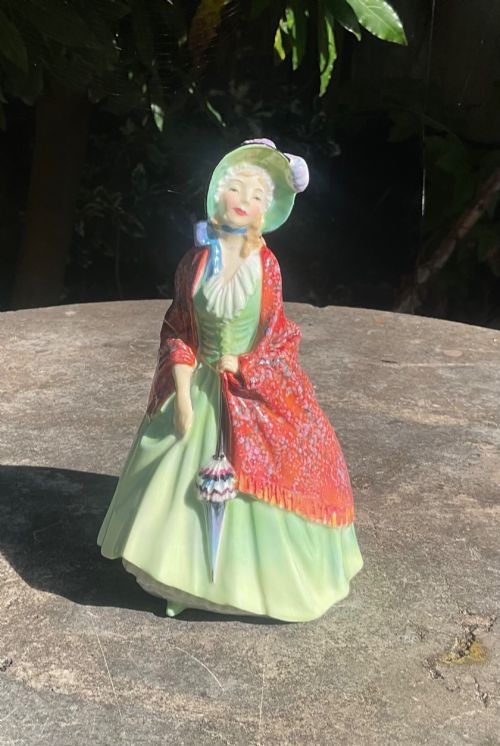
Vintage bone china encompasses service ware, decorative plates, figurines and vases produced by English potteries from the Victorian era through the 1950s.
A buyer examining this selection encounters cabinet plates, teacups and saucers, and tea services decorated in traditional patterns or hand-painted fruit designs.
The objects derive from periods spanning the late nineteenth century, Edwardian era, Art Deco years and mid-century decades.
How they were made
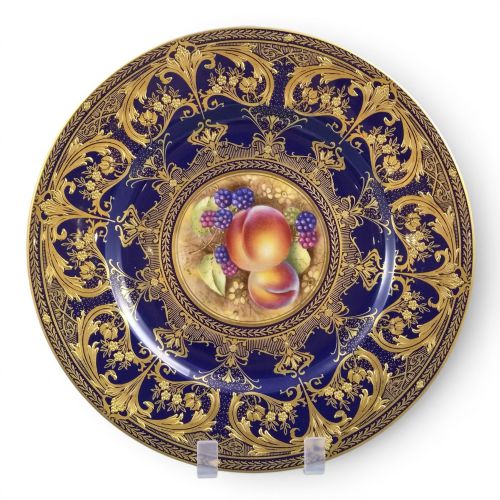
The pieces combine porcelain bodies with glazed surfaces, often enriched with hand-painted enamel and applied gold leaf or gilding.
Potteries utilised bone china and porcelain formulas decorated by named artists using detailed overglaze brushwork.
Vintage Bone China Retail Price Guide 2026
Typical asking prices for vintage bone china among the pieces listed under this phrase on Sellingantiques today, from the lower quarter to the upper quarter. They describe what is for sale here now, not the wider market.
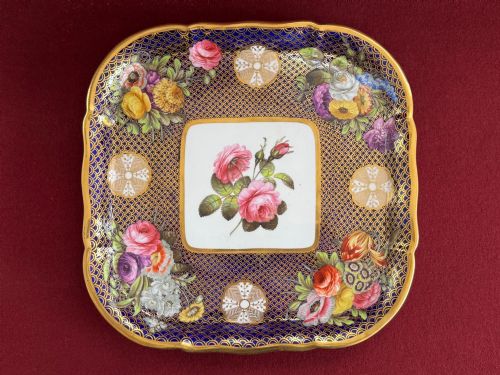
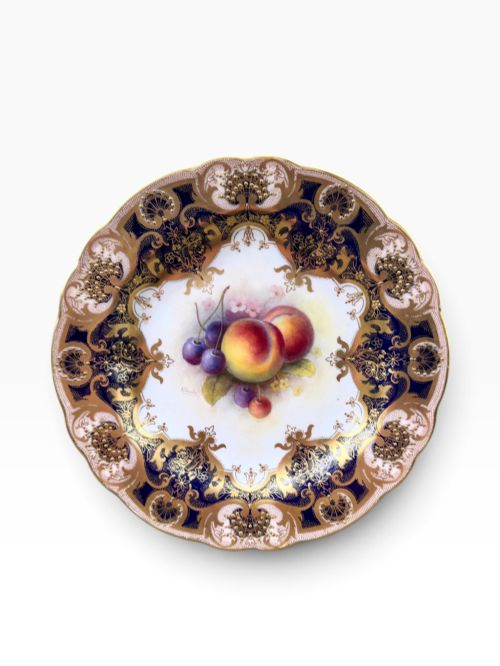
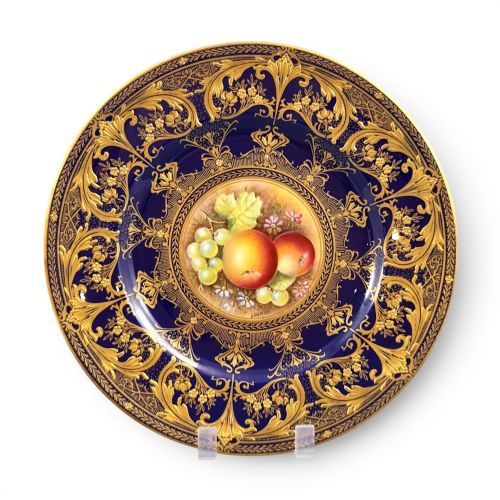
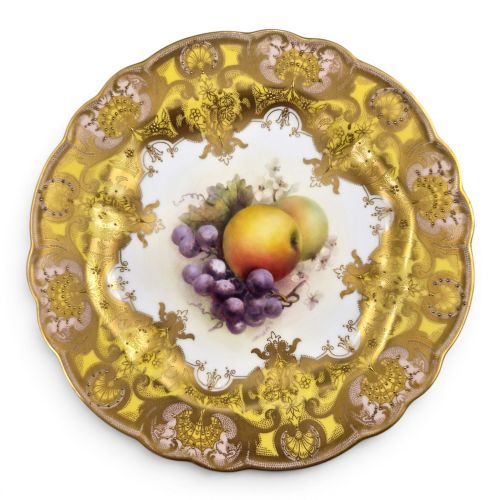
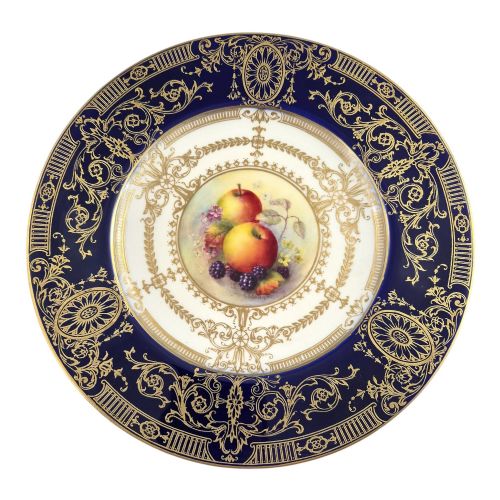
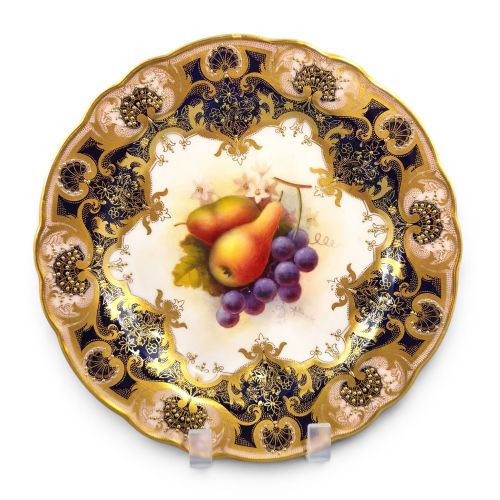
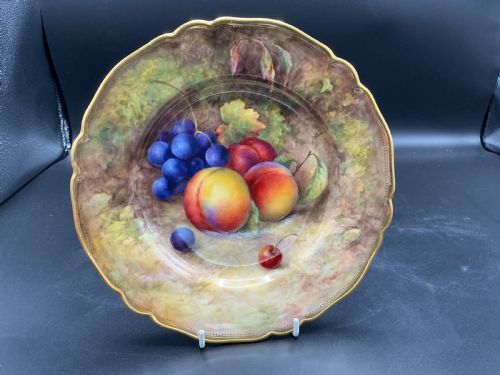
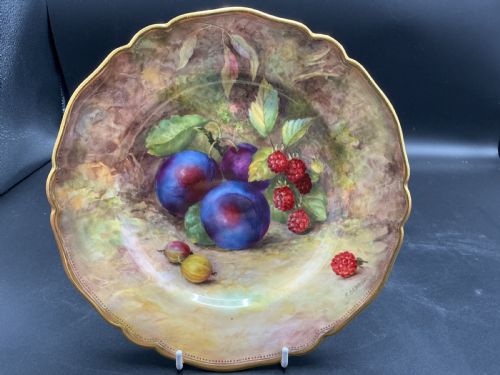
Artists painted entire orchard feasts onto cabinet plates just to be locked away in dark mahogany cupboards.
What varies in quality
The standard of painting distinguishes standard production items from artist-signed cabinet plates and detailed figurines.
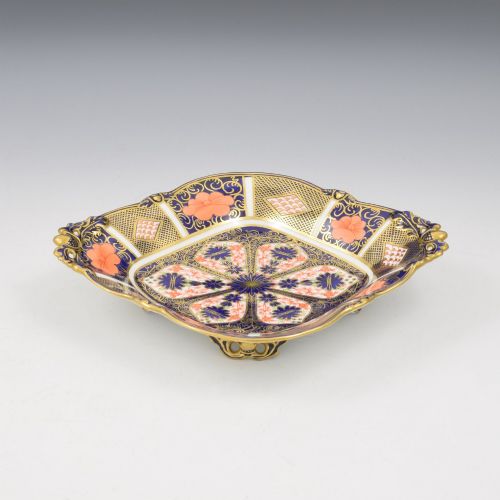
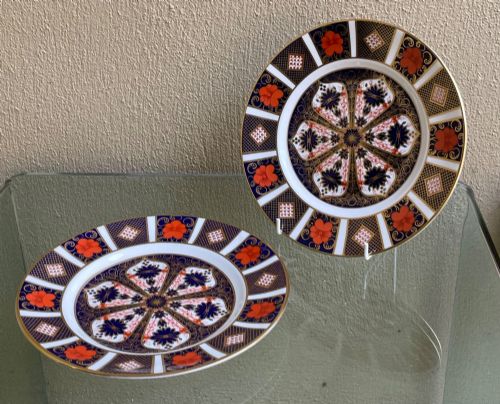
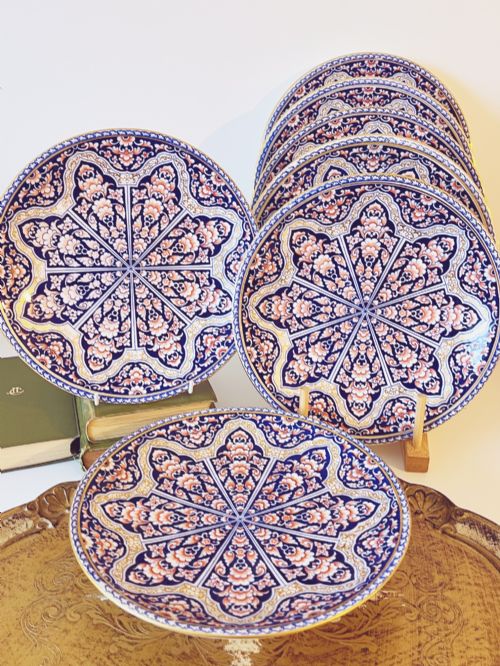
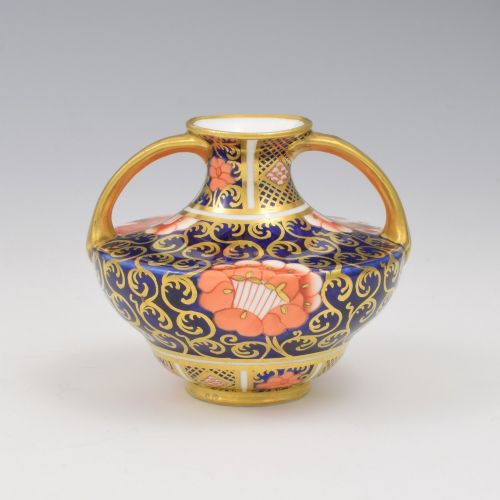
The precision of gilding and the complexity of patterns such as Imari or bat wing influence the standing of each piece.
Royal Crown Derby·Royal Doulton·Royal Worcester·Spode·Wedgwood·Coalport·Minton
The Vintage Bone China Glossary
- Bone china
- A type of soft-paste porcelain incorporating animal bone ash for strength and translucency. It forms the foundation of fine English tablewares.
- Cabinet plate
- A decorative plate intended for display in a cabinet rather than for dining use. These often feature hand-painted fruit or scenic motifs.
- Imari
- A decorative style characterised by underglaze blue and overglaze iron red and gold. It draws inspiration from Japanese export wares.
- Gilding
- The application of gold leaf or gilt paint to rims, handles and motifs. It highlights the contours of teacups and serving dishes.
- Trio
- A matching set comprising a teacup, saucer and matching small plate. These form the basic unit of afternoon tea services.
Vintage Bone China: Frequently Asked Questions
How do I date vintage bone china?
Examine the backstamp stamped or printed on the underside of the piece. Makers often utilised specific registration numbers or date ciphers that correspond to active production years.
Style indicators such as Art Deco geometric lines or Victorian floral arrangements also help narrow down the period of manufacture.
Can I use antique tea sets daily?
Most antique and vintage bone china handles daily use gently, provided you wash them by hand. Dishwashers and microwaves damage delicate gilding and overglaze enamels.
Hand washing in warm water with mild detergent preserves the painted scenes and gold leaf on cups and saucers.
What is a cabinet plate?
A cabinet plate is a decorative ceramic plate created for display rather than everyday dining. They frequently showcase elaborate hand-painted fruit, portraits or landscapes by named artists.
These pieces were meant to be showcased in glass-fronted furniture to demonstrate the household's refined taste.
What makes Imari patterns distinct?
Imari patterns feature a palette dominated by cobalt blue underglaze and iron red overglaze, accented with gold leaf. This distinctive aesthetic originated in Japan and was adopted by English potteries.
The resulting designs offer a rich visual texture that combines deep blues with warm metallic highlights.