


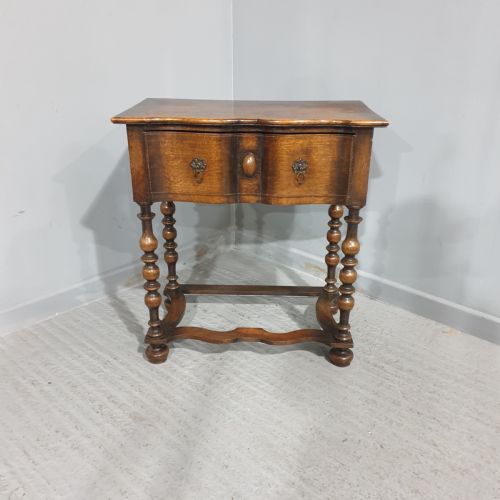

Vintage Bobbin Turned Stand
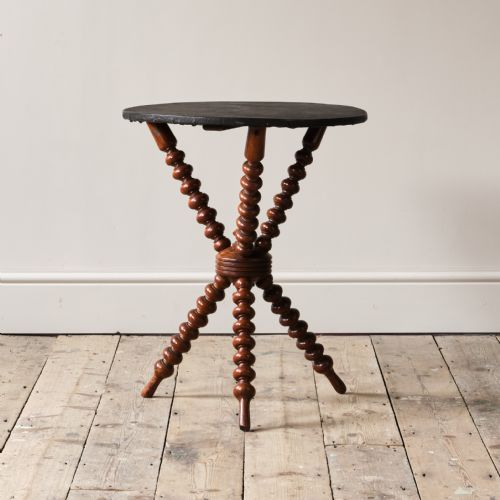
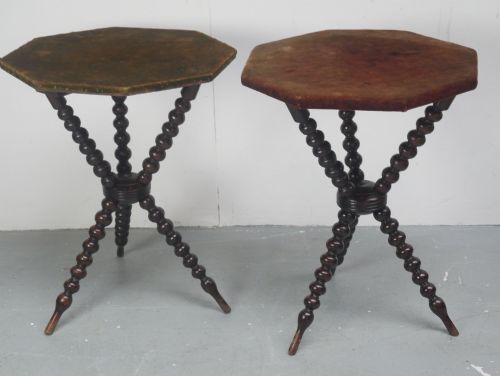
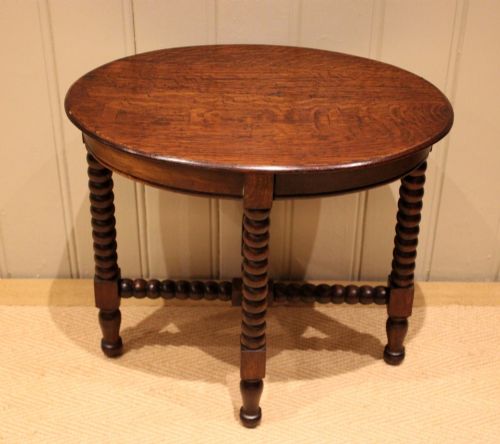
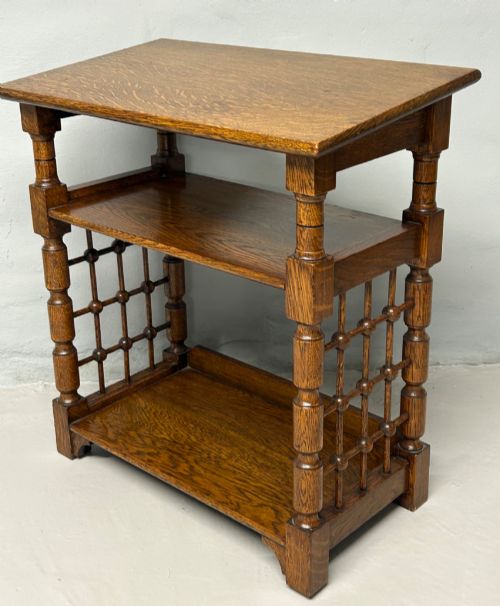
These vintage bobbin turned stand pieces are charming examples of turned woodwork, offering practical surfaces and display stands with distinctive profile detailing.
Vintage Bobbin Turned Stand
When you search for a vintage bobbin turned stand, you encounter small tables, plant holders, and auxiliary furniture defined by cylindrical spool-like turnings along their legs and supports. These pieces emerge primarily from the Victorian and Edwardian eras, alongside items dating from the late nineteenth century up to the 1920s.
Originating across different domestic contexts, these items range from simple English oak examples to French folk art pieces and specific maritime items like teak candlesticks. Their compact proportions make them adaptable for modern interiors as bedside surfaces or plant pedestals.
How they were made
Maker workshops utilised solid timber such as oak, walnut, teak, and various hardwoods, shaping components on a lathe to create the repetitive rounded spool shapes known as bobbin turning. This technique required precise hand-turning to ensure uniformity across pairs of legs and upright spindles.
Assembly relied on traditional joinery methods suited to smaller occasional furniture, occasionally incorporating carved details or paired elements like brass and marble tops. Surface treatments varied from natural polished wood and painted finishes to waxed surfaces that highlighted the grain of the turned components.
One exceptional listing includes teak candlesticks salvaged from the Royal yacht HMS Renown.
What varies in quality
Quality in a vintage bobbin turned stand rests on the crispness of the lathe work and the selection of timber, where tightly defined spool turnings demonstrate superior craftsmanship compared to softer, more rounded profiles. The choice of material, such as dense oak or figured walnut, elevates the integrity of the piece over basic painted softwoods.
Structural stability and the proportion of the turned elements determine the overall refinement of the item, ensuring that slender supports remain rigid and load-bearing without excessive wobble. Original surface patination and intact turned components without replacement sections preserve the authenticity and visual coherence of the object.
The Vintage Bobbin Turned Stand Glossary
- Bobbin turning
- A form of woodturning characterised by a series of rounded, spool-like shapes resembling bobbins threaded along a shaft. This decorative turning style gained popularity during the seventeenth century and saw revivals in the nineteenth and twentieth centuries.
- Occasional table
- A small, lightweight table designed for flexible use in various rooms rather than a specific permanent function. These pieces serve as lamp stands, side tables, or display surfaces.
- Arts and Crafts
- A design movement promoting handcraftsmanship, simple forms, and traditional materials in reaction to industrial mass production. Pieces from this style emphasise utility and the natural qualities of the wood.
- Gipsy table
- A small three-legged occasional table, often draped with fabric historically, popular during the late Victorian period. They frequently feature slender turned legs and compact circular tops.
Vintage Bobbin Turned Stand: Frequently Asked Questions
What is a bobbin turned stand used for?
These stands serve multiple domestic purposes, functioning as compact side tables, lamp bases, or display pedestals for ornaments and plants in smaller living spaces.
Their portable nature allows them to be moved easily between rooms to provide a convenient surface wherever required.
How do I date a bobbin turned stand?
Dating relies on observing the timber species, joinery methods, and the broader stylistic context of the piece, such as Victorian proportions or Edwardian Arts and Crafts influences.
Comparing the turning profile and wear patterns to documented examples from periods like the late nineteenth century provides further chronological clues.
Are bobbin turned stands sturdy?
Despite their slender appearance, well-made examples utilise rigid hardwood construction and tight joints to maintain stability during everyday domestic use.
Heavier items benefit from solid oak or walnut frames, while lighter occasional tables are best suited for smaller lamps and decorative objects rather than heavy loads.
How do I care for a turned wood stand?
Maintenance involves dusting regularly with a soft cloth and occasionally applying a suitable beeswax or furniture polish to nourish the timber surface.
Keeping the stand away from direct heat sources and strong sunlight prevents the wood from drying out or developing splits in the turned spindles.