
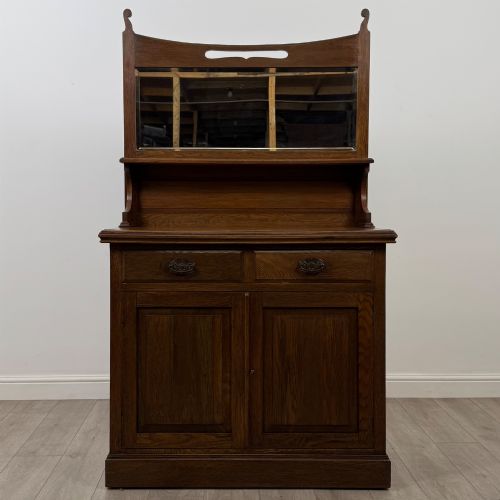
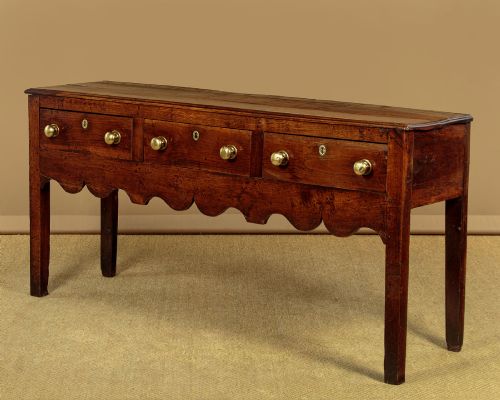
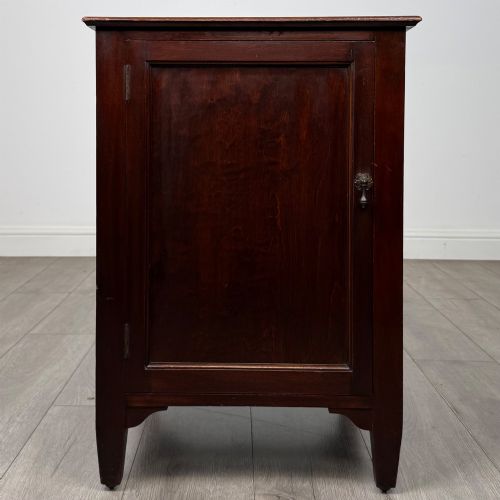
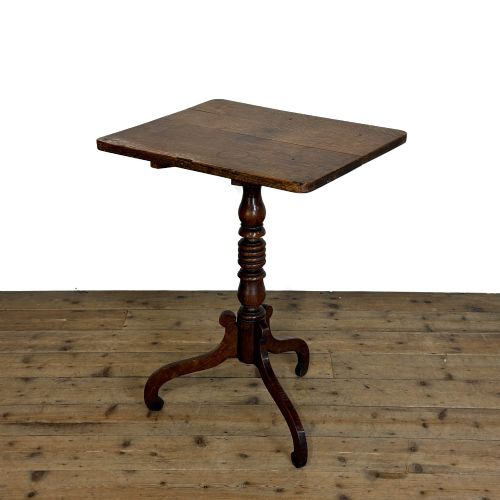
Small Dark Oak Table
A small dark oak table brings centuries of practical British utility and rich timber grain directly into a compact room.
Small Dark Oak Table
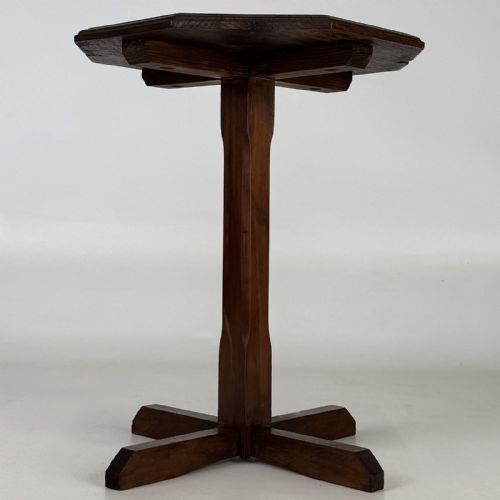
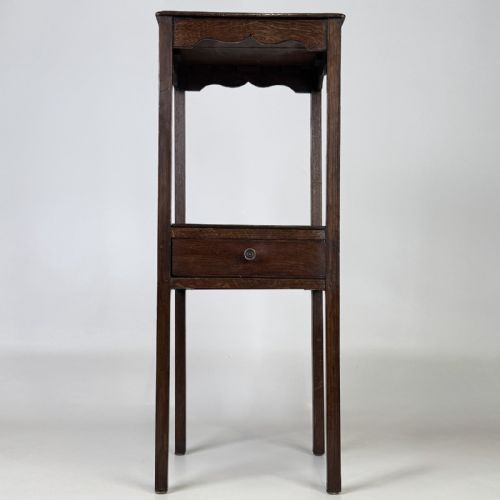
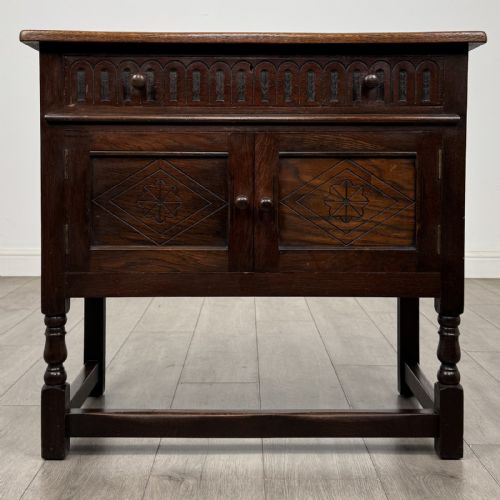
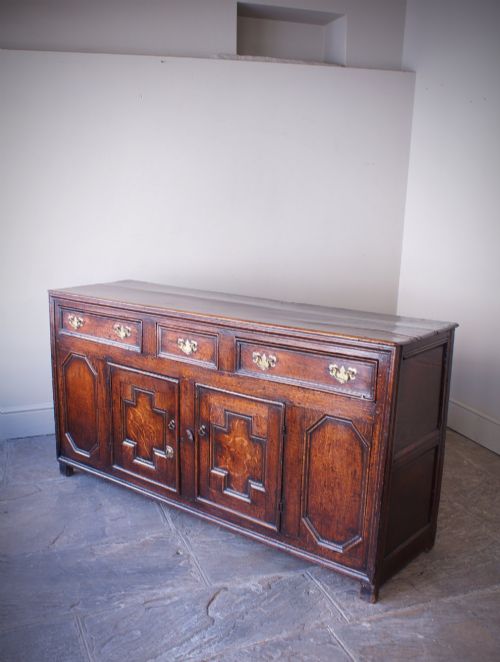
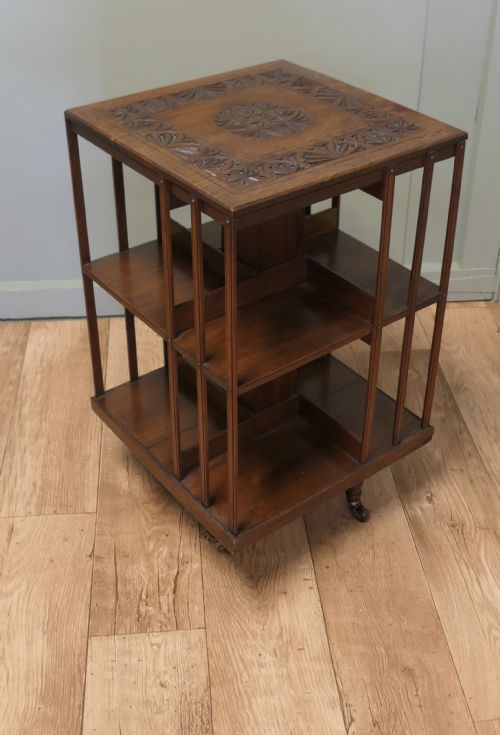
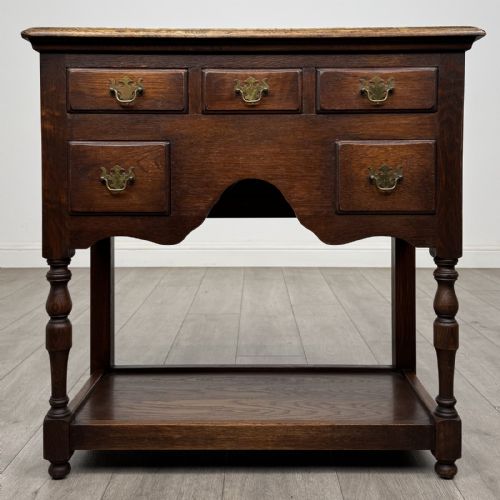
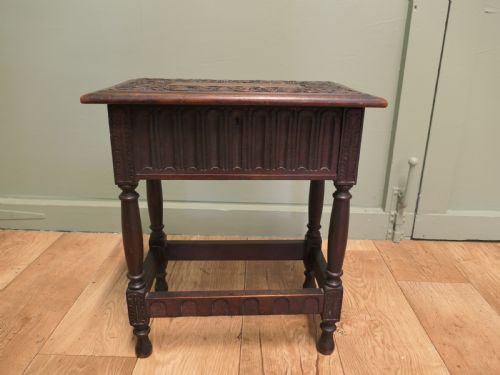
When searching for a small dark oak table, buyers encounter diverse forms shaped across the centuries, from Georgian drop-leaf dining tables and cricket tables to Edwardian occasional tables and plant stands. The pieces span periods including the 18th century, 19th century, Victorian, and Edwardian eras, reflecting enduring domestic requirements for versatile surfaces.
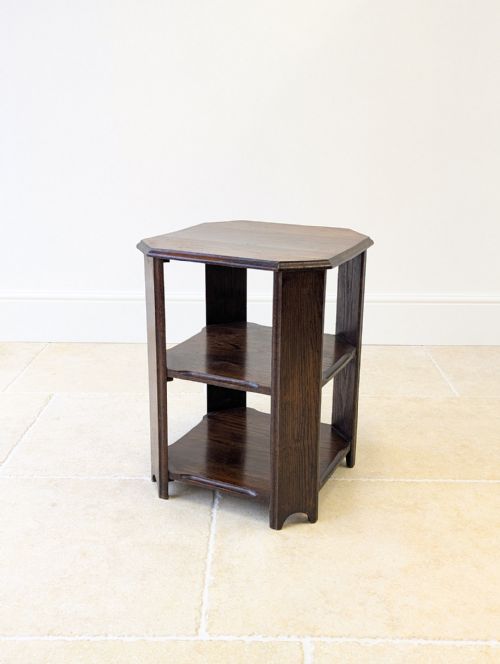
Side tables, gateleg tables, and coffee tables dominate the selection, alongside specialised forms like plant stands and monk's benches. Edwardian and 20th-century iterations appear frequently, often displaying simple rectangular, octagonal, or oval tops suited to modern spaces needing period character.
What varies in quality
The distinction between standard utility furniture and finer pieces rests in the selection of timber and the ambition of the design. Dense solid oak or carefully matched burr oak veneer elevates an item above basic stained wood construction.
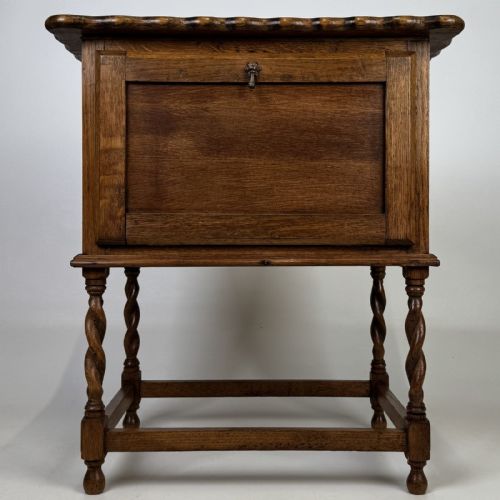
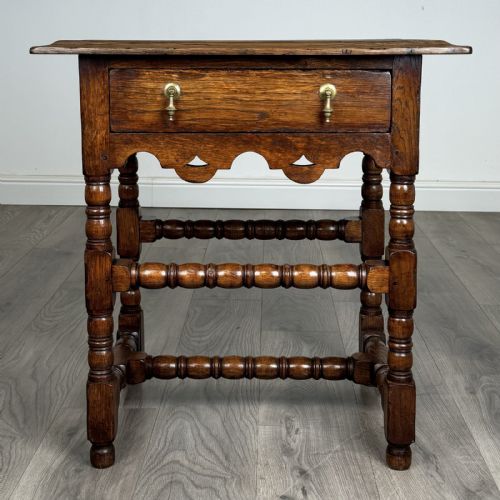
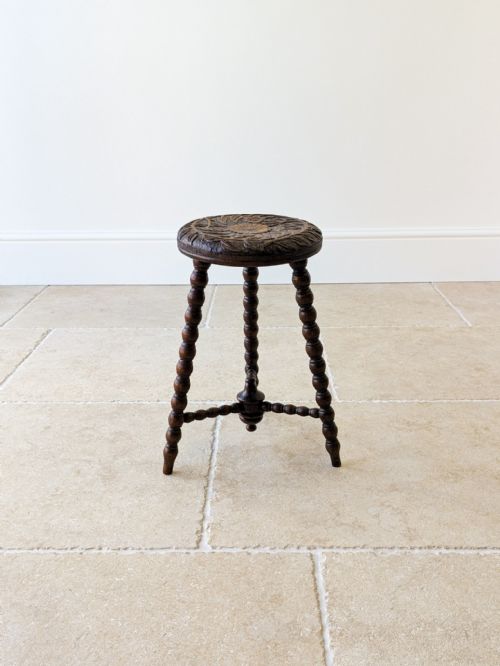
Refined craftsmanship shows in the execution of carved ornamentation, such as intricate chip carving or well-proportioned barley twist turnings. The structural integrity of drop-leaf mechanisms and gateleg framing also separates simpler vernacular items from superior workshop productions.
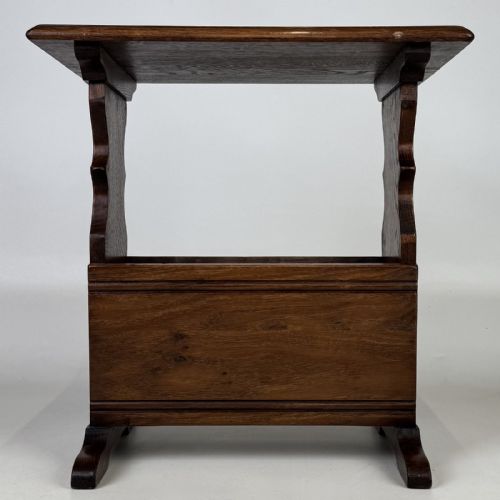
Several tables cleverly double as plant stands, magazine racks, or tiny desks, proving Victorian and Edwardian makers loved multitasking furniture just as much as we do.
Shapland & Petter
The Small Dark Oak Table Glossary
- Gateleg table
- A table with hinged drop-leaves supported by swinging legs that pivot outward. This design allows the surface to expand for dining or fold down compactly against a wall when not in use.
- Cricket table
- A small, lightweight three-legged table originating from the 18th century or earlier. The three-legged format ensured stability on uneven farmhouse floors.
- Tilt-top table
- A table featuring a mechanism that allows the top to pivot into a vertical position. This clever space-saving design enabled the furniture to be stored flat against a wall when unoccupied.
- Barley twist
- A decorative turning technique resembling a spiralling rope or barley sugar stick. Craftsmen carved this distinctive profile into table legs and supports during the 17th century and later revival periods.
- Drop-leaf
- A hinged table leaf that drops down at the side of the main top. Brackets or folding legs swing into place to support the leaf when raised.
Small Dark Oak Table: Frequently Asked Questions
Can I use these tables daily?
Solid oak construction provides robust durability suited to everyday household tasks. These surfaces handle regular use as side tables, desks, or occasional dining spots.
Applying proper care and coasters protects the timber and historic finishes from accidental moisture damage during daily routines.
How do I date an oak table?
Examine the construction methods, fastener types, and stylistic decorative details present on the frame and legs. Hand-cut joints and vernacular tool marks often point to earlier 18th or 19th-century origins.
Revival styles from the Edwardian period frequently incorporate earlier motifs like barley twists or Jacobean carving combined with 20th-century manufacturing signatures.
What is burr oak?
Burr oak refers to a growth deformity on the tree that produces swirling, highly figured grain patterns. Cabinetmakers sliced this timber into thin veneers to ornament prominent surfaces.
Tables utilising burr oak showcase striking, organic visual textures that contrast sharply with straight-grained plain oak planks.